May is the awkward month when gloves, scarves, beach bags, pool towels, sunscreen, sunglasses and backyard toys all appear to be battling for the same closets, drawers, mudrooms and garage corners. A quick seasonal clear-out can reveal what’s out of date, broken, worn out, in the wrong place or quietly hogging daily space before summer gear moves in. These common clutter spots in American homes are easy to overlook as each item is small on its own. As warm-weather routines get underway, they can crowd linen closets, entryways, cars, bathrooms and family storage bins.
Cold-Weather Gloves Still Sitting by the Door
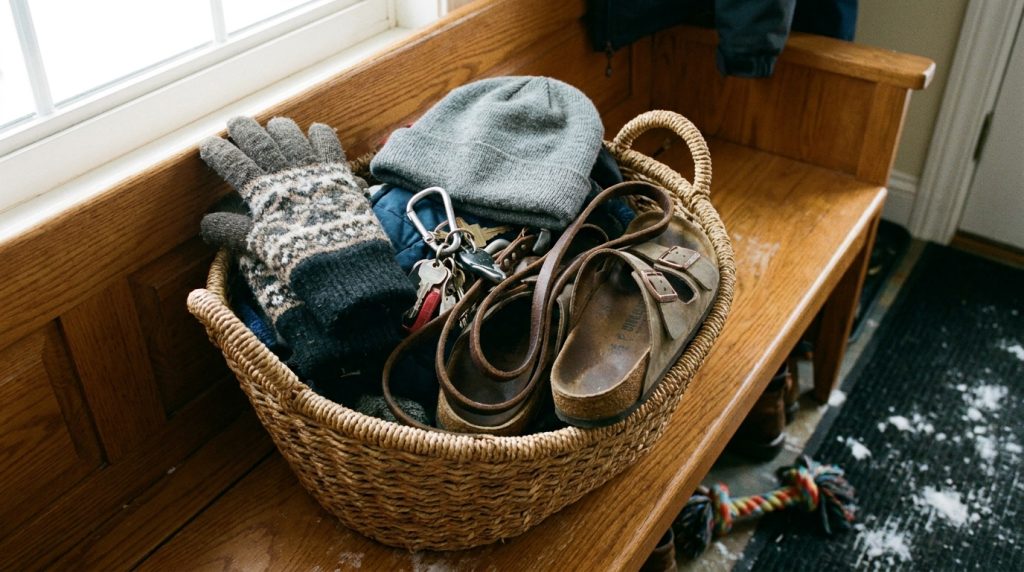
The front-door basket may still be in February dress.
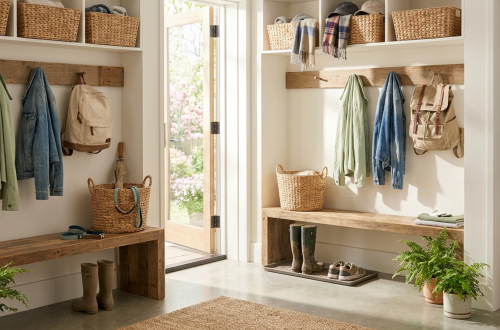
May is the month when many U.S. homes’ entryways start doing two jobs badly. Winter gloves are in the same basket waiting to be filled with sunscreen sticks, baseball caps, keys and sunglasses. It’s not a radical solution. Gather all gloves, mittens and beanies into one pile, pair them up, toss out damaged singles, and move true winter keepers into a labeled off-season bin. Once warm weather hits, anything that is still sitting by the door is usually convenience clutter. Clearing it now makes the daily grab-and-go zone work before summer bags, sports gear and pool towels start to arrive.
Scarves Blocking Everyday Closet Space
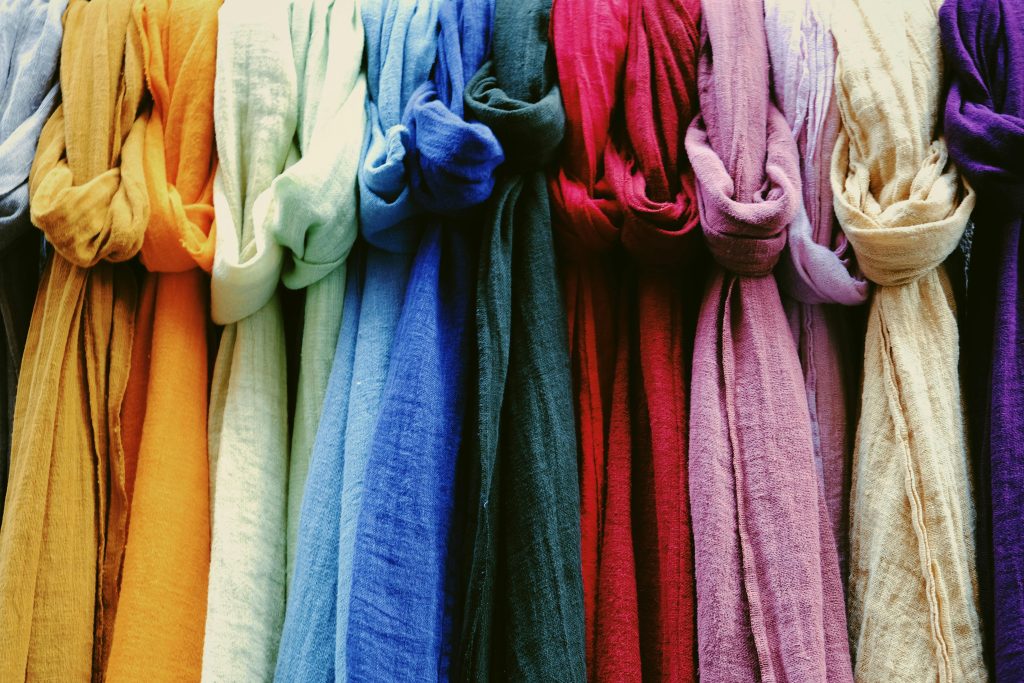
Your closet is probably full of clothes you won’t wear until November.
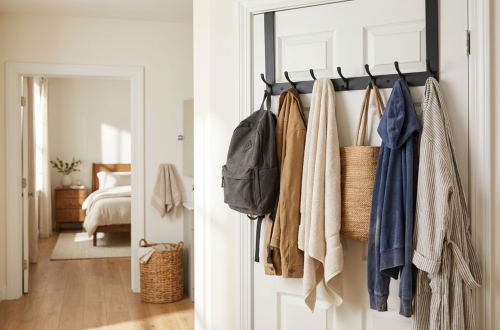
Scarves are sneaky, they don’t often look like a “big” storage problem. But in a typical American coat closet a few bulky scarves may block hooks, hide reusable bags and make summer hats or swim totes less accessible. In May, sort them into three piles: actually worn, duplicate or itchy, and damaged. Keep the useful winter set in a breathable labeled bin especially if the closet is near a humid entry or garage. The point is not to throw out all cold weather gear. The point is to keep the prime daily closet space from being occupied by things that will not matter again for months.
Old Beach Bags from Last Summer
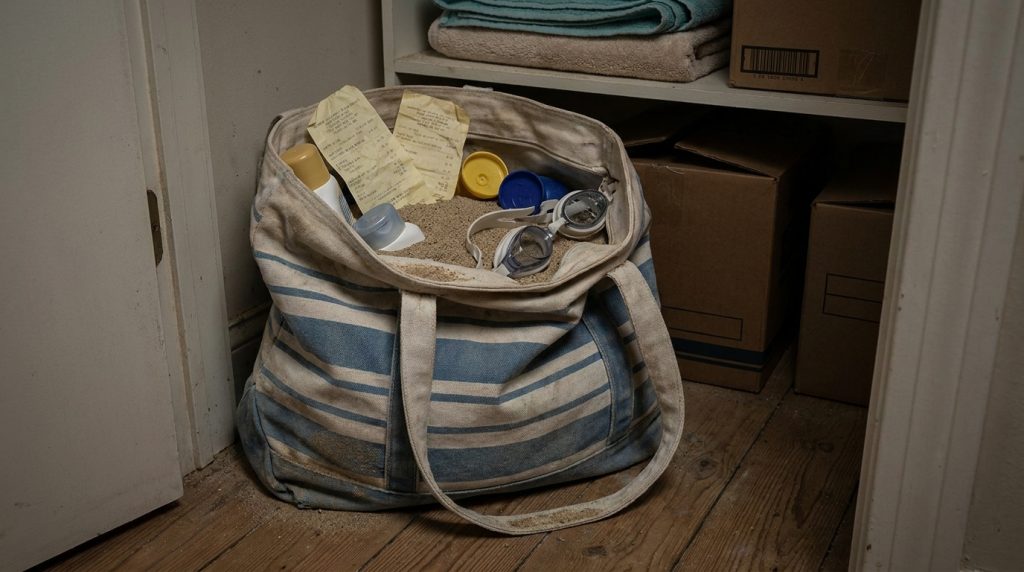
Only open the beach bag before next summer to make sure it is ok.
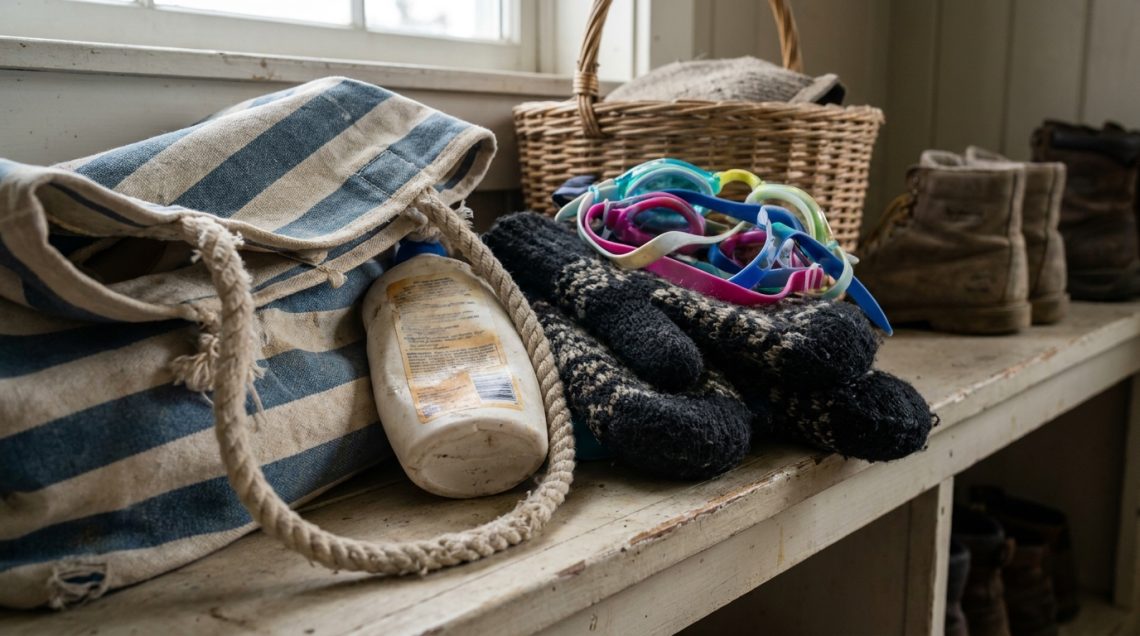
Summer’s over, and beach bags become mini storage units. Many U.S. homes have them stuffed into a closet, sand still in the seams, sticky snack wrappers in the bottom and half-used products in side pockets. In May, empty your bag, take it outside and shake it, wipe it down and check the zipper, lining, handles and smell. Pack only what your family will actually take to the pool, lake, splash pad or beach. A bag with torn handles or mysterious residue is not “backup”. It’s clutter waiting to fail on the day you need it.
Pool Towels Crowding Bath Towels
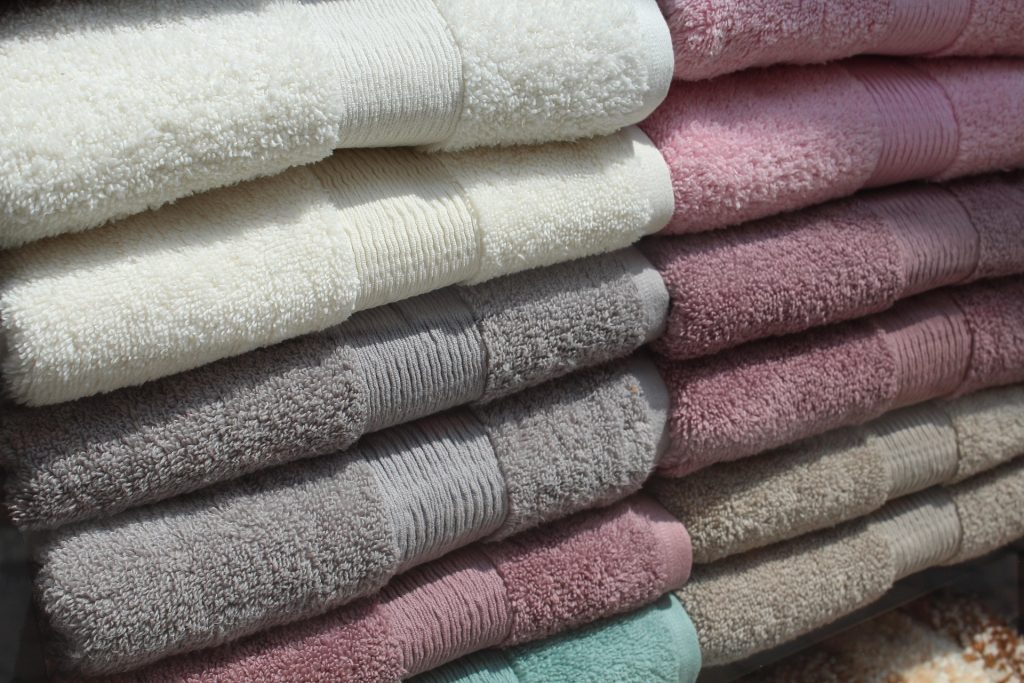
Your linen closet may be doing double duty, for the pool and the bathroom.
Pool towels and bath towels do different jobs but often end up in the same collapsing stack of linen. Separate them before the summer begins. Keep a stack of everyday bath towels near the showers, and put pool and beach towels in a labeled summer bin, mudroom shelf, laundry-room basket or garage-adjacent cubby. Dispose of towels that are ripped, smell sour, are too thin to be used comfortably or have large stains. Some animal shelters will take clean old towels so check locally first. This one type can make the closet appear larger without buying new shelves, bins or another over-the-door organizer.
Expired Sunscreen Bottles
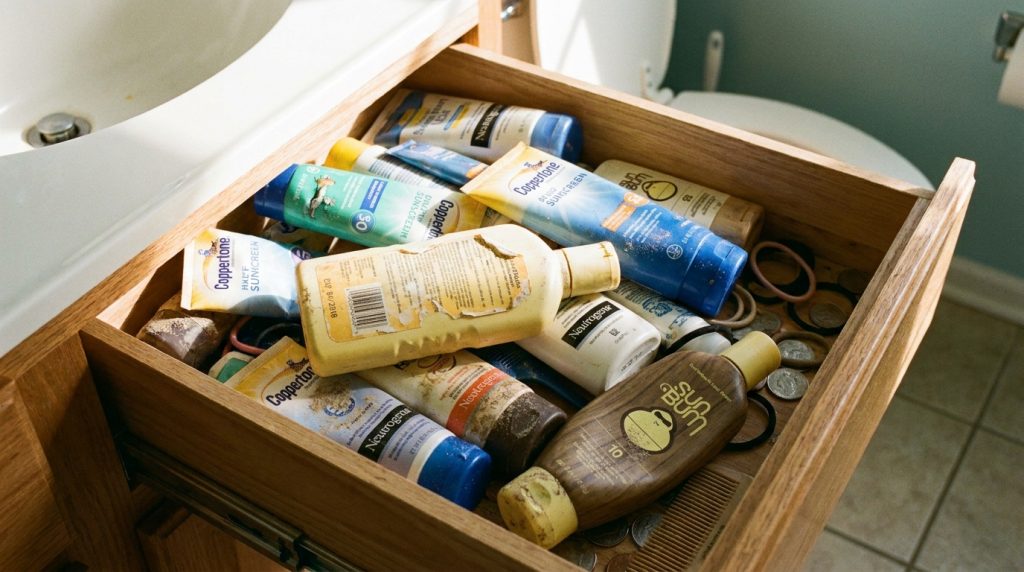
The bottle you shouldn’t keep may be the most important summer bottle.
Sunscreen is one of the few May clutter checks that has a real safety payoff. Check the expiration date first. The FDA recommends not using any product after the expiration date printed on it, and not using any sunscreen that does not have a date on it if it was purchased more than three years ago. Also beware of bottles that have been in a hot car, garage or sunny bag for months, because heat can impact stability. It’s a quick check to clear out sticky, separated, mystery-age bottles and make room for fresh SPF before camps, cookouts, yardwork and pool days begin in your average American bathroom or pool basket.
Scratched Sunglasses in Drawers
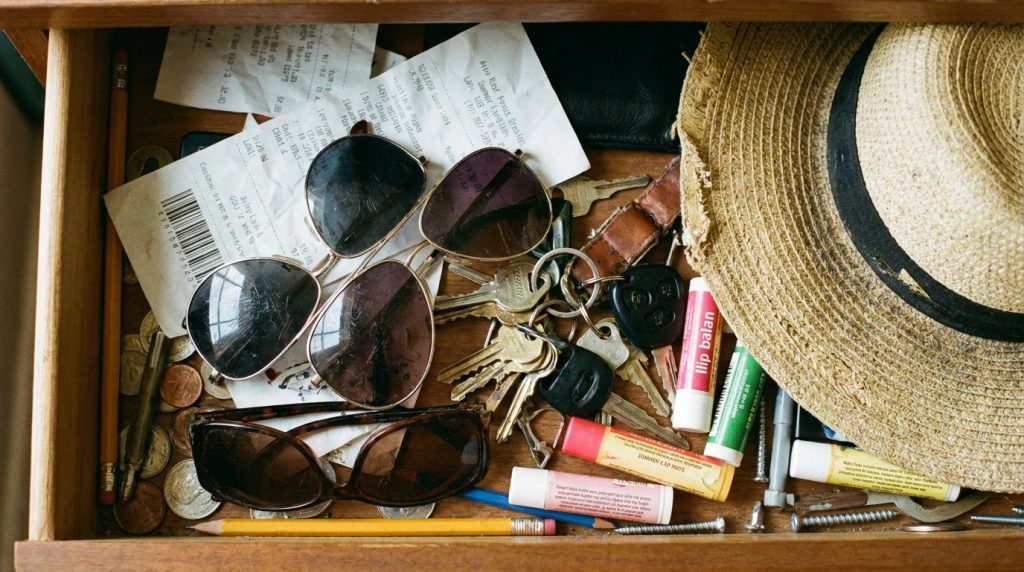
You can have a junk drawer full of sunglasses and still come up empty.
Sunglasses collect in cars, kitchen drawers, purses, beach bags and entryway bowls. Most households have a few pairs by May but still stick with the one or two. Sort them out under bright light. Badly scratched lenses, bent frames, missing nose pads and pairs that slide off your face aren’t worth prime drawer space. Have a useful pair close to the car keys, one in the pool or sports bag and a spare if your household actually uses it. The payoff is immediate: fewer scratched “maybes,” quicker exits, less digging in the drawer on sunny mornings.
Damaged Swim Goggles
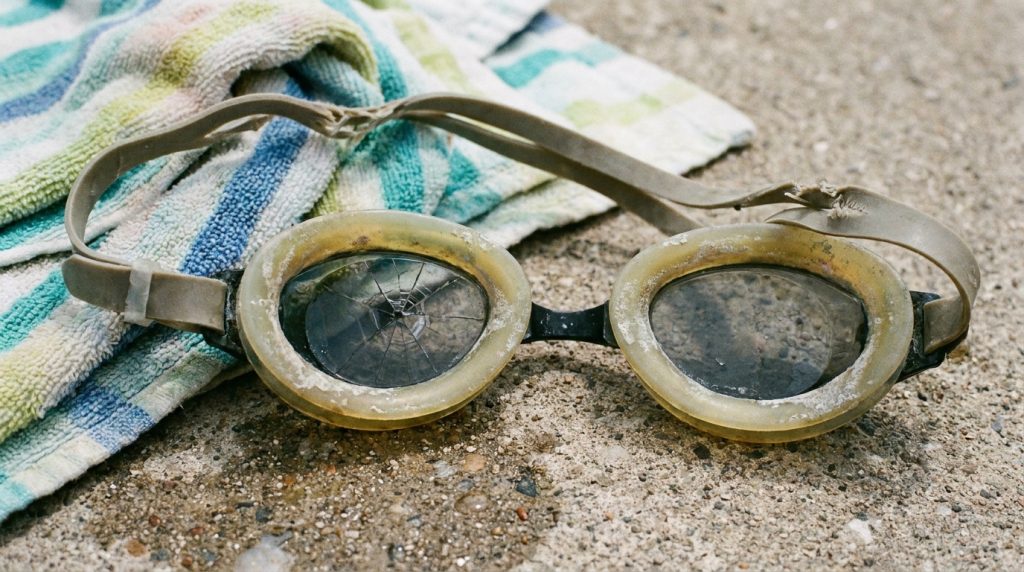
The pool bag might contain goggles that already failed.
Swim goggles are small and easy to save, but broken pairs can cause first-day-of-pool frustration. In May, check each pair for cracked lenses, cloudy plastic, stretched straps, loose clips and seals that no longer sit flat. Only use the pairs that match the people who actually swim in your house. If you have kids in the family, label good pairs by name or size and store them all in one summer bin instead of scattered through bathroom drawers, garage shelves and beach bags. Now, by weeding out the duds you avoid a mad dash when the pool opens or vacation packing begins.
Broken Outdoor Toys

The backyard bin may be full but useless.
American garages, patios, sheds and porch bins soon fill up with outdoor toys. Before summer, take out the container and see what is actually usable: Balls that hold air, bubble wands with lids, chalk that is not mush, buckets without sharp cracks, and sports gear with all its parts. “This isn’t about taking away fun. It’s about throwing out broken plastic, duplicate odds and ends and pieces that make kids dig longer to find the toys they want. A smaller bin of working gear will typically get more use than an overflowing bin of “maybe” items.
Worn Hats Taking Shelf Space

The hat shelf may be hiding the one you never wear
Hats are the classic clutter of just-in-cases. A giveaway cap, a stained yardwork hat, a squashed beach hat, and three winter beanies can all sit on the same shelf while the one good sun hat gets buried. May: Sort hats by purpose: everyday sun protection, yard work, sports, pool or beach, winter. Toss or reuse badly stained, torn or misshapen hats that no one wears. Move winter beanies out of the active area. A small, visible hat setup makes it easy to grab what you need for mowing, errands, baseball games, and sunny school pickups.
Seasonal Magazines and Papers
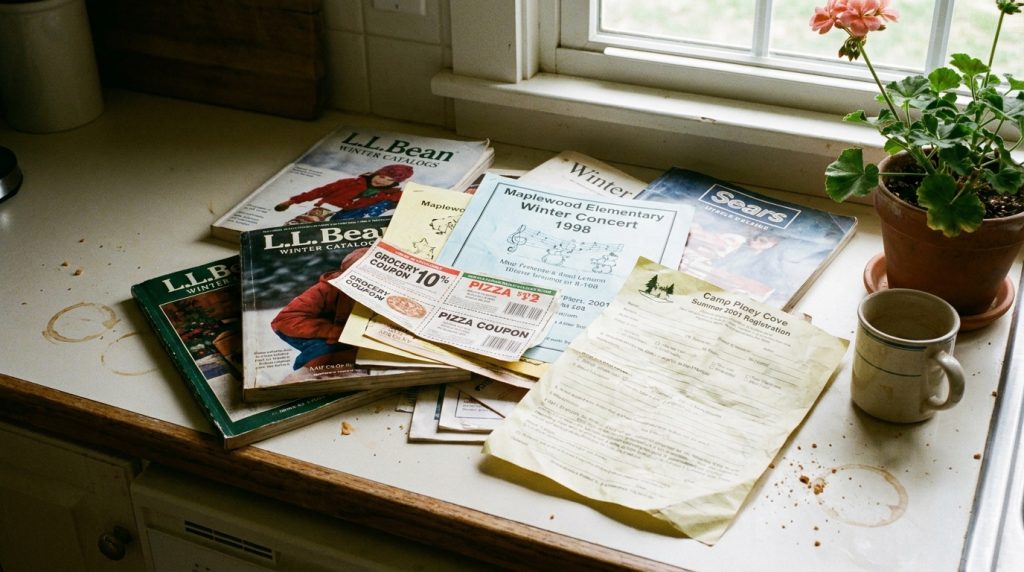
Summer paperwork may be buried beneath last season’s reading pile.
Kitchen counters can feel permanently behind with seasonal magazines, catalogs, expired coupons, old school notices and winter project printouts. In May, treat paper like gear: Keep only what serves the season you’re entering. Recycle old winter issues, old sale flyers and extra catalogs. If there is one recipe, garden idea or travel tip that you really want, photograph it or tear out the page, rather than save the entire stack. This gives you a landing zone for the forms your household actually needs before the onslaught of camps, vacations, pool schedules and summer sports papers.