A pantry might appear well-stocked, while subtly hiding stale snacks, weak spices, forgotten cans, mystery containers, and bulky boxes that make each grocery run feel more expensive than it should. For many American kitchens, the real problem is less a lack of space and more the few items that perpetually get in the way of shelves, hide newer food, invite crumbs or make dinner taste less fresh. This gallery takes the everyday Reddit pantry woes and trusted food-storage advice and turns them into 10 visual, practical clear-outs. Each slide has one thing to check — before it creates clutter, wastes grocery money, or becomes a bigger kitchen headache.
Stale Cereal Boxes That Keep Hogging Breakfast Space
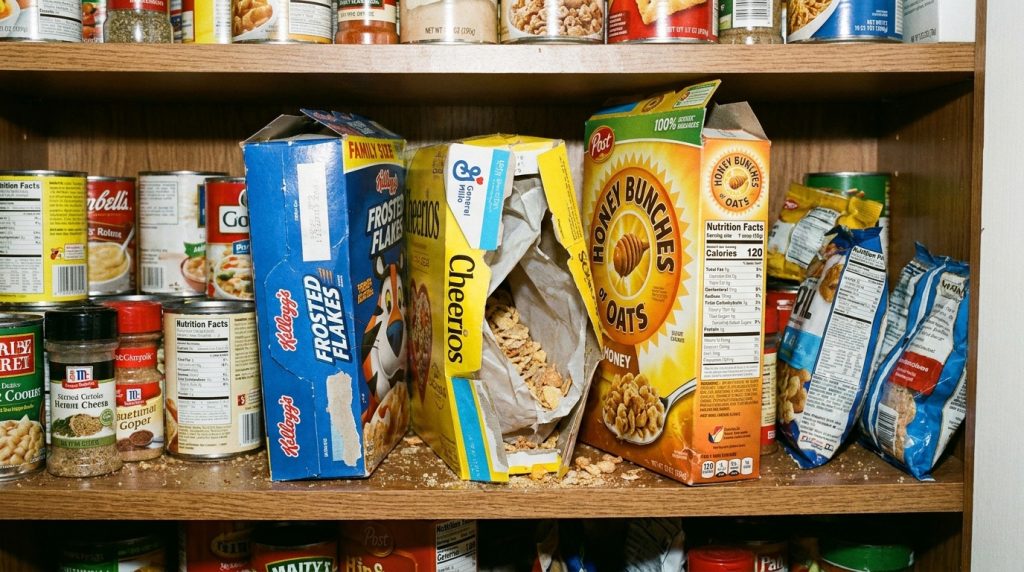
The cereal box could be emptier than it appears.
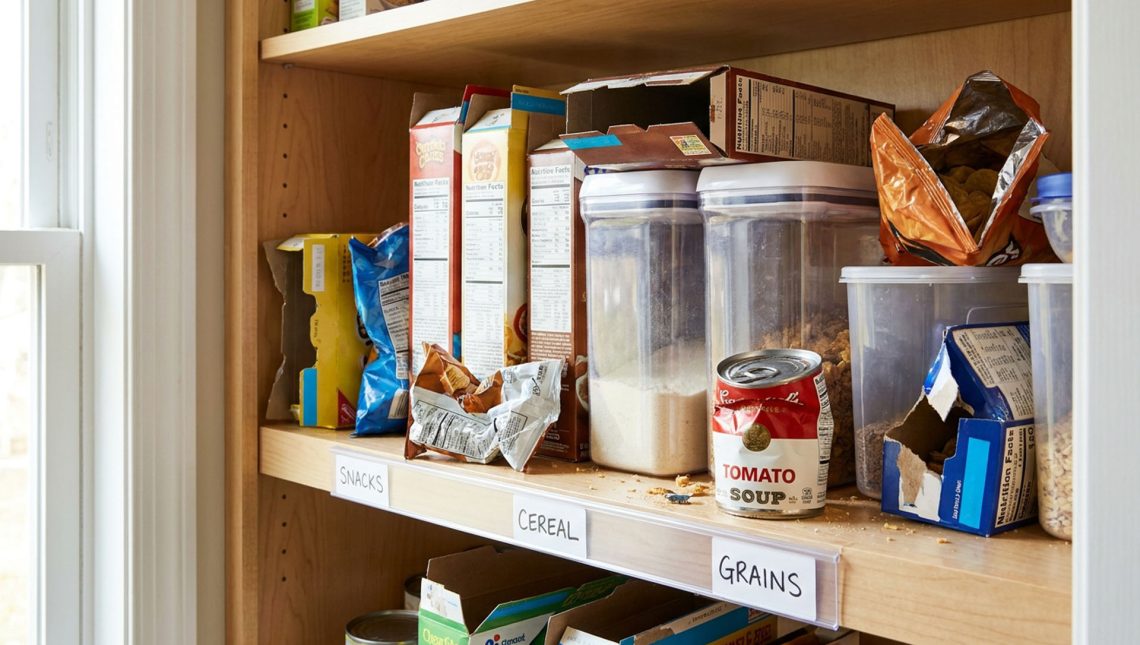
Cereal boxes are the classic pantry squatter because the box looks full for a long time after the bag inside is mostly crumbs. That makes breakfast shelves feel crowded in a typical American kitchen, and can obscure newer groceries behind food no one is actually eating. The smart clear-out: Open the box, check for freshness, pour usable cereal into a labeled airtight container, and toss the stale crumbs or recycle the empty box. It’s less about the panic of dates, more about reclaiming shelf space before the next grocery run stacks up more boxes on top.
Soft Chips and Crackers That Nobody Reaches For
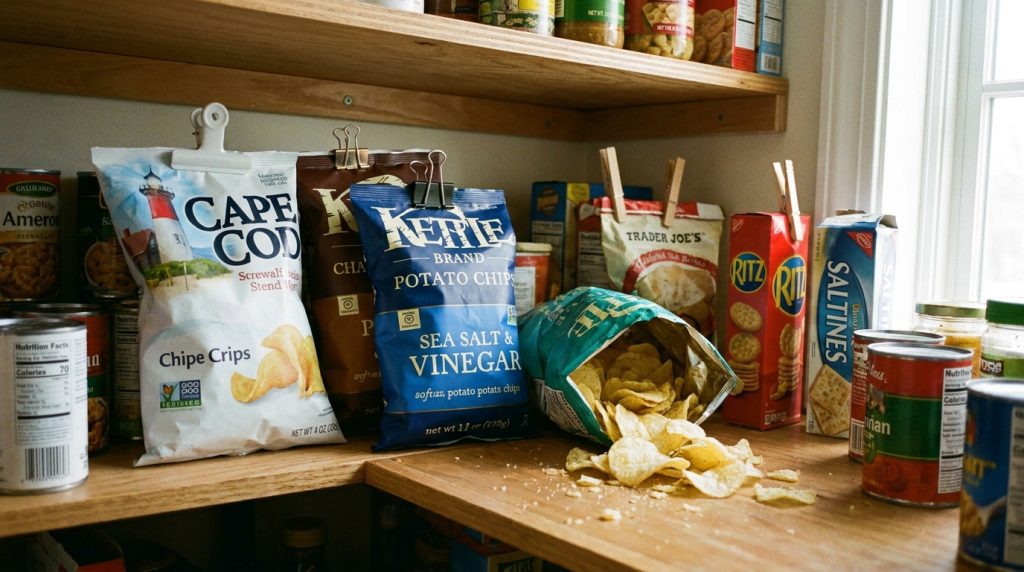
The snack shelf may be filled with food no one wants.
Soft chips and crackers can be sneaky because they don’t usually look dramatic. They just sit there, rolled up with a chip clip, hogging prime pantry real estate while everyone else reaches for something fresher. In many U.S. homes, snack clutter piles up after parties, school lunches, road trips and warehouse-store buys. Start with open bags, then decide quickly: eat it up soon, re-purpose stale crumbs for toppings if they’re still okay, or just toss it out. Buying bags of snacks you don’t want and stockpiling them doesn’t save money, it often hides the snacks your family actually likes.
Old Oils That Lost Their Freshness
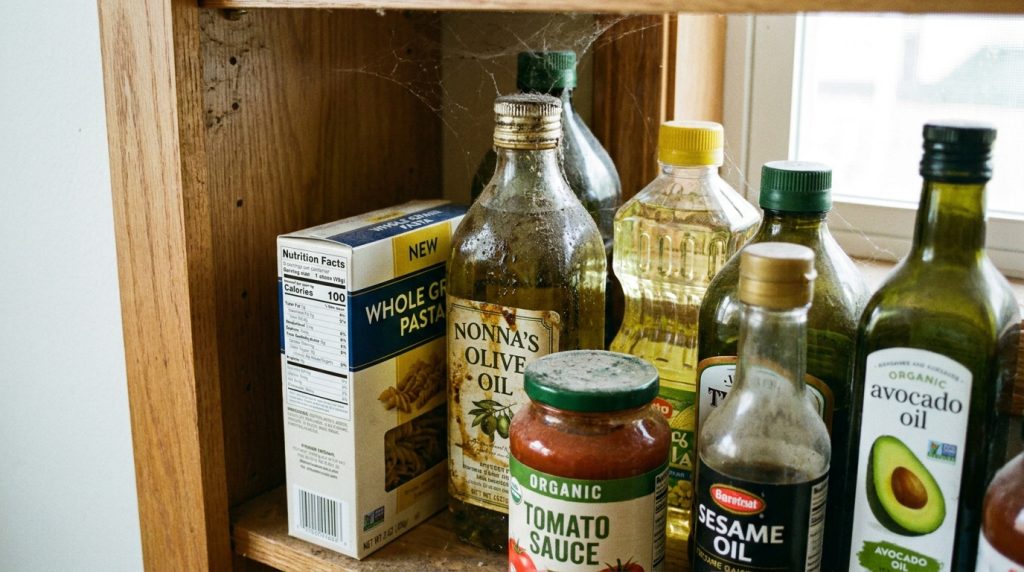
Old oil can ruin dinner before you see the shelf.
Sale bottles of cooking oil seem practical and it’s easy to overbuy, especially after a Costco run or holiday cooking season. But if oil is stored in a warm pantry and ignored, its smell and taste can alter. Check the date. Smell it gingerly. Look for sticky caps or dusty “backup” bottles that never rotate forward. Do a little inspection before keeping every bottle. In a normal American kitchen, a fresh everyday oil and a specialty oil are often better than a crowded set of mystery bottles. Cleaning out the old can make cooking taste cleaner and frees up a surprising amount of shelf space.
Spices That No Longer Smell Strong
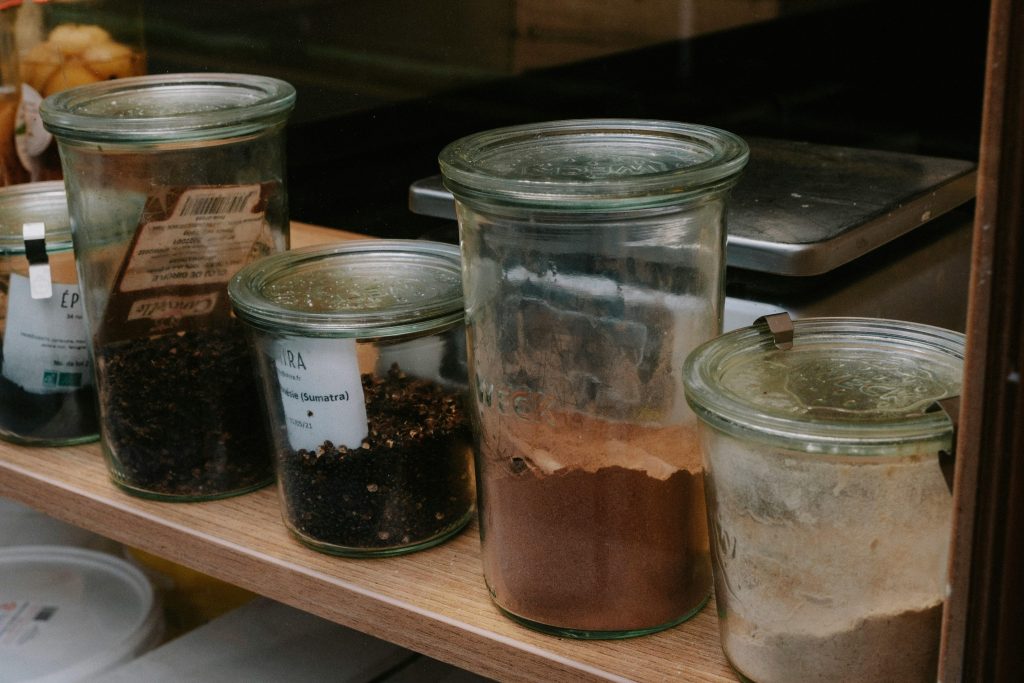
Your spice rack may be killing your food.
Old spices don’t generally announce themselves. They simply cease to function. Many U.S. kitchens have jars of paprika, Italian seasoning, cumin, pumpkin pie spice and grilling rubs that just sit around for years because the container still looks useful. Open each jar and sniff it. If the smell is faint, dusty or barely there it may be time to replace or use up quickly. Keep favorites where you can see them, note the month you bought it and don’t buy giant jars unless your family really goes through them. A smaller, fresher spice shelf can make weeknight food taste less like leftovers.
Unlabeled Containers That Turn Into Pantry Mysteries
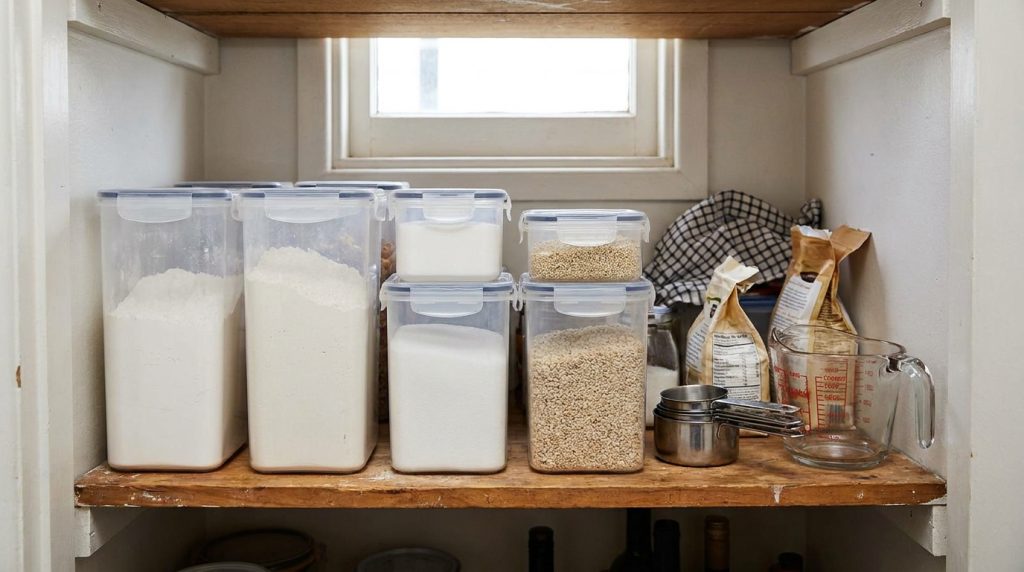
Pretty containers create a mystery shelf.
Decanted, a pantry is a quiet place, but unlabeled containers can go bad fast. A single clear bin of “white powder” in a busy American kitchen can be flour, powdered sugar, pancake mix, cornstarch, or something no one wants to risk using. The fix is to not throw away the containers but to label clearly with the item name and date. Keep cooking instructions or expiration info clipped, taped or written on the back label. A clean pantry should take decisions away, not add them. Mystery containers are worth clearing out before they become permanent shelf decoration.
Bulky Packaging Hiding the Food You Actually Own
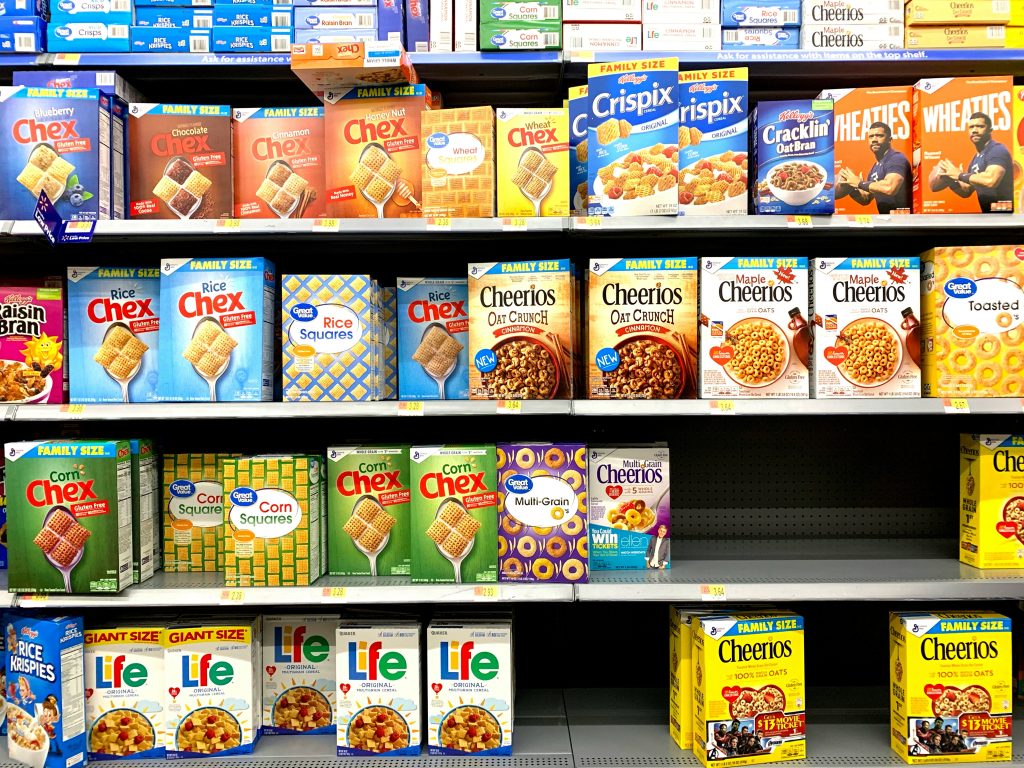
Your pantry could be filled with cardboard, not food.
Bulky packaging is one of the quickest ways to lose pantry space, especially after warehouse-store runs or back-to-school snack shopping. Even if a few packets are left, an outer box can be massive. That makes the pantry look stocked, but the useful food is buried, duplicated or forgotten in many U.S. homes. Once packages are individually wrapped, break down boxes. Transfer snacks to a labeled bin and keep the oldest items in front. This one tweak can make shelves look bigger without buying a single organizer.
Baking Supplies From One-Time Projects
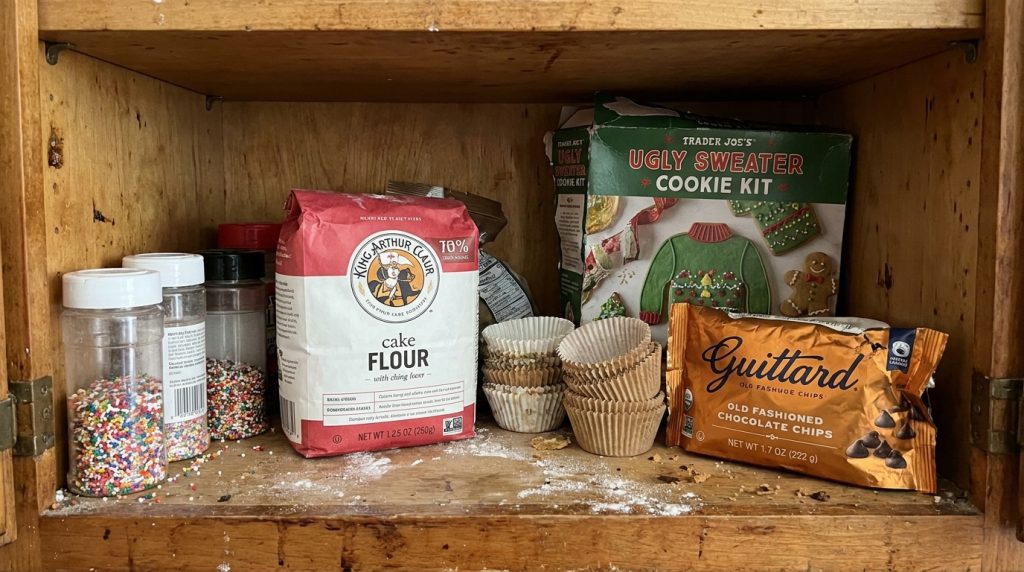
One recipe can make a year’s worth of clutter.
You buy special baking supplies and expect to use them, but they languish after a birthday, bake sale, Thanksgiving pie, or Christmas cookie weekend. Half-used bags of flour, coconut, nuts, sprinkles, chocolate chips and specialty sugars might fill an entire shelf in the average American pantry. Check dates, smell, texture and condition of packaging. Save what you will realistically use in the next month, put it all in one baking bin and get rid of the rest. Smaller baking zone means that it is easier to see what you really need before the next grocery trip.
Questionable Cans Worth Checking Before They Stay
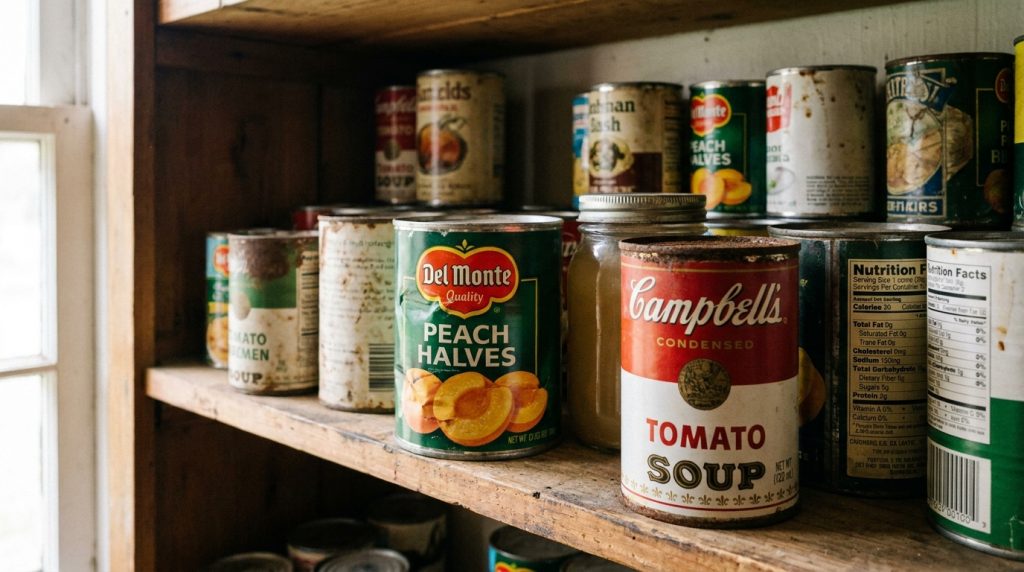
A dented can isn’t always just junk.
Canned goods are pantry workhorses, but a quick check is still warranted. In many U.S. homes, cans are stacked, dropped, pushed behind boxes of pasta or forgotten after a storm-season stock-up. Check for bulges, leaks, heavy rust or deep dents especially around seams. Don’t “check” questionable food by tasting it. If the cans are in good condition but nearing their best-before date, bring them to the front and plan a meal. The purpose of this slide is to be practical, not scary. The goal is to identify the few cans that deserve to be removed from trusted pantry space
Snacks Nobody Liked But Everyone Keeps Avoiding
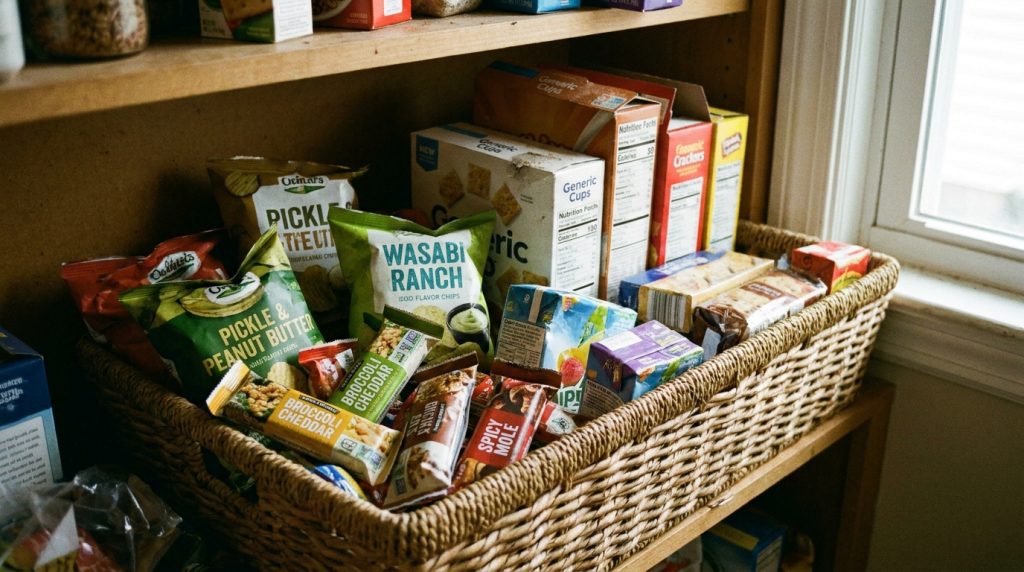
A full snack bin is still useless.
We all have them: protein bars we never liked, spicy chips bought on a whim, lunchbox snacks the kids turned up their noses at, or a “healthy” cracker that never got a second chance. Having them doesn’t increase their chances of being eaten. These foods take up space in the way of snacks that people actually pack in a U.S. family pantry, which can result in buying duplicates and more waste. If unopened and up to donation standards consider donating. If it’s open and unwanted, make a decision, don’t let the package sit around. A pantry is for storage, not a museum of grocery regrets.
Broken Small Appliances Stored “Just in Case”
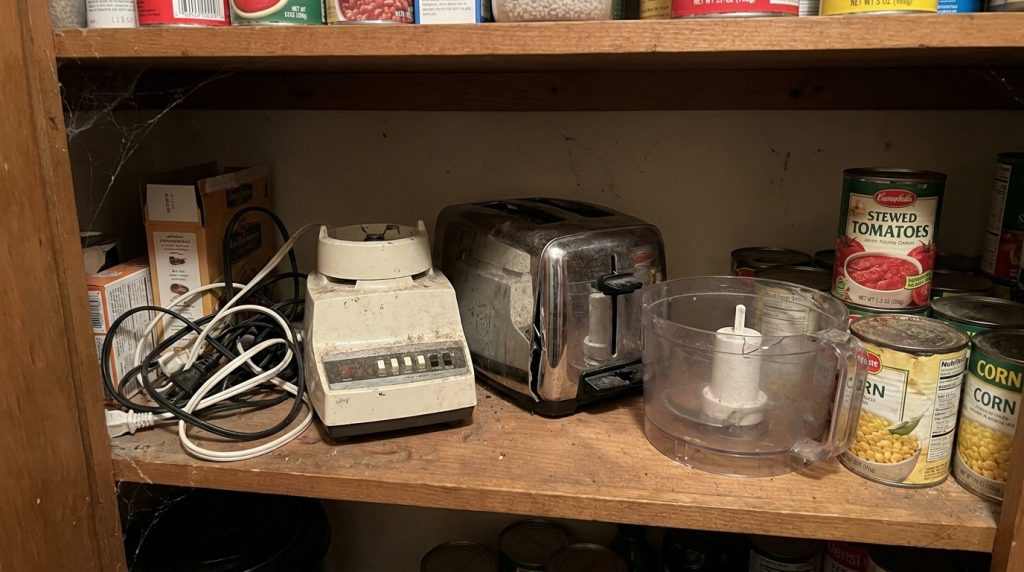
Maybe you have an appliance graveyard in your pantry.
Broken, missing parts, or replaced on sale. Small appliances often end up in the pantry. The problem is that temporary storage is not temporary. In many American homes and rental kitchens, a dusty blender base or old toaster can gobble up the space where canned soup, lunch snacks or baking staples should be. A simple rule: fix by a real date, recycle if possible, donate if it works, or get rid of it. Pantry space is too valuable to house appliances that are no longer useful for cooking.