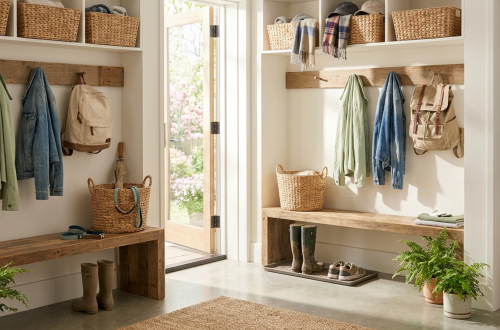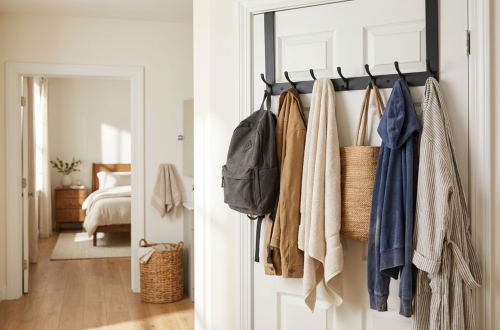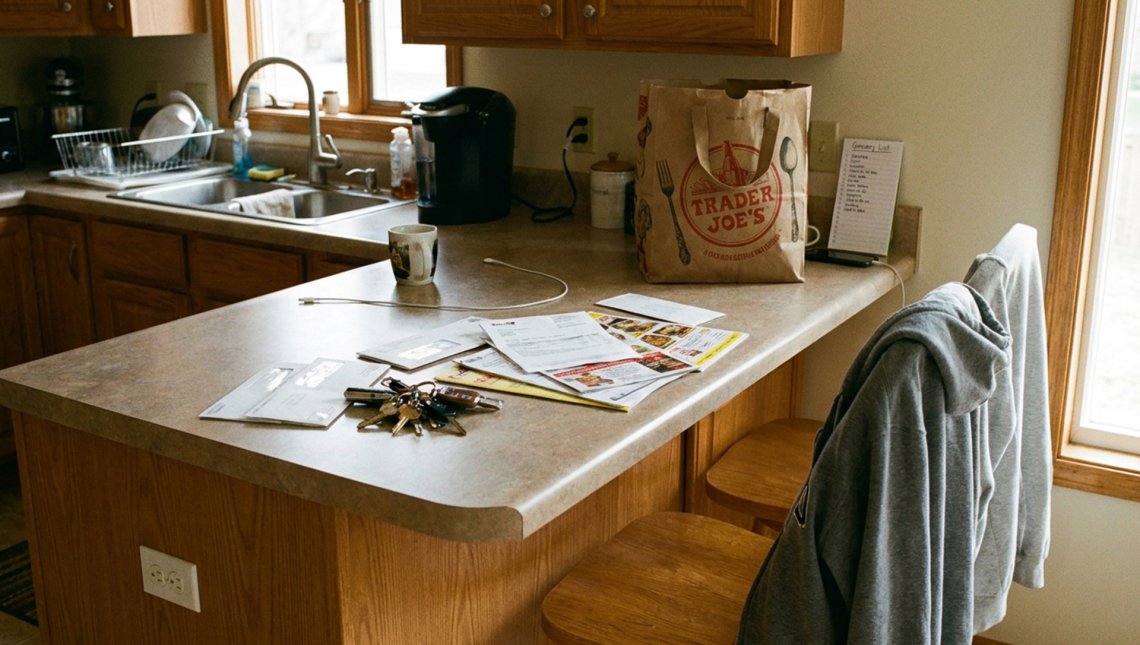
The aggravating thing about clutter is that it rarely comes all at once. It quietly accumulates in the countless American homes, in tiny, everyday drop zones: the chair that gathers laundry, the kitchen counter that collects grocery bags, the entry table that holds unopened mail, the pantry shelf where snacks gradually go out of style. The micro-reset method is designed to interrupt that build up before it starts to feel too overwhelming. Instead of long cleaning sessions, the idea is about quick, repeatable resets that make rooms feel calmer and easier to use throughout the week. From laundry nooks to crowded kitchen counters, these little changes can help de-clutter your eyes, cut down on time during busy nights, and make everyday spaces more manageable without making cleanup an all-day affair.The strange thing about clutter is it usually begins at the convenience point. A jacket drapes over the nearest chair after work, grocery bags sit on the counter for “just a minute,” unopened mail stacks up near the entryway because everyone intends to sort it out later. In many American homes, those little pauses silently become visual noise that makes rooms feel harder to use.The benefit of the micro-reset approach is that it doesn’t need the “all-or-nothing” mentality. The method is about small resets that prevent clutter from gaining momentum in the first place – not waiting for a free Saturday to do the whole house. Most resets take less than five minutes, but they work because they occur before the room begins to feel overwhelming.The surprising thing is that clutter creates more mental friction than physical mess. It’s much harder to cook with a crowded counter. A full chair can make laundry feel like it’s not done. A crowded entry table can be a rushed morning. It’s less about perfection and more about clearing away the little roadblocks people stop noticing during busy weeks.
Why the First Drop Zone Usually Controls the Whole Room
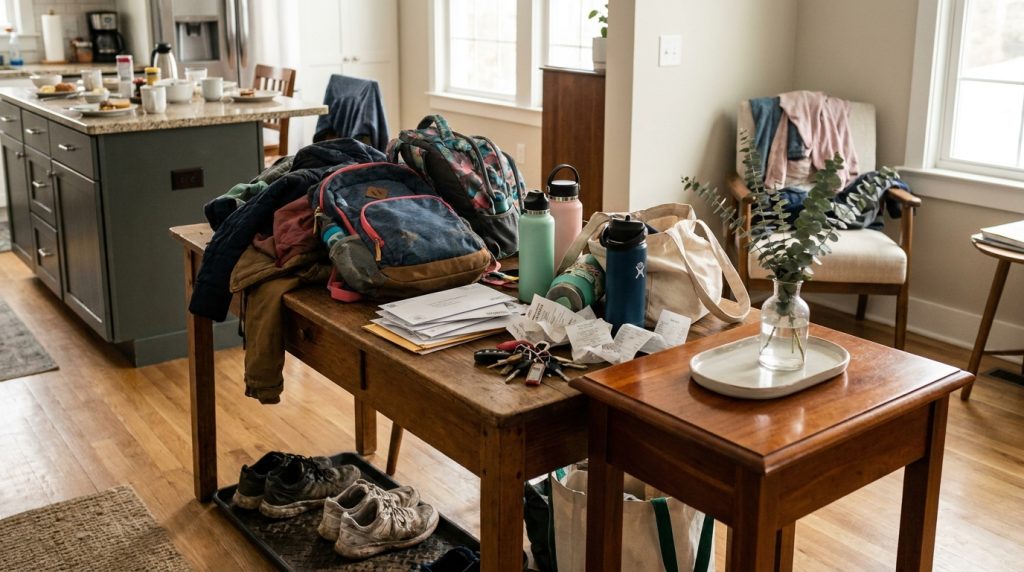
It’s a little detail that’s easy to miss until a surface starts collecting everything else. For many homes, the first clutter hotspot isn’t the closet or garage, it’s the landing zone that people use without thinking. Entry tables, kitchen islands, bedroom chairs and side counters often become temporary holding spots that gradually become permanent spots.The trick to the micro-reset method is to pick one “reset surface” instead of cleaning an entire room. If that one surface is cleared once or twice a day, there are fewer places for clutter to spread. A 2-minute reset at the front door can stop backpacks, shoes, receipts and jackets from floating further into the house later.What’s unexpected is how visual clutter changes the feel of a room even if the room itself is technically usable. Mornings can feel rushed with a lot of people at the entry table before anybody leaves the house. Simply by cleaning the top layer — throwing away junk mail, hanging up a jacket, moving a bag — you can make the entire area feel calmer right away.
The Chair That Quietly Turns Into a Storage Shelf
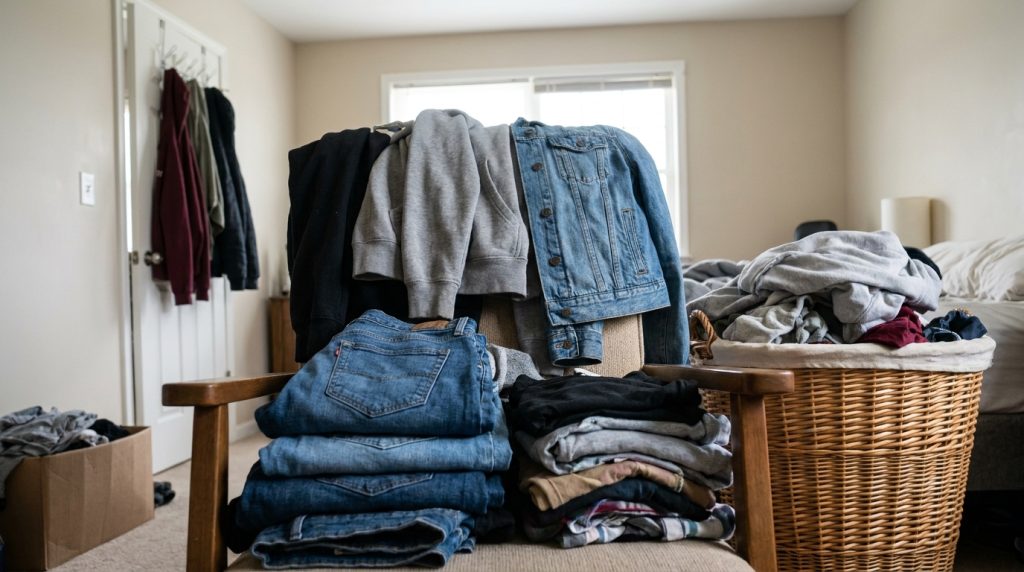
Most people only have the problem when they have lost the chair under the clothes.” In many U.S. homes, one chair quietly assumes the role of the backup closet during busy weeks. It usually starts with convenience; something is “not dirty enough” for the hamper, but not ready to return to the closet.The useful part of a micro-reset is reducing the pile of decisions before it gets too big. The reset isn’t a total overhaul of the bedroom, but it does mean clearing only the chair. Once the visible pile is reduced it’s easier to manage the room and you don’t have to deep clean anything else.The trick is not to build a perfect storage system overnight. A small basket for rewear items, a few slim hooks behind the door, or an easier-to-reach hamper can remove the friction that drives clothing buildup in the first place. In smaller apartments, these small adjustments often go a long way over big organising projects that are harder to sustain.What is often overlooked is that the visual “half-finished” clutter can follow people silently throughout the day. Even a cleared corner can enhance the light and function of the bedroom without a full reset of drawers or closets.
Why Kitchen Counters Fill Faster Than People Expect
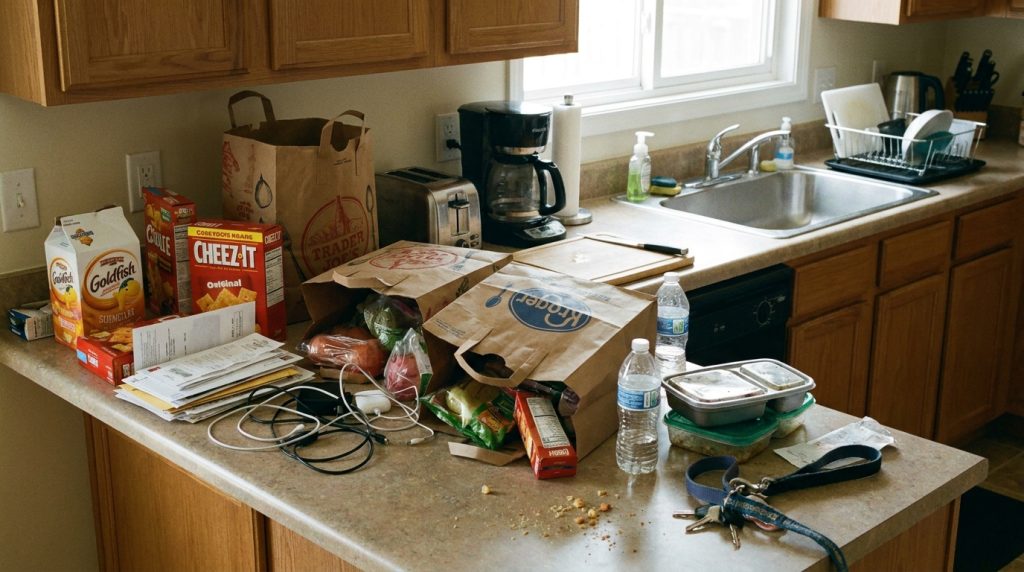
The clue often follows grocery shopping or busy weeknight dinners. Kitchen counters are one of the fastest places for clutter to accumulate because they are a hub for many daily activities: cooking, unpacking groceries, charging devices, sorting mail, and holding everyday items.The benefit of the micro-reset approach is to separate “active” items from “parking lot” items. Even a clean kitchen can feel crowded if one counter becomes a temporary storage area for random objects. A quick reset that just takes out non-kitchen items often makes the whole space feel fresher faster than cleaning every surface.The helpful trick is to always have one visible “empty zone” on the counter. In many American kitchens, having just one clear section near the sink or stove makes meal prep feel easier. When the counter is partially usable already, people are more likely to keep a space.The thing missed is that clutter propagates visually first and physically second. A few stacked snack boxes, crumpled grocery bags and stray receipts don’t take up much space, but together they can make the kitchen look busier than it is.
The Tiny Laundry Reset That Prevents Overflow Later
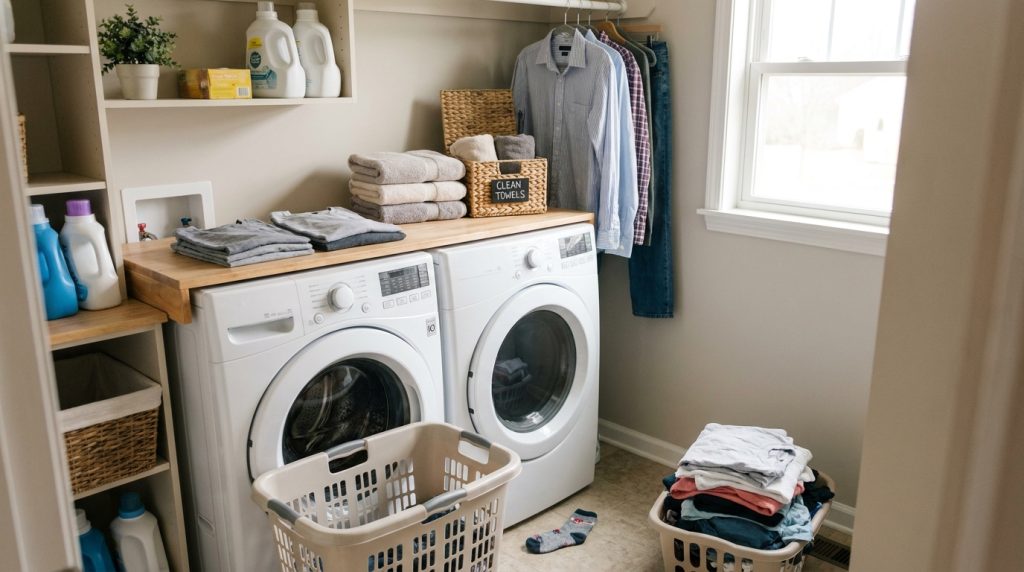
What seems like a slight delay can silently snowball come the weekend. The last step never seems to be done, so the laundry pile grows out of control. People plan to finish later, so clean clothes sit in baskets, socks wait by the dryer, or towels rest on bedroom furniture.The good news is that a micro-reset is really just about restarting movement. Folding five shirts or putting away one basket may not finish the whole chore, but it keeps the pile from feeling stuck in place. For many homes, getting the flow started is better than doing the whole job at once.The little set-up can make a bigger difference than people think. A basket for clean towels with a label on it, or easy access to hangers or a fold-up surface by the dryer can cut down on pause points that make laundry drag out during busy weekdays.What is surprising is the visual calmness that comes from reducing the overflow. Even just clearing part of the laundry area can help a room feel fresher and make it easier to return to the area later, rather than turning the task into an exhausting weekend catch-up project.
The Five-Minute Evening Reset That Makes Mornings Easier
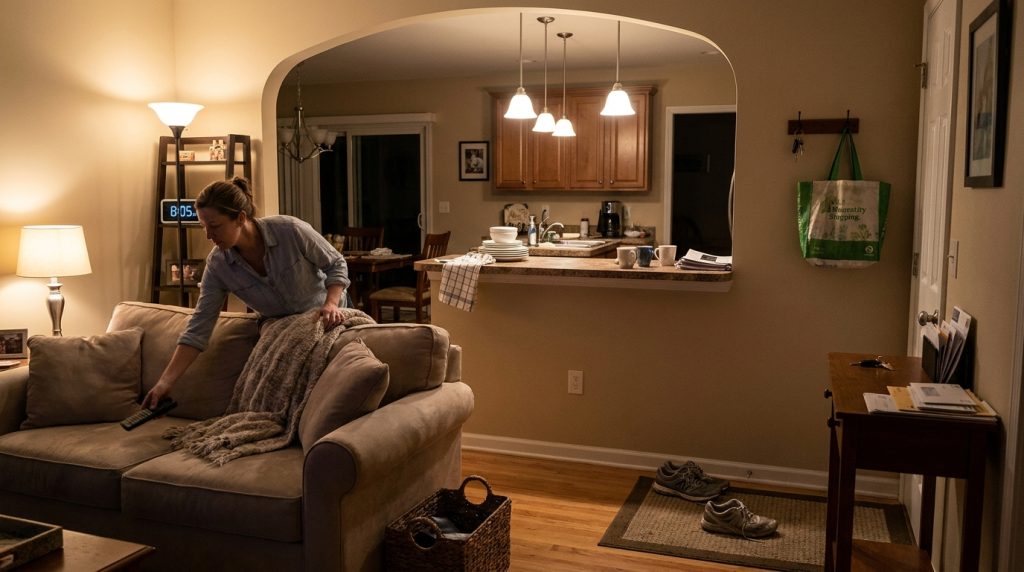
The useful part is not doing a full night time cleaning routine. The micro-reset is most effective when it is small enough to be repeated frequently. For many families in the United States, five minutes of intention before bed can save multiple rooms from looking like chaos the next morning.The trick is to only pick the highest-traffic areas. Straightening couch blankets, clearing one section of the kitchen counter or putting shoes back near the door often results in a stronger “reset feeling” than trying to clean the entire home at once.What is often forgotten is that mornings tend to inherit any friction the night leaves behind. A clear counter makes breakfast easier. Getting dressed is easier with an empty chair. A reset entrance makes it easier for people to get out without the need to find keys or bags.The good news is the room begins to work for the people again, instead of competing for their attention. That change is often more important than having the space perfectly organised.The good thing about the micro-reset method is that it doesn’t add another complicated routine to the week. It’s observing the small areas where clutter quietly begins to snowball. Those friction points are more easily reset and the whole home can feel calmer, lighter and easier to manage without having to make clean-up a full weekend project.