The linen closet in many American homes is a shelf of mysteries: fitted sheets without pillowcases, guest towels mixed with everyday towels, washcloths slipping behind bins, bulky blankets taking up space. New organizing tips and real community questions prove the same point: Most linen closets aren’t short on space so much as they’re short on zones. With these simple solutions, you can grab towels, sheets, guest linens, and little extras without a full closet reset every laundry day.
Bundle Sheet Sets Inside Pillowcases
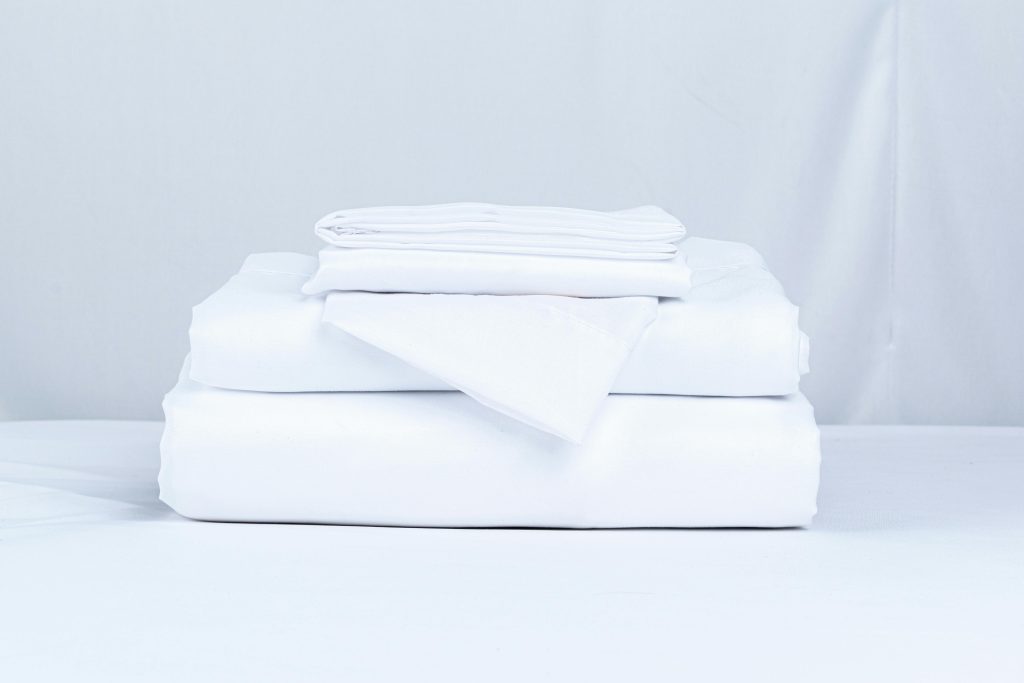
The set is sold in pieces, so your sheets may be a bit messy.
Many a US linen closet has sheets and pillowcases that separate after just one go-round in the laundry. Put a matching pillowcase on each set to create a grab-and-go packet for the pile, which is especially handy in homes where queen, full, twin, guest-room or kids’ bedding is all jumbled together. It also makes it clear when you’re missing pillowcases before bedtime becomes a scavenger hunt. Leave the bundle open and add a small size label if necessary and stack only two or three high so the bottom set does not get crushed or forgotten.
Separate Bath Towels From Hand Towels
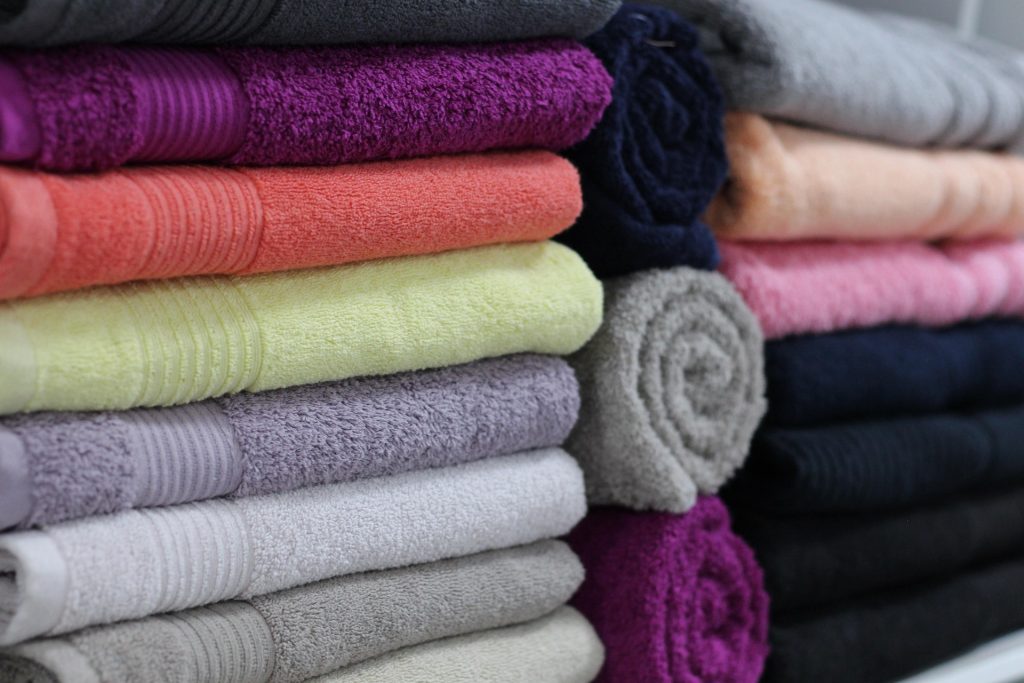
All sizes stacked together clutter the towel shelf.
Bath towels, hand towels and wash cloths all behave differently on a shelf. Bath towels need to be wide, hand towels get slippery if stacked too high, and washcloths disappear in the folds of larger towels. Separating them by size makes it easier for kids, guests, and rushed adults to use the closet without wrecking the whole stack. In a standard American bathroom closet, put bath towels in the widest zone. Put hand towels next to or above them. Keep washcloths contained, rather than loose. It also indicates whether the household has more towels than the real estate.
Use Bins for Small Linens
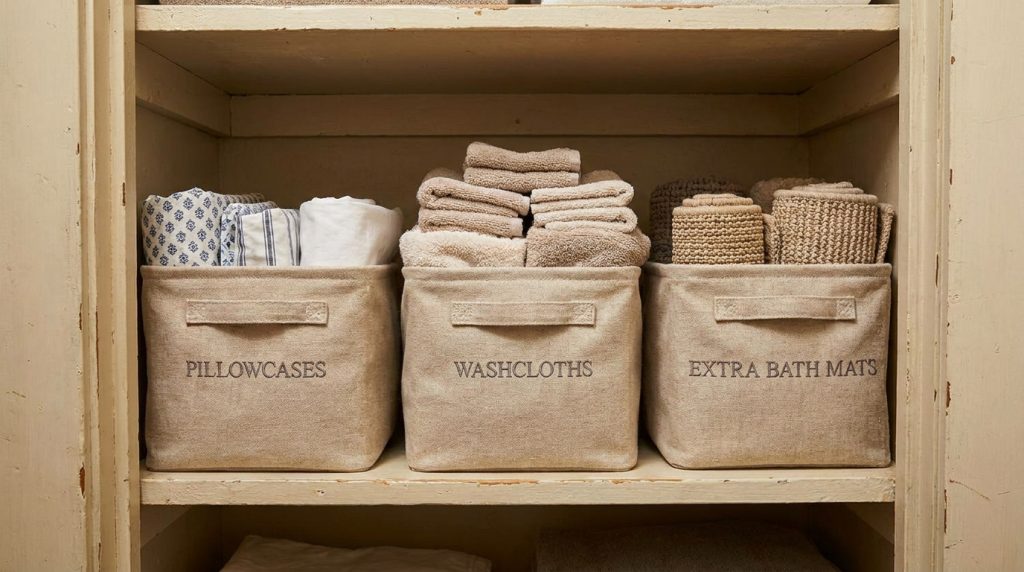
Loose pillowcases are closet clutter in sheep’s clothing.
In a deep closet, small linens are the first to go. Pillowcases end up behind towels, extra washcloths get tossed everywhere and bath mats get stuck under sheets. Containers give borders to those items. This is important in rentals, older homes, and tight hallway closets where shelves are deep but visibility is limited. Choose bins that come out easily, don’t stuff too much in them, and group by actual use: pillowcases, washcloths, bathmats, guest extras. Having bins that are clear or labeled also makes it easier to see when a household is buying duplicates they don’t need.
Label Shelves by Category
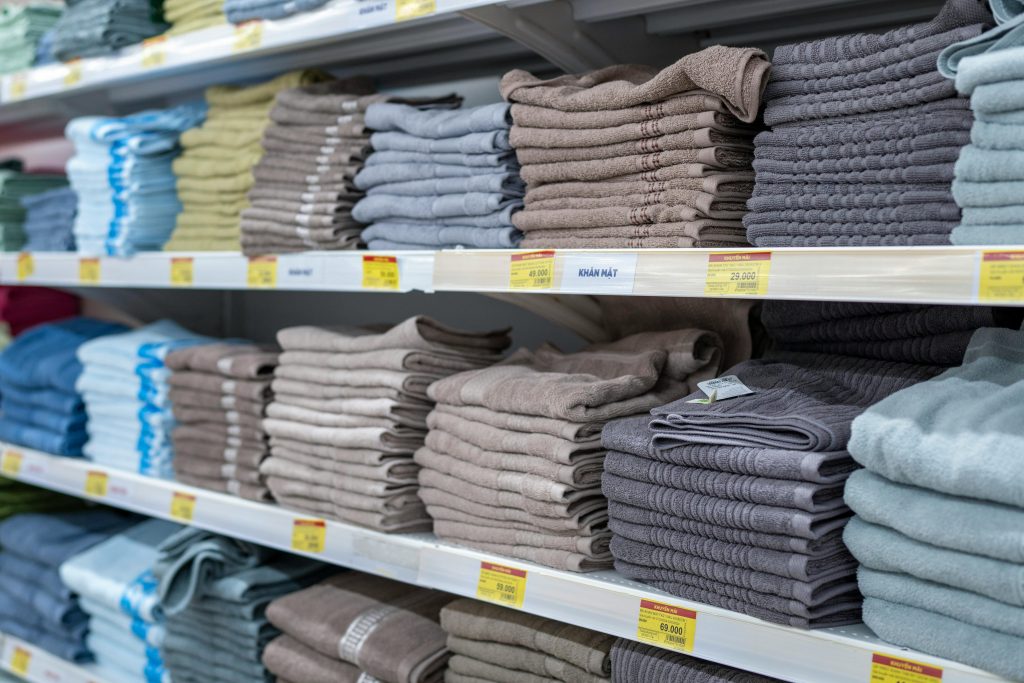
The closet would be unlabeled, not necessarily untidy.
If no one knows where things go, a linen closet can look neat on Sunday and fall to pieces by Wednesday. Labels are not just for picture-perfect pantries. They keep towels, sheets, guest bedding and extras from drifting into the wrong zones. You can save U.S. family homes, shared rentals and homes with visiting relatives from repeat sorting with simple labels like “Daily Towels,” “Queen Sheets,” and “Guest Linens.” Try using shelf edge labels, clip on bin tags or painter’s tape during the test phase before you buy matching labels.
Put Daily Towels at Eye Level
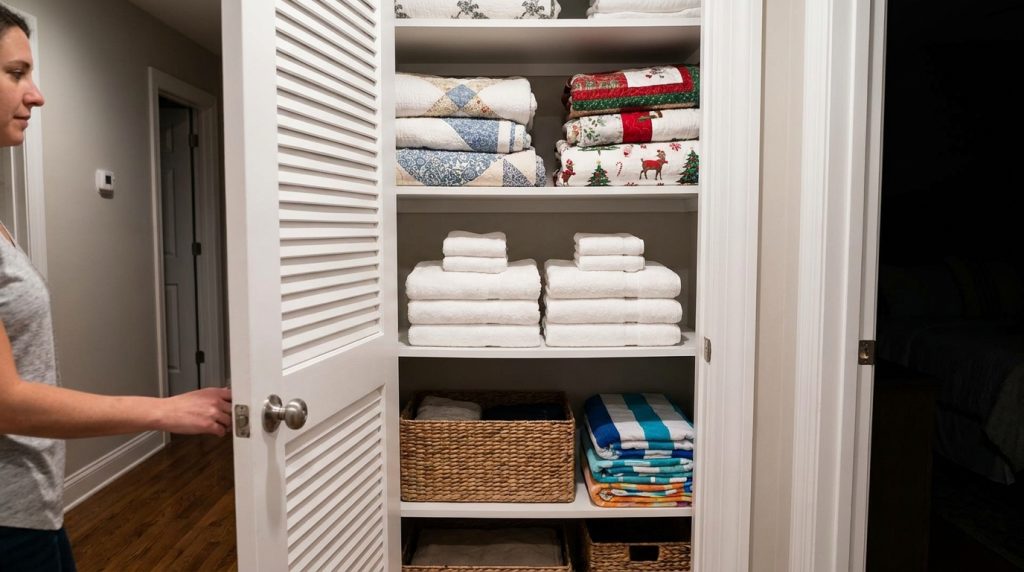
Your best shelf could be lined with the wrong linens.
Put daily towels where hands naturally land. Often that’s the middle or eye-level shelf. When everyday towels are too high, too low, or behind guest bedding, people tug at stacks, knock over folded sheets and leave the closet messier than they found it. This is especially true in homes with children, elderly relatives, or a narrow hallway closet where bending and reaching are awkward. Put the bath towels and hand towels you use most in the easiest zone, and put seasonal blankets, beach towels or extra sets for guests on the top or bottom.
Move Guest Linens Away From Daily Items
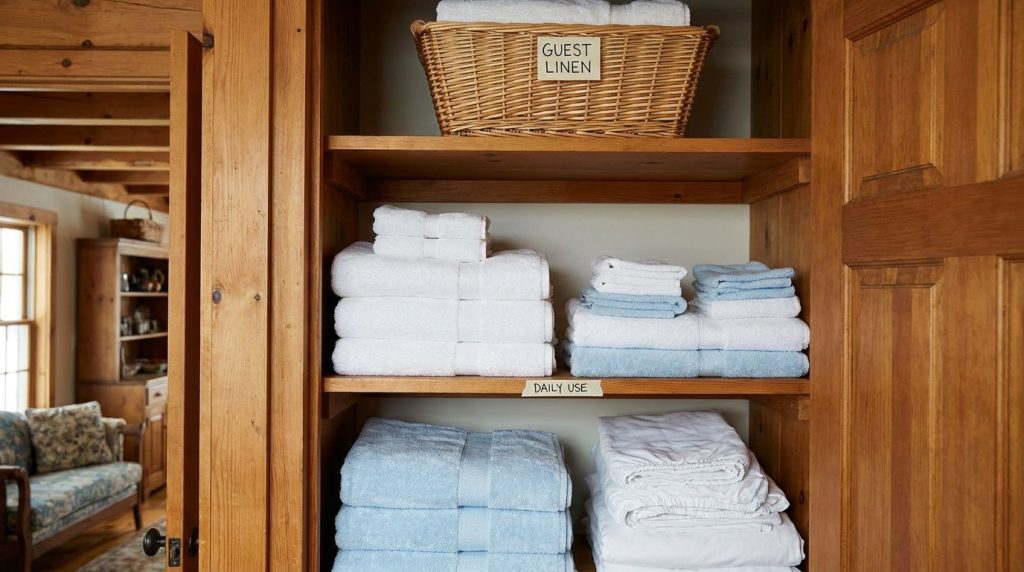
Guest linens can quietly take over the whole closet.
Guest linens are convenient, but they tend to claim the most convenient shelves, even when used a few weekends a year. Too many homes in America have extra pillowcases, guest towels, spare quilts, and sheet sizes that are rarely used mixed in with the daily linens, making every shower or change of the bed that much harder. Give guest items a labeled bin or less-than-prime shelf, such as the top shelf if it is accessible enough to be safe. Store a full set of guest items together for easy entertaining, but don’t let infrequently used extras take over the everyday towel zone.
Roll Washcloths in a Small Bin
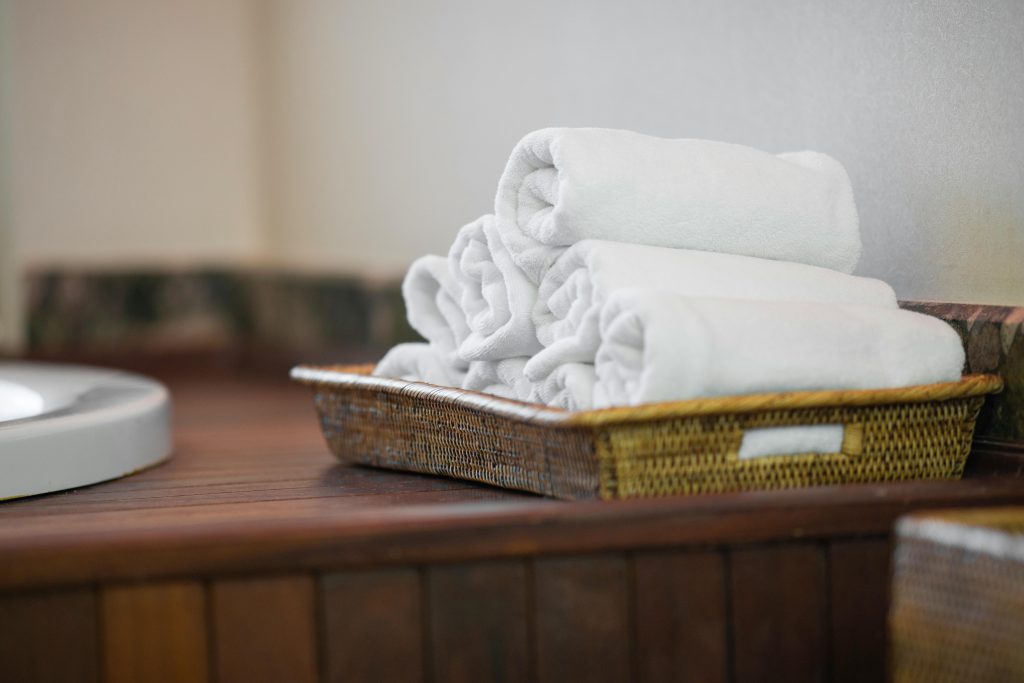
High stacks are too big for washcloths.
Washcloths seem innocent enough until they are the loose change of the linen closet. Stacks slide, kids pick from middle, smallest cloths end up behind bigger towels. Rolling washcloths and standing them up in a small bin makes the category easily visible and easier to restock after doing laundry. This is useful for suburban bathrooms, apartment linen closets and shared closets with multiple users. The roll itself is not the point, it’s the container that prevents each square of cloth from getting flat, dropping or getting mixed in with the hand-towel stack.
Store Bulky Blankets High or Low

One comforter can destroy three shelves.
Comforters, quilts, extra blankets and mattress pads take up more visual space than just about anything else in a linen closet. And they sit right in the middle and flatten down piles of towels, hide sets of sheets, and make the closet seem smaller than it is. Store bulky items high up if they are light and not used often, or low down if they are heavy and safer to pull out from underneath. Store in breathable bags, or spacious bins, labelled by season or bed size, where appropriate. In small U.S. homes, this one shelf move can make the daily linens feel new again.
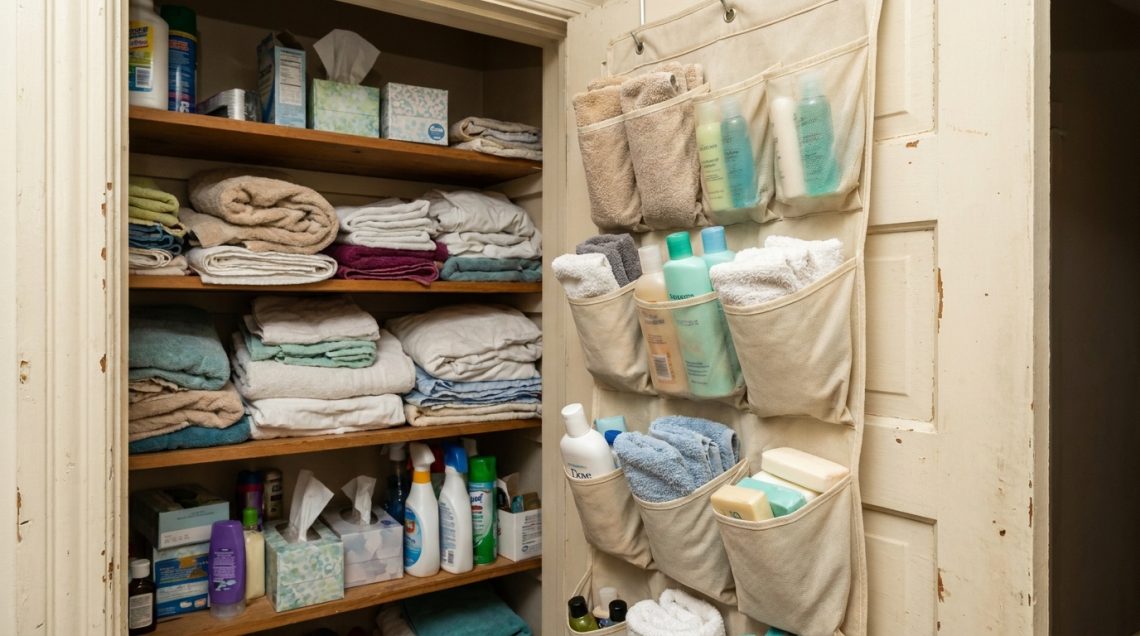
Use Over-Door Storage for Extras
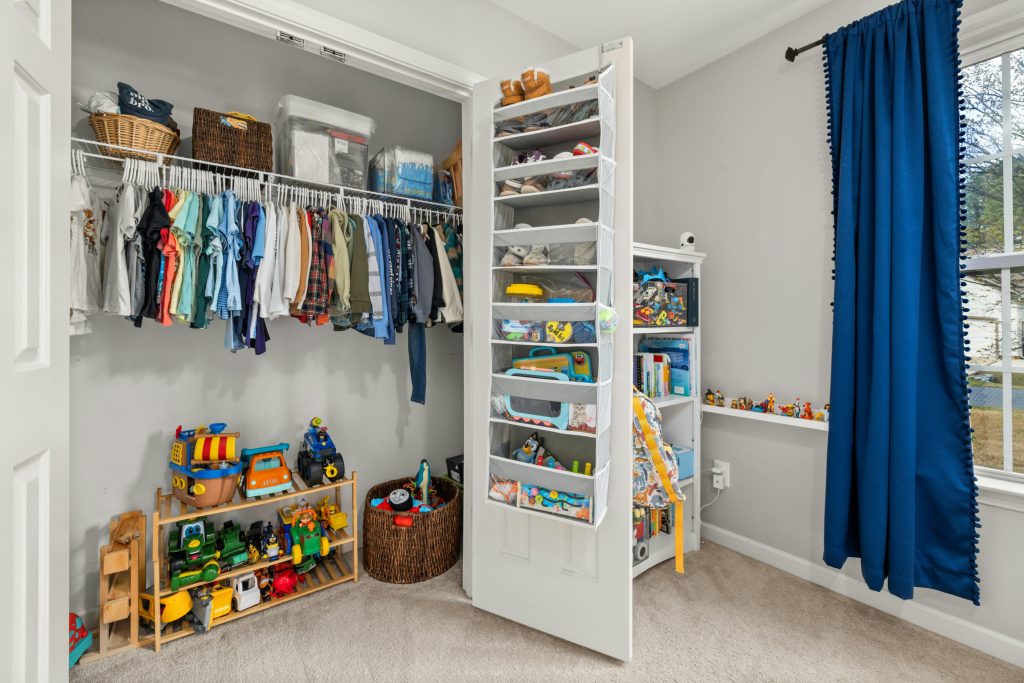
Your linen closet door might be wasted space.
Even in houses where every shelf is filled, the back of a linen closet door is often blank. Small extras like washcloths, travel toiletries, backup soap, pillow sprays, or guest bathroom supplies can be stored in an over-the-door rack or pocket organizer without taking up towel space. This is particularly useful for rentals and apartments, as there are many options that don’t require any drilling. Keep it light, don’t overload the door and go for transparent pockets or shallow baskets so you can see what’s inside at a glance. The idea is not to put everything in there, just the small things that tend to get strewn around.
Keep a Quick Restock Checklist

A closet will make you buy things twice.
A linen closet is both a storage space and a household inventory. Families often buy extra hand towels, pillowcases, tissues, soap or guest supplies without a simple list because no one remembers what is already hiding on the shelf. A small dry-erase board, clipboard or note card inside the door can be used to keep track of what is low and doesn’t need to be replaced. This is great for after a grocery run, before guests arrive, or during seasonal cleaning. Keep it short: towels daily, sheets for guests, washclothes, back-up toiletries and bulky bedding to wash or replace.