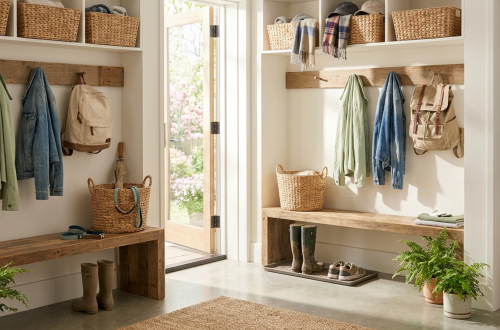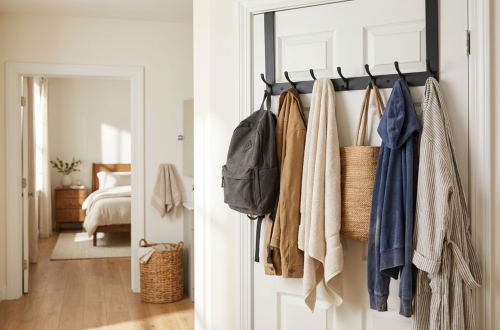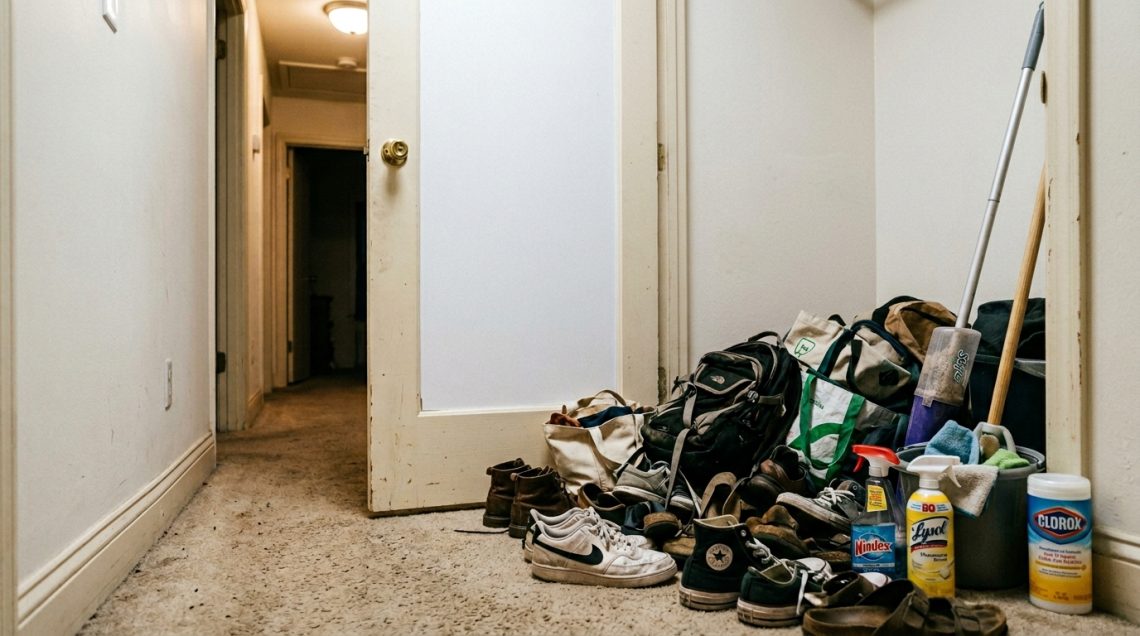
Not in a closet, a pantry or a cabinet is some of the most useful storage space in many U.S. homes. It’s hidden in the narrow spaces, bare walls, awkward corners and unused vertical areas people walk by every day. Doors, beds, cabinets, garage walls, laundry room corners and even the sides of furniture can quietly hold items that usually end up piled on counters, floors or entryway chairs. The trick is not to fill all the space but to learn how to make use of the forgotten areas while maintaining their cleanliness and accessibility. Such overlooked corners may help small homes, rental flats, suburban garages and busy family kitchens feel less crammed without buying more bulky furniture.
The Back of a Door Can Hold More Than People Think
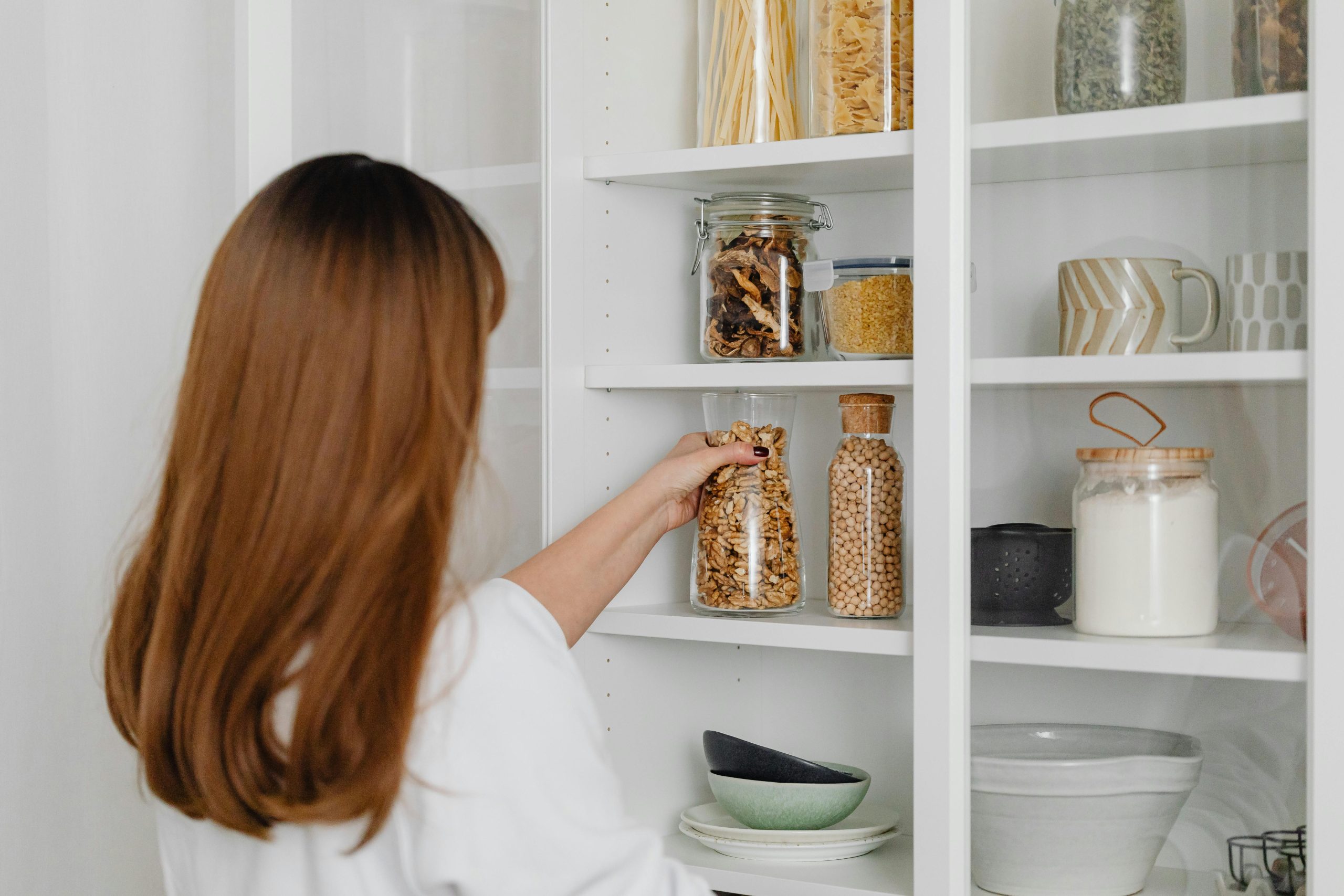
That empty door could be wasted storage space.In many U.S. homes, the back of a pantry, closet, laundry room or bathroom door becomes dead space even though it’s one of the easiest spots to use. Slim over-the-door racks can hold snacks, cleaning sprays, gift wrap, hats, pet leashes, extra toiletries or small tools without taking up any floor space. This works especially well in rental apartments as it generally avoids drilling holes. It is the error of stuffing it with heavy clutter until the door hangs badly or looks messy. A door, used lightly, can turn one flat surface into a narrow storage wall that disappears the moment the door closes.
Under the Bed Is Useful Only When It Stays Organized
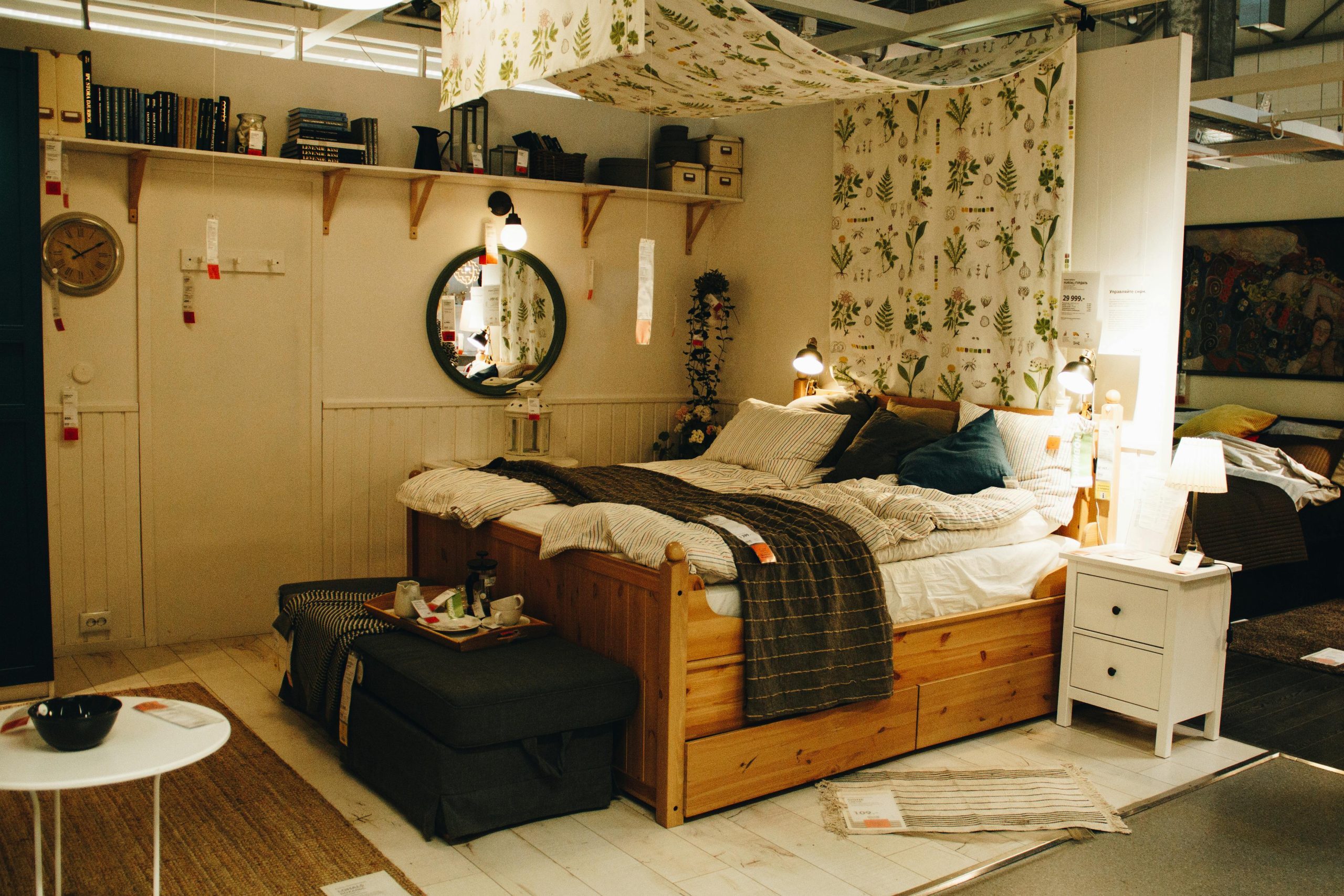
The space under the bed is square footage that can easily be wasted without you even realising it.One of the most neglected areas in small bedrooms, guest rooms and children’s rooms in homes across America is under-bed storage. It can be a great place for off season clothing, spare sheets, holiday wrapping paper, extra blankets or shoes you don’t need access to on a daily basis. The secret is to use bins that have low lids or zip cases so that dust doesn’t render the space a forgotten mess. Clear containers also solve the classic problem of buying duplicates because no one can remember what is stored in them. It can free up wardrobe space but only if it’s labelled, accessible and not so tightly packed that pulling out one bin is a chore.
Above Kitchen Cabinets Often Becomes Dust Space
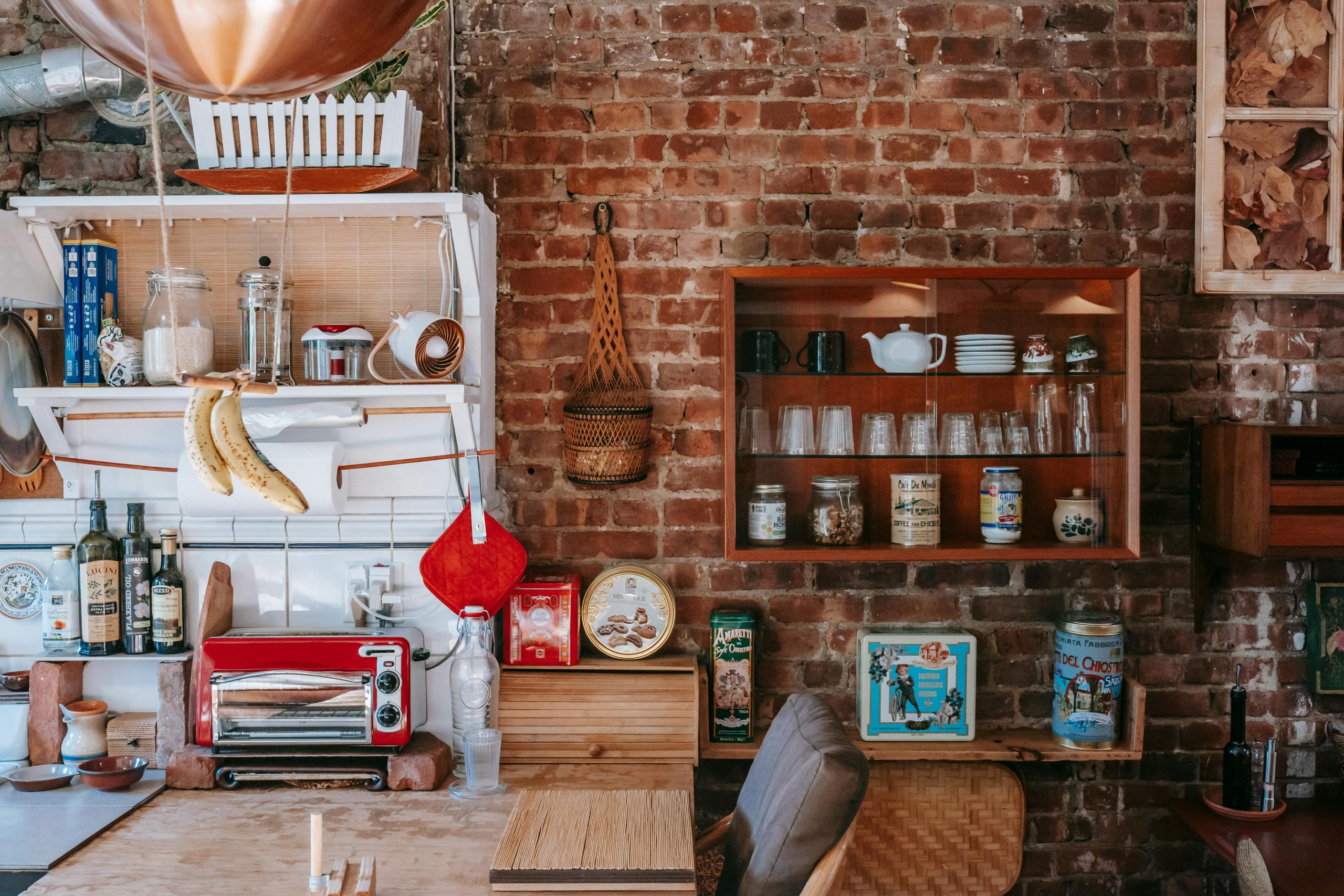
That barren stretch over the cabinets may be gathering dust, not solving storage woes.In lots of American kitchens, the space above the cabinets is either empty, or used for decorations, or turned into a dusty pile of stuff nobody wants to deal with. But with care, it can be used for storage of lightweight, seldom-used items, such as serving platters, picnic supplies, paper towels, party trays or seasonal kitchen things. Baskets or bins with lids. They prevent your space from looking cluttered and protect items from dust and grease. The mistake is putting daily cookware up there as step stools and awkward reaching make it annoying fast. This dead space, used for occasional items, can free up real cabinet space without crowding the counters.
Garage Walls Can Replace Floor Piles
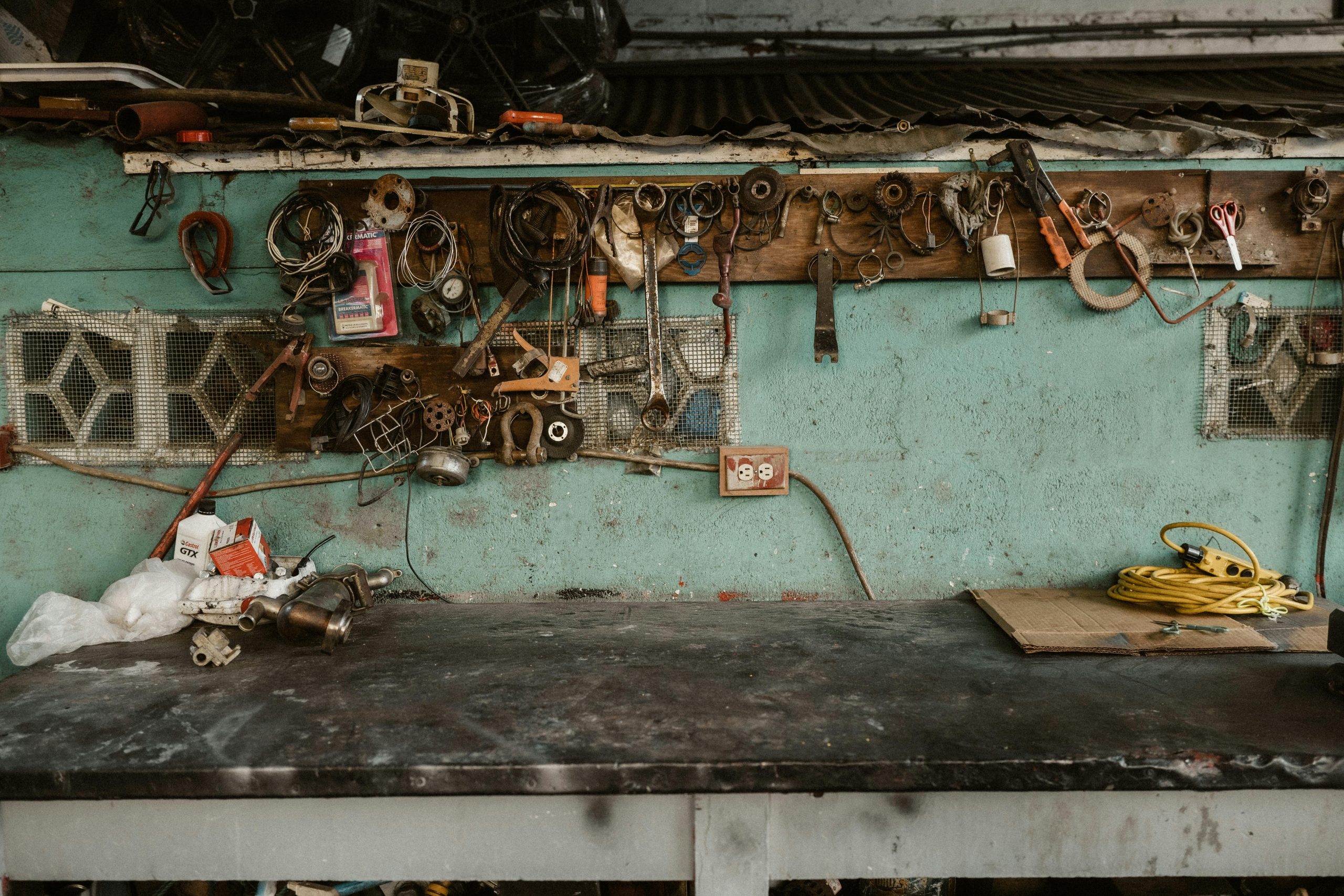
The garage floor gets the blame, but the real missed opportunity is the walls.In many suburban garages, bulky items like bikes, rakes, shovels, folding chairs, sports equipment, cords, and seasonal decorations slowly creep across the floor. Meanwhile the walls are still mostly empty. You can purchase wall rails, hooks, pegboards, and mounted shelves to keep awkward items off the floor and make the garage easier to walk through. This also helps people find tools faster, instead of digging through plastic bins. The weight warning: shelves and hooks should match the item and be securely installed into studs when necessary. Well-executed storage on a garage wall can transform a messy space into a functional system without a full-on garage remodel.
Laundry Room Corners Often Hold Nothing but Dust
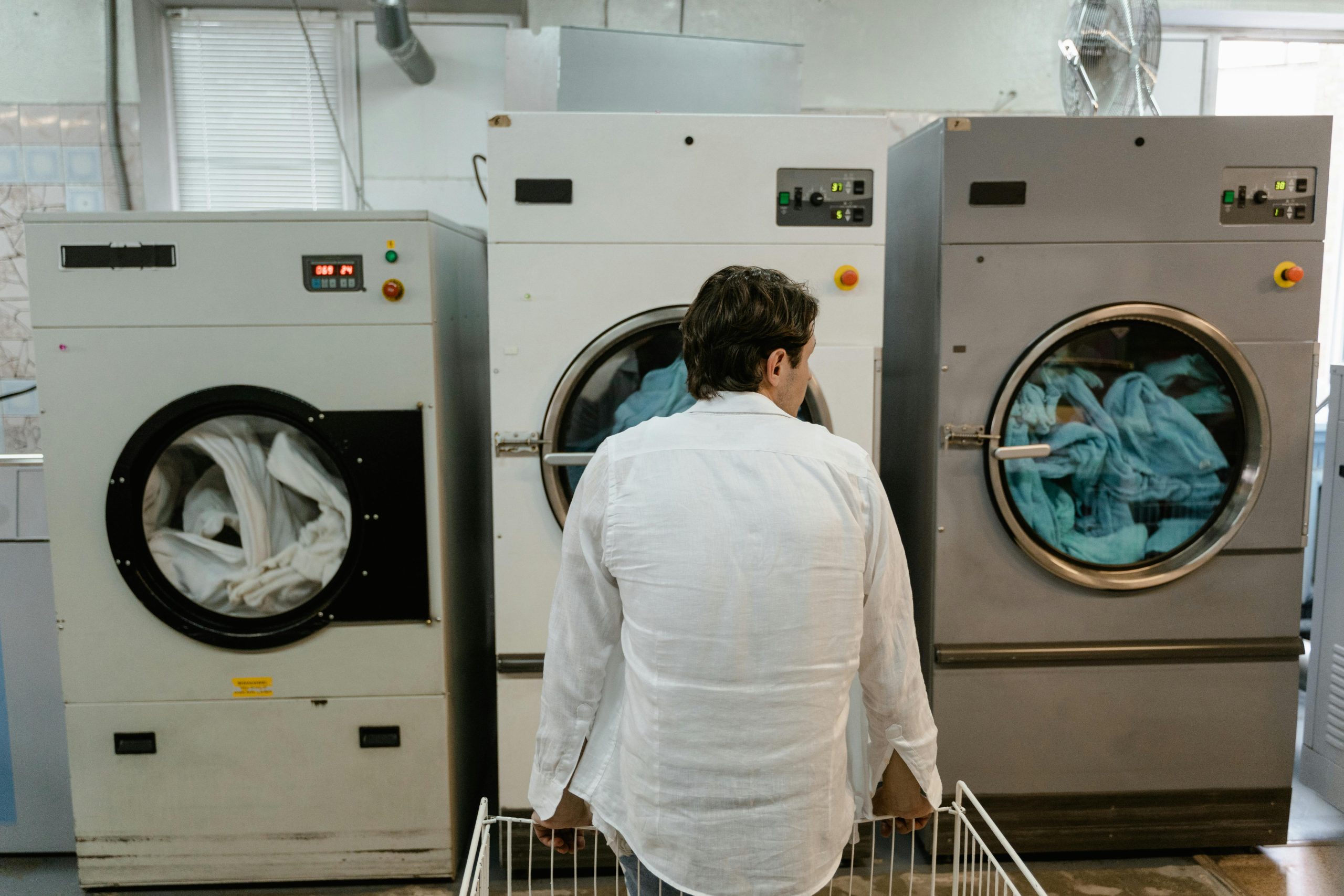
That skinny gap in the laundry room might be more useful than you think.These tight dead spaces are usually found around the laundry room in between the washer and dryer or wall or utility sink. These gaps are too small for normal furniture to fit in, so people just ignore them and let detergent bottles pile up on top of the machines. A narrow rolling cart can hold stain remover, dryer sheets, clothespins, lint rollers, cleaning rags, and extra soap and still be easy to pull out. This is particularly useful in apartments or older homes where laundry storage space is limited. The mistake is buying a cart before measuring the gap, with trim hoses and door swing. A few inches used wisely can make laundry feel less chaotic.
The Side of a Cabinet Can Become a Hidden Storage Strip
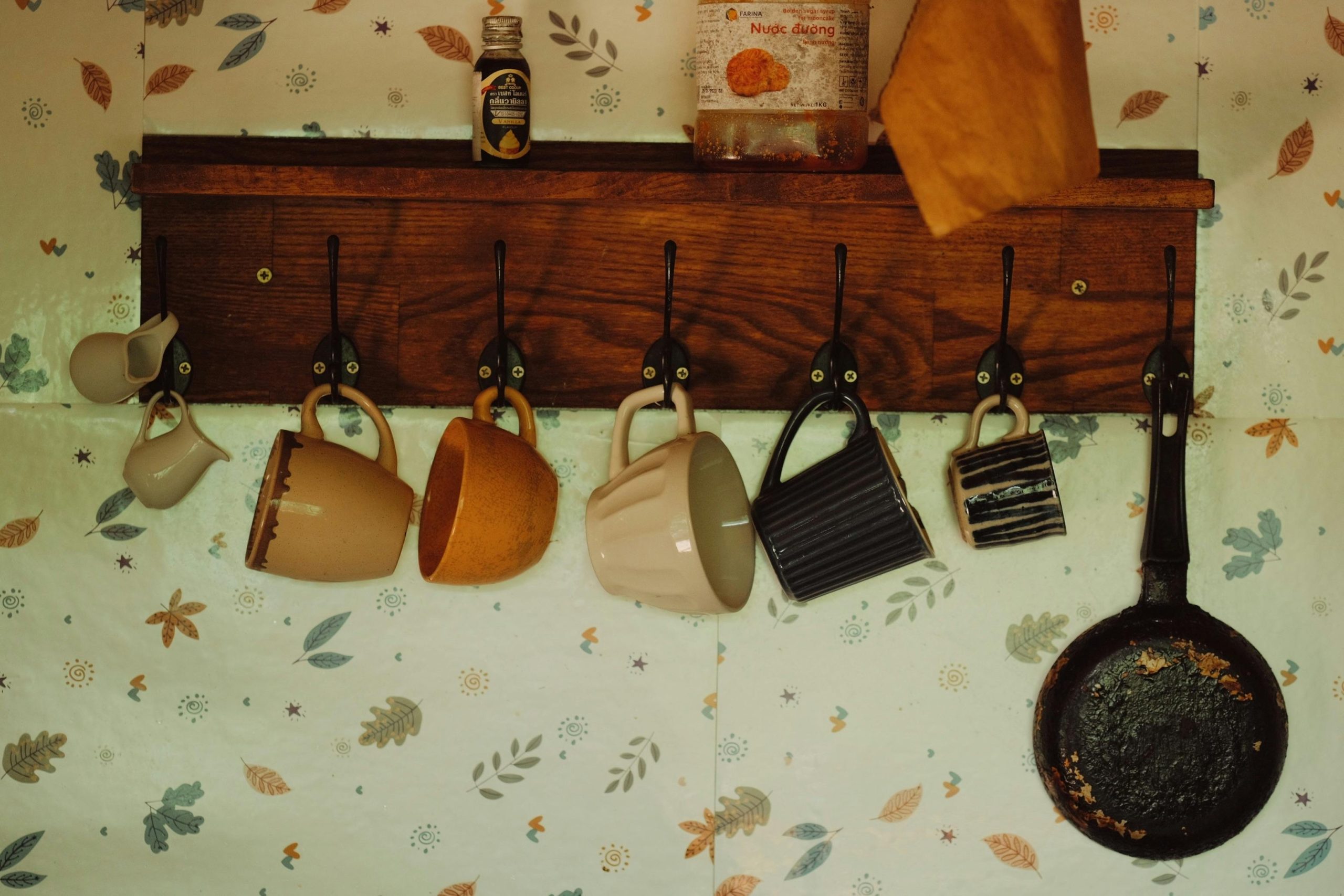
The side of a cabinet is probably one of the most overlooked surfaces in the kitchen.In a typical American kitchen, the inside of a cabinet, island or pantry wall is often left open while little things are stuffed into overstuffed drawers. Adhesive hooks, magnetic strips, slim racks or mounted holders can be used to store measuring spoons, reusable grocery bags, oven mitts, cutting boards or lightweight cleaning cloths. This is most effective on slim and visually tidy items and not on bulky items. Removable options can help prevent damage in rentals but weight limits still apply. The bonus is convenience: small things used often can be kept close at hand without cluttering the counter. It’s the dead space that seems invisible until it starts to save drawer space.
Bathroom Walls Above the Toilet Are Often Underused
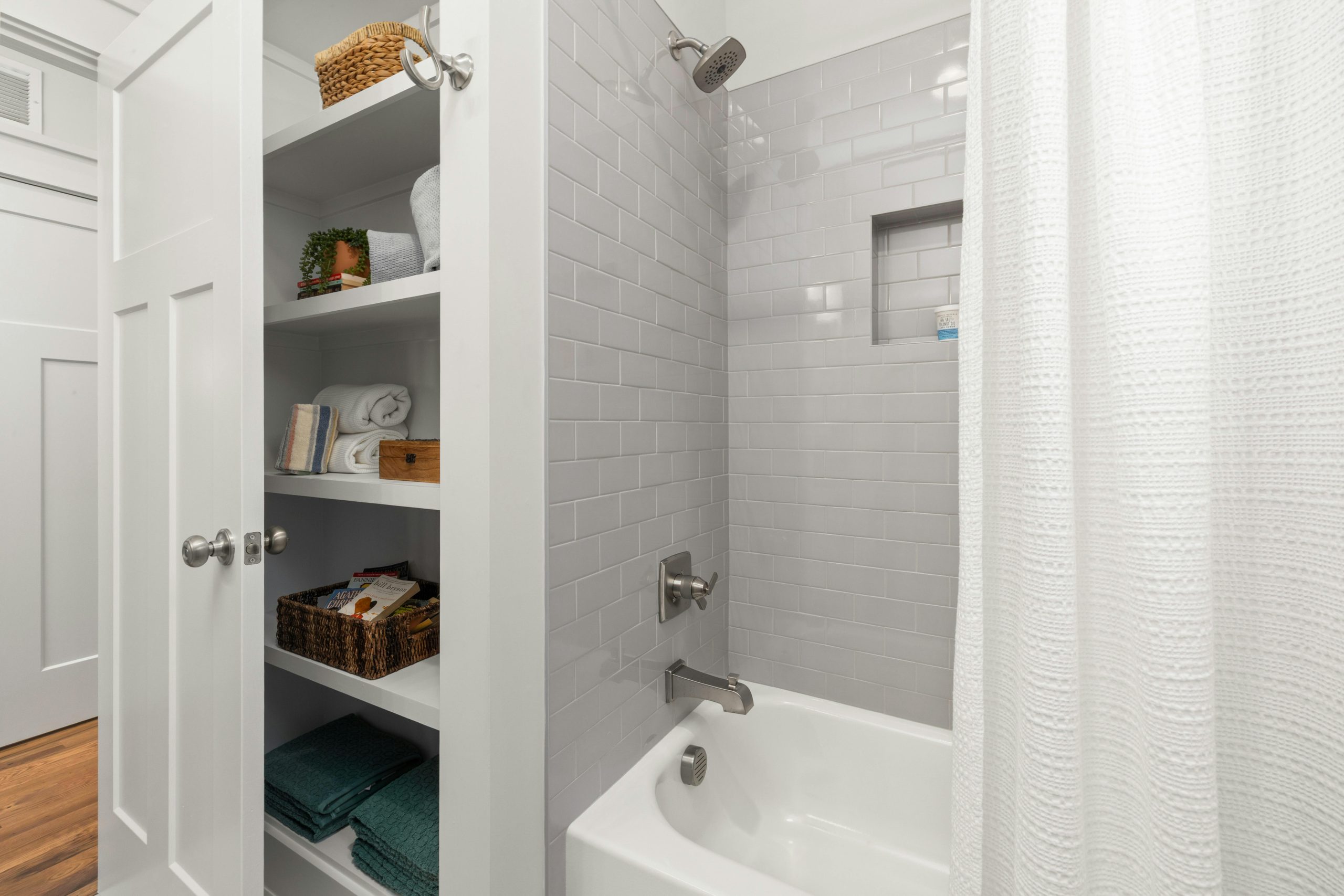
In small bathrooms, the wall above the toilet is often wasted.In small bathrooms, rental apartments and older suburban homes, the space above the toilet often goes unused, while towels, toilet paper, hair tools and extra soap clutter cabinets and counters. Install a narrow shelf, wall cabinet or basket system to create useful storage in that blank space. The trick is to keep it light, clean and accessible. It can be annoying and risky to have heavy glass jars or unstable stacks in a busy bathroom. Closed baskets can hide visual noise, while open shelves are better for things that look neat, such as stacked towels or spare rolls of toilet paper. This dead space can instantly make a bathroom feel more open.
Entryway Corners Can Stop Clutter Before It Spreads
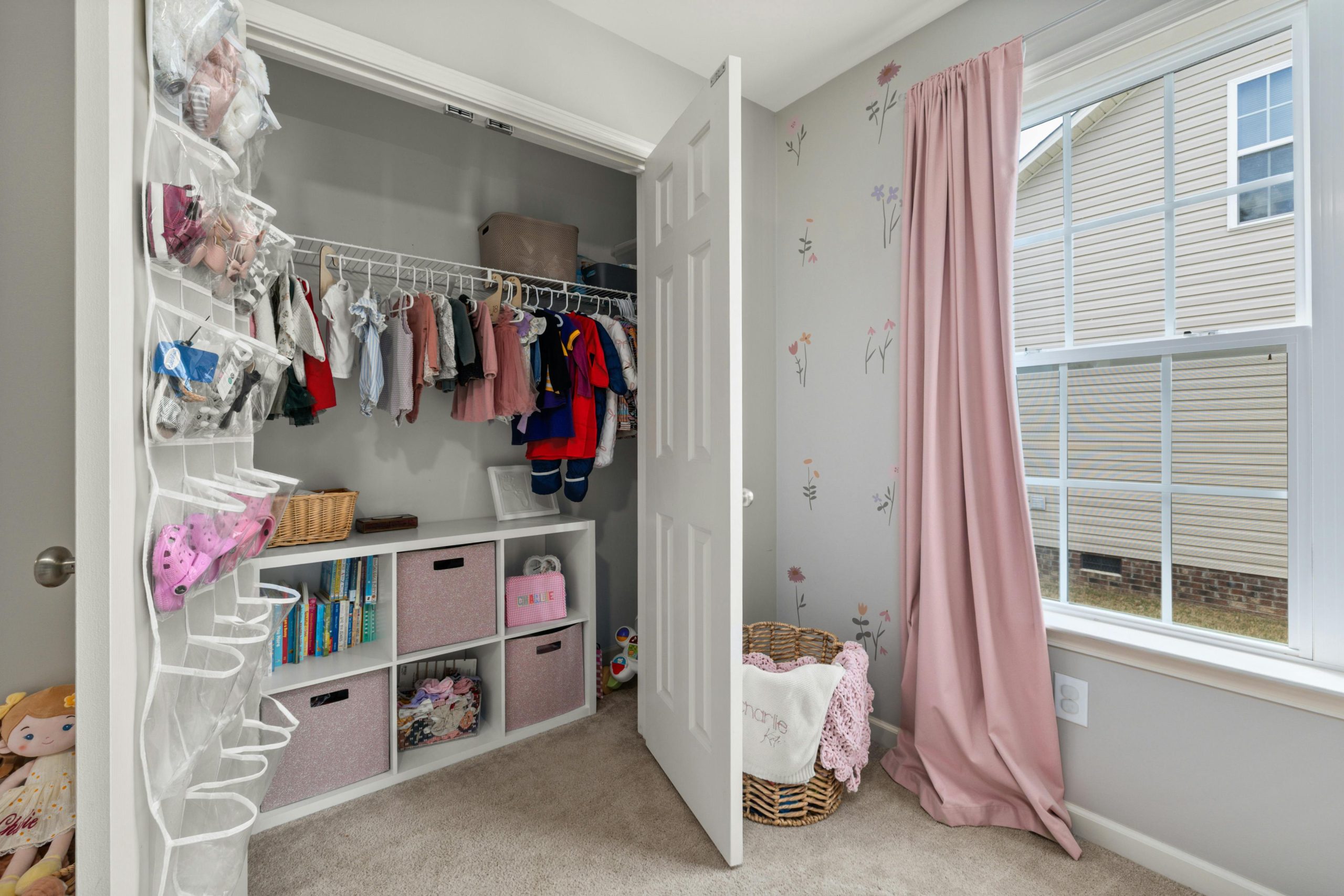
Entryway clutter often starts because there is no purpose to one small corner.In many U.S. homes, the entryway is where shoes, bags, keys, mail, dog leashes, umbrellas and reusable grocery totes land. Without a storage system, those objects tend to migrate to chairs, kitchen counters or stairs. It might be a small corner shelf, wall hooks, a shoe tray, or a slim bench to mark a spot for daily necessities without a full mudroom. This is especially useful in apartments, townhomes and homes without large foyers. The mistake is to make the drop zone too big, which invites clutter. A simple, neat setup can stop mess at the door before it travels through the house.
High Wall Space Can Store Seasonal Items Without Crowding Rooms
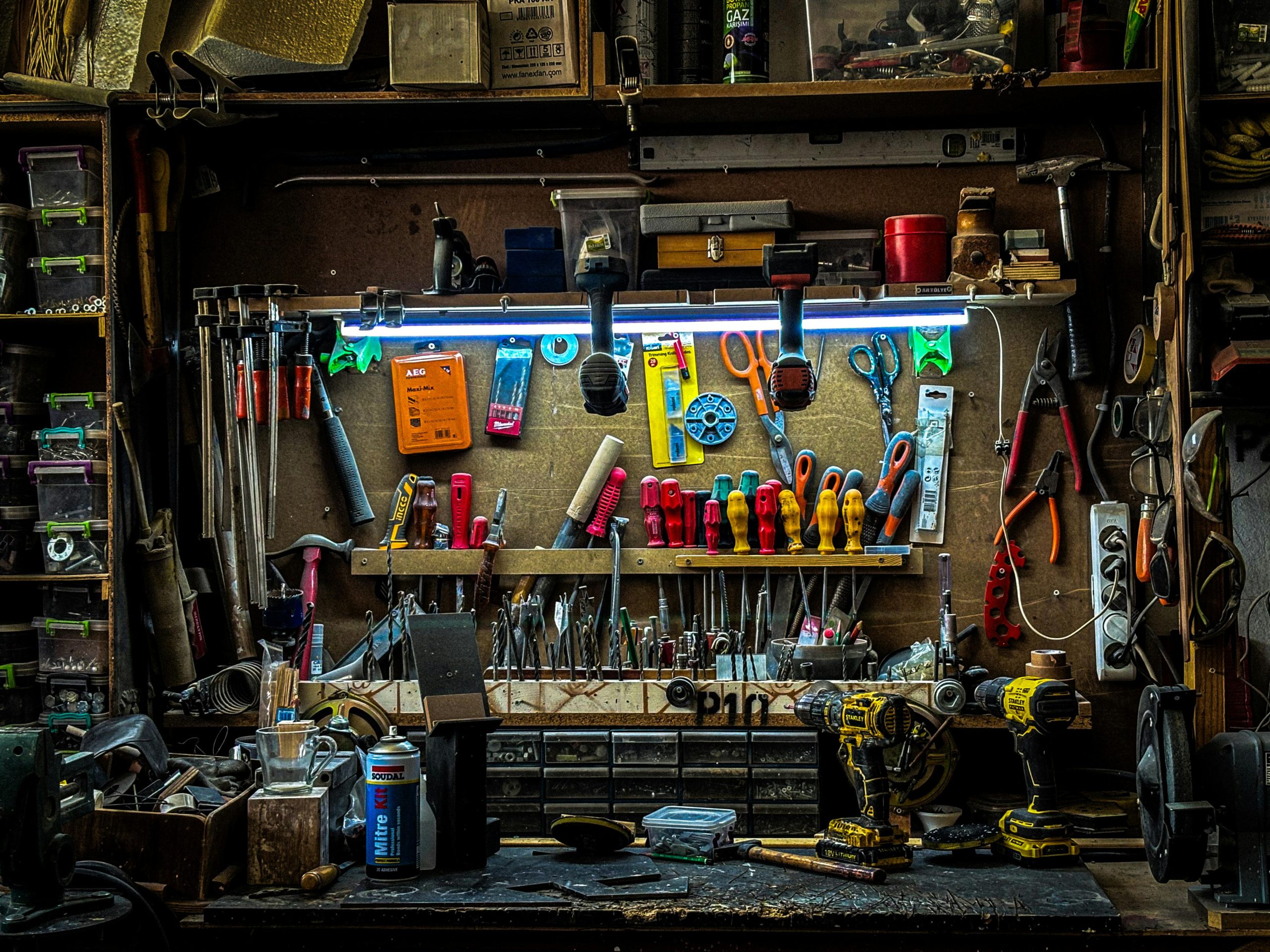
Some of the best storage space is above where people usually look .Often people forget the high wall space in garages, basements, laundry rooms and utility closets, first thinking of cabinets and floor bins. But wall-mounted shelves near the ceiling can hold holiday decorations, camping equipment, seasonal sports gear, extra paper goods or keepsake boxes you don’t need on a weekly basis. The payoff is floor space: fewer bins stacked in walkways, corners or closets. Safety is the caution. Do not store heavy items overhead unless the shelving is rated and installed properly. Labelled, lightweight bins are best. This dead space quietly can hold the things that usually make storage rooms feel crowded.