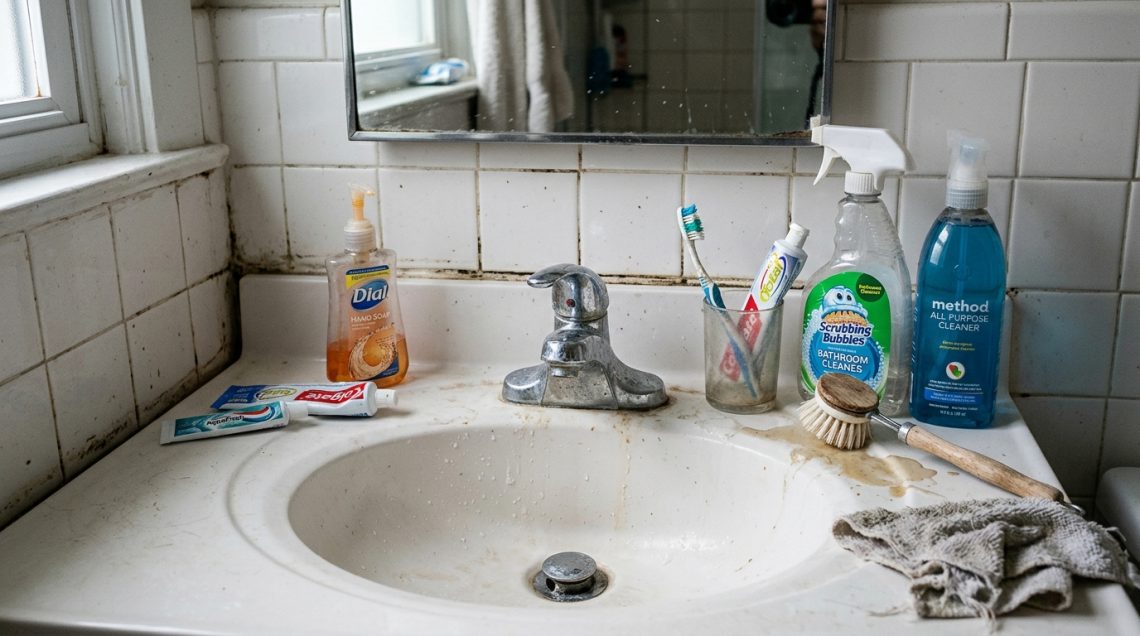
Some bathroom stains aren’t really ‘new’ stains — they are often the same problem reappearing because one small cleaning habit keeps leaving behind moisture, residue, soap film or hidden buildup. In many U.S. bathrooms, the toilet ring, cloudy shower glass, yellow caulk line, rusty drain mark or dirty grout don’t necessarily signal someone’s failure to clean. It may mean the wrong cleaner, the wrong timing or wrong spot is ignored. These common bathroom habits can quietly cause stains to come back faster, waste cleaning supplies and turn a simple weekend wipe-down into the same frustrating chore every few days. And most people see the stain, not the habit that supports it. Many U.S. bathrooms get the same toilet ring, pink shower film, cloudy glass or yellow caulk line over and over again because the surface was cleaned, but the stain source was left behind. That’s the frustrating thing about bathroom cleaning: the room looks fresh for a day, then quietly looks dirty again before the week is out. Often the repeat pattern contains the clue. If the same stain keeps coming back in the same corner, around the same drain, along the same grout line or under the same bottle, it often means water, residue, minerals, soap or product buildup is staying in that spot longer than people realise. Cleaning harder isn’t always the answer. In lots of bathrooms, smarter cleaning starts with noticing what keeps touching the surface after the sponge is gone.
Spraying Cleaner and Wiping Too Fast
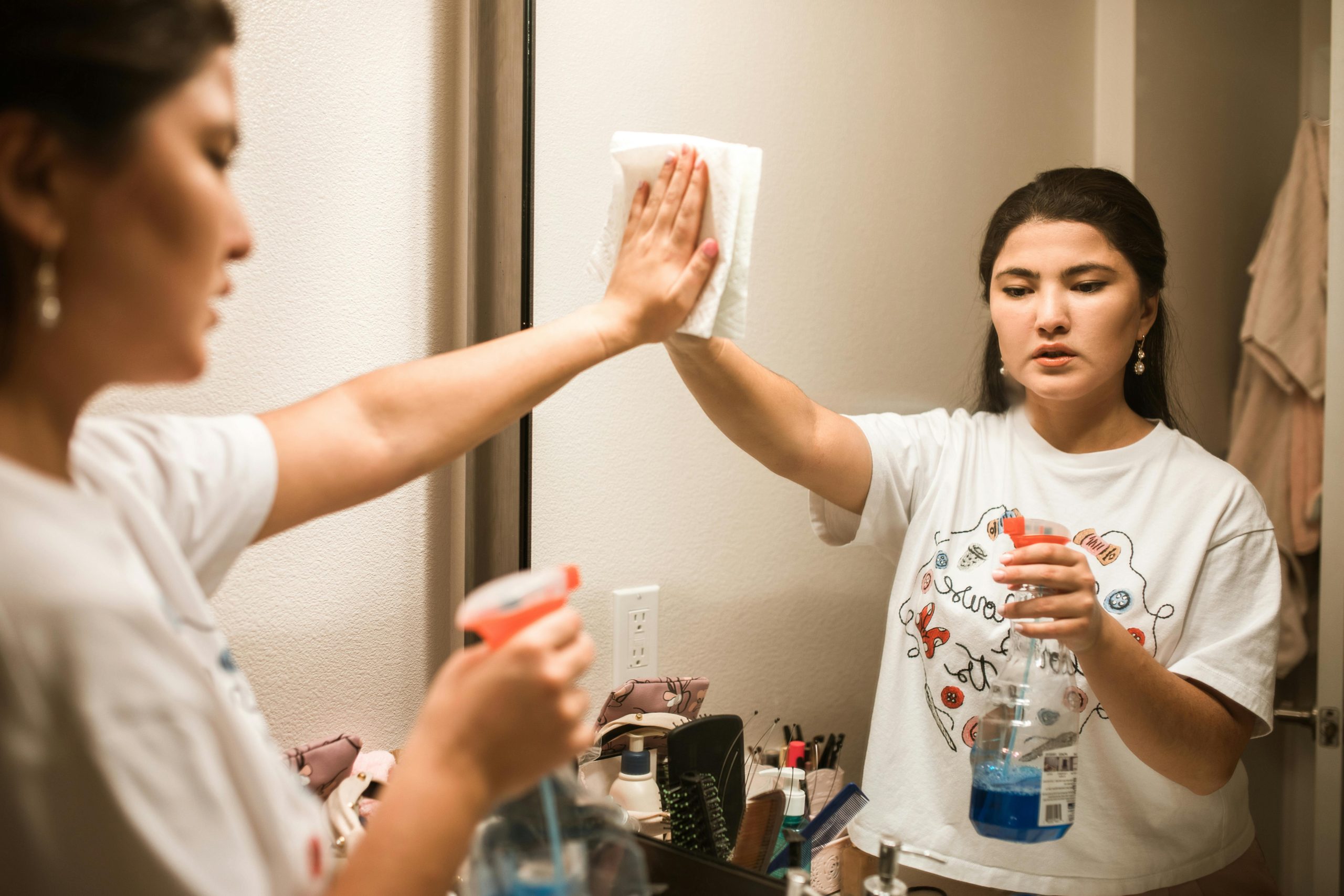
This shortcut feels normal because it looks like the cleaning is going fast. Many bathroom sprays require a little contact time to loosen soap film, hard-water marks or grime before wiping. If you spray and wipe right away, you might remove the top layer but leave enough behind to make the stain reappear.
This problem is common around sinks, shower doors and tub walls. Here is where toothpaste, soap, shampoo, body wash and water heavy in minerals can combine to create a dull film. Instead of scrubbing harder every few days, it may help to let the product sit per the label directions, then wipe and rinse thoroughly. The goal is not cleaner. The objective is to give the cleaner time to do their job.
Leaving Shower Walls Wet After Every Use

This is one of the habits that is alright until the same marks keep coming to life. Many American bathrooms have shower walls that stay damp for hours, especially in small bathrooms, bathrooms without windows, rental apartments and older homes with poor ventilation. That moisture can help soap film, mineral marks and discolouration fall back into the same spots. The bottom edge of the shower is the easiest clue. If the stains are near the caulk, corners, glass track or tub ledge, the problem could be standing moisture, not dirty surfaces. A quick squeegee, towel wipe or open door after showers can help reduce how long water sits there. It’s a teeny tiny habit, but it can change how quickly that bathroom starts looking stained again.
Using Too Much Product on Glass and Tile
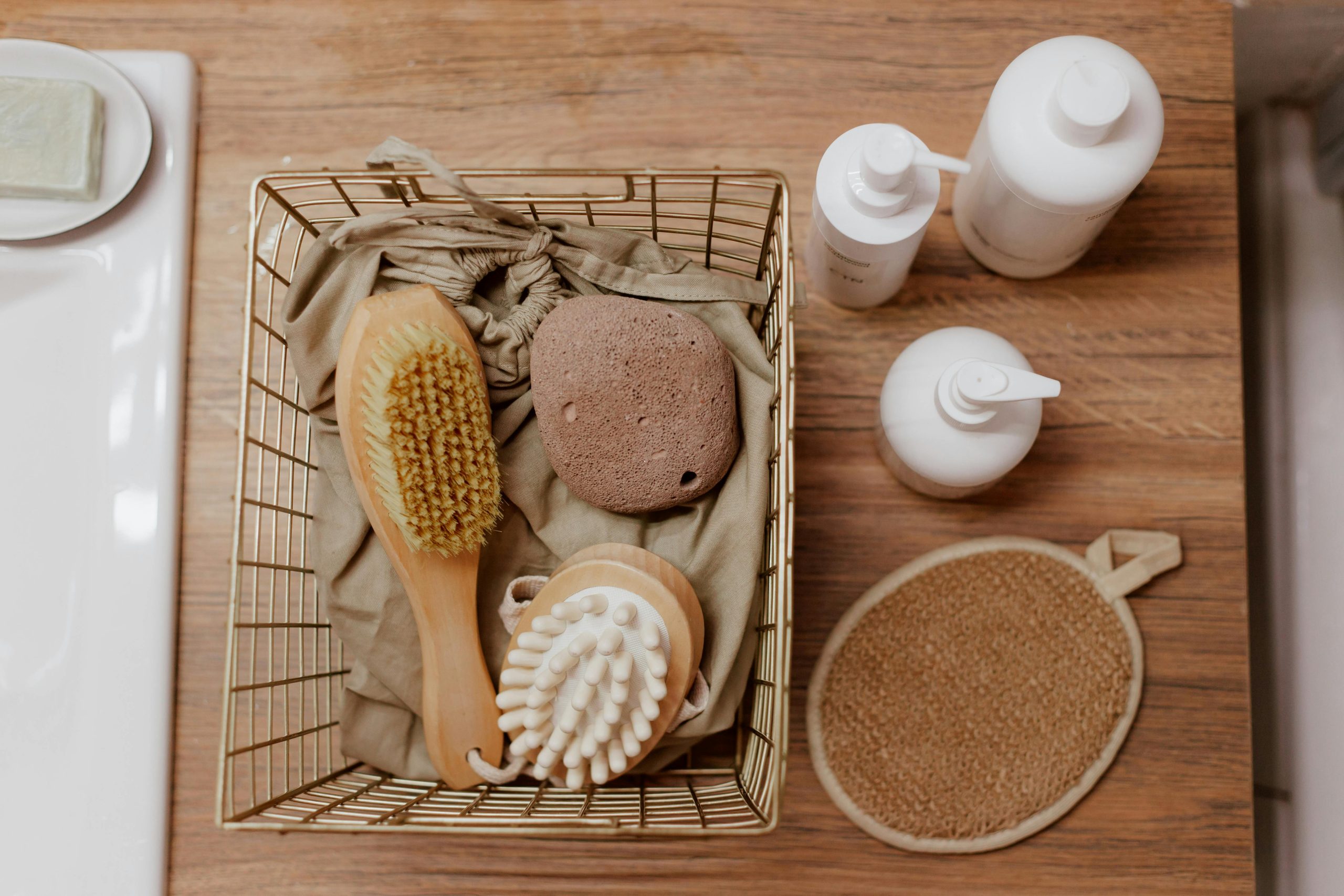
This error causes a clean bathroom to look dirty more quickly. Shampoo, conditioner, shaving cream, body wash, face wash and bar soap can leave residue on shelves, ledges, corners and glass. Too much product in one wet area can also cause sticky rings and cloudy patches to form in the bathroom. These can return even after you’ve wiped. The sneaky thing is that bottles trap moisture underneath them. A typical American shower can leave the bottom of a bottle wet on tile or acrylic for days. That moist ring can hold soap film, minerals and dirt. When cleaning, lift bottles, rinse the shelf and dry under containers so those perfect little circles don’t reappear so soon.
Ignoring the Toilet Rim and Waterline
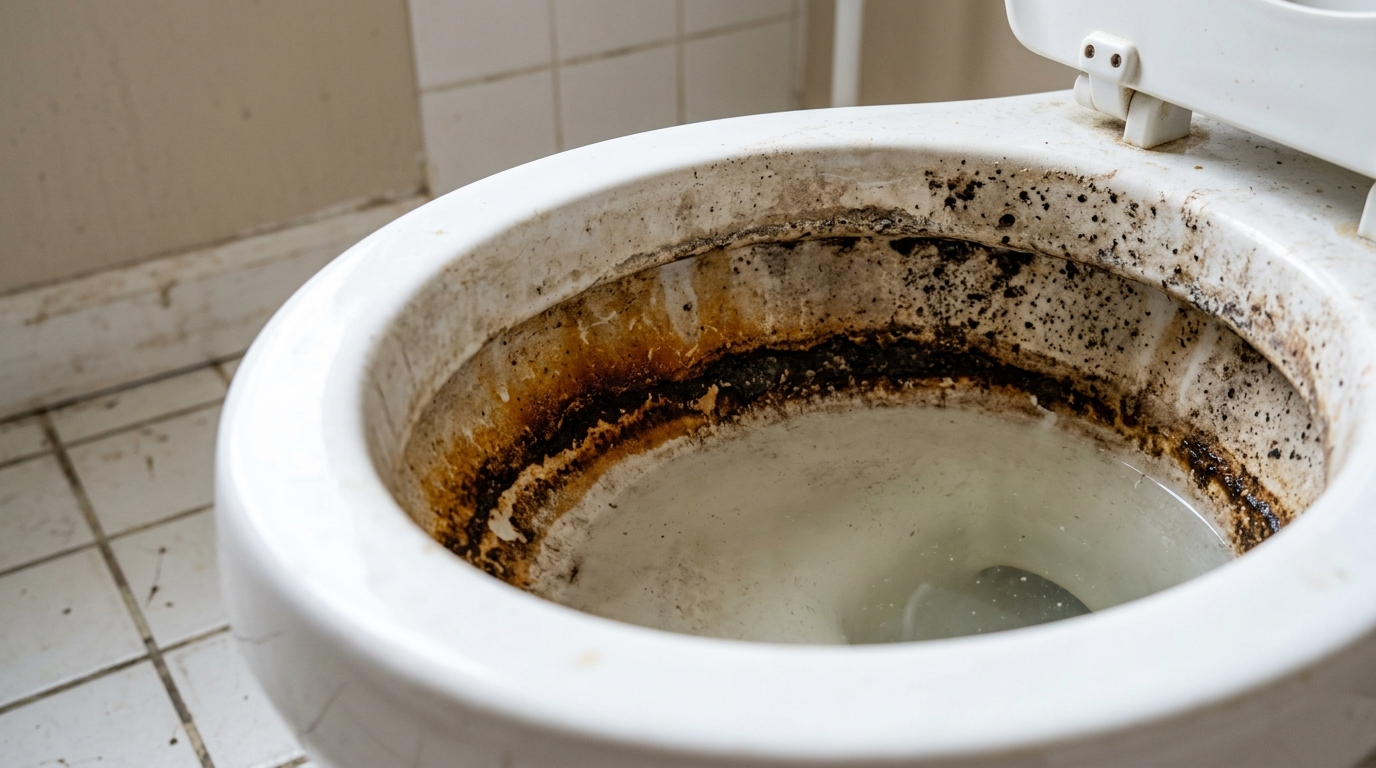
The toilet may look clean from the top, but still hide the reason for the return of the ring. Many homes clean the visible part of the bowl but overlook the underside of the rim, the water line or where mineral deposits may be clinging. That leftover buildup can make a toilet ring come back faster than you think. The test is whether the stain continues to grow at the same level. If the ring is right at the water line, it could be due to hard water minerals, residue or standing water. Regular brushing under the rim, using the right cleaner for the surface and letting it sit as directed can help. For stubborn stains, it’s better to use gentle, toilet-safe methods than to scrape aggressively and risk damaging the bowl finish.
Mixing Cleaners Instead of Rinsing Between Them
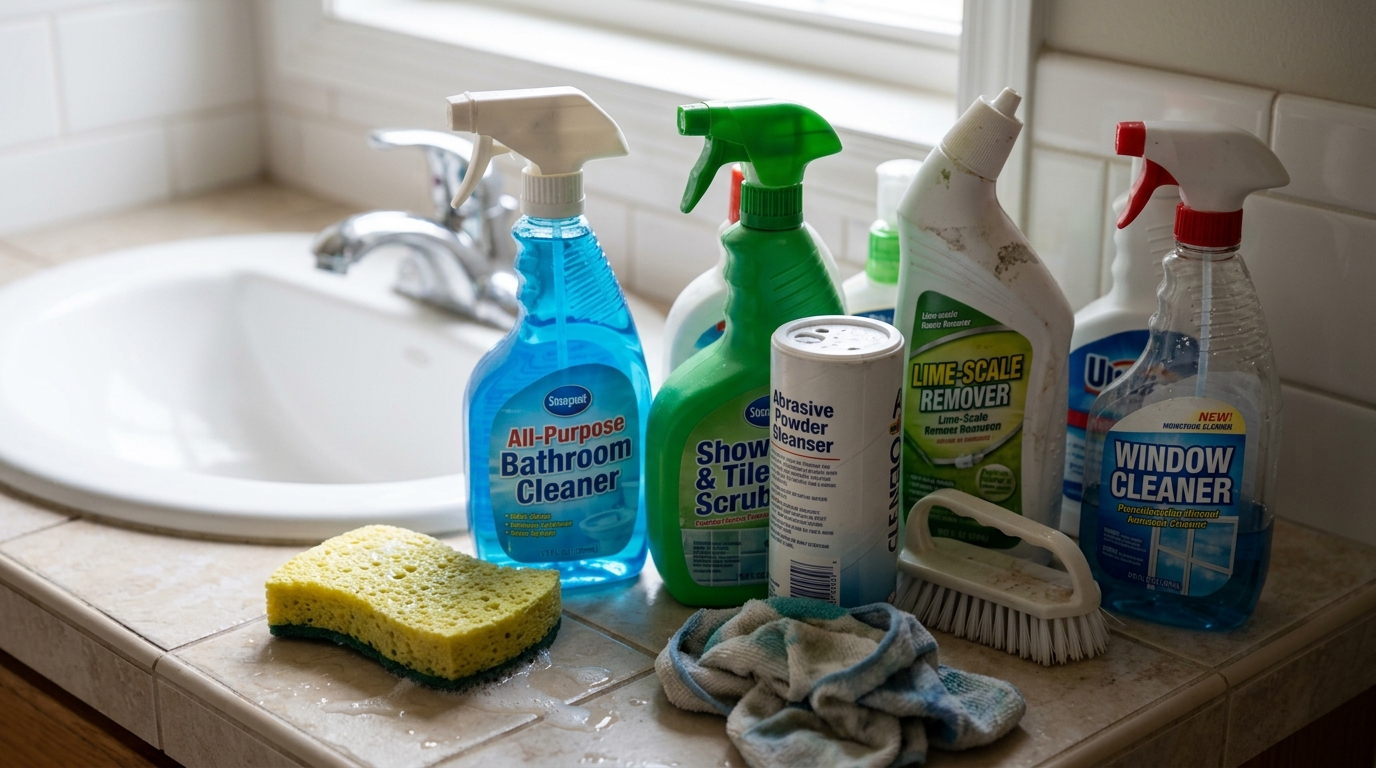
This habit can cause more issues than people think. Some people jump to applying a second cleaner without rinsing away the first thoroughly if a stain isn’t removed with one cleaner. This can leave a residue, dull the surface, or create a sticky film that will attract more dirt later on. The safer habit is easier, and usually more effective. Use one cleaner at a time, follow the label, rinse the area thoroughly, and dry before trying another. This is especially critical around sinks, tubs, shower walls and faucets where cleaners can sit in seams. The secret to fewer stains isn’t more chemicals. Usually less residue is .
Forgetting the Bathroom Fan and Airflow
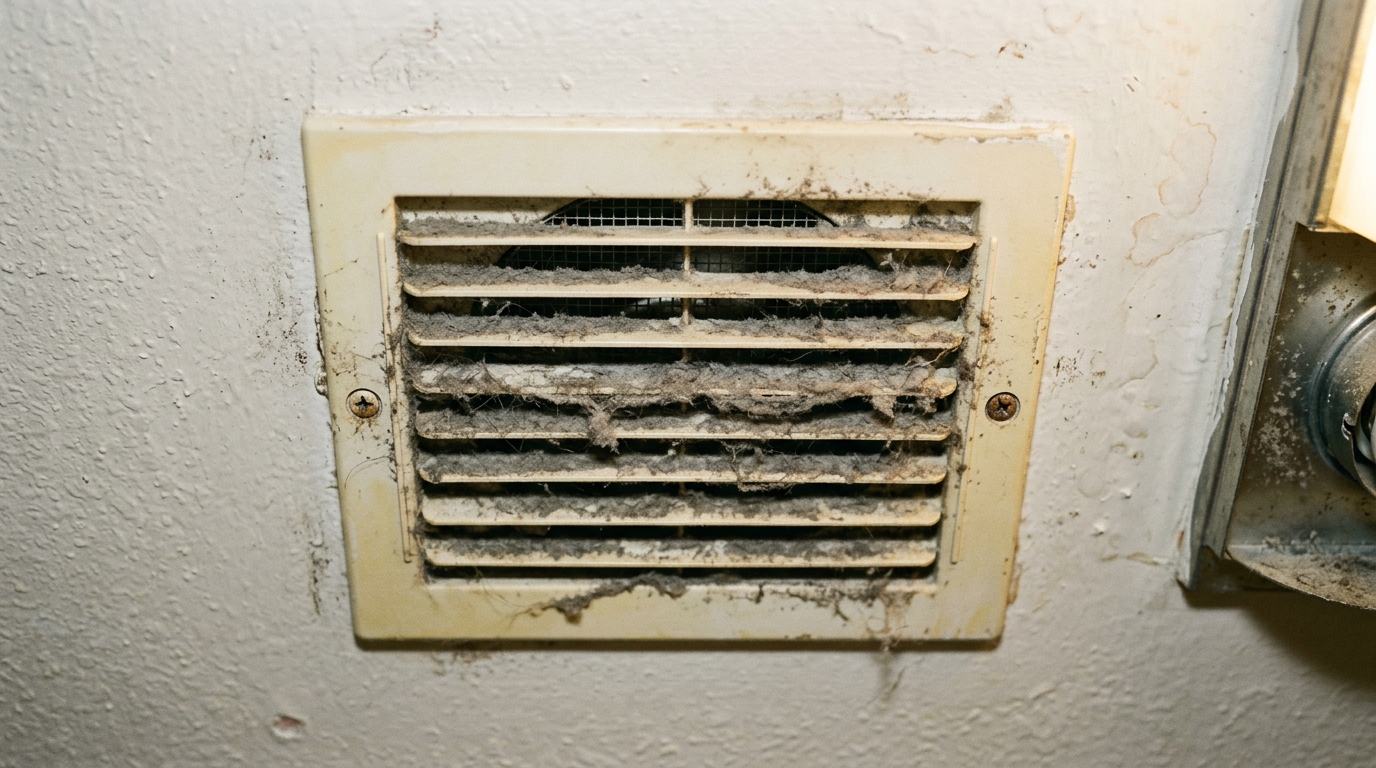
The stain can be associated with the air, not only the surface. Many U.S. homes only run bathroom fans during showers or ignore them altogether. Dust clogging up the fan cover can hold onto moisture longer, especially after hot showers. The damp air can make stains, film and musty looking corners come back faster. The little warning sign is a mirror that remains fogged up for a long time. If the bathroom should be dry and the mirror, walls or ceiling still feel damp, the airflow may be weak. To speed drying of surfaces, clean the fan cover, leave the door open when you can, and run the fan long enough after showers. A bathroom that is drier often looks cleaner for longer periods.
Scrubbing Grout but Leaving Dirty Mop Water or Rinse Water Behind
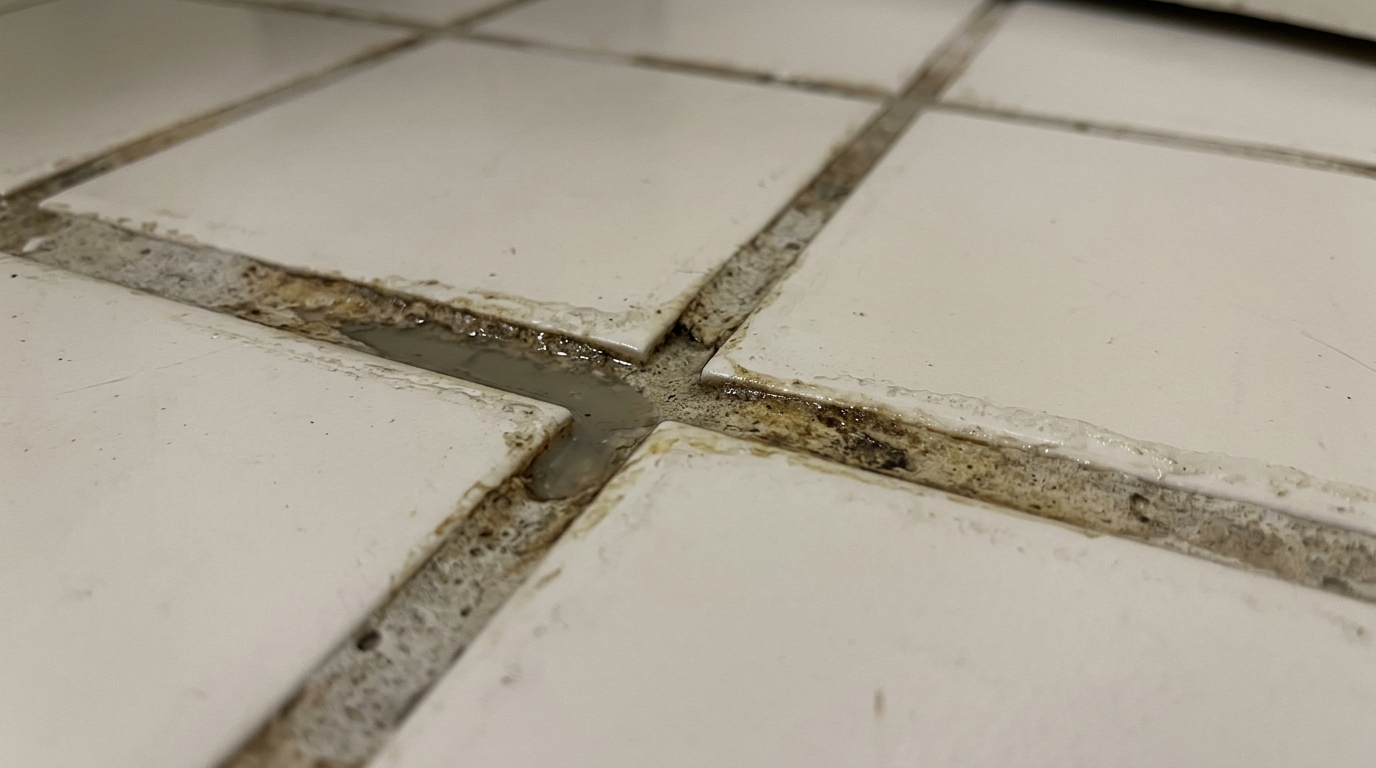
This is a common cause for bathroom floors looking dirty soon after a cleaning. Grout appears lower and more porous than tile, so dirty water, cleaner residue and dust can settle into the lines. If the floor is mopped but not rinsed or dried well, the grout can dry with a dull grey appearance. That’s an easy mistake to make in a busy family bathroom. The floor can be a mix of hairspray residue, toothpaste drops, dust, lint and foot traffic. A microfibre cloth, clean rinse water and a drying pass can make a difference, especially around the toilet base and vanity where grime collects. The idea is to lift the residue out of the lines, not push it in deeper.
Letting Toothpaste and Soap Sit Around the Sink
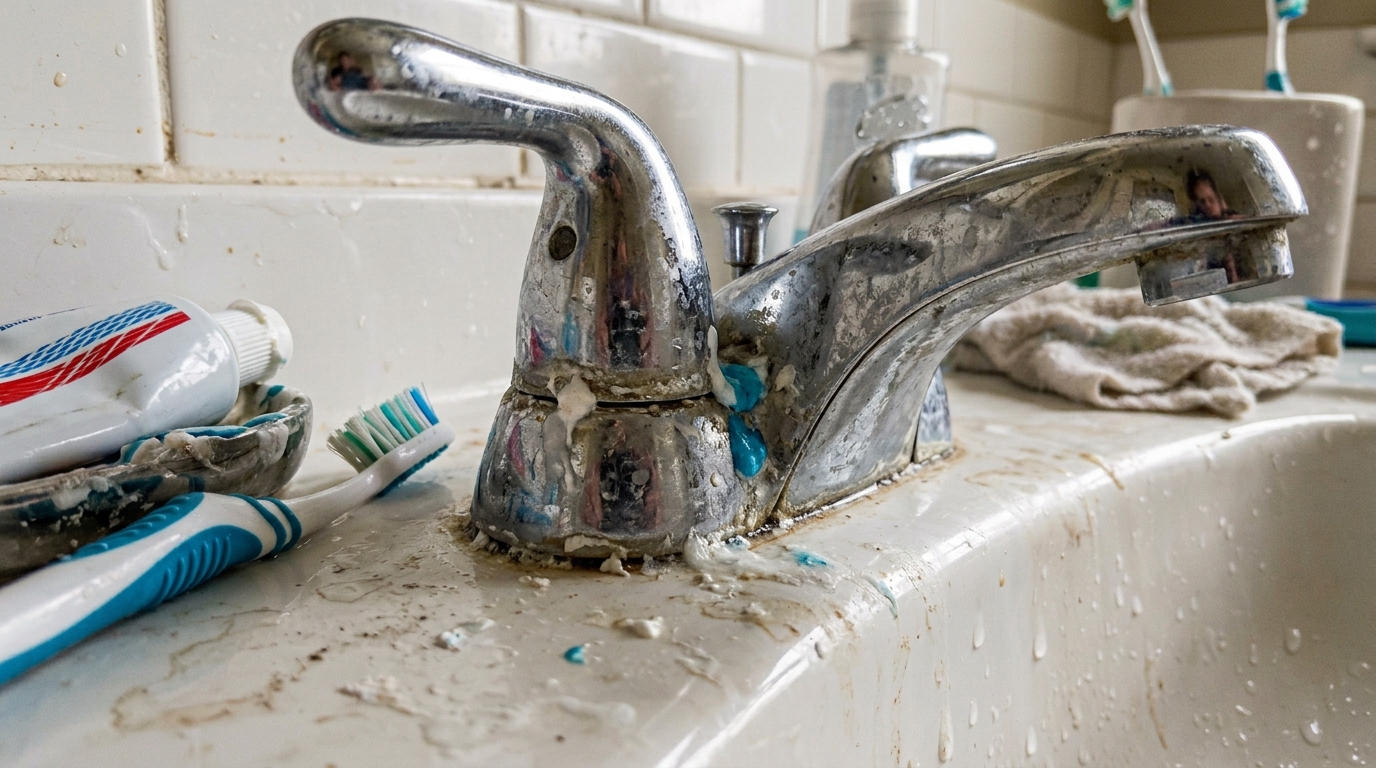
You could be cleaning the bathroom all the time but the washbasin still looks dirty. Toothpaste, hand soap, shaving residue, makeup and hard-water droplets collect around the base of the tap and the drain. When dried over and over these little splashes can make stubborn stains that will come back after every quick swipe.The clue is a crusty ring around the tap. Every time someone washes their hands or brushes their teeth, that area gets water. A quick 20-second wipe each day of the tap base, handles and drain can stop the buildup from hardening. It’s not pretty, but it’s one of the fastest ways to keep a bathroom sink from looking neglected.
Cleaning Around Items Instead of Moving Them
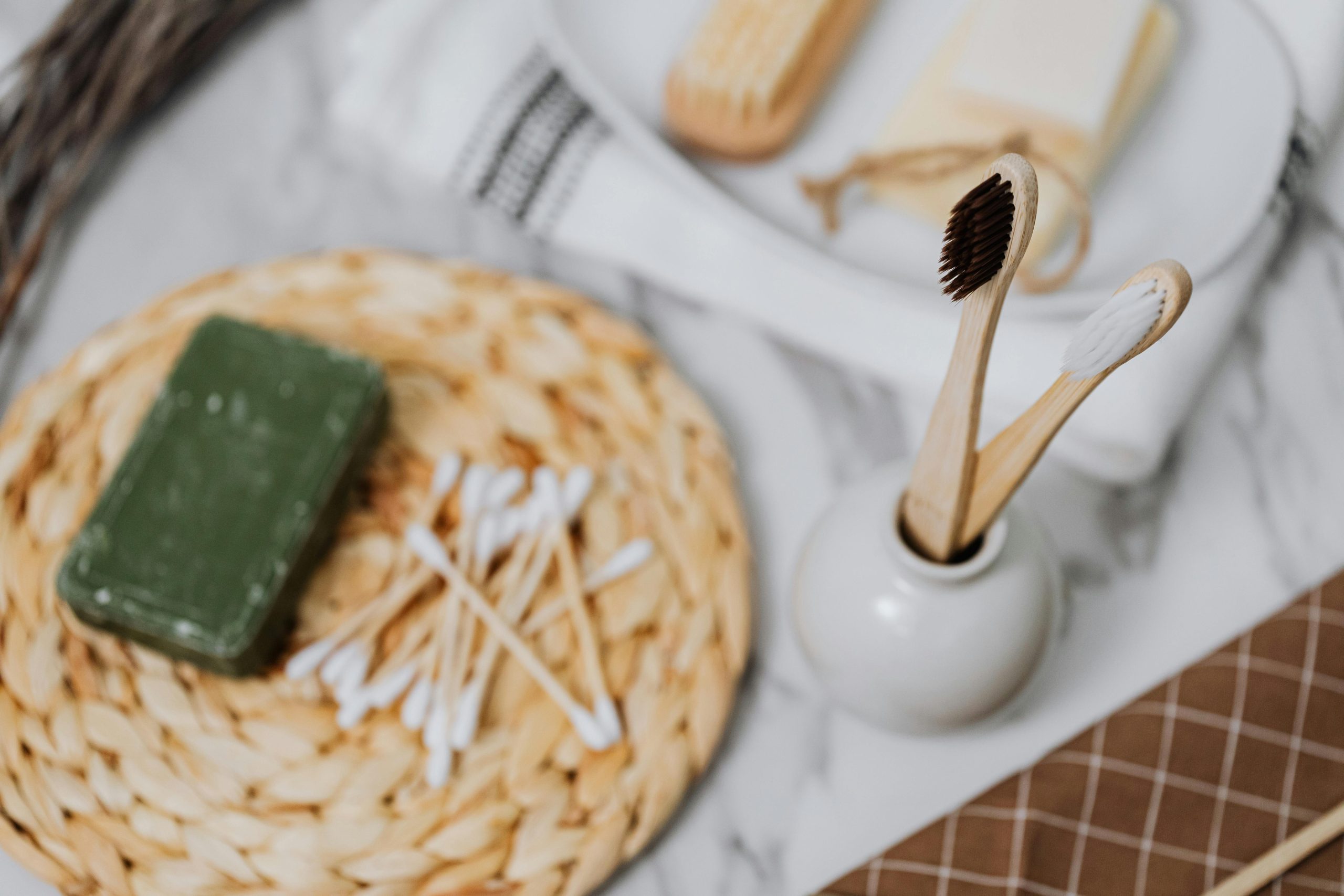
Because the hidden spots are never really cleaned, this habit causes stains to keep returning. Many people do not move things but wipe around soap dispensers, toothbrush cups, candles, razors, and makeup trays. The visible counter looks nicer but the damp rings underneath continue to collect residue. The fix is simple, but easy to forget. Move everything around once or twice a week, wipe the surface underneath, dry the bottoms of the items before putting them back. This is important for vanity tops, toilet tank lids, tub ledges and shower shelves. If an object sits in the same wet spot every day it can quietly build up the stain that folks keep blaming on the bathroom.
Using the Same Damp Cloth for Every Surface
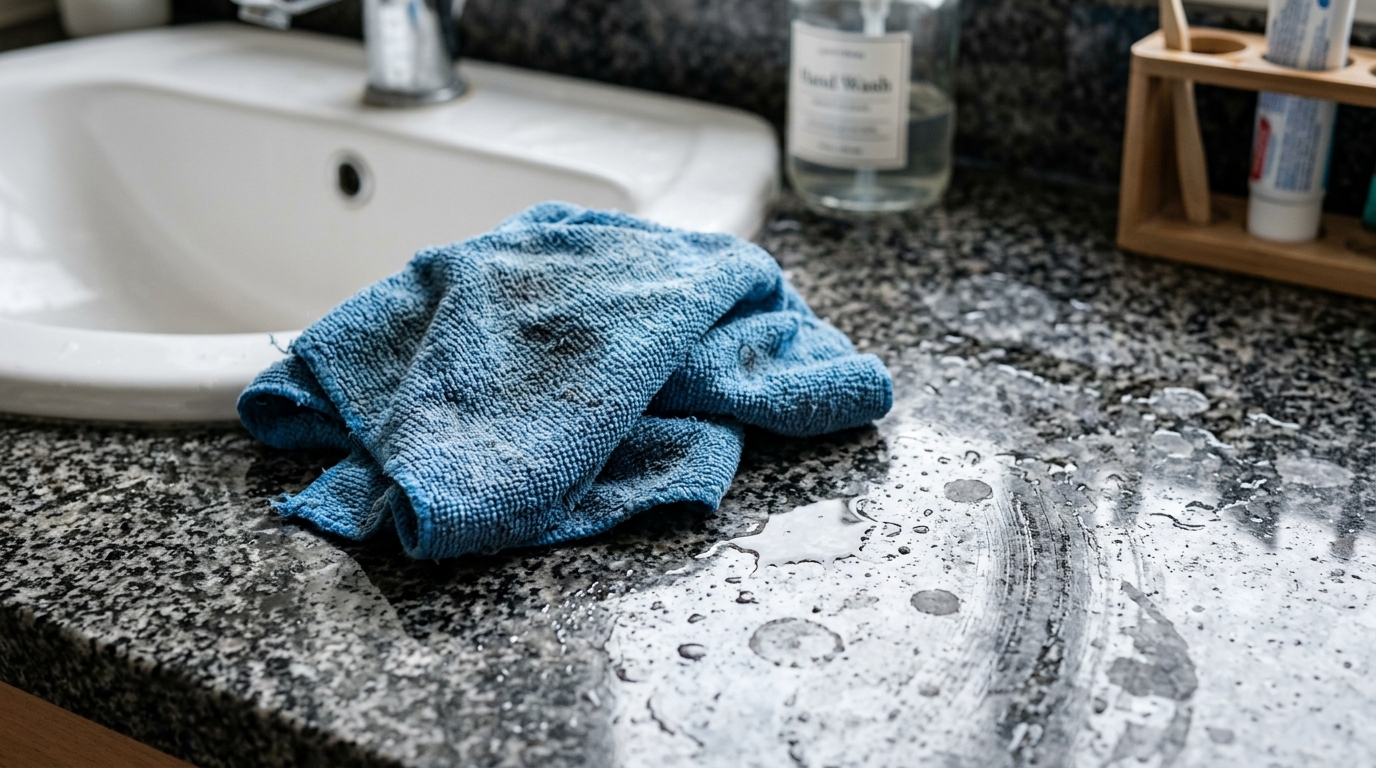
This is efficient-looking, but it can spread residue silently. A cloth that starts out on the sink can pick up a film of toothpaste, soap, hair products, dust or cleaning residue. If you go to the mirror, counter or shower glass with that same cloth and don’t rinse it, you can get streaks and film. The better thing to do is to divide the job. Use a separate cloth for mirrors and glass, for sinks and counters, and a separate tool for the toilet areas. When cloths start to feel slick instead of clean, rinse them or change them out. In many homes, streaks and cloudy spots are not caused by a bad cleaner. They are part of a cloth already heavy with the residue of yesterday.
Skipping the Dry Finish
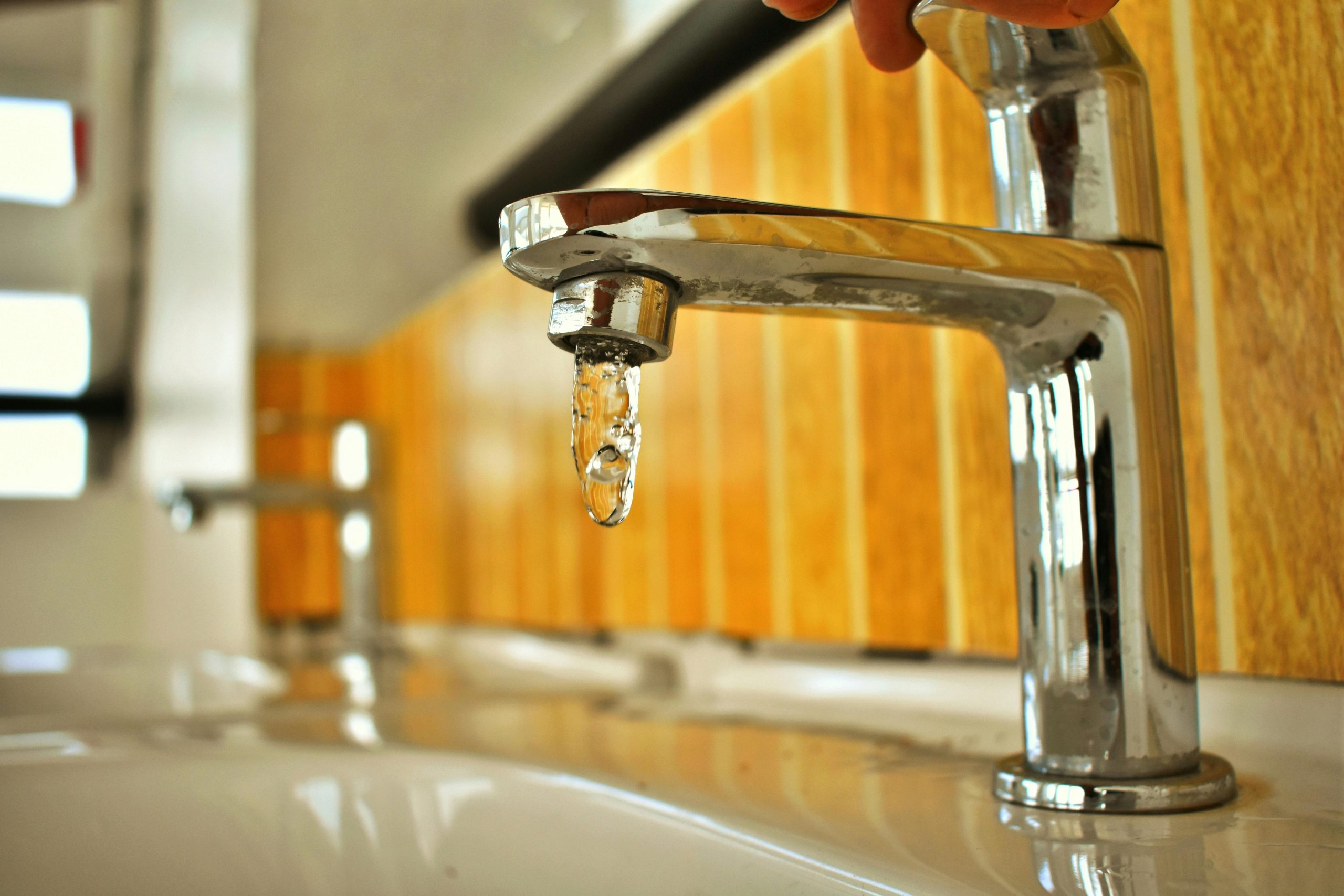
The last step is easy to overlook because the surface looks clean already when it is wet. But once the water dries, minerals can leave spots on your faucets, shower handles, glass, mirrors and dark countertops. This can make the bathroom look stained again even if it’s just been cleaned. The payoff IS one dry towel. Using a dry microfibre cloth to clean and wipe faucets and handles, glass edges, counters and tub ledges can help reduce spots and streaks. This is particularly helpful for homes with hard water or bathrooms used by many people. Drying takes a little longer, but can leave the room looking cleaner for days on end.
The Real Reason Bathroom Stains Feel So Stubborn
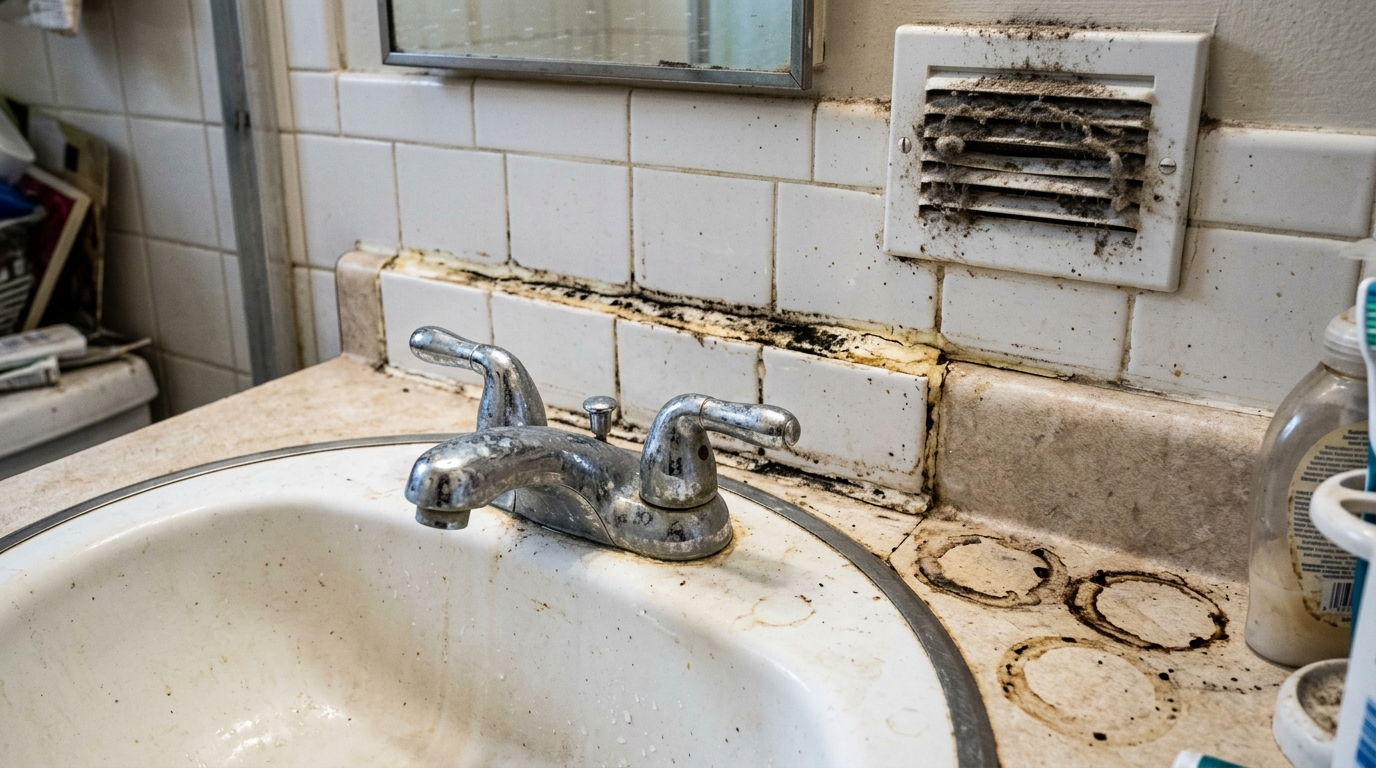
The biggest mistake is treating every returning stain like a new mess. Many American homes don’t need a stronger scrub in the bathroom. That indicates a pattern — moisture lingering, cleaner residue remaining, products trapping water, feeble airflow, or concealed surfaces overlooked.
The useful trick is to note where the stain returns, not what the stain looks like.” If you see a ring under the bottle, it means that there is moisture trapped in it. Cloudy shower door = soap film + hard water stains. If you see a yellow caulk line, it may mean water is still in that same seam. If a tap is spotted overnight it may need to be dried, not sprayed again.Cleaning the bathroom is less of a chore once people see the pattern. The goal is not a perfect bathroom. The goal is to break the cycle of repeating the small habits that invite the same stains back. A few small tweaks to a typical U.S. bathroom — waiting before wiping, drying wet edges, moving bottles, rinsing cleaner residue and improving airflow — can make the room look cleaner longer and make the next cleaning day feel less like starting over.