Small money leaks inside a home rarely appear dramatic. You see them in half-eaten leftovers, in a dryer that’s been running too long, in lights left on at peak hours, in paper towels that vanish too fast and groceries that go bad before anyone remembers buying them. In many American households, the smartest frugal habits don’t involve drastic cuts or uncomfortable sacrifices. They’re the quiet habits that keep food safe, reduce waste, extend the life of cleaning products and make appliances work a little less hard. This gallery examines everyday household habits that can quietly save money without making the home feel cheap, strict or inconvenient.
Run Energy-Heavy Chores at Smarter Times
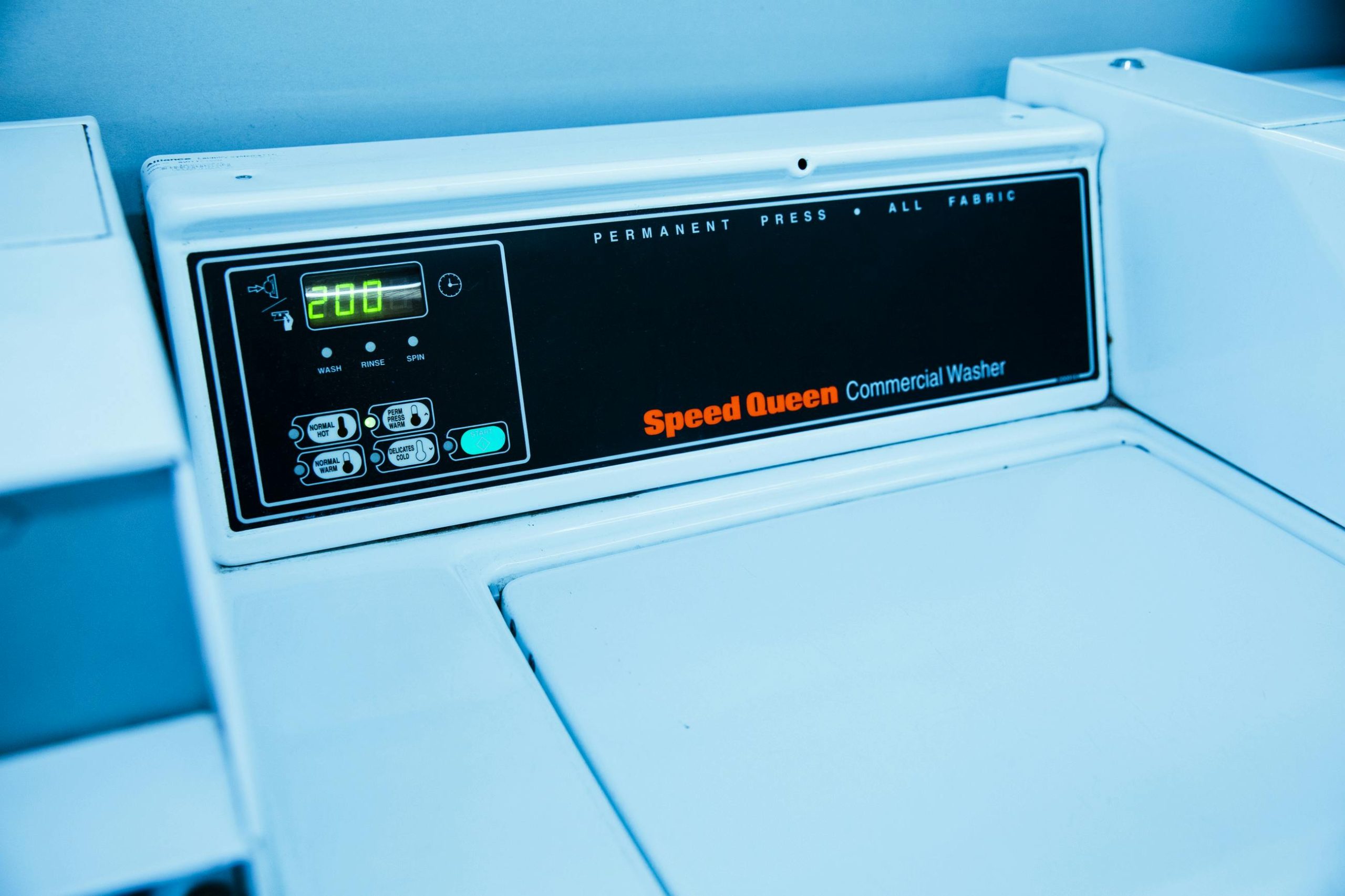
The same task can cost more depending on when it runsIn many American homes dishwashers, washers, dryers and big appliances are run when someone remembers them. Sounds normal . Some utility plans have higher prices during high demand hours . A quiet frugal habit is to check the power company’s time-of-use details and use delay-start when it makes sense. Running the dishwasher late at night, making sure it is fully loaded rather than partially, and not running several large appliances at the same time can cut down on waste without a major change in the home routine. It’s not about hiding in the dark or avoiding comfort. It’s about making appliances work when the bill may be less punitive.
Store Leftovers Like They Are Already Paid For
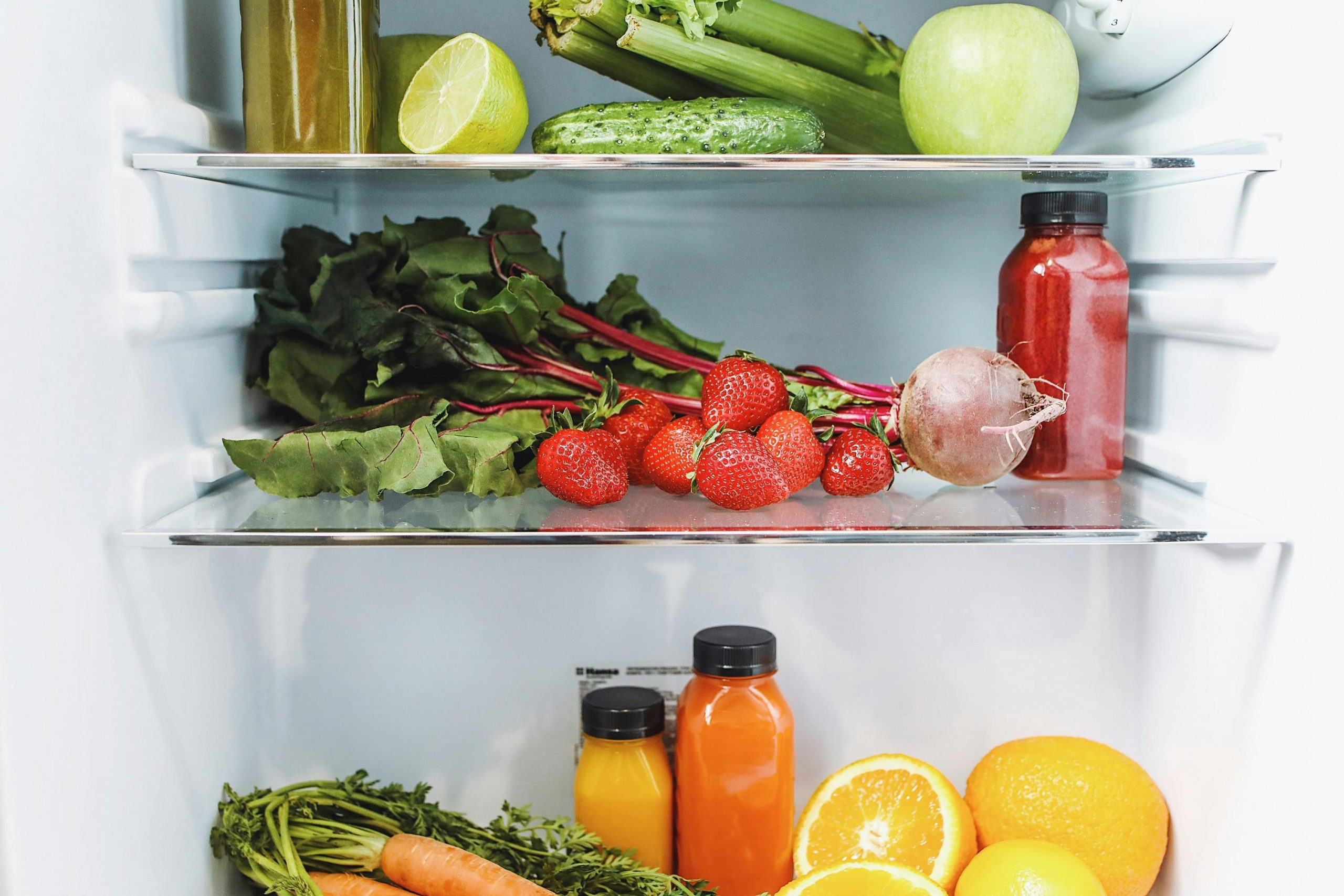
Leftovers don’t save you money once they’re out of the fridge.Leftovers tend to get pushed behind drinks, produce bags, and condiment bottles after a grocery run or weeknight dinner. This is where the quiet money leak starts in the average American kitchen. A simple frugal habit is to create one “eat first” zone in the front of the fridge and label containers with the date they were made. The clear reusable containers are generally useful because you can see the food before you forget about it. This practice can convert a cooked meal to lunch, a second dinner or freezer portion in lieu of another takeaway order. The goal is not to have a perfect meal prep. It’s making it harder to waste food you pay for.
Use Reusable Containers Before Buying More Wrap
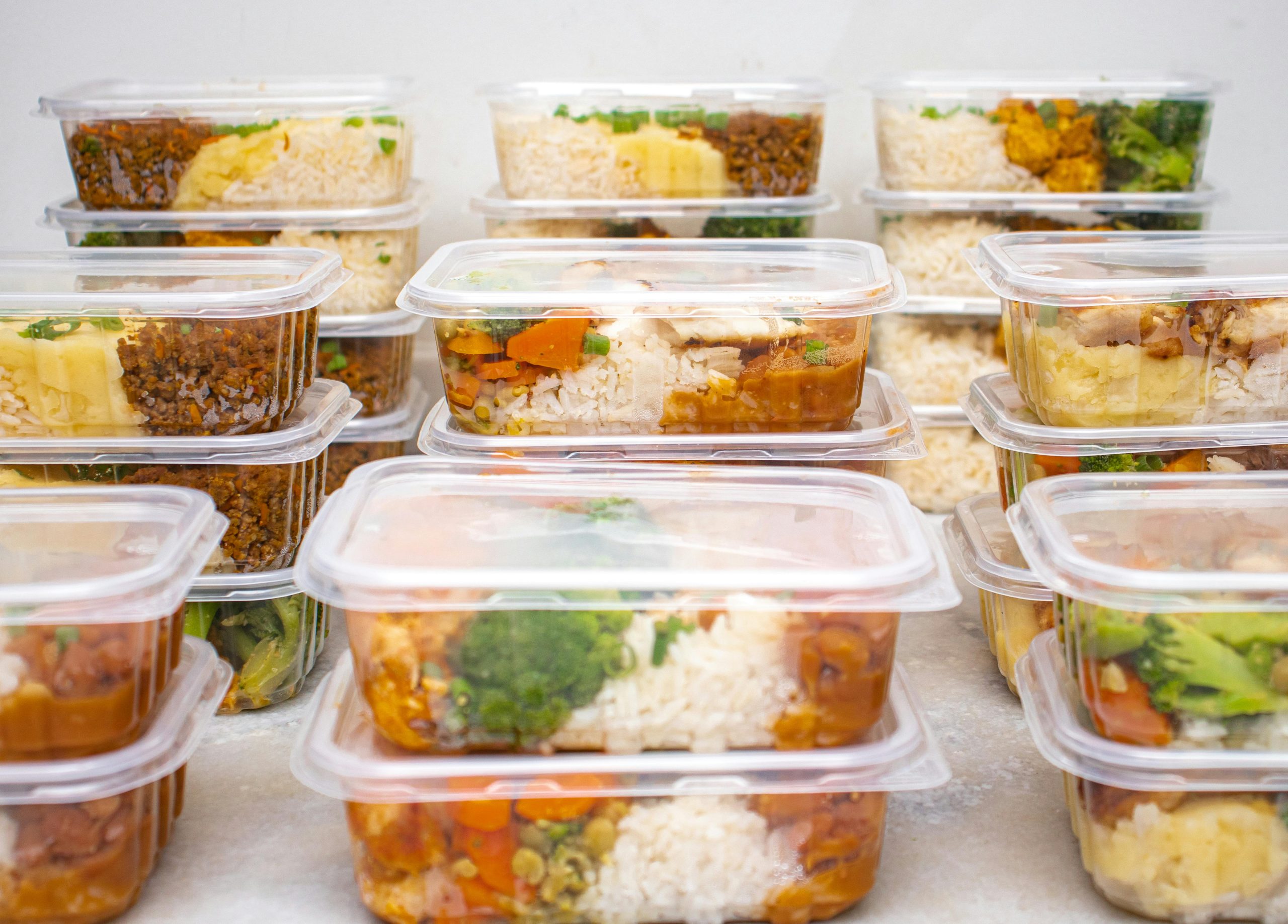
A weekly expense can quickly become a habit for your household.Plastic wrap, foil, zip bags and disposable containers look cheap one box at a time, but they add up quickly in busy U.S. kitchens. A quieter frugal habit is to grab washable containers first, especially for lunches, chopped produce, leftovers and pantry portions. Having matching lids, stacking containers by size, and keeping a few near the fridge makes reuse easier than grabbing another disposable bag. In many cases, this also better protects food than loose wrap, which can help cut down on stale snacks, dried-out leftovers and freezer-burned portions. But hidden savings aren’t just in buying fewer bags. They are also keeping food usable longer.
Clean the Dryer Lint Trap Before Every Load
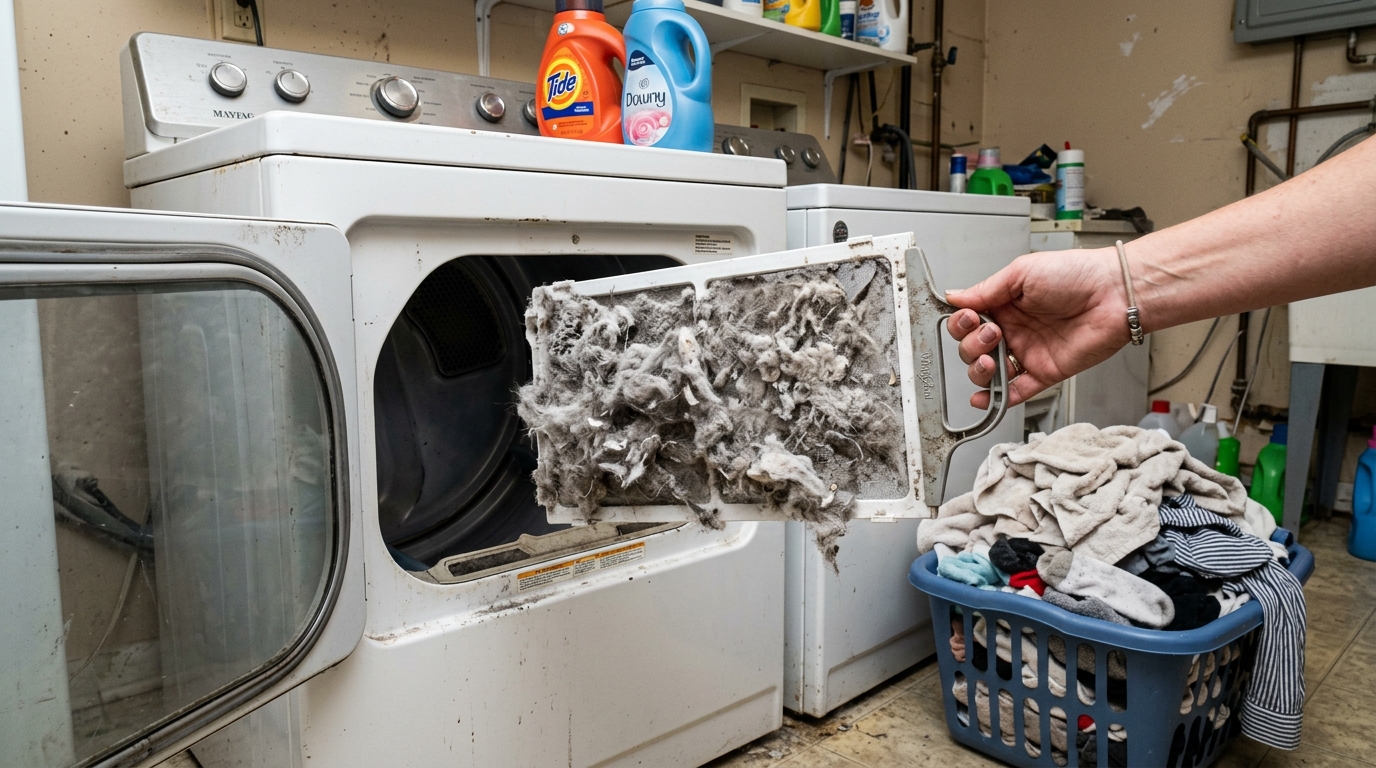
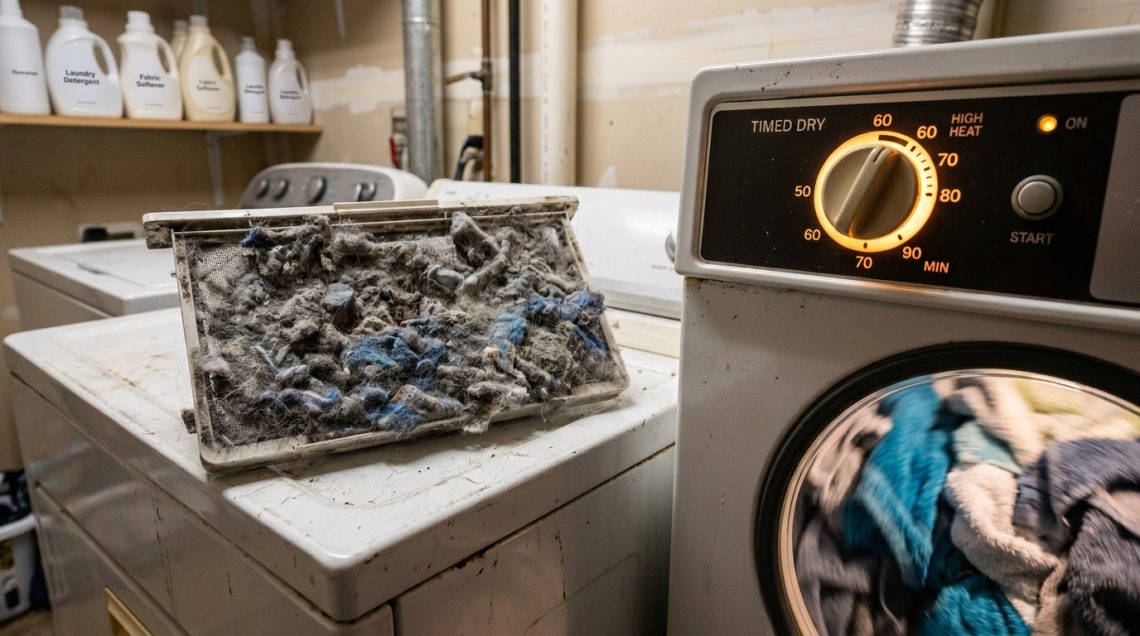
A full lint trap can add a little cost to every load.The dryer is one of the most expensive appliances to ignore around the laundry room. When the lint trap is full, airflow can be restricted, clothes may take longer to dry and people often run a second cycle without thinking twice. Clean the lint screen before every load and check the vent area when drying times start to creep up – a very simple frugal habit. No need to purchase anything or change detergents. It’s just to help the dryer run with less strain. Shorter drying time means less energy wasted in many homes, less heat stress on fabrics and fewer moments when damp towels sit forgotten until they smell stale.
Stop Over-Drying Clothes That Are Already Dry
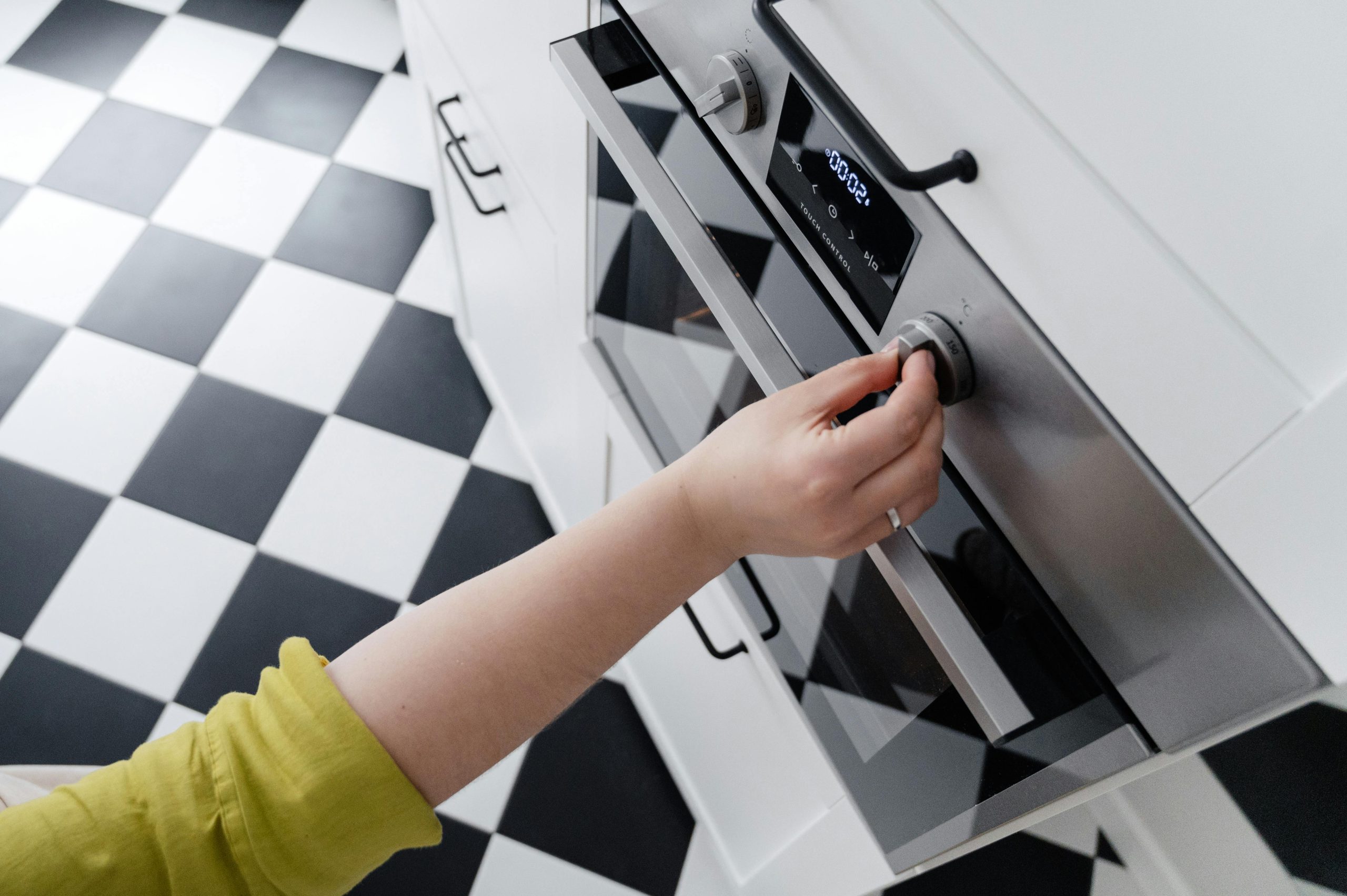
Dry clothes don’t need 20 more minutes of heat.In many American homes, the dryer is dialled in by habit, not according to what the load actually needs. Towels are blasted with heat, T-shirts go through a full cycle after they are already dry, and small loads run like large ones. A frugal routine is to use moisture sensing cycles when available, to check lighter loads early and air dry a few items that don’t need high heat. It can cut down on energy waste and potentially extend the life of clothes by preventing needless heat stress. It’s a small habit, but one that hits two budgets at once: the utility bill, and the cost of replacing faded shirts, rough towels or worn elastic too soon.
Replace Some Expensive Cleaners With Basic Cleaning Staples
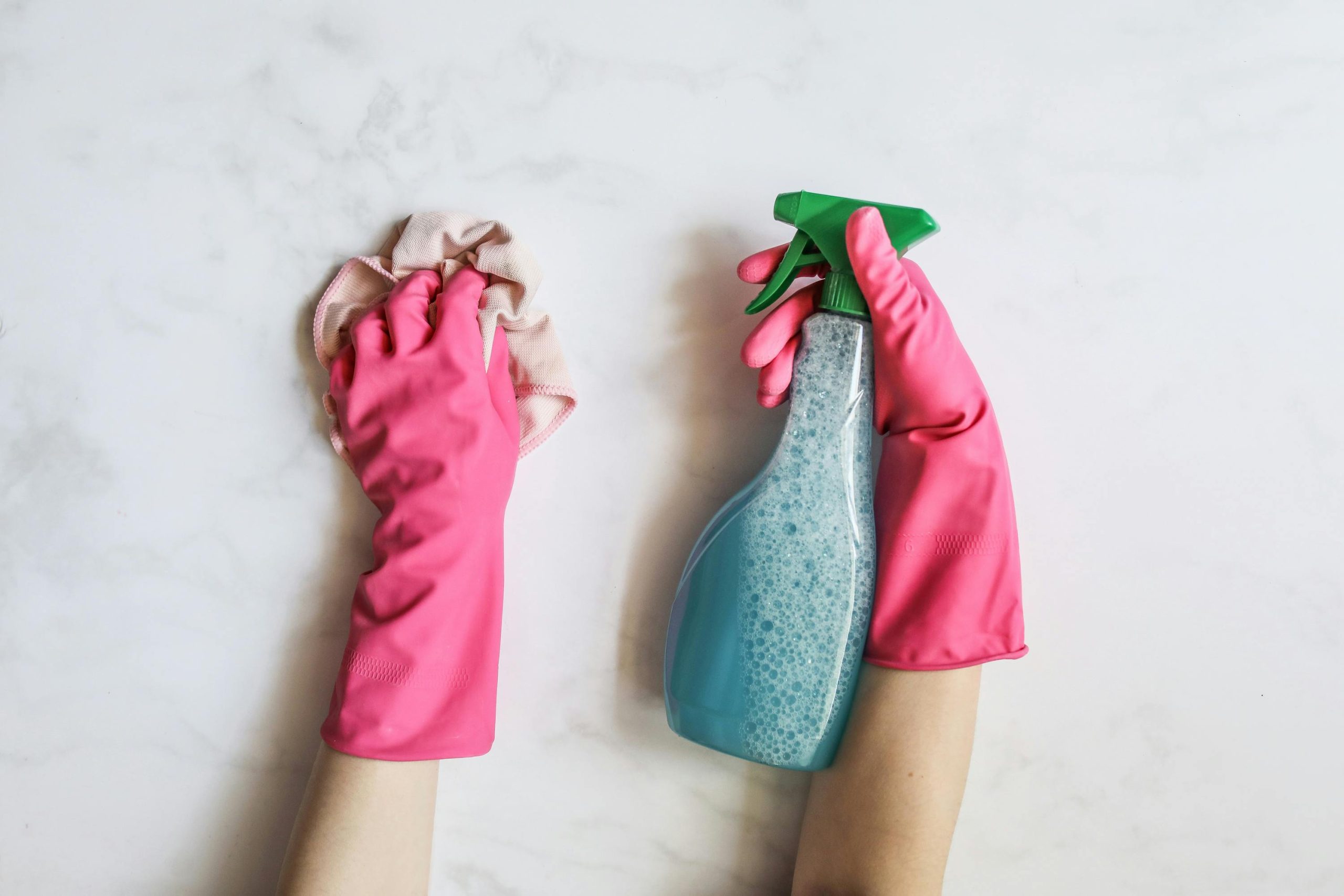
A full shelf of cleaners can hide a quiet spending habit.Speciality cleaners can be useful for specific surfaces and problems, but many U.S. homes end up with too many bottles for jobs that the basics can often handle. Used safely on the right surfaces, microfibre cloths, dish soap, baking soda and properly diluted vinegar can handle everyday grease, sink grime, fridge spills and mild odour cleanup. The frugal habit is not about mixing random chemicals or using one cleaner for everything. It is trying a simple, safe option to see if it works before buying another spray. Over time, reducing the number of single-use bottles will help clear out the clutter under the sink and prevent small cleaning purchases from becoming a constant household drip.
Keep a Rag Bin Where Paper Towels Usually Disappear
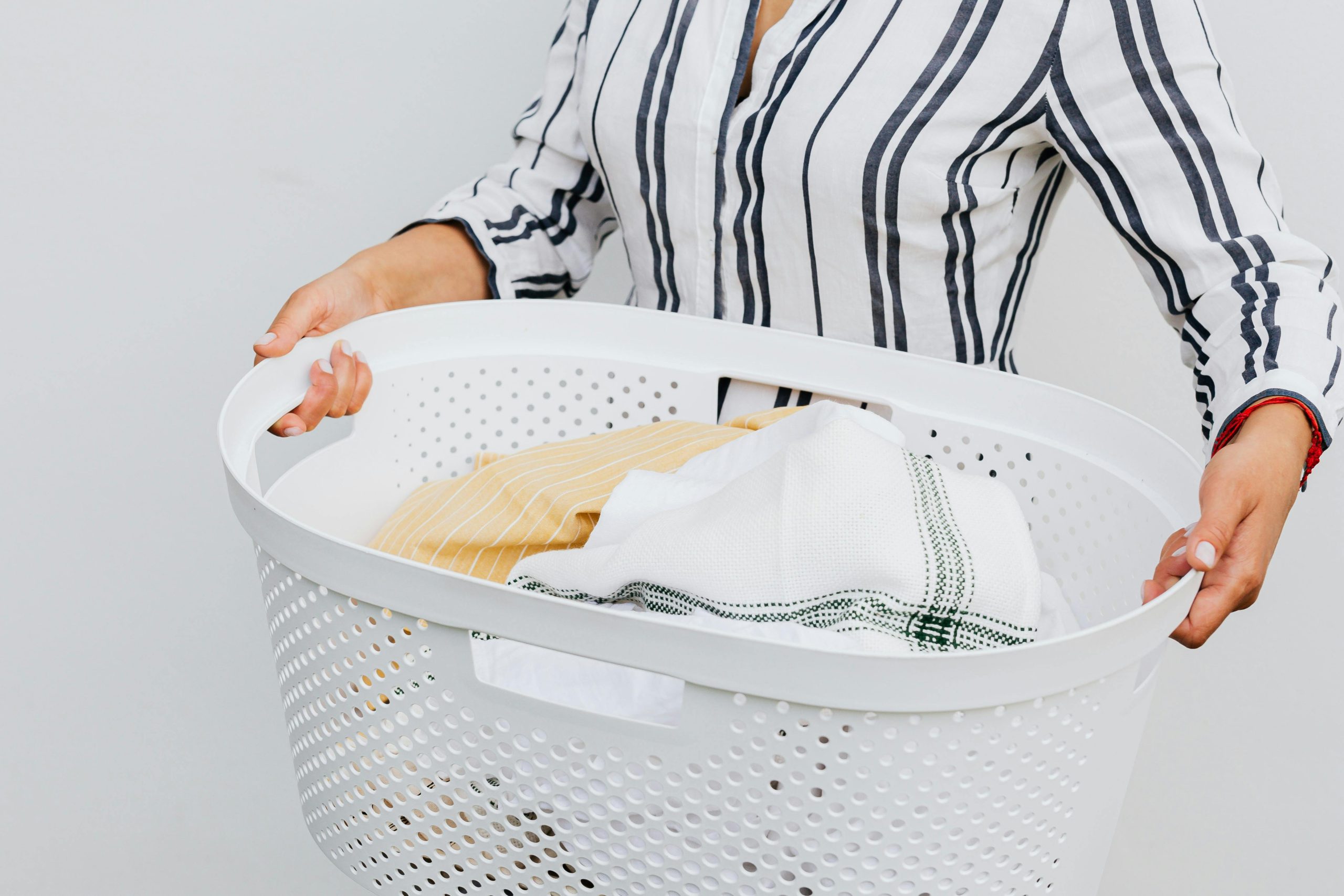
Paper towels vanish most quickly on messes that don’t require them.In a bustling American kitchen, paper towels can vanish because of tiny spills, crumbs on the counter, pet accidents, garage cleanups, and quick bathroom touch-ups. A quiet frugal habit is to have a small rag bin right next to where people reach for paper towels. Old cotton T-shirts, worn dish towels or retired washcloths can take care of many non-greasy cleaning jobs, and then go into a laundry basket. Paper towels still make sense for certain messes, but they don’t have to be the default for every wipe. This works because it alters the first reach. When they are visible, the household uses less disposable sheeting and doesn’t feel like it is rationing supplies.
Freeze Small Portions Before They Become Trash
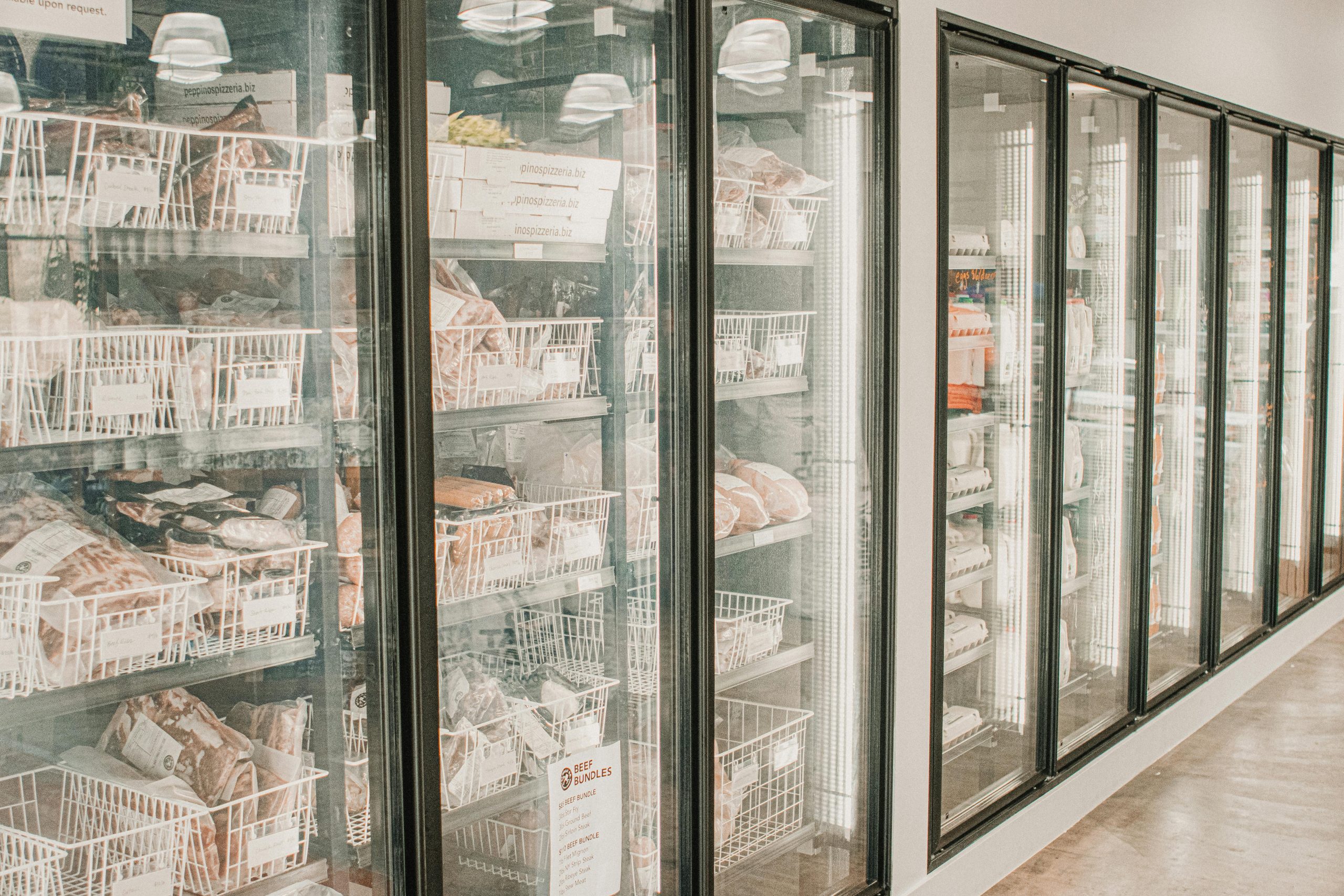
The smallest leftovers are usually the easiest money to waste.After dinner, the little bits of food are almost too tiny to save. That’s the fate of broth, sauces, chopped herbs, rice, shredded chicken, beans and cooked vegetables in many U.S. households. Freezing small portions before they lose their value is a smart frugal habit. Sauce could be a future pasta base, rice could bulk up soup, herbs could be used in a quick skillet meal, and cooked meat could stretch lunch. The trick is to label the parts and keep them visible enough to use. This habit works because it treats food like paid-for inventory rather than fridge clutter. A few small, saved portions can delay a trip to the grocery store or avoid the need for takeaway.