Small houses, rental apartments, townhomes and old US houses don’t feel cramped because they are short on space. More often, the problem begins with neglected storage habits that silently eat up walking room, counter space, closet air and visual breathing space. Streamline everyday activities such as a cluttered entryway, overflowing bins, overpopulated kitchen counters and unused wall space. This gallery takes a close-up look at the common storage mistakes that can make a small home feel even smaller, with visual cues that homeowners and renters can spot quickly before the clutter turns into a room-by-room squeeze.
Ignoring Vertical Wall Space.
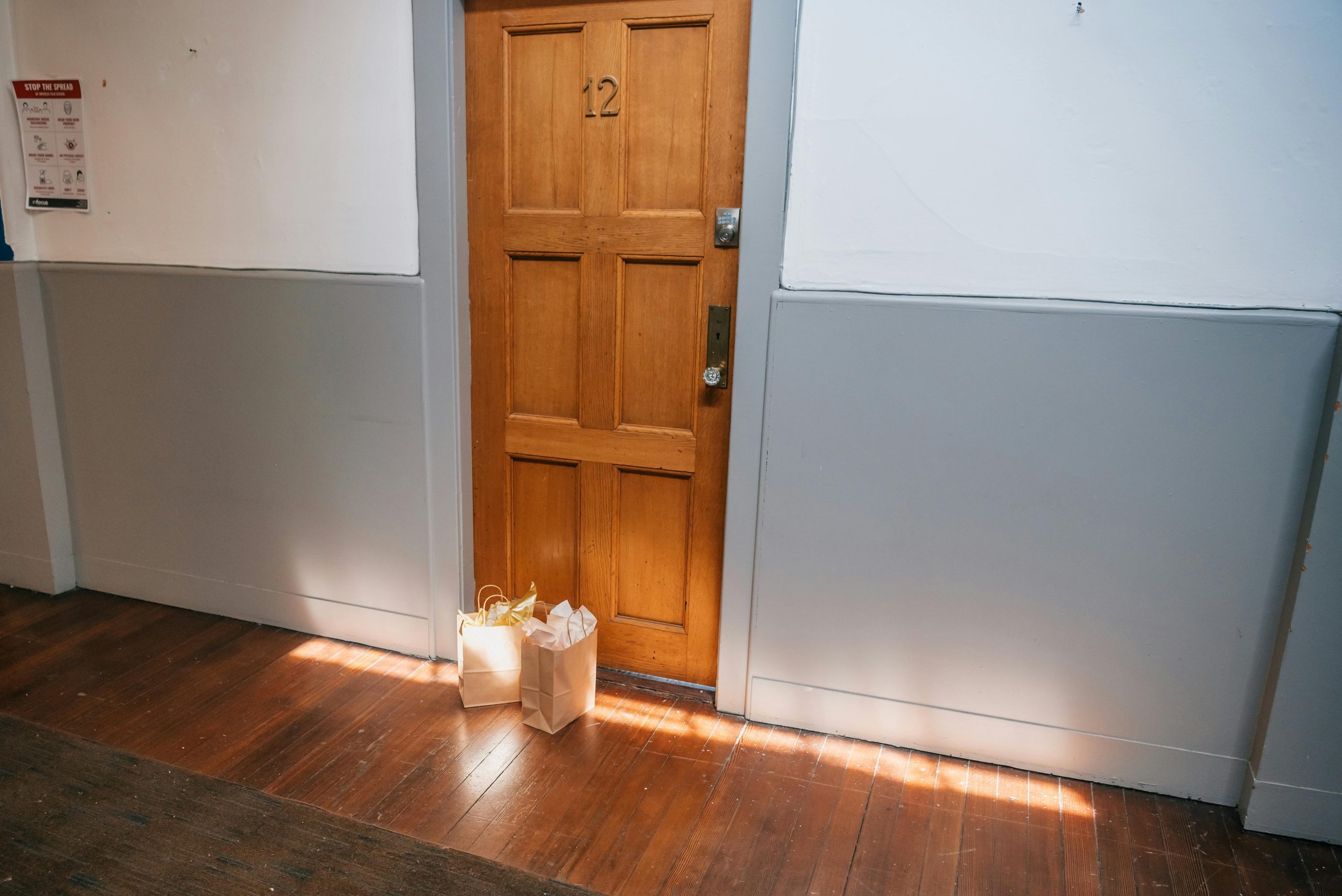
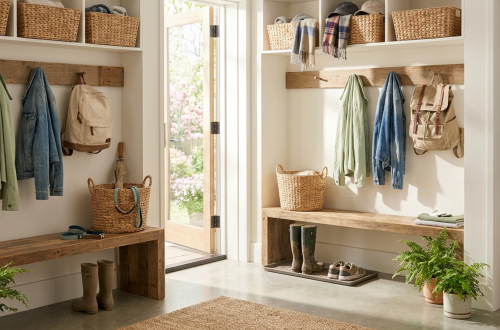
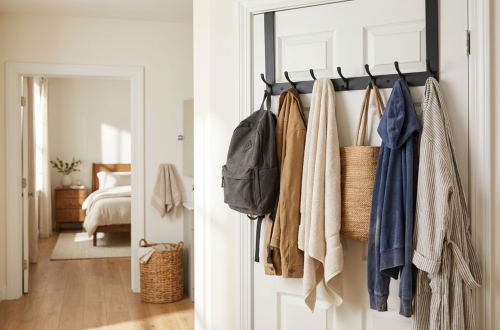
The tiniest homes tend to lose space from the ground up.And in many small homes in the U.S. the floor is the default storage area, and the wall above it goes unused. Nothing pulls them up, so shoes, backpacks, tote bags, umbrellas, dog leashes, and piles of mail start to fan out near the door. Try a narrow shelf, wall hooks, peg rail, or over-the-door organiser to get daily items off the walking path and make the room feel less pinched. The mistake is not having too much stuff all the time, sometimes it’s having everything at ankle level. Often the entryway feels larger once the eye sees open floor before anything is even thrown out.
Overfilling Storage Bins.
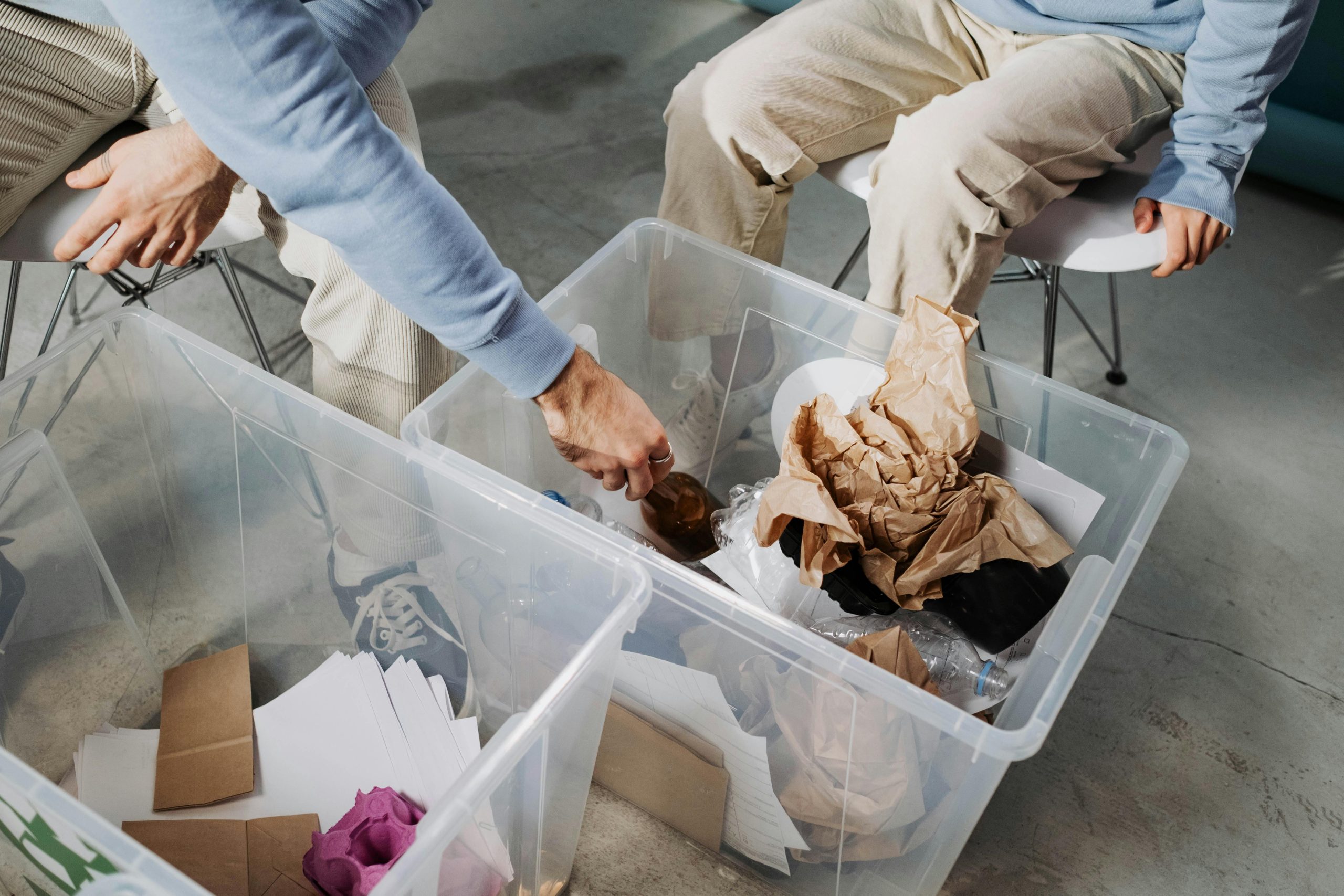
Storage Mistakes That Make a Small Home Feel Even Smalle.Clear bins, fabric cubes and plastic tubs sound like useful solutions, but in many homes they become places where random items go to disappear. A bin packed past the lid line often stops saving space and begins creating bulk. It no longer fits where it’s supposed to go, so people put it in closets, stuff it under beds or leave it by a wall. A better rule is to leave a bit of breathing space in each container and keep categories tight: winter hats, spare cords, craft supplies or pet stuff. If all the bins need force to close, the home may not need more bins, it may need less mixed piles.
Letting the Entryway Become a Drop Zone
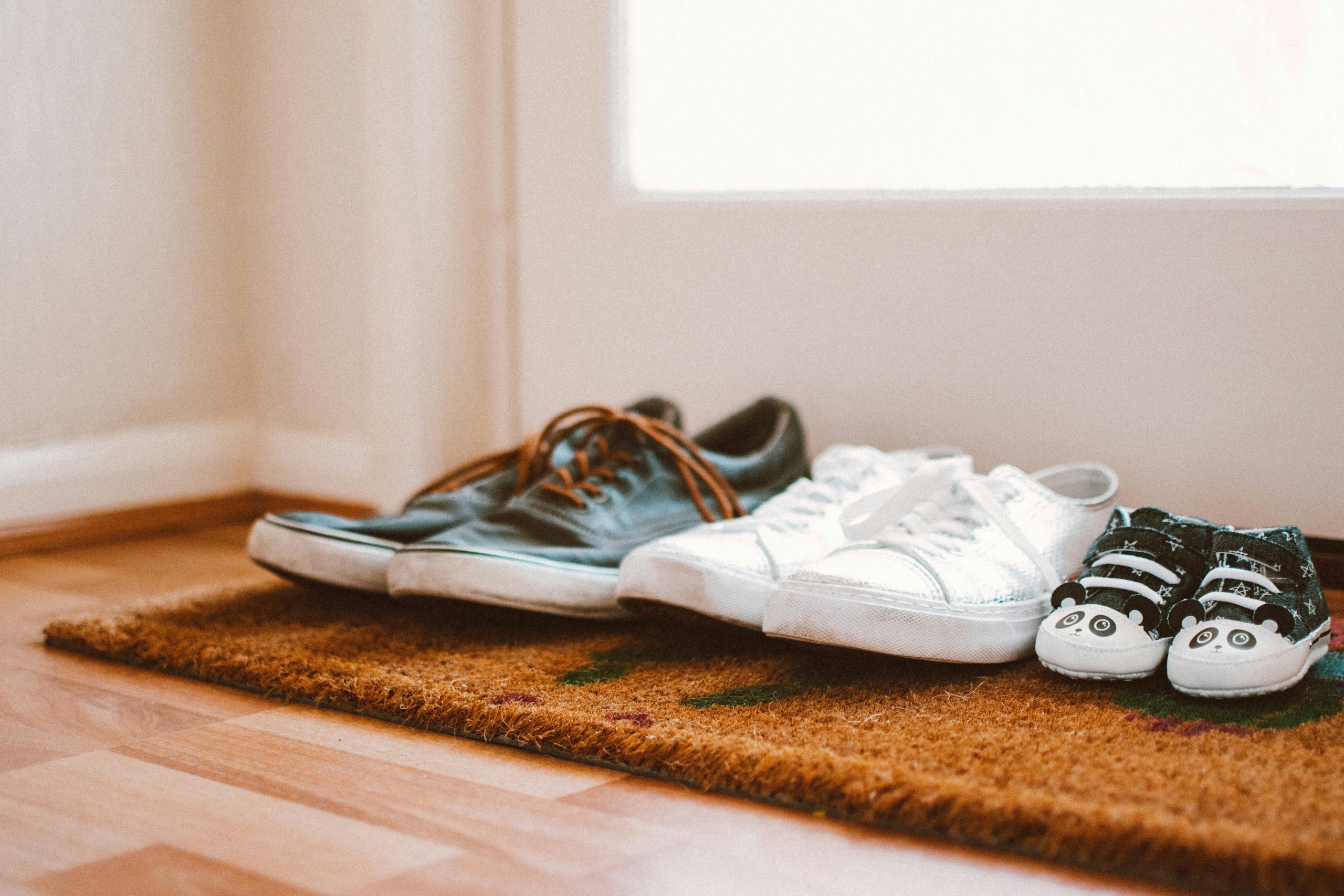
A cluttered entryway can make the home feel smaller even before guests set foot in the living room.The front door of a typical American home is more important than you think. It’s the dumping ground for Amazon boxes, school bags, sneakers, keys, mail, jackets, dog leashes and reusable grocery totes. The home feels small right away when that area stays crowded because the first sight line is blocked and the walkway gets smaller. Small trays for keys, one shoe per person, hooks on the wall and a package spot by the door can go a long way. It’s not about a perfect foyer, it’s not about letting the first five feet of the home become a daily storage pile.
Crowding the Closet Rod
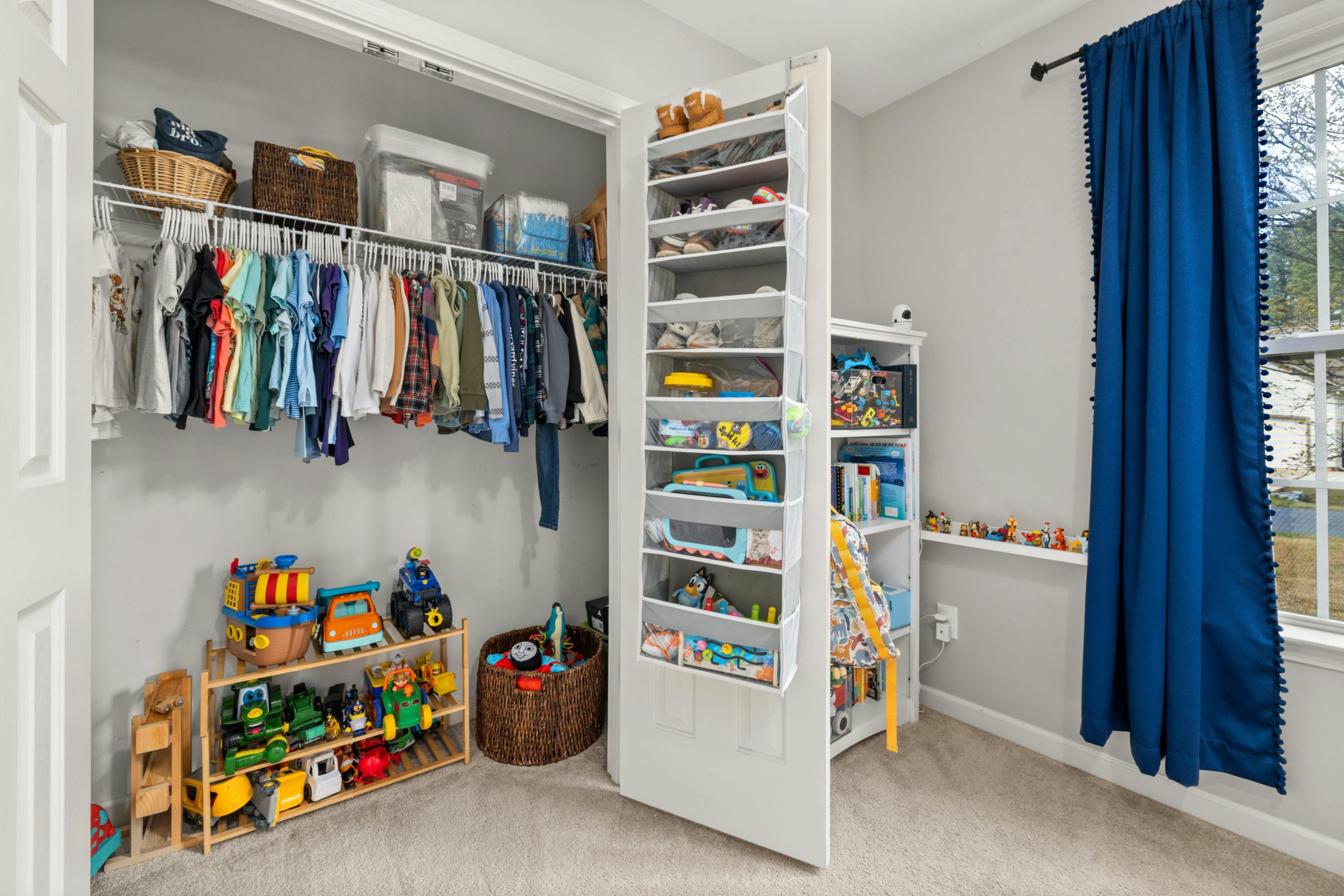
A wardrobe can be full yet still fail at storage.Closet space is one of the quickest ways to make a small bedroom feel smaller. When every hanger is jammed together, clothes get wrinkled, shelves are overflowing, people stop putting things back because nothing moves easily. One closet in many rentals and older homes has to serve double duty as a place to store coats, shoes, laundry overflow, bedding and off-season clothes. That mix creates a hidden pressure. Slim hangers, shelf dividers, seasonal rotation and culling clothes “maybe someday” can help the closet breathe again. A usable wardrobe has room for stuff to move, not just enough force to close the door.
Using Kitchen Counters as Permanent Storag
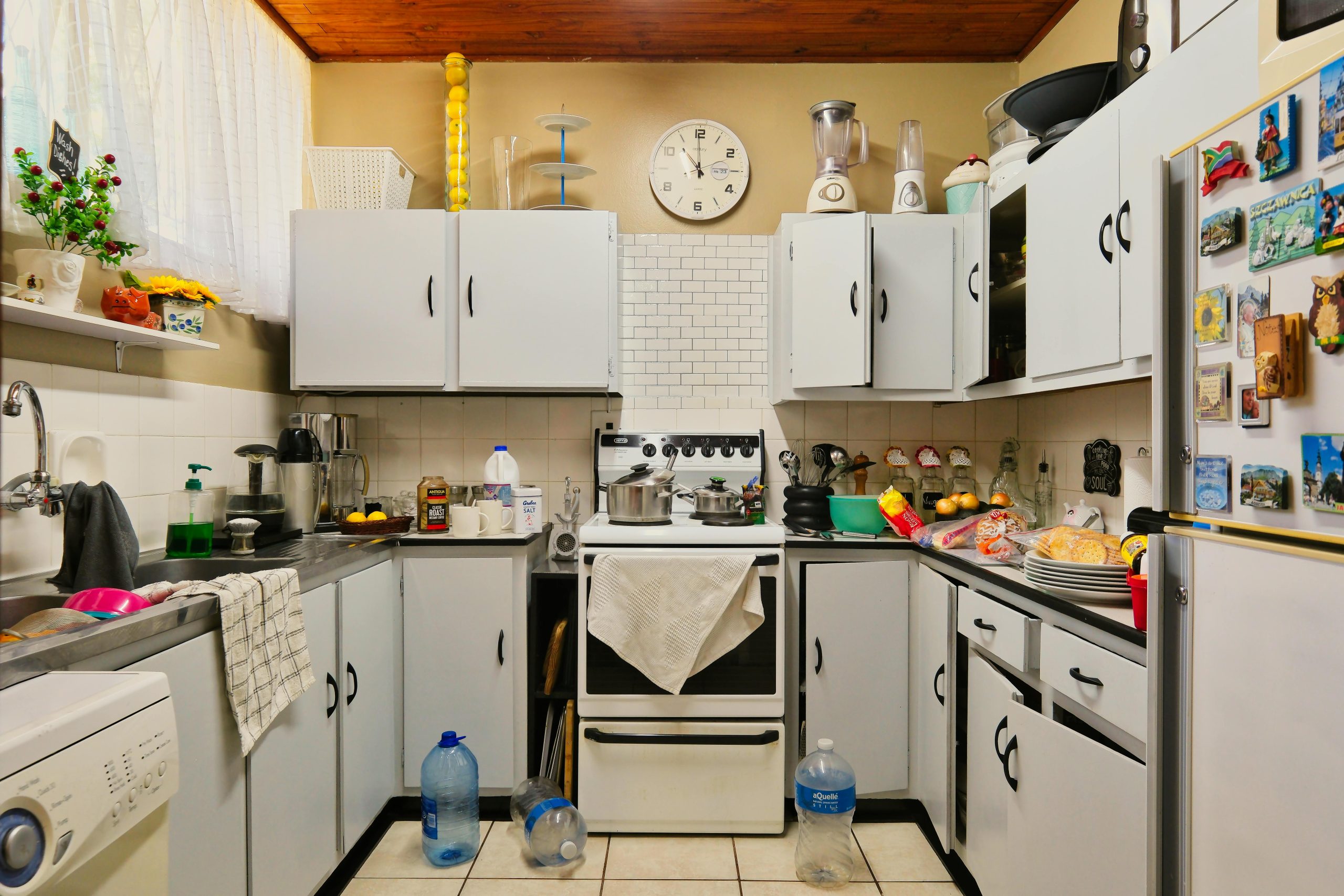
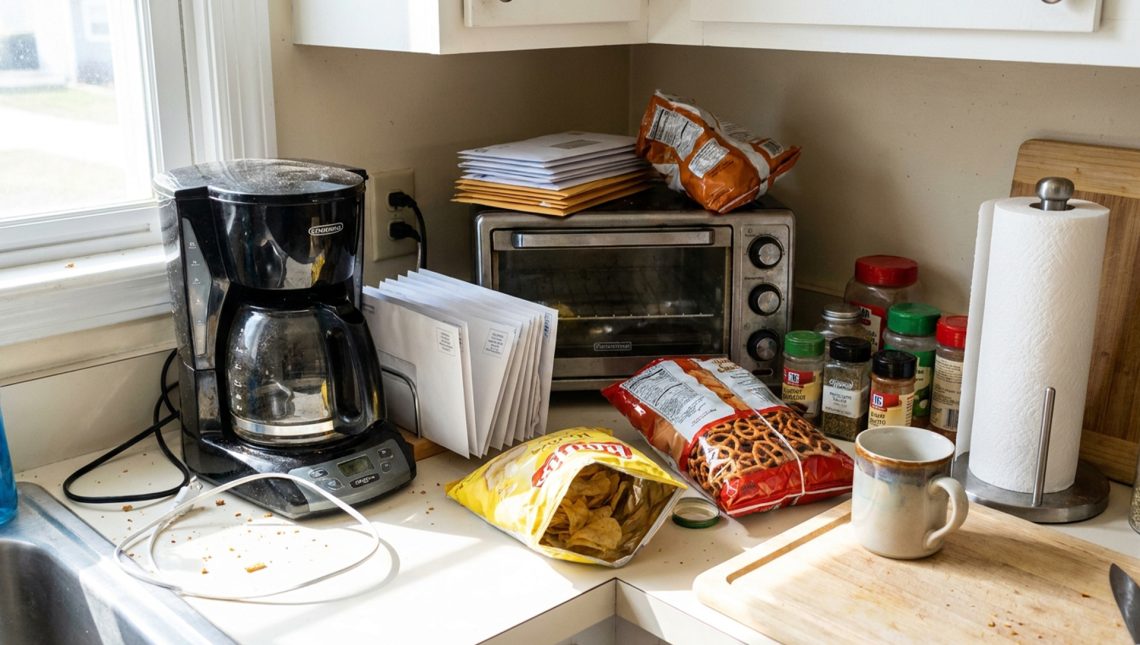
Kitchen counters steal more space than cabinets without a peep.Counter space in a small American kitchen is not storage, it is work space. The toaster, the blender, the paper towels, the vitamins, the mail, the fruit bowls, the spice jars, the snack bags, they’re all out all the time. The kitchen is busy even when it’s technically clean. The error is to consider the counter a pantry shelf. A better way is to keep only the daily used items and store the occasional appliances in a cabinet, on a shelf or in a rolling cart. Even clearing one corner can make cooking seem easier. Small kitchens seem bigger with long, uninterrupted counter lines rather than scattered objects
Treating Under-Bed Space Like a Junk Drawer.
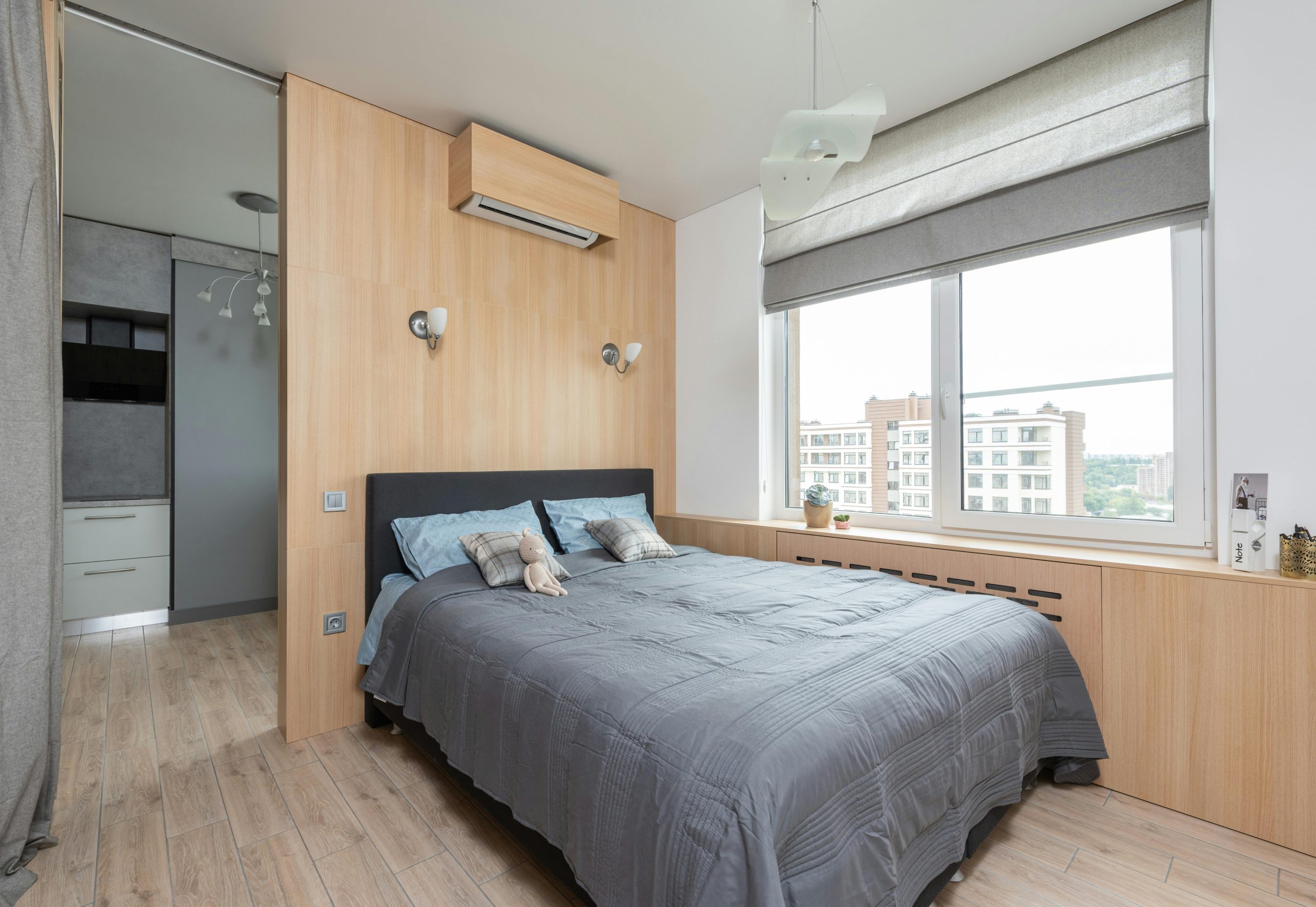
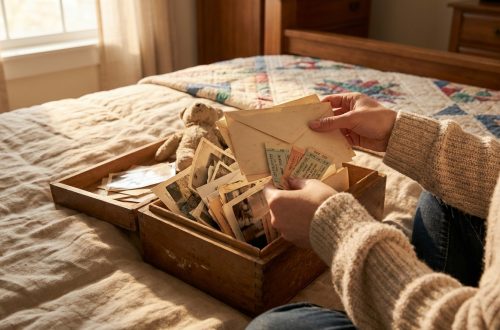
Under bed storage can become clutter that you forget about but still sense.Storing things under a bed may sound like a smart fix for a small bedroom, but loose storage can backfire. Shoes, gift bags, old papers, cords and half-filled boxes tend to get shoved under there for no reason at all. Which makes vacuuming harder, traps dust, and turns the bed into a hidden junk drawer. In many apartments, this space works better for flat, labelled containers: seasonal bedding, winter sweaters, extra sheets, or keepsakes that are not needed weekly. The key is the access. If it doesn’t slide out easily, then it’s not being stored properly. Good hidden storage should relieve pressure, not become another spot for clutter to go stale
Overpacking Bathroom Cabinets.
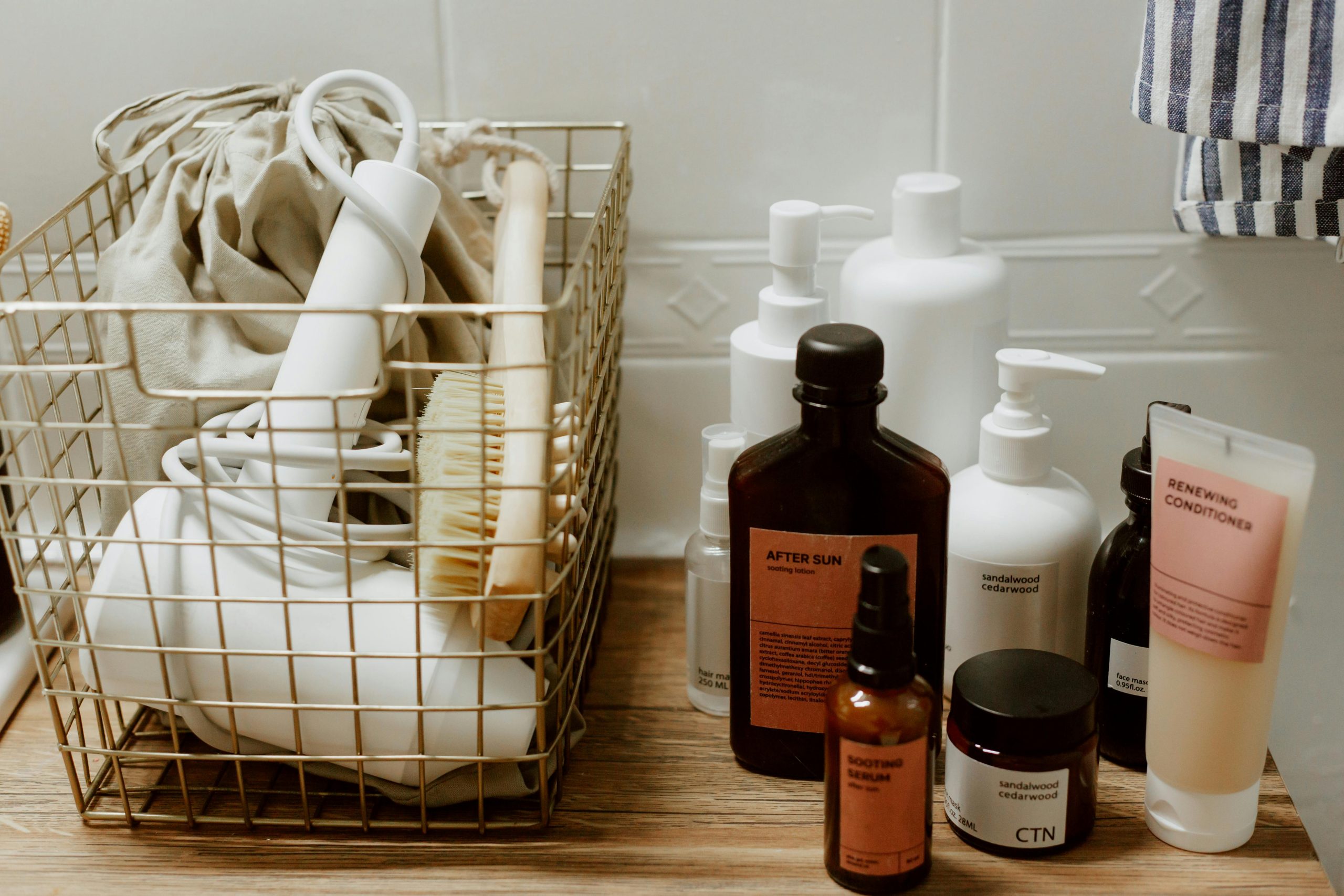
Bathroom storage fills up fast with small things that multiply quietly.Half-used bottles, hair tools, extra soap, medicine, cleaning sprays, travel-size toiletries and backup toiletries often crowd the vanity cabinets in suburban bathrooms, rental apartments and older homes. The thing is, little things seem innocuous enough one at a time, so people keep piling on. Soon the cabinet is full, but the things you need every morning are hard to reach. Grouping products by use – daily care, cleaning, backup supplies, and hair tools – can show what’s actually taking up space. Throwing out expired or empty products helps, too. The washbasin area and cabinet no longer competing for attention, a bathroom looks larger.
Letting Living Room Surfaces Hold Everything.
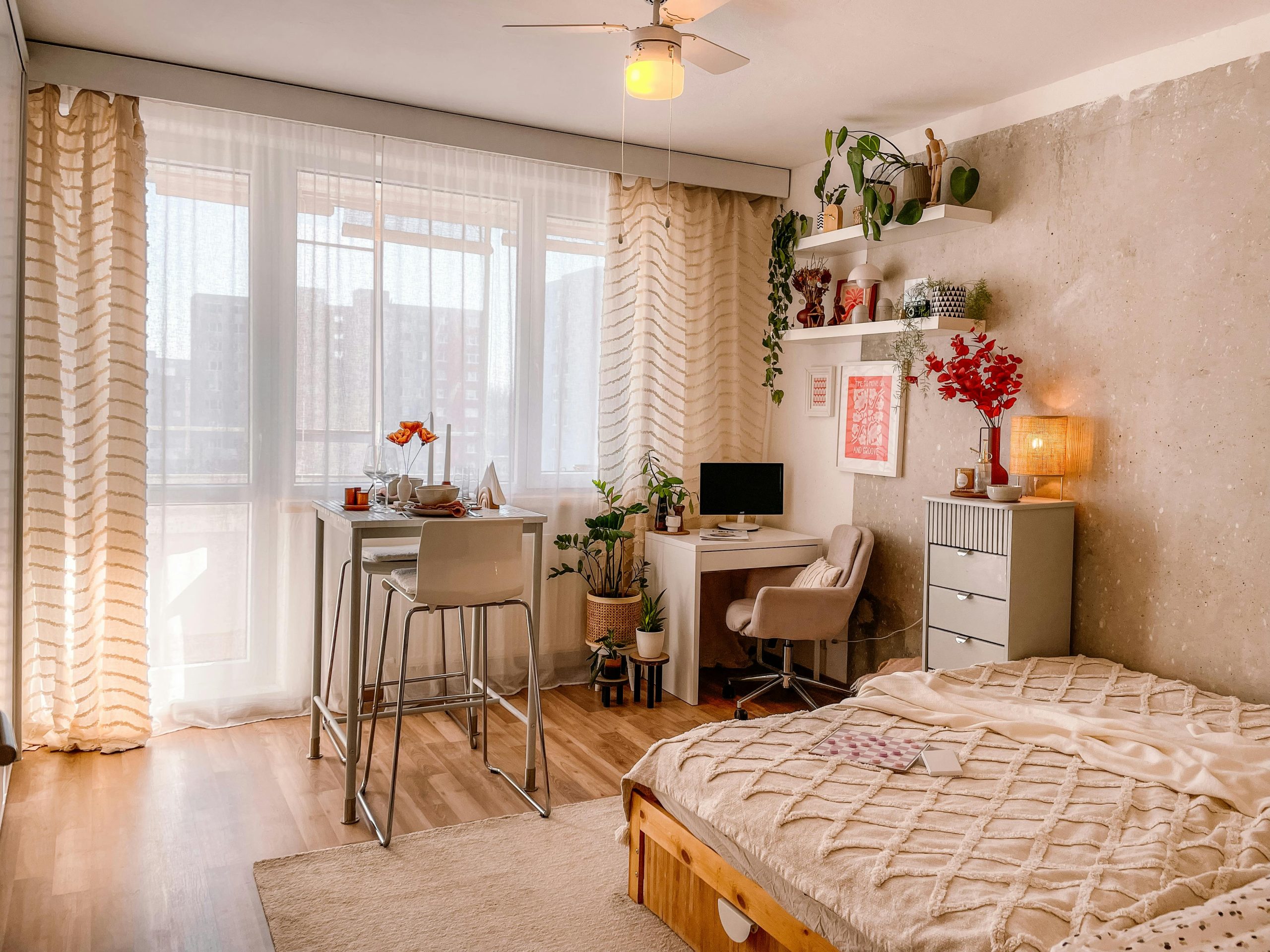
In a small living room, everything is being asked to do too much and it can feel crowded.In many American living rooms, the coffee table is a command center for remotes, cups, mail, chargers, snacks, toys, books and folded blankets. The room isn’t messy in a dramatic way, but every surface seems busy. Visual noise like that makes a small room feel even more cramped as there’s no place for the eye to rest. A remote control tray, a blanket basket, a charging station and a nightly reset can prevent the space from feeling cluttered. The biggest giveaway is if guests have to move things around to sit down or put a drink down. If so, the surface is trying to be too many things
Choosing Bulky Storage Furniture.
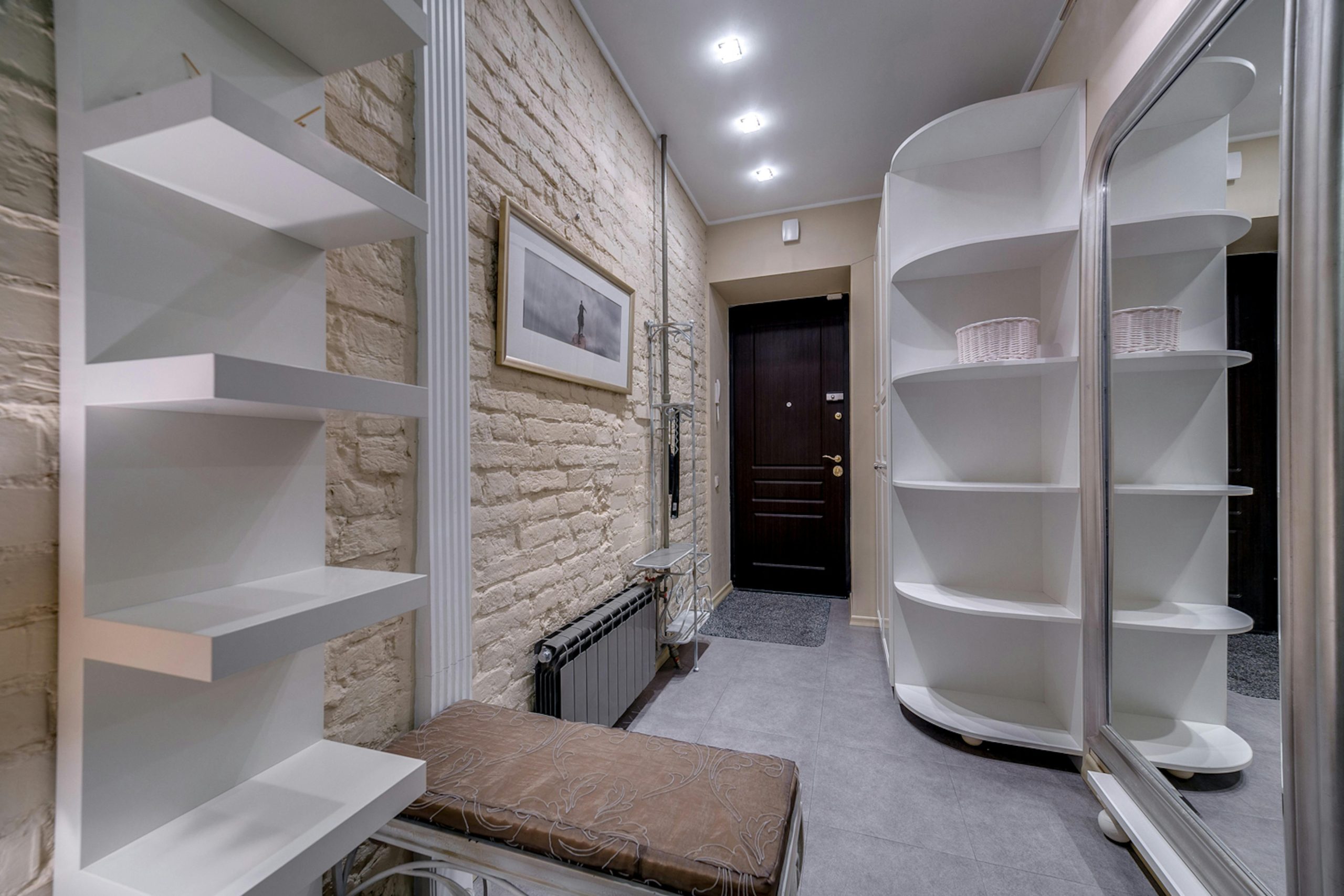
Oversized storage pieces can overwhelm a small room.When a small home feels crowded, it can seem like the answer is to buy another cabinet, cube shelf, trunk or bench. But bulky storage furniture can take up the same floor space it is meant to save. In small bedrooms, apartment living spaces and older homes with compact floor plans, oversized pieces can block traffic pathways, cast shadows in corners and make the walls seem to close in. Better work might be lighter open shelving, taller narrow units, wall-mounted storage, or furniture with hidden compartments. It’s not just about bringing more things. Good storage should make the room easier to move around in and calmer to look at.