Spring cleaning can expose more than dust bunnies and overflowing closets. In many American homes, old game consoles, camera bags, small appliances that are no longer used, kids’ gear that’s been outgrown, duplicate tools, seasonal decor, and boxes of accessories can quietly take over shelves until next year. Soft resale clues, storage cues and practical sorting habits can help a closet, garage, pantry shelf or laundry-room corner feel easier to manage, and this gallery takes a look at everyday items that may be worth checking before they get buried again.
Check Old Game Consoles Before They Get Buried Again
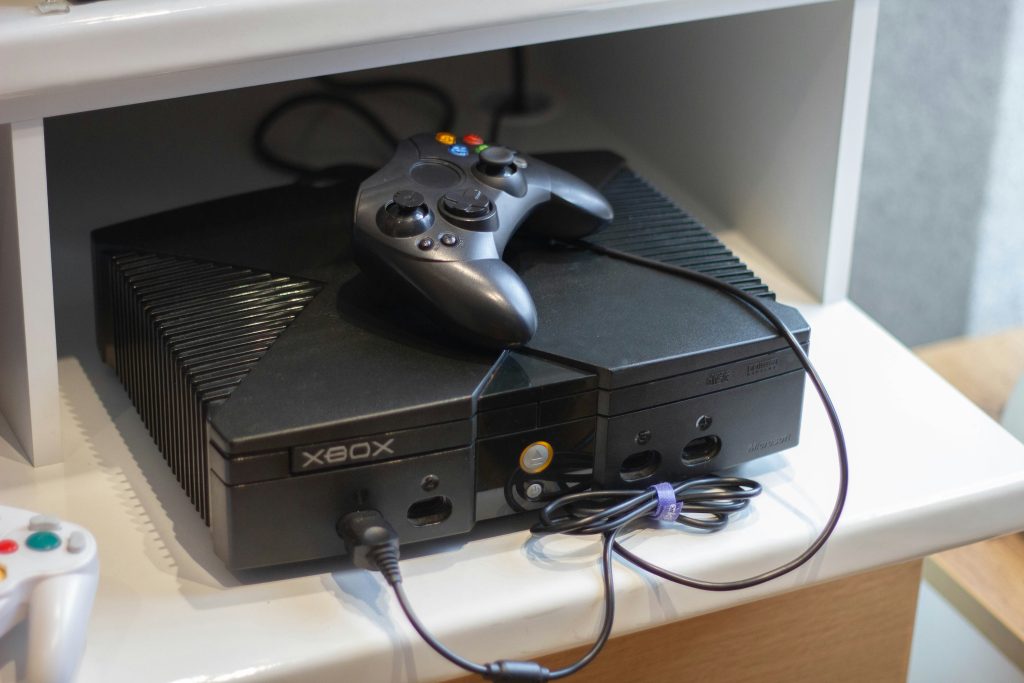
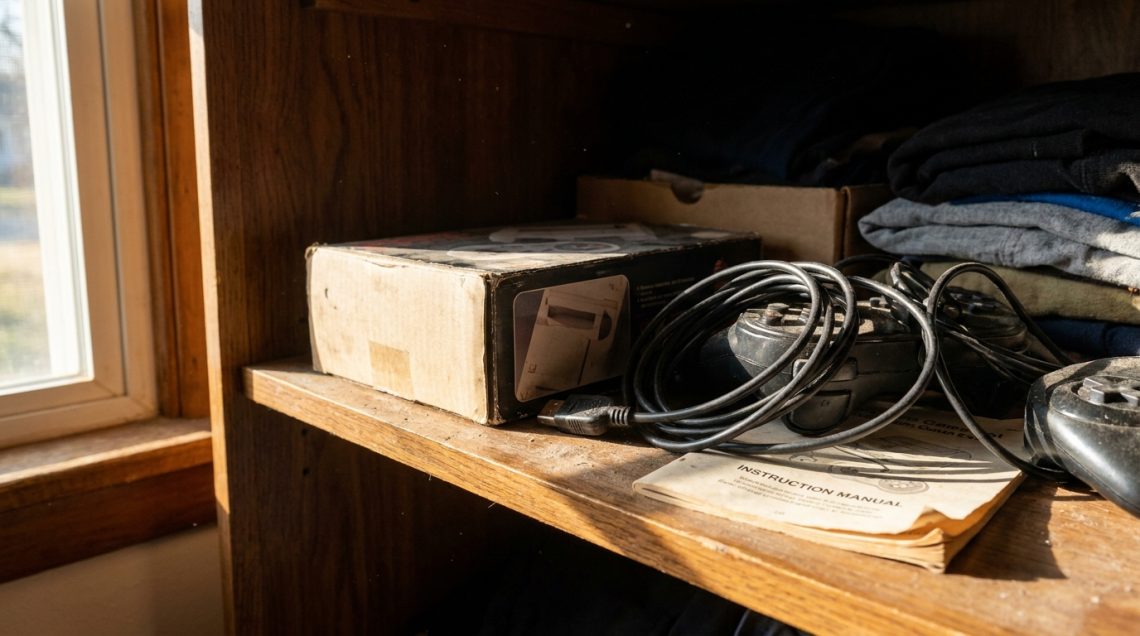
The cords could be more significant than they seem.
Old game consoles get pushed behind streaming boxes, board games or winter blankets until the next big cleanout. If you have any original box or insert, it might be worth gathering up the controller, power cord, HDMI cable, games, and sitting them another year. In many U.S. homes, the lost charger or manual isn’t lost. It’s just in the junk drawer, media cabinet or garage bin. Taking a quick photo of the entire set can also help you determine if selling, donating or keeping is the best choice.
Look at Camera Gear You Have Not Used Since Last Spring
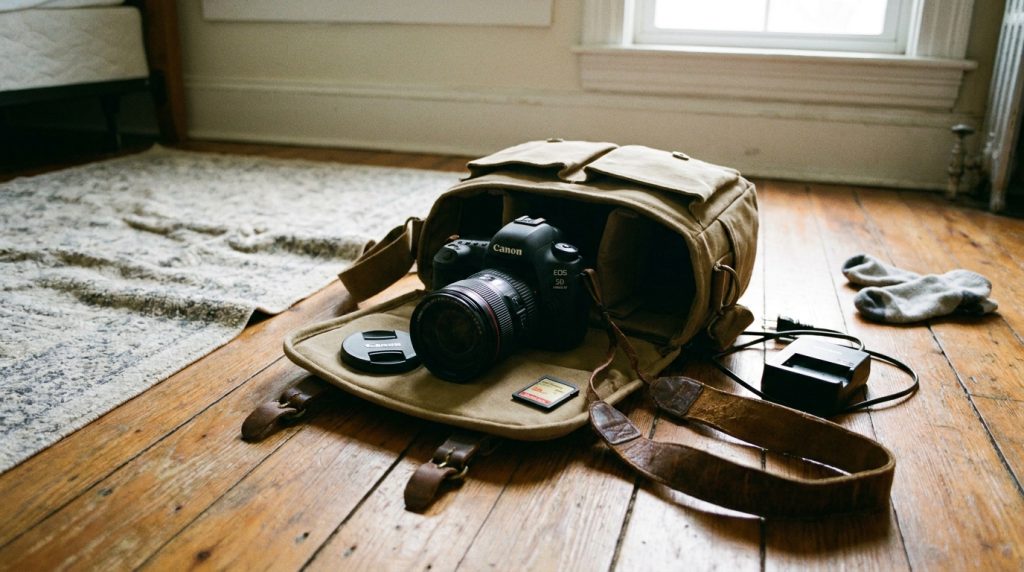
It’s worth getting the camera bag out before it goes back on the shelf
You might think a camera that’s been sitting in a closet since last spring is too old to even consider, but it might be good for someone who’s learning photography or replacing a simple travel camera. First go through the pockets of your bag: batteries, chargers, lens caps, straps, memory cards and manuals tend to get stashed in zippered areas. This gear could be spread across a typical American household in a closet shelf, a desk drawer, and an electronics bin. Group it first. This makes the decision to sell or keep easier and prevents a half-complete listing.
Pull Out Small Appliances That Only Take Up Shelf Space

One shelf can slowly become an appliance parking lot.
Small appliances are easy to retain because they seem useful “someday.” But if the mini griddle, extra blender, rice cooker or second slow cooker hasn’t seen action since last spring, it might be time to take a closer look. These items occupy shelf space in many U.S. kitchens for daily cookware, lunch containers or pantry staples. Before listing one, ensure the cord, lid, insert and attachments are together. If it’s clean, complete and easy to photograph it may be a better sell item than a cabinet-filler
Review Sports Gear Before Summer Activities Start
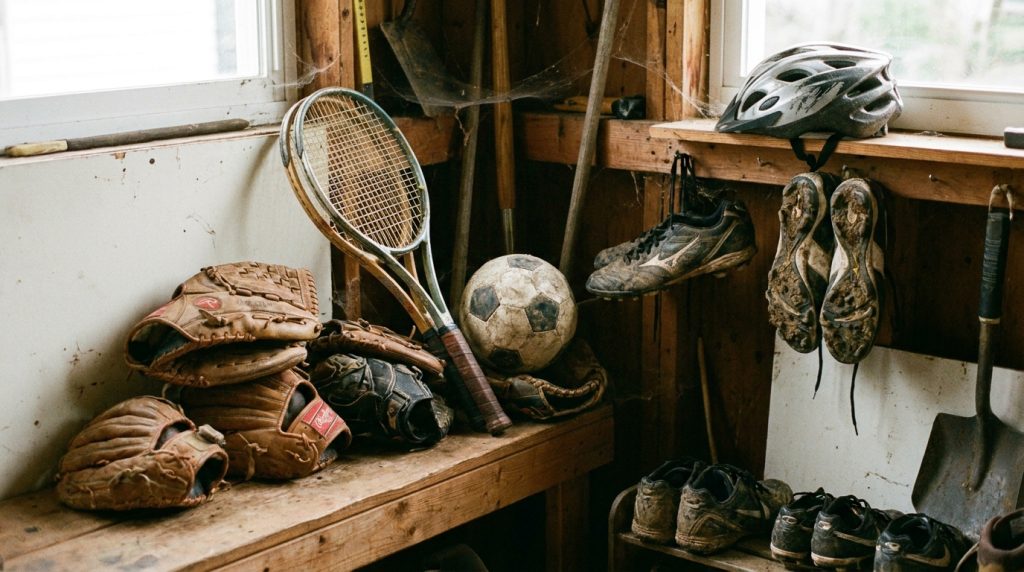
The garage may already be aware that your family no longer uses it.
Sports gear piles up by the garage door because it is seasonal, useful, and not quite ready to go. But before the summer schedules are filled up, it may be worth checking what still fits, what still has a matching pair and what has not been touched since last year. Baseball gloves, rackets, skates, cleats, helmets and backyard games may be more organized now than they were after another scorching summer in the garage. It’s easier to photograph clean, complete, lightly used gear too, as families plan camps, leagues and weekend activities.
Sort Kids’ Outdoor Items Before They Outgrow Them
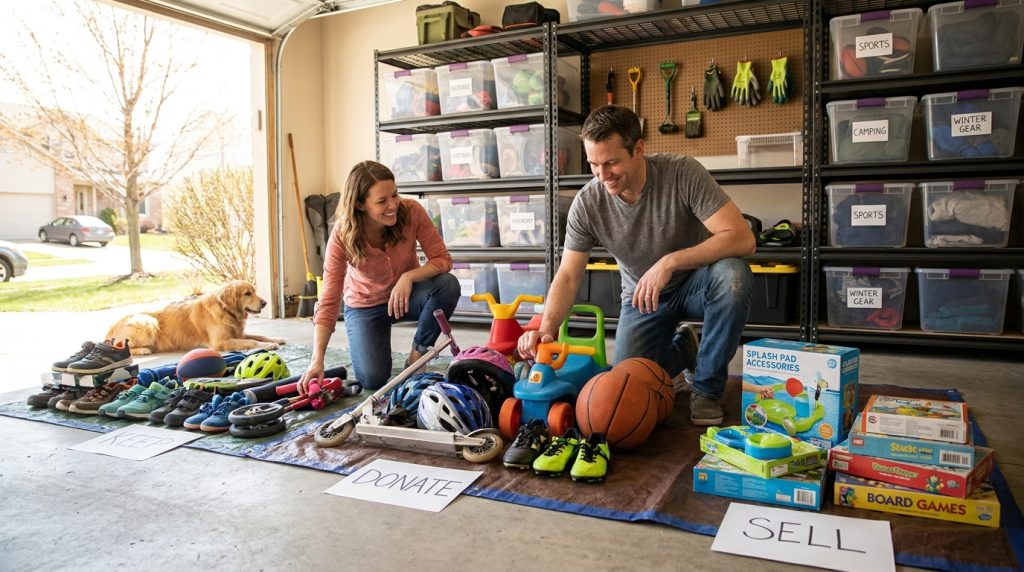
It might be outgrown before summer even begins.
Spring always comes back, so kids’ outdoor stuff can sit in the garage for months and still feel worth keeping. The catch is that children may outgrow scooters, helmets, sport shoes, splash pads, ride-on toys and backyard games before the next season rolls around. A quick look at size and condition can prevent another year of storing things that no longer fit your family. This is often when many U.S. households go through their belongings and separate items that can be sold from those that will be donated or thrown away.
Check Designer Bags or Shoes Sitting in Boxes
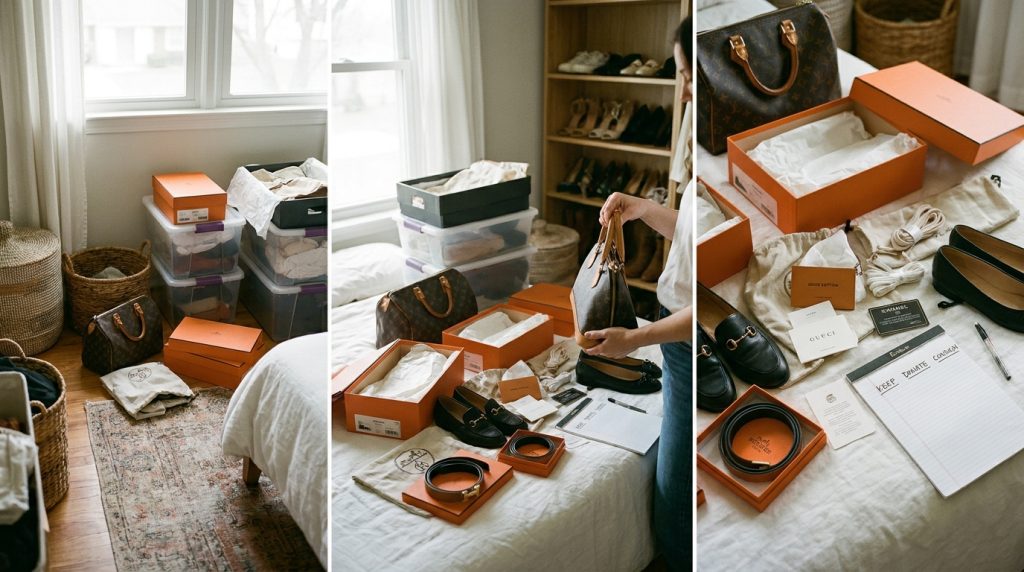
The box can be as important as the article.
Bags, shoes, belts and accessories can sit in boxes for years because they’re too nice to donate and too much work to sell. Spring is a good time to pull them into daylight and check condition, size, dust bags, inserts, spare laces, and original packaging. Those little extras often end up scattered among shelves, drawers and entryway baskets in U.S. closets. A thorough, clean, well-lit photo set might help you decide if the item is worth listing, consigning, gifting, donating or, finally, keeping with intention.
Gather Duplicate Tools Taking Over the Garage
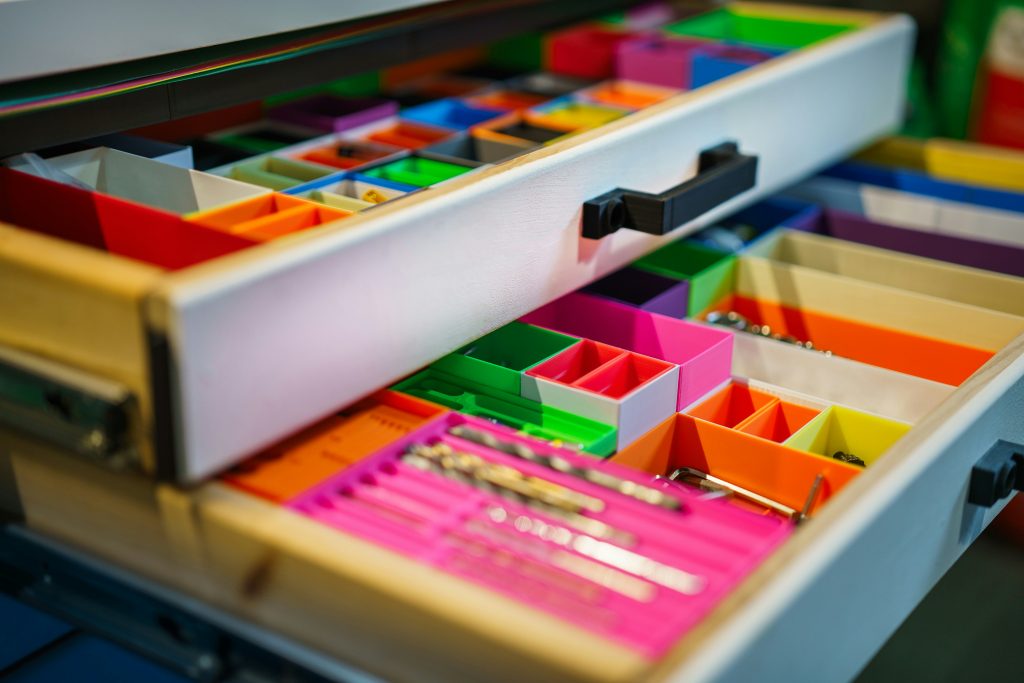
Perhaps you don’t need six of the same screwdriver.
Garages amass duplicates at a glacier’s pace. One extra tape measure here, another set of screwdrivers there, a second wrench set after a weekend project. This may seem a useful addition by spring but every repair is made harder to begin with. Group similar tools before deciding what to sell, donate or keep in a small household kit. Basic duplicates in good condition can be useful to a new renter, student, first-time homeowner or local buyer in many American garages. Worn pieces may be better recycled according to local rules.
Review Seasonal Decor Before Buying More

It’s easy to buy more decor when you have the bin from last year hidden away.
Seasonal decor is one of the easiest to forget about because it lives in a bin for most of the year. Before you buy another wreath, porch sign, table runner or holiday candle holder, it might be worth opening every spring bin and checking out what still fits your home. Many American homes wind up with duplicate decorations just because the old ones weren’t seen on a store visit. When they are in season you can set aside clean, whole pieces you no longer use when another homeowner or renter might actually be looking.
Find Original Boxes, Chargers, and Manuals First
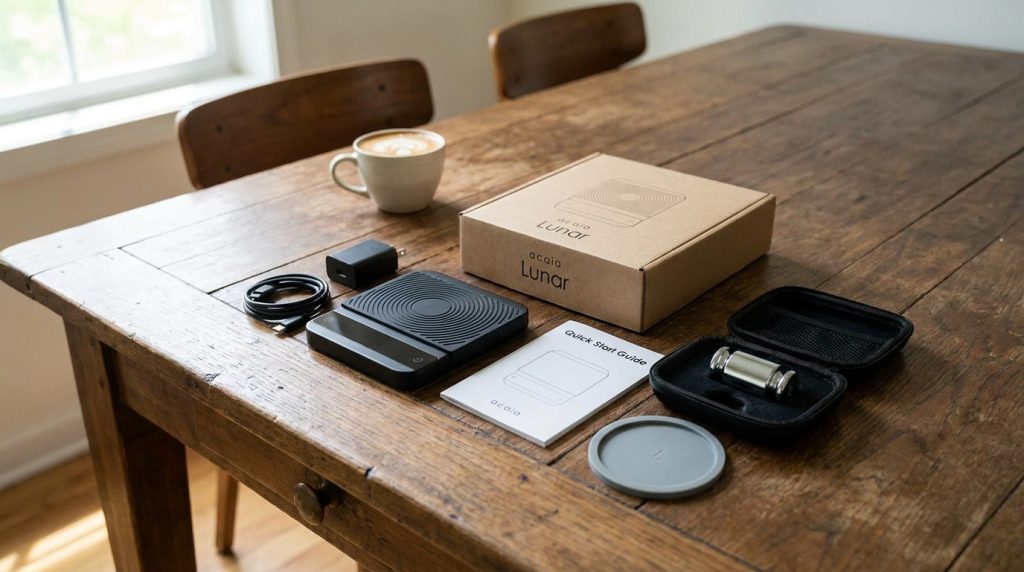
Do not ship the item until the charger drawer is checked.
Selling electronics, appliances, cameras, tools, or kids’ gear? See what extras you have first. In a rush to move or clean out, the original boxes, chargers, manuals, remotes, attachments, cases and spare parts are often separated. In an average American home, those pieces could be found in a kitchen junk drawer, an office cabinet, a laundry room basket or a garage tote. Having them prior to photos can save time and keep a listing from being a scavenger hunt. It will help you decide if the item is better to sell, donate, recycle or keep.
Create a Sell, Donate, or Keep Pile Before the Closet Fills Back Up

The count of the pile before the closet fills up again.
The easiest spring mistake is to just make one big pile and call it progress. A better reset is to create clear sell, donate, keep, recycle and repair zones before anything goes back in the closet. In many U.S. homes, things drift back to shelves because the decision was never made. Set a firm sell-by date, display donation items by the door, and return only true keepers to storage. This simple system can make the closet, garage or spare room feel lighter before summer routines start adding new stuff.