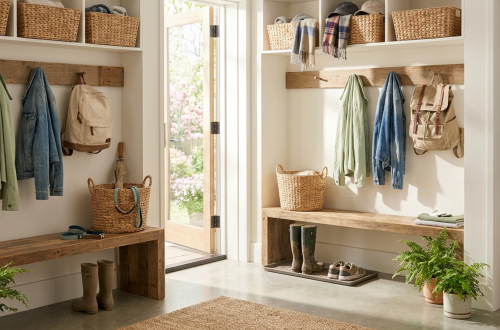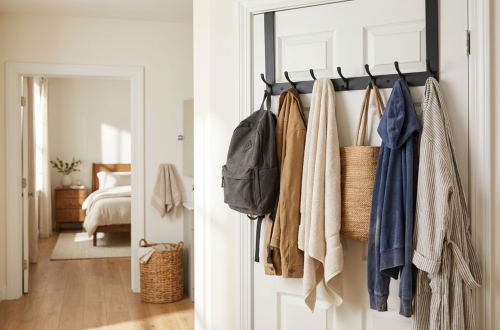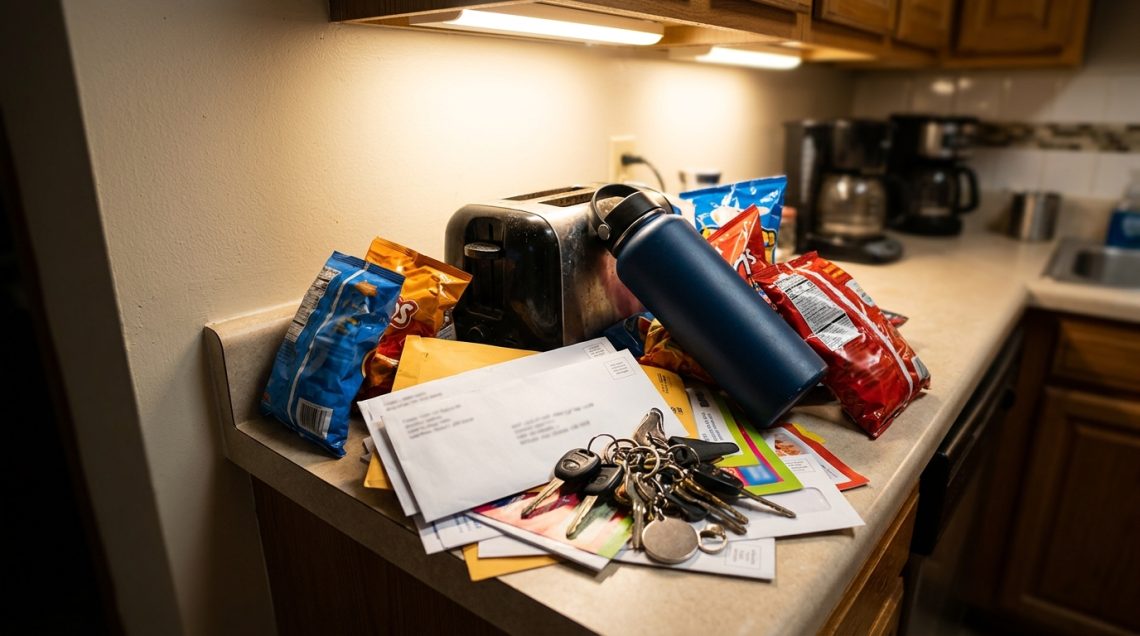
In a small American apartment, the kitchen counter often becomes the first place everything lands: mail, snacks, water bottles, grocery bags, keys, chargers, dish racks, spices, and appliances that never move. The problem is not always laziness. It is usually a mix of limited cabinets, no pantry, rental restrictions, and daily routines that quietly turn one surface into a crowded storage zone. These small habits can make a kitchen feel tighter, harder to clean, and more stressful after every grocery run. Here are the counter-clutter habits many renters notice too late—and the visual clues that show when a “temporary spot” has become permanent storage.
Mail Piles That Turn the Kitchen Into an Inbox
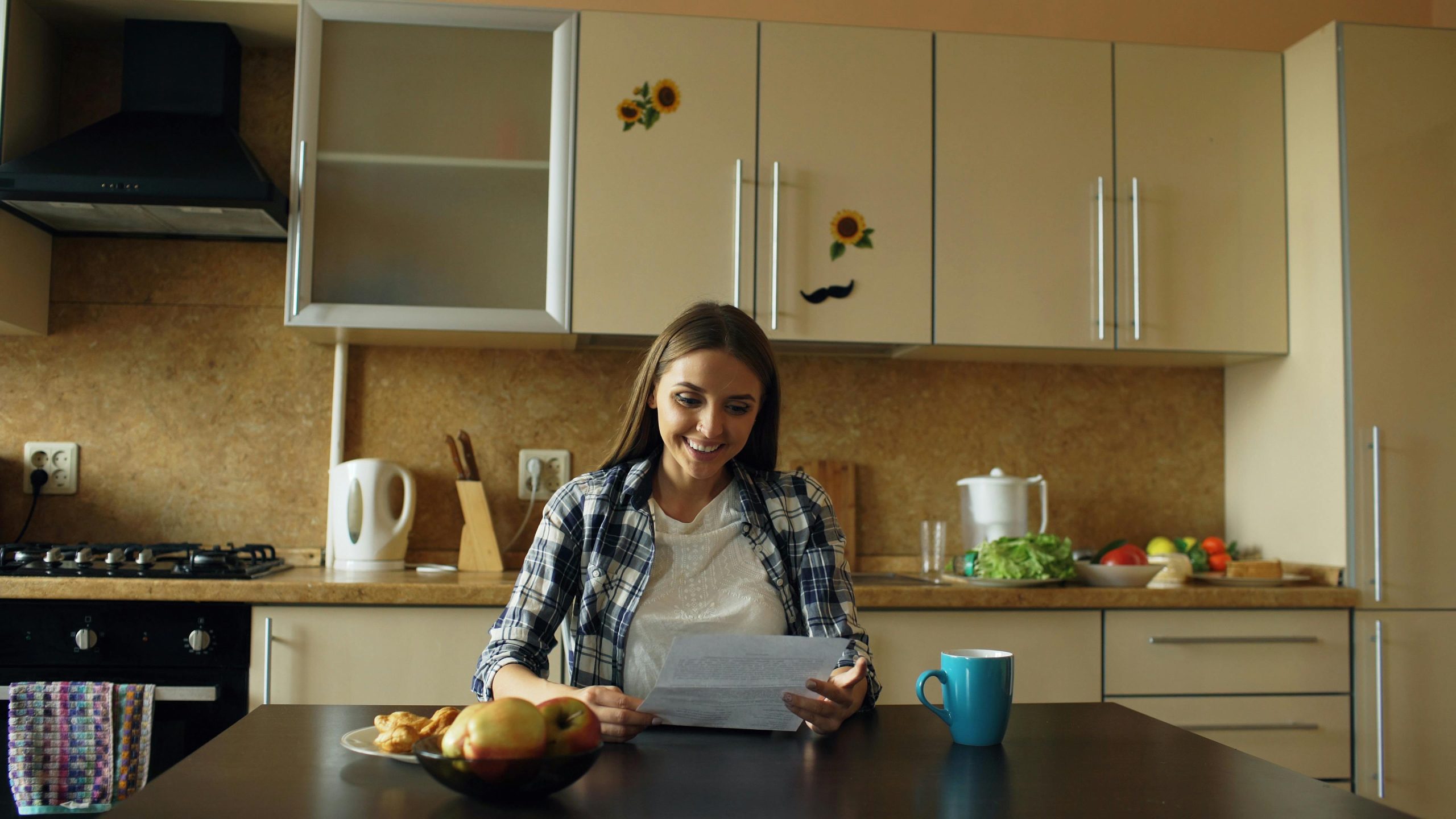
Your counter is becoming a mailbox.In many U.S. apartments, mail gets dumped in the kitchen, the first flat surface after the door. One envelope turns into a stack of receipts and then coupons and school notices and take-out menus and papers that seem too important to throw away. The real problem is that the counter stops being a prep space and turns into a holding area. Paper piles that sit near the sink or stove become more difficult to sort through as they get mixed with the groceries, keys and daily clutter. A small wall folder, entry tray or once-a-day paper reset can keep the kitchen from becoming the household inbox.
Snack Overflow That Makes the Counter Look Like a Pantry
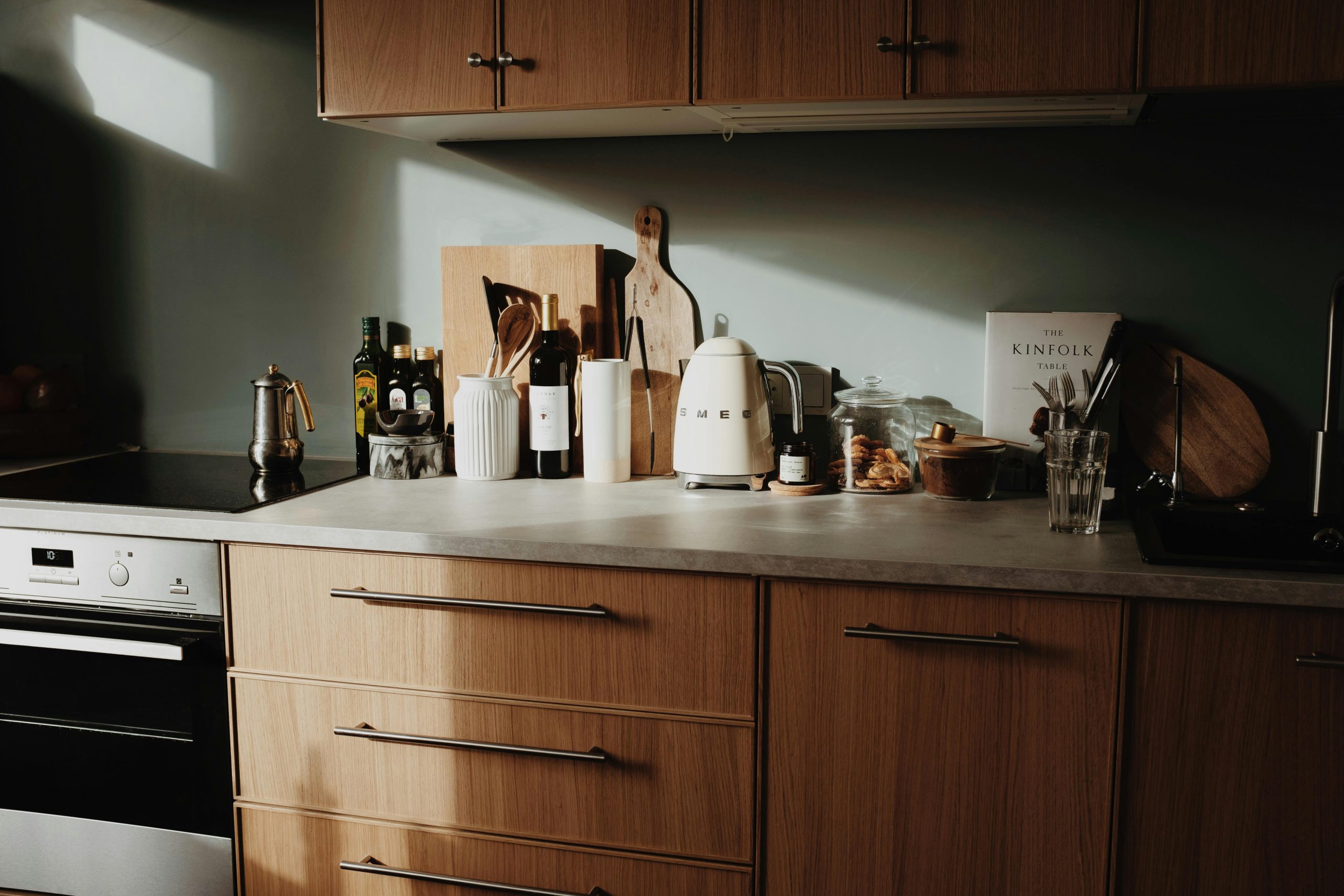
Your pantry is stealing your kitchen.In a typical American flat, snacks are often left out because they’re used every day and there’s no real pantry. The trouble starts when a single box of cereal or a bag of chips becomes a whole row of food storage in view. Even when it is clean, this makes the kitchen look busy. It also hides spills, crumbs and duplicate grocery items since everything merges into one. A single snack bin, rolling cart, cabinet shelf riser or “open first” basket can keep snacks at the ready without turning the counter into permanent pantry space.
Small Appliances Left Out Full-Time
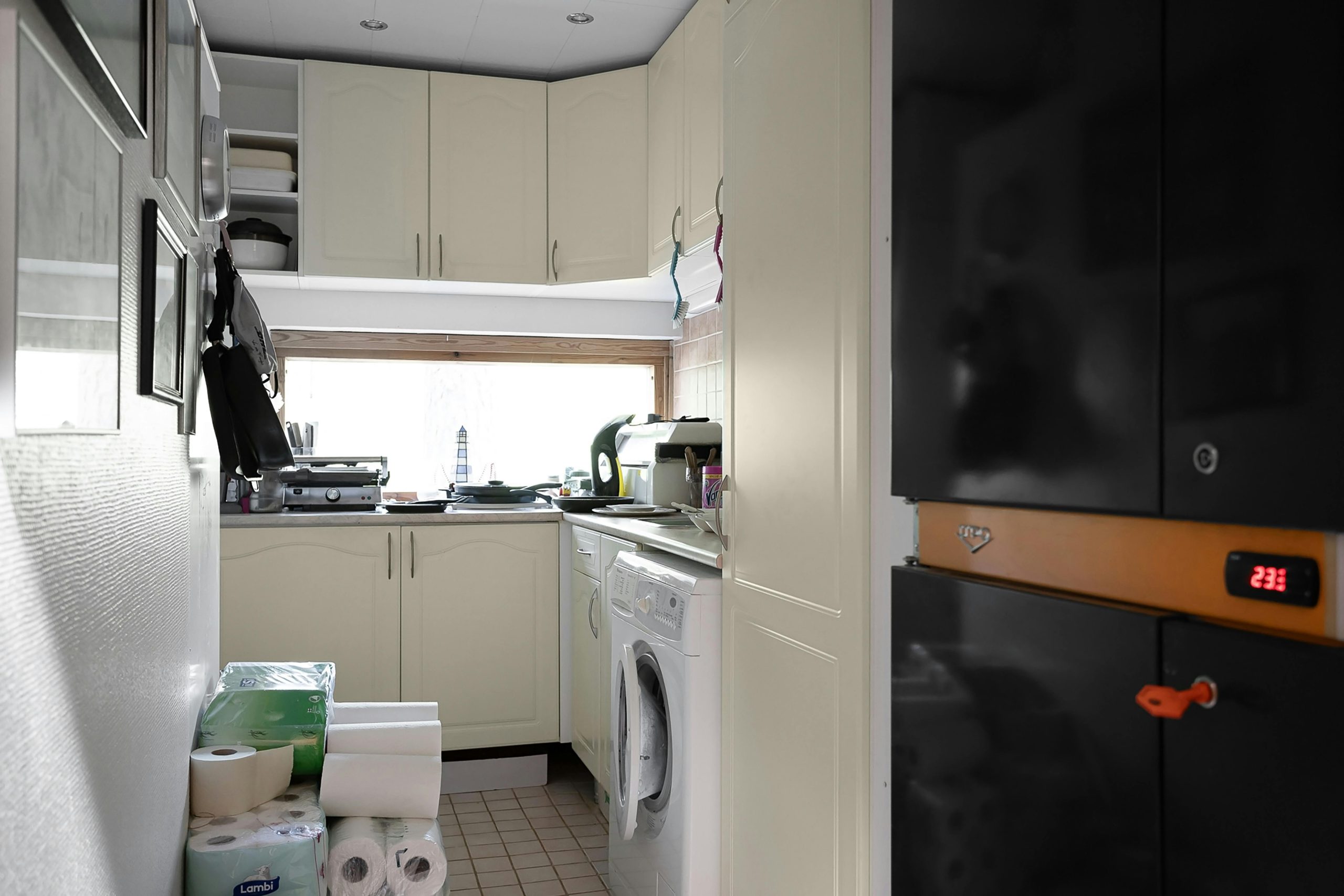
Your favourite appliance could be shrinking your kitchen.Small appliances look good until they take up permanent residence In small rentals in the U.S. the only prep space can be taken up by a toaster, air fryer, blender, coffee maker, and mixer. The trick is not to hide everything, it is to distinguish the daily use from the occasional use. Coffee makers might get counter space, but that blender you use twice a week might not. Lower cabinet, rolling cart, shelf or appliance zone will keep counter from becoming a gadget showroom. The visual clue is simple: if you have to shift an appliance before chopping vegetables, the counter is already doing storage duty.
Dish Racks That Become Permanent Storage
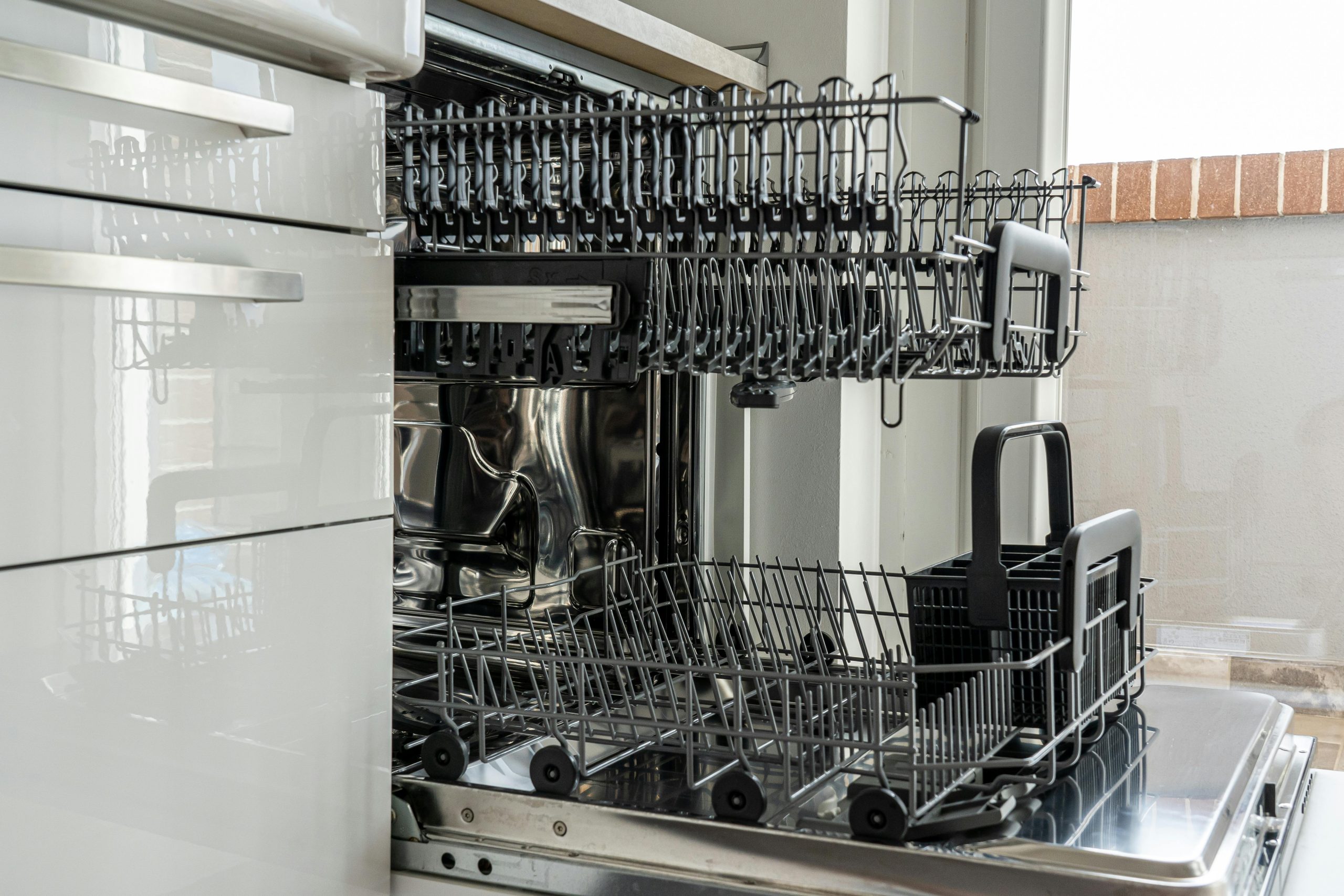
Your dish rack might be playing cabinet.In tiny apartments, the dish rack is often a drying tool and becomes permanent storage. The cabinet is full, so plates stay there. Cups stay there because they are going to use them again. The drawer is annoying so the utensils are here. But when the rack is always full the counter never resets. In many American kitchens that makes the washbasin area look messy even after washing the dishes. A smaller rack, a folding drying mat, an over-sink rack or a “empty before bed” rule can make the counter feel bigger without a full kitchen makeover.
Water Bottles Taking Over Every Surface
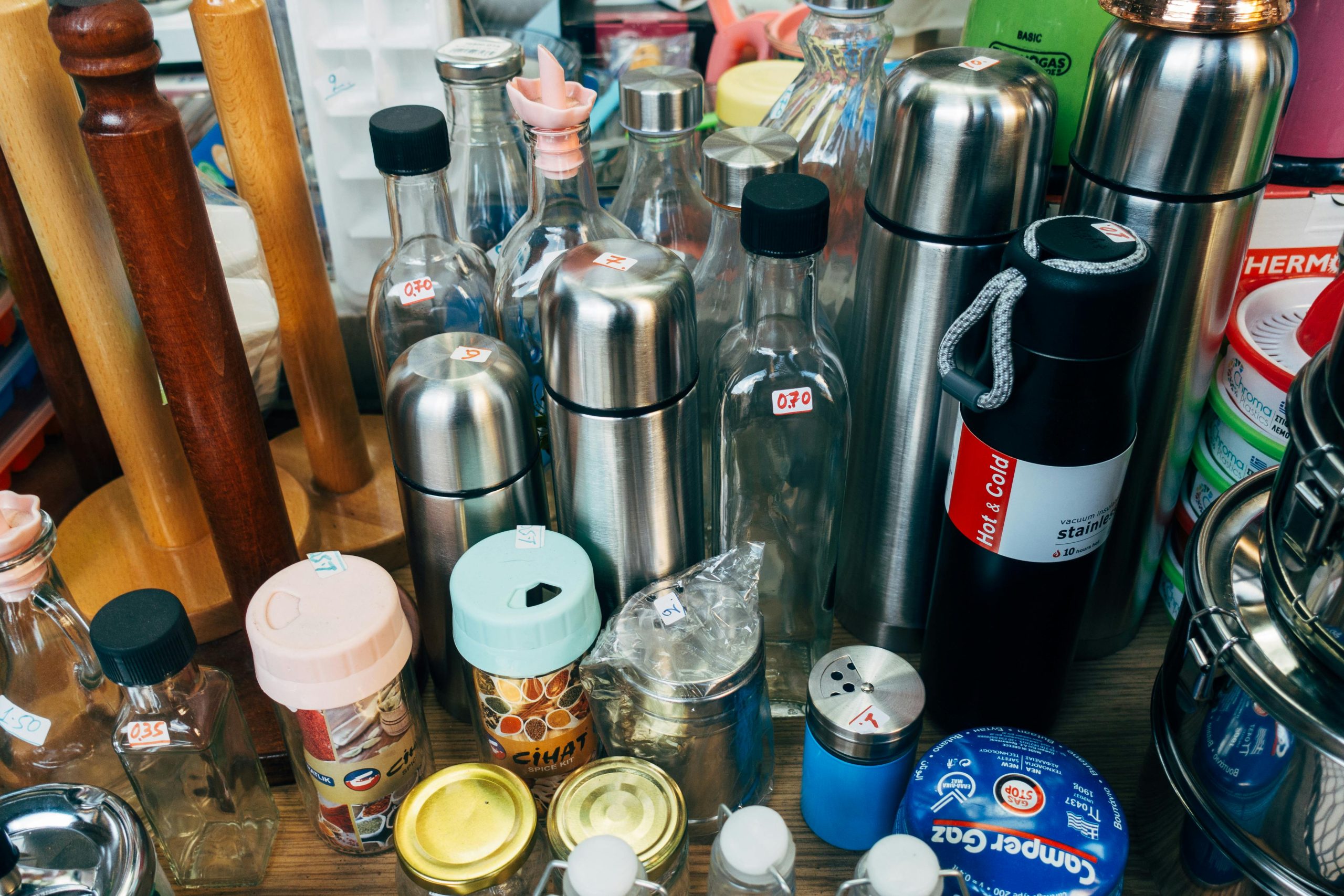
Water bottles can clutter up a counter as fast as dishes can.Reusable bottles are great, but they tend to multiply into a counter problem in a small apartment. One bottle dries by the sink, One bottle waits for work, One bottle belongs to a kid And the lids never seem to match the right cup. This clutter looks acceptable in many U.S. homes because the bottles are “daily use.” But it still needs a home for daily use. A narrow bin, bottle drawer, over-door holder or one-bottle-per-person rule can keep the counter from becoming a tumbler station. The giveaway is when bottles are left out after they’ve been cleaned and dried.
Spices and Oils Crowding the Backsplash
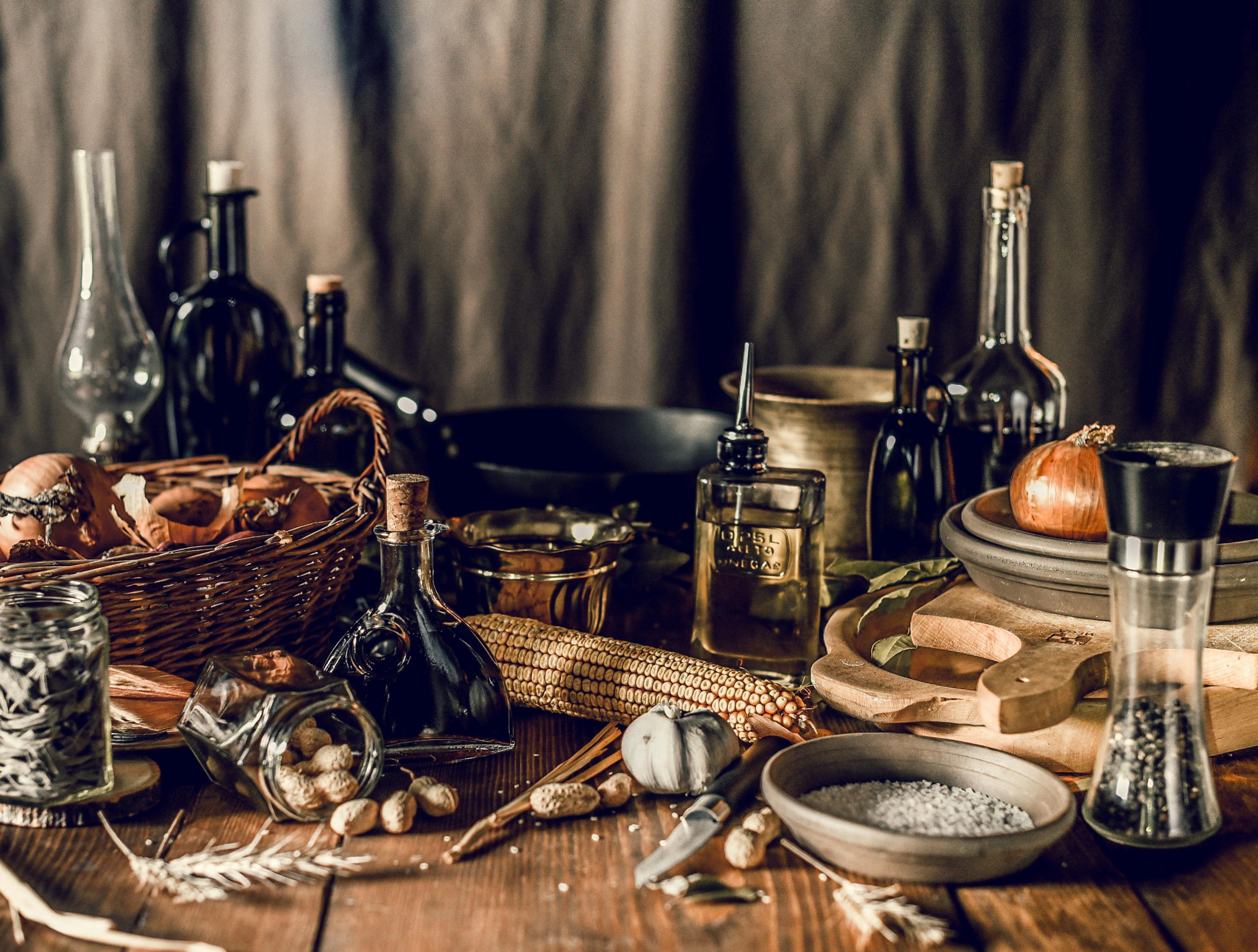
Your backsplash is becoming a storage shelf.Spices and oils are generally left out in a small American kitchen because they are used in the process of cooking. But the moment the backsplash is a line of jars, spray bottles and oil containers, the counter looks crowded, even when it’s not “dirty.” It can also make it harder to wipe around the stove since everything has to be moved first. A small spice rack, lazy Susan, cabinet-door organiser, or tray can keep often-used items together without letting them sprawl out. The test is simple: if you have to move ten little things to clean the backsplash, those things have become counter storage.
Produce Bowls That Get Too Full
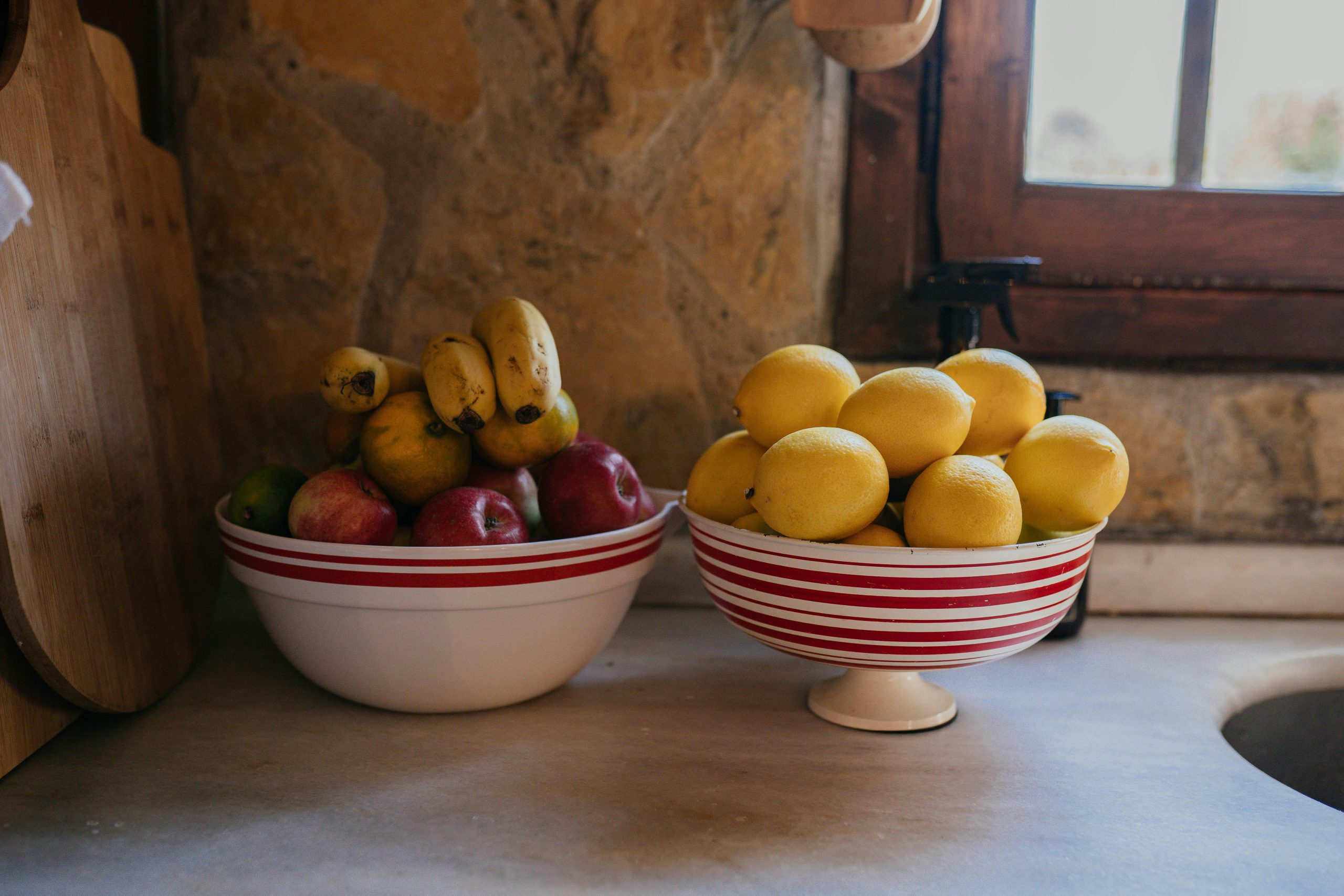
Your fruit bowl could be hiding grocery mess.Produce bowls seem deliberate, until they are filled with all that didn’t fit anywhere else. After a shopping trip, bananas, onions, avocados, apples and snack fruit all pile into one bowl in many U.S. apartments. The bowl quickly overflows onto the counter and older produce is buried under newer produce. That can make the kitchen feel crowded and lead to forgotten food. A smaller bowl, hanging basket, fridge-first sorting habit or “eat first” container can keep produce visible without it turning into counter storage.
Grocery Bags That Linger Too Long
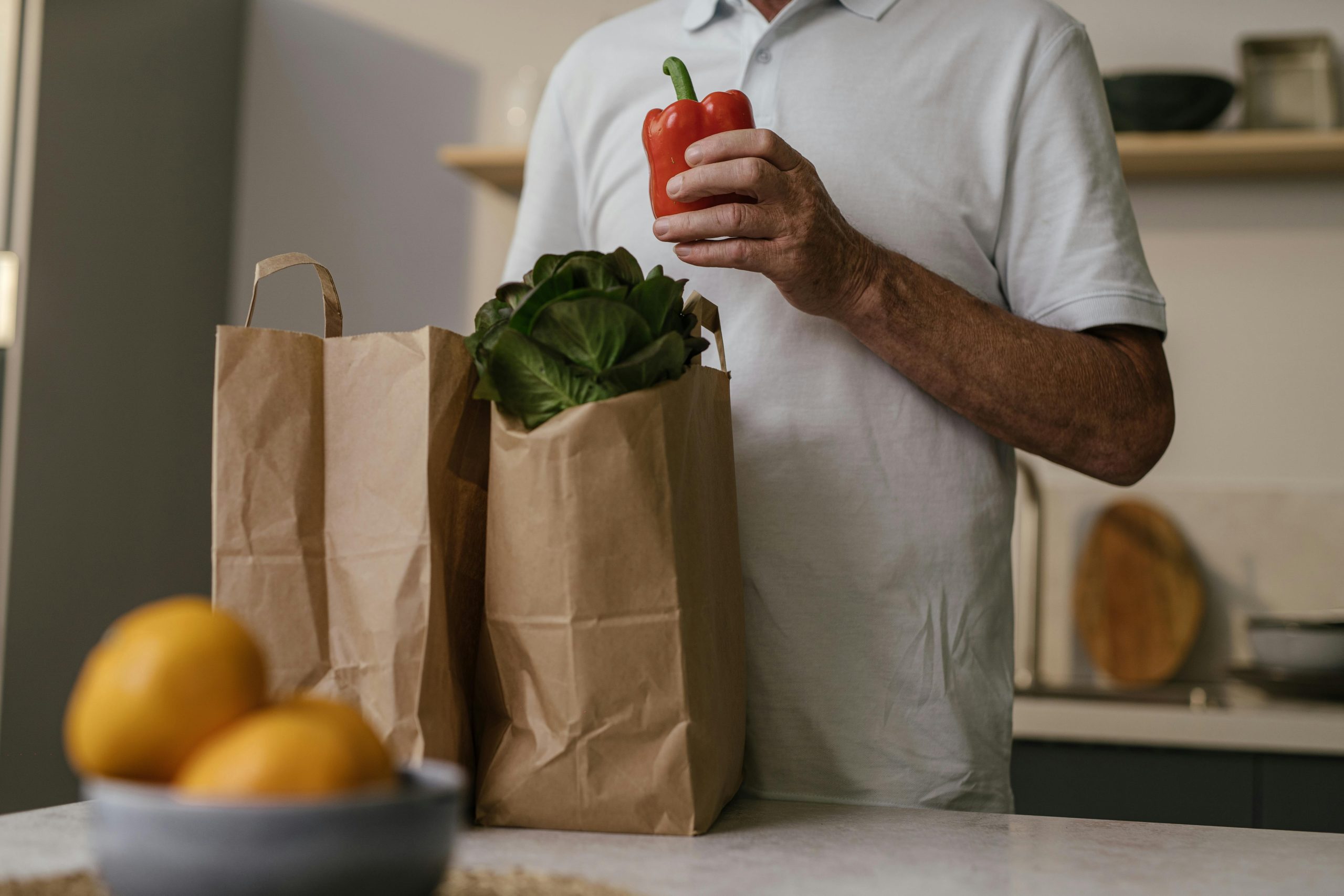
When the groceries are gone, the grocery bags are clutter.Most things go away fairly quickly after a grocery run. The counter problem is usually the leftovers: reusable bags, a can without a shelf spot, a receipt, an item to be returned, or a snack someone is going to move later. Those bags sit for days in small American apartments because they feel connected to an uncompleted task. A bag hook by the door, one folded-bag bin or a “counter clear before dinner” rule can keep grocery bags from becoming kitchen décor. The clue is when the bag is out and empty.
Keys, Chargers, and Random Daily Clutter
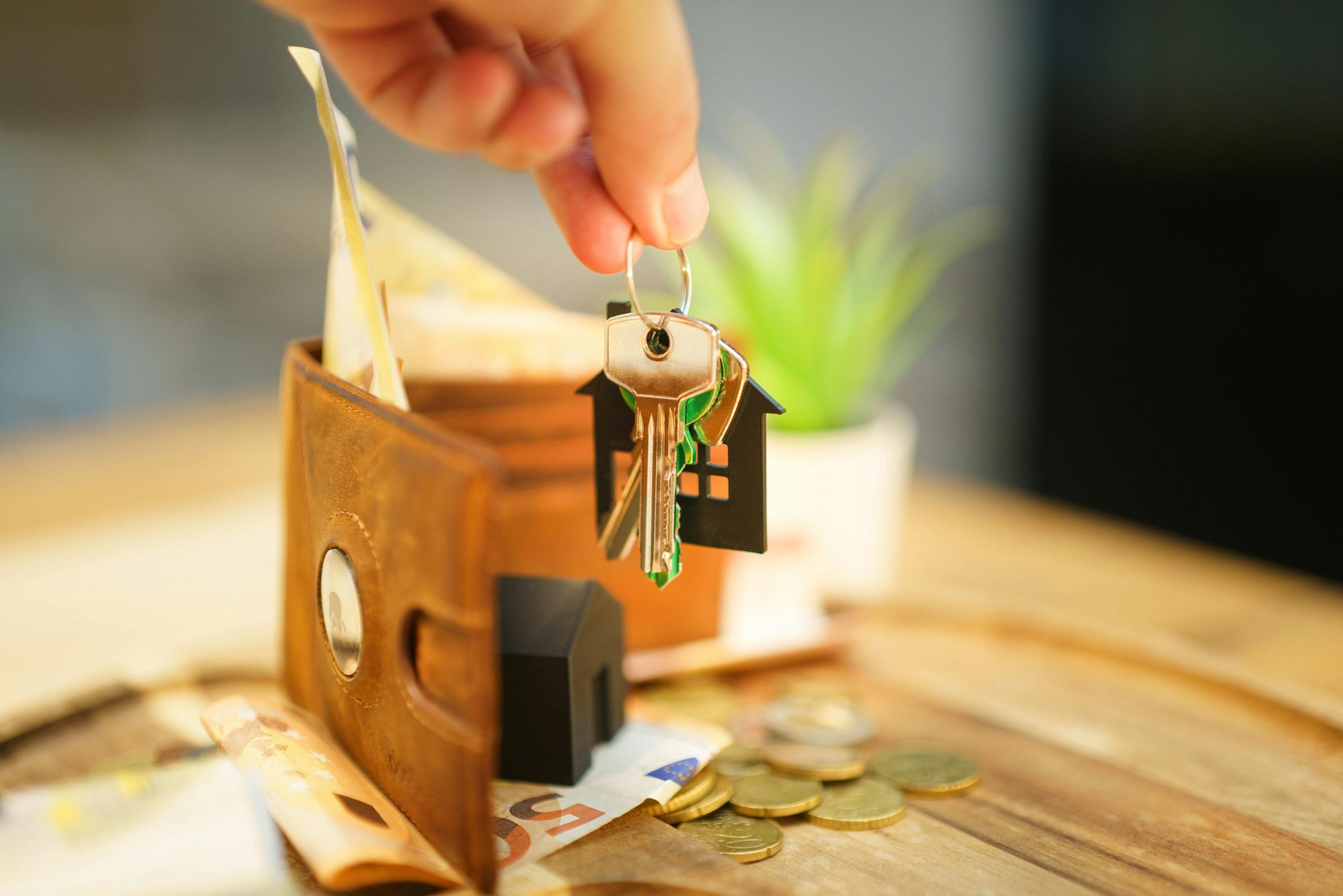
Your kitchen might be acting like a junk drawer.Keys and chargers don’t belong in the kitchen, but in many apartments they end up there because the counter is convenient. One set of keys turns into a wallet, then earbuds, then receipts, batteries, sunglasses, phone cord. The counter begins to take care of every choice that people do not yet want to make. A small entry tray or command hook, charging drawer or basket near the door can help move the drop zone away from the kitchen. The visual warning is when there are more personal items than food tools in the cooking space. That means the counter has become a clutter station, every day.
“No Cabinet Space” Habits That Spread Everywhere
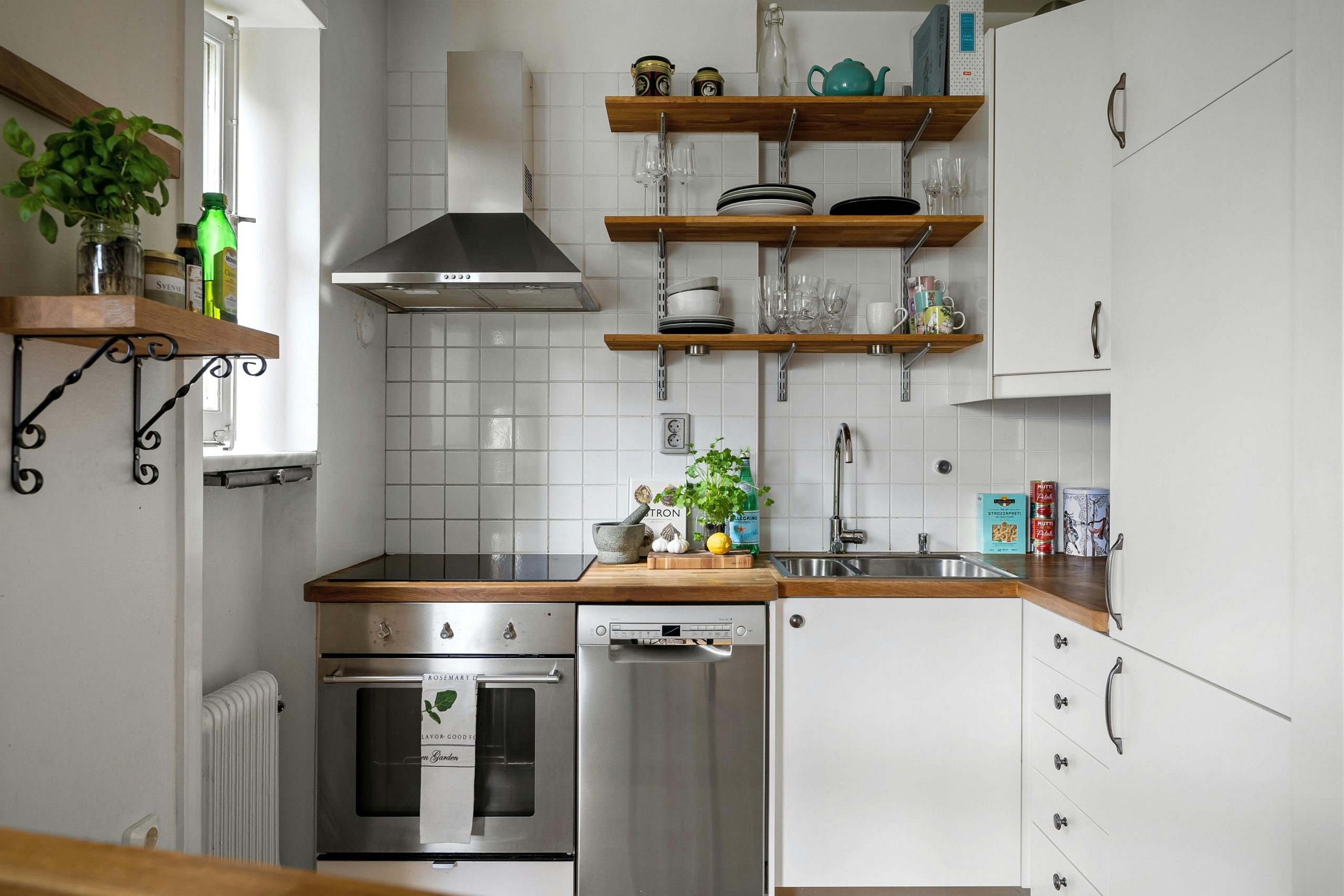
“No cabinet space” means storage on every available surface.Limited cabinet space is a real problem in small U.S. rentals — but the habit that follows can make the flat feel even smaller. When counters get full, people turn to backup storage on the microwave top, fridge top, windowsill, dining table and corners of the floor. That makes a home where every surface is overstressed. Another good idea is to first clear one or two “clear zones” and then move overflow to vertical storage, carts, bins, door racks or under-bed storage. It’s not about being perfect. It’s stopping the counter from being the first answer to every storage problem.