In many American homes the smallest of unused corners are quietly collecting dust, clutter or miscellaneous items that nobody knows where to put away. But the narrow spaces between the fridge and a wall, behind a door, beside the washer or beside the bathroom sink can be surprisingly useful storage areas with the right arrangement. From skinny rolling carts to skinny towel shelves to hidden pantry organizers, these underrated spaces can help reduce mess, save cabinet space and make daily routines feel less chaotic. These ideas come in handy especially in apartments, townhomes, laundry closets, and busy family kitchens, where every inch is more precious than most people realize.
The Slim Shelf Beside the Bathroom Sink
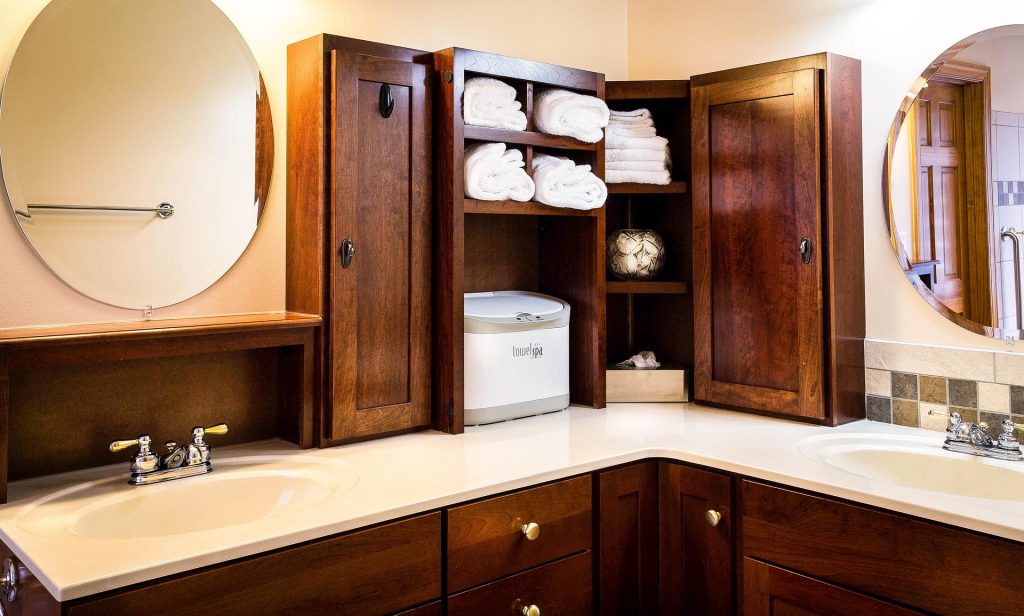
That 6-inch space next to the sink could be a treasure trove of storage.
A lot of U.S. bathrooms (especially those in apartments and builder-grade homes) have a skinny unused strip between the sink cabinet and the wall that becomes dead space. Small vertical shelves for tight corners can transform that underused area into easily reachable storage for hand towels, skincare bottles, hair products, or extra toilet paper. The slim shelves let you see your daily-use items and reach them easily, instead of hiding them away in deep under-sink cabinets. Many homeowners also like them because they reduce mess on the counters without making the bathroom feel cluttered. White, wood-tone or black metal shelves fit right in with most American bathroom styles, but still provide useful storage.
The Rolling Cart Hidden Beside the Fridge
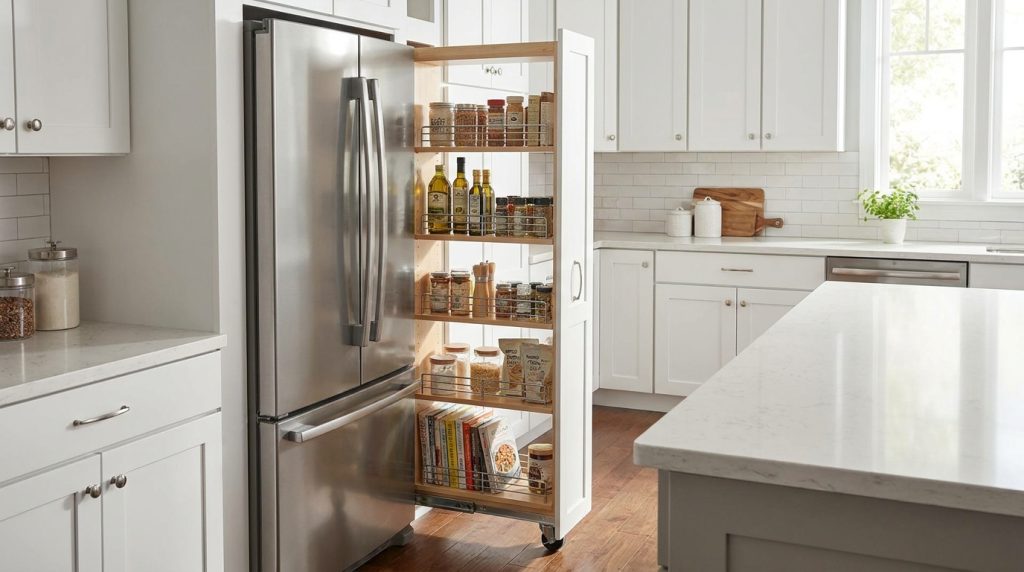
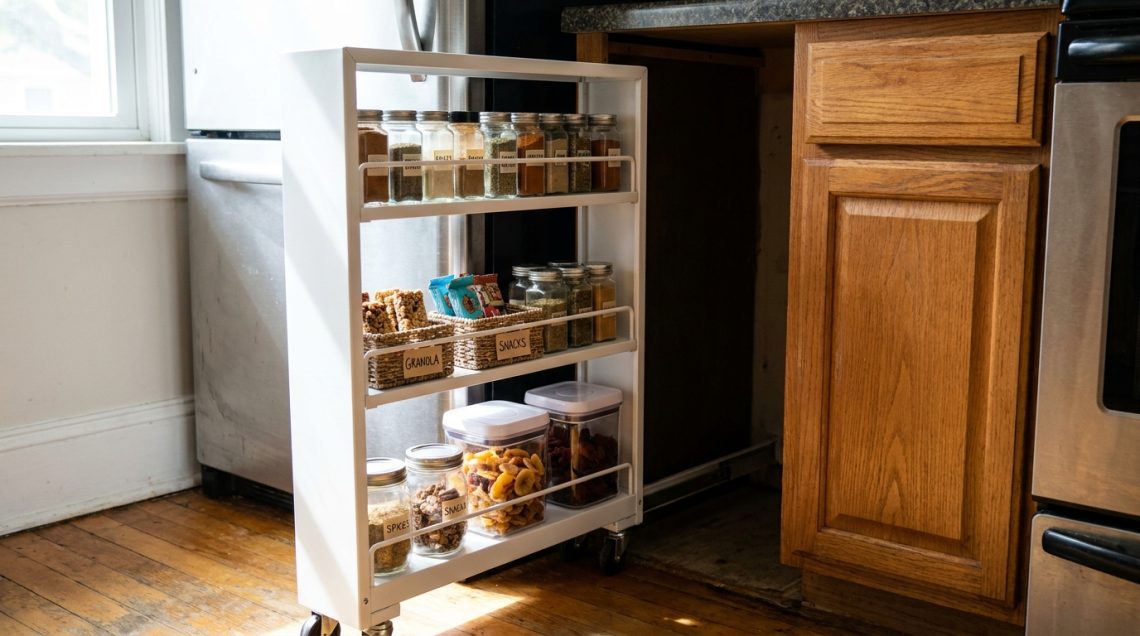
There’s usually more space next to the fridge than you think.
The average American kitchen has a little dust-collecting area next to the refrigerator. But slim rolling pantry carts have become popular because they offer a way to make that skinny space functional for grocery storage without remodeling. They fill cabinets with canned soup, spices, sauces, lunch snacks or paper goods, which families use often. The cart pulls out, so you don’t have to dig through larger pantry containers to see the items. This can also help you cut down on duplicate grocery purchases after busy shopping trips. These narrow organizers can help make kitchens feel more functional without changing the layout, which is great for smaller condos or rental kitchens with limited pantry space.
The Corner Basket Near the Entryway

The mess is often first noticed by guests in tiny corners near the front door.
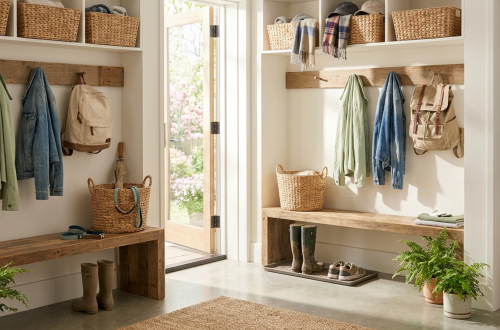
In many American homes, the entryway is a dumping zone for shoes, bags, pet supplies and random items that never quite make it to storage. Narrow corner baskets keep the visual clutter to a minimum without large pieces of furniture. Families often use them for flip-flops, sports gear, umbrellas or reusable grocery bags that otherwise pile up near the door. Hallway space is often limited in apartments and townhomes, so woven baskets, wire bins or vertical corner hampers are particularly good choices. The best part is simplicity of visuals. Clutter looks purposeful instead of chaotic. Many homeowners also report that small entryway storage habits can make the whole house seem cleaner.
The Vertical Shelf in the Laundry Corner
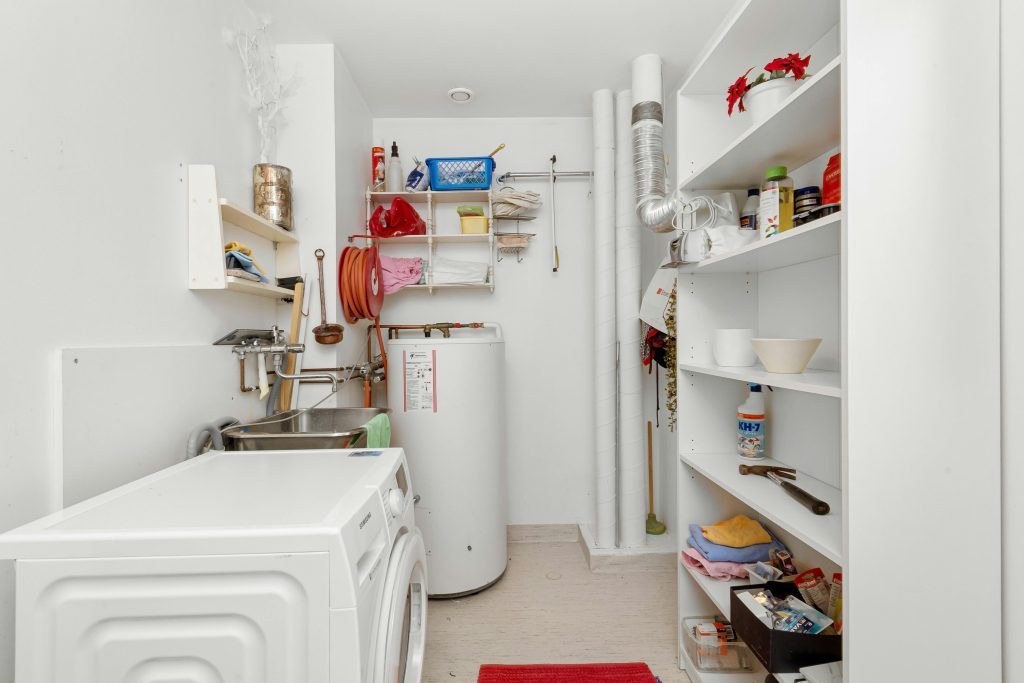
A skinny corner for laundry can hold more than a whole cabinet shelf.
Clutter in the laundry room tends to fan out rather than rise. Narrow vertical shelves can convert wasted corners into organized storage for detergent pods, stain sprays, extra towels, cleaning cloths or lint rollers. In many U.S. homes, washers and dryers are flanked by awkward gaps that are too small for standard cabinets but perfect for slim shelving. Open shelves also make it easier to see supplies before you unexpectedly run out. Homeowners with garage laundry arrangements often specify vertical units to keep products off the floor, where spills or moisture can be a problem. Slim shelves can relieve counter clutter and increase visibility even in tight laundry closets.
The Tiny Stand Beside the Toilet
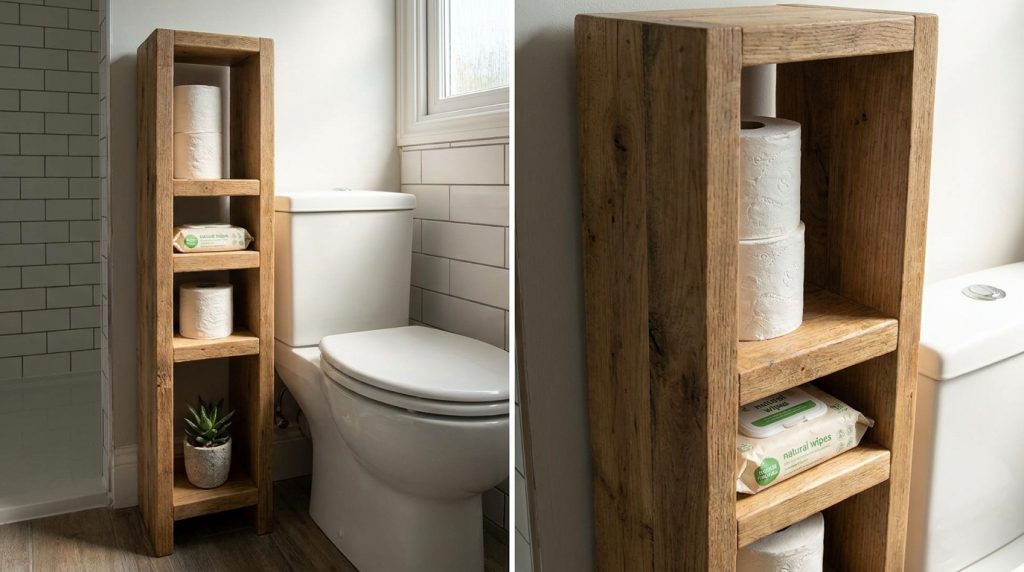
That tight space by the toilet is often left totally unused.
In many smaller bathrooms, particularly in rental and guest baths, the dead space beside the toilet is a narrow strip. Slim, vertical toilet organizers have become increasingly popular because they provide practical storage without requiring installation or permanent changes. Many families use them for extra toilet paper, wipes, air fresheners, cleaning products or folded hand towels. These organizers are tall and slim, so they generally fit into tight layouts and give the bathroom a visually clean look. Some have shelves, too, to reduce clutter on the counters around the sink. This type of storage is particularly handy in homes where the bathroom cabinets are already filled with personal-care products.
The Skinny Pantry Gap Organizer
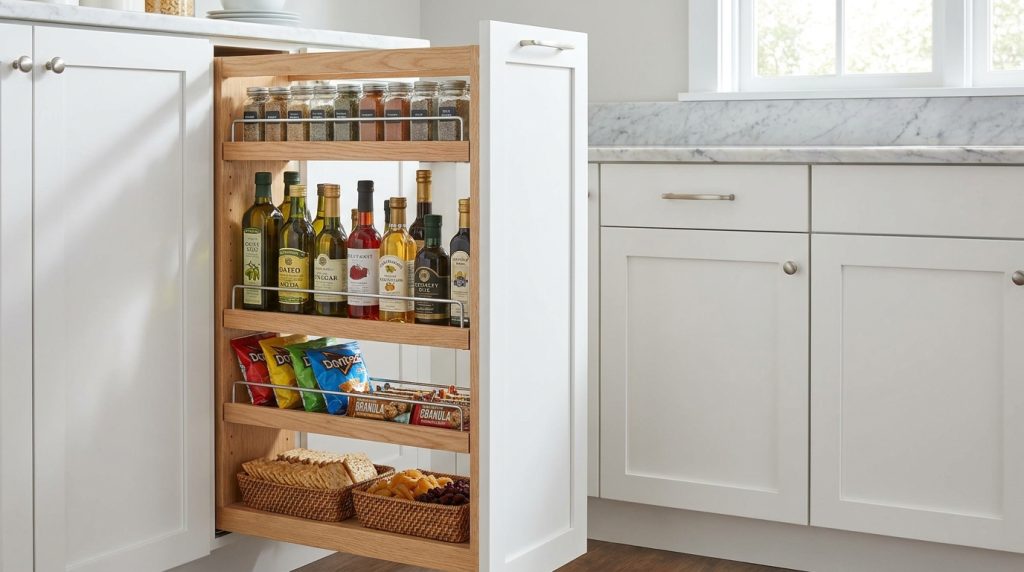
A gap a few inches wide can accommodate a row of pantry items.
In many American kitchens there are tiny unused spaces between cabinets, refrigerators or islands that silently collect crumbs and dust. Slim pantry organizers are made for these awkward spaces and can hold more than people think. Families often use them for spices, foil boxes, cooking oils, snack packs or drink mixes that otherwise hog shelf space. After grocery runs everything slides out so nothing gets hidden and is easier to rotate. This can help prevent forgotten food purchases and pantry clutter. Narrow organizers are particularly useful for condos and smaller suburban kitchens where full cabinetry might look bulky or be expensive
The Wall Rail Above a Desk Corner

The wall over the corner of a desk may be more useful than the desk.
In many homes, office corners gradually become clutter zones with chargers, notebooks, pens, headphones and loose cords. Wall rails help push those items up rather than out, making even the smallest of workspaces feel more open. Homeowners and renters often put rails above desks to hang baskets, hooks or light organizers that put essentials in sight, but off the desktop. It’s especially useful in apartments, kids’ homework stations, and remote-work setups where surface space is at a premium. The vertical storage system also helps to minimize visual clutter and makes it easier to grab everyday items during busy routines.
The Narrow Shoe Rack Behind the Door
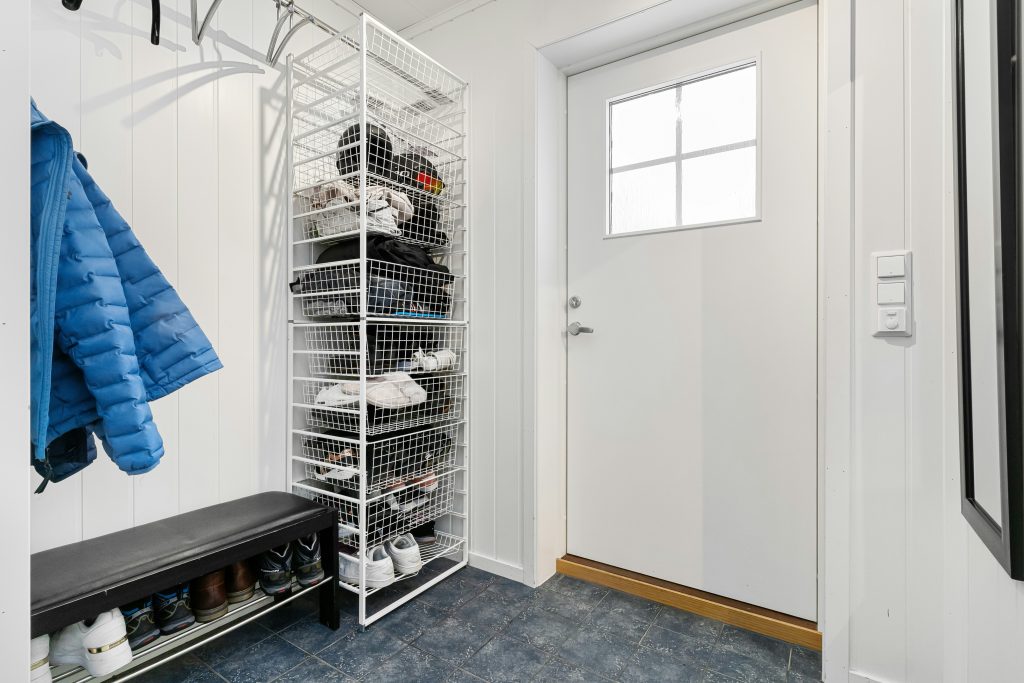
Behind the door, one secret spot can store more shoes than a shelf in the hallway.
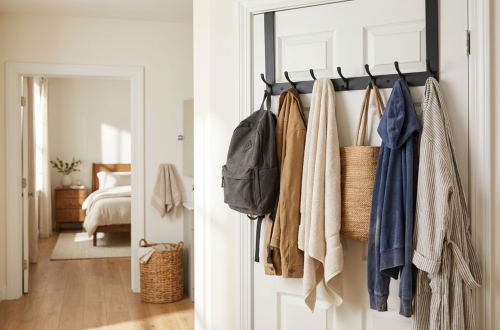
In apartments and family homes, shoes tend to turn up in entryways, bedrooms and corners of hallways faster than people expect. Narrow shoe racks for behind-door spaces save floor space and help you find pairs more easily. Many Americans put them in closets, laundry rooms, mudrooms or guest bedrooms where traditional shoe benches seem too bulky. Vertical racks also minimize visual clutter by keeping shoes in one hidden spot instead of spilling into walkways. Some homeowners wear these slim systems for slippers, flip-flops
The Small Bin Beside the Washer
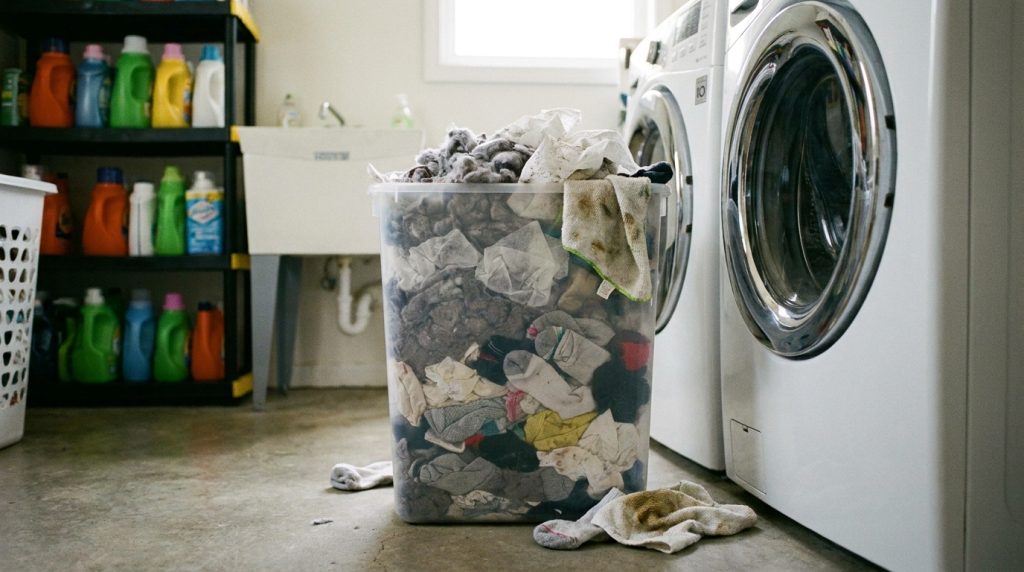
The area next to the washer is often a clutter zone.
In many U.S. laundry rooms, the narrow space next to the washer is a dumping ground for dropped socks, detergent caps, lint, dryer sheets and cleaning cloths. That awkward gap can be turned to something useful, not messy with a skinny bin or pull out container. It can be used by families as a lost-sock station, a rag bin, a place for dryer sheets or a quick spot for laundry extras that usually pile on top of the machine. This is especially effective in garage laundry areas, apartment laundry closets, and basement utility areas with limited space. The trick is to find a washable bin that slides out easily so the corner isn’t another out-of-sight mess.
The Tall Corner Shelf for Folded Towels
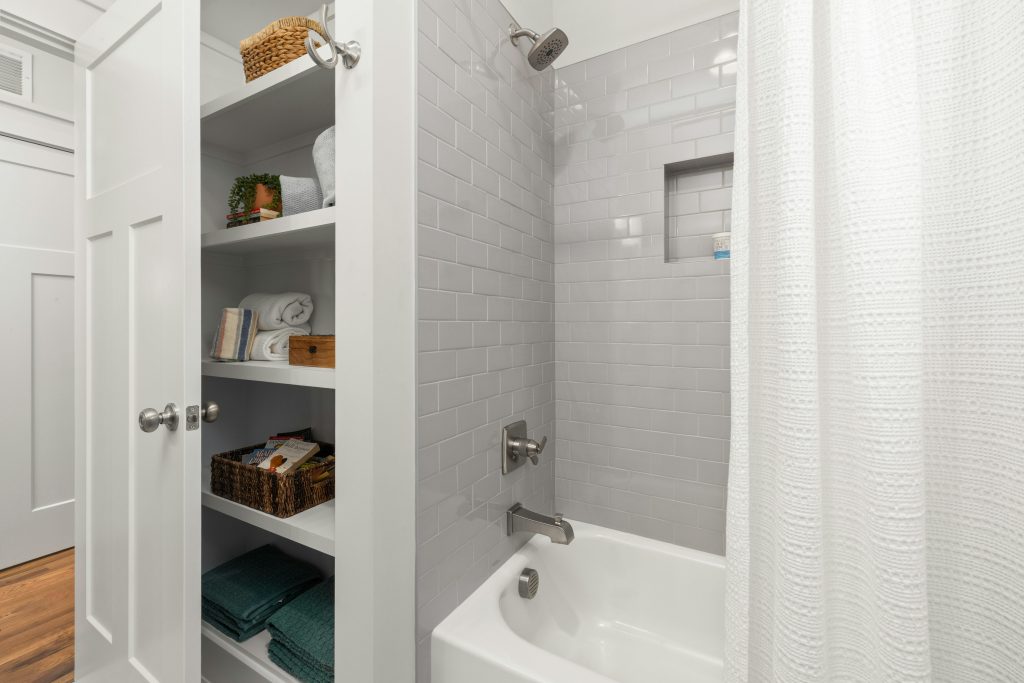
A tiny linen closet can be corner of the bathroom.
Many American homes have a real linen closet in the bathroom, but older homes, rentals and small apartments often don’t. A tall corner shelf can convert otherwise unused wall space into open storage for folded towels, washcloths, baskets and backup toiletries. This works best if the shelf is narrow enough to not impede foot traffic, but tall enough to take advantage of the empty vertical space. Rolled towels make the setup look cleaner and helps guests find what they need without digging through cabinets. The biggest benefit for busy households is visibility: Towels, soap and bathroom backups remain easy to spot before they run out.