In many American kitchens, kitchen counters do more than just hold dinner prep. They gather mail after work, keys after errands, school papers after pickup, grocery bags after a store run, and chargers that never seem to move. The challenge is, these tiny drop zones can turn a kitchen into clutter again after it was just wiped down. This gallery looks at common countertop habits that might just be quietly kick-starting the clutter cycle, along with easy visual cues to make each one easier to spot. From the kitchen island to the coffee corner, here are the small drop zones worth checking before the counter fills up again.
Mail Piles Near the Kitchen Island
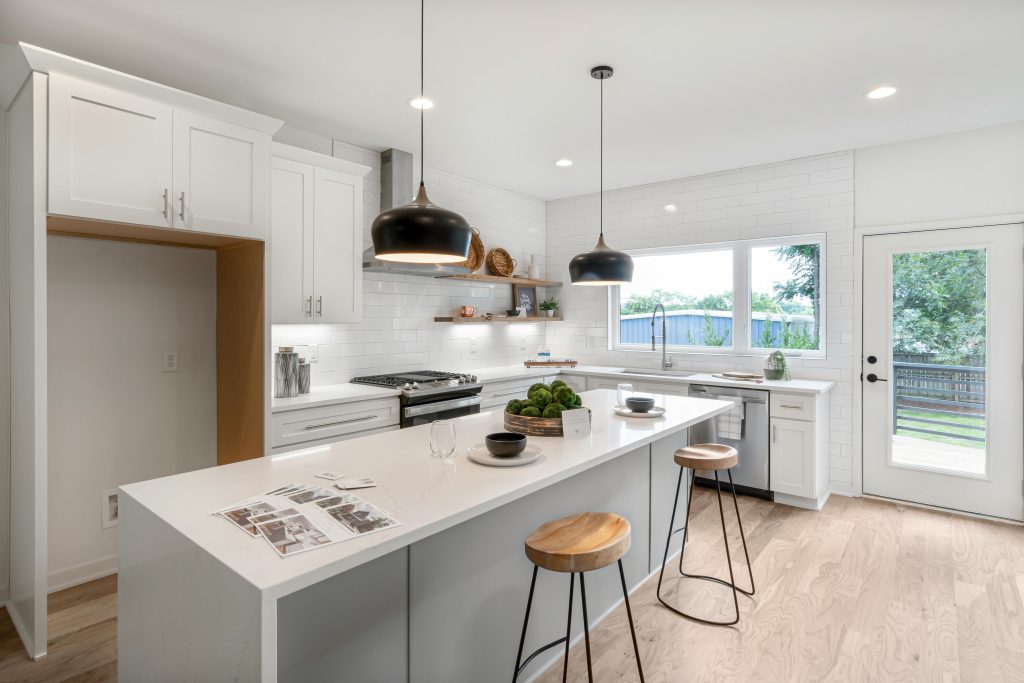
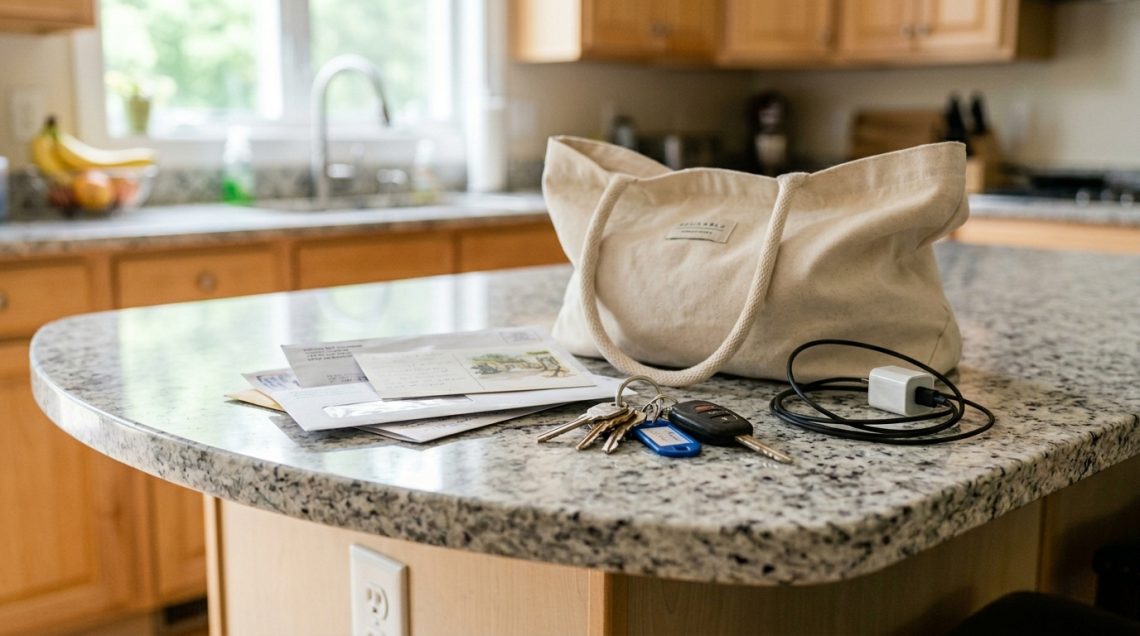
The island may be clean, but the mail pile can restart the clutter.The open, central and easy-to-reach-after-work, school pickup or a grocery run kitchen island has become a paper landing pad in many U.S. homes. A few envelopes might not seem like a lot, but mail can quickly become coupons, receipts, catalogues, school notices and “deal with later” papers. The softer fix is not a dramatic purge . It is an obvious paper spot away from the prep zone . A small sorter, wall pocket or tray by the entry can keep the island from turning into the household inbox. The trick is to make the next step obvious before the pile starts to feel permanent.
Keys Beside the Coffee Maker
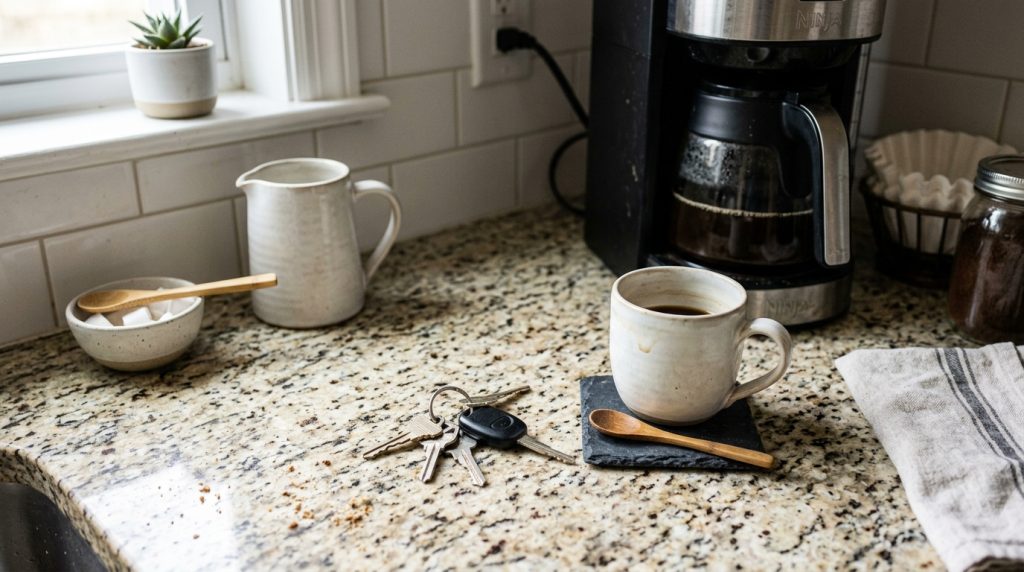
The coffee corner can become a second entryway.The coffee maker is a daily place to visit and it is usually a catch-all for whatever is in the hand. Keys, sunglasses, earbuds, wallet and loose change. That can turn a handy coffee station into a crowded one before breakfast begins. A better indication in a typical American kitchen is if the counter has become a “temporary” home for items never used for coffee. If it is truly intentional, a small tray can help, but keys tend to work better near the door, mudroom or bag hook. If the coffee spot only serves coffee items, the whole counter can feel calmer with less daily effort.
Receipts Near the Microwave
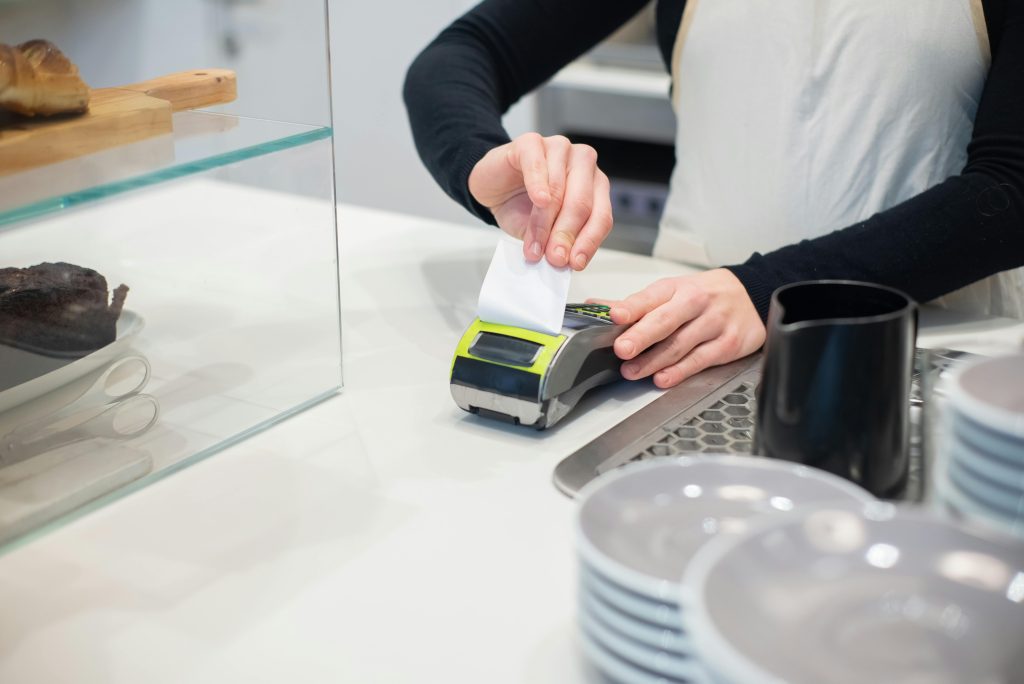
Receipts may be the quietest counter clutter.We all drop receipts next to the microwave, because that corner already feels like a pause point. After errands, takeout, petrol stops or a grocery run, one small slip can turn into a small stack. The receipt isn’t the problem, the next step is.” In many U.S. homes, receipts must go to one of three homes: trash, short-term return folder or tax/budget file. An envelope in a drawer may work better than a pile in plain sight. Even if the dishes are done and the surface was wiped down recently, if receipts are left out on the counter it can make the kitchen look messy.
Grocery Bags Left Out After Unloading

The groceries may be away, but the bags keep the clutter visible.After a grocery run, the fridge and pantry are full and the main job feels done. But empty reusable bags, paper bags and plastic sacks can remain on the counter because they are “almost put away. That halfway state can bring a kitchen back to life in minutes. Many American homes have a routine of bag home near the garage door, pantry floor, coat closet or car trunk. The helpful clue is always if the bags are waiting for a decision. They have a repeatable home, so the counter is no longer the last step of every errand.
Chargers on Counter Corners
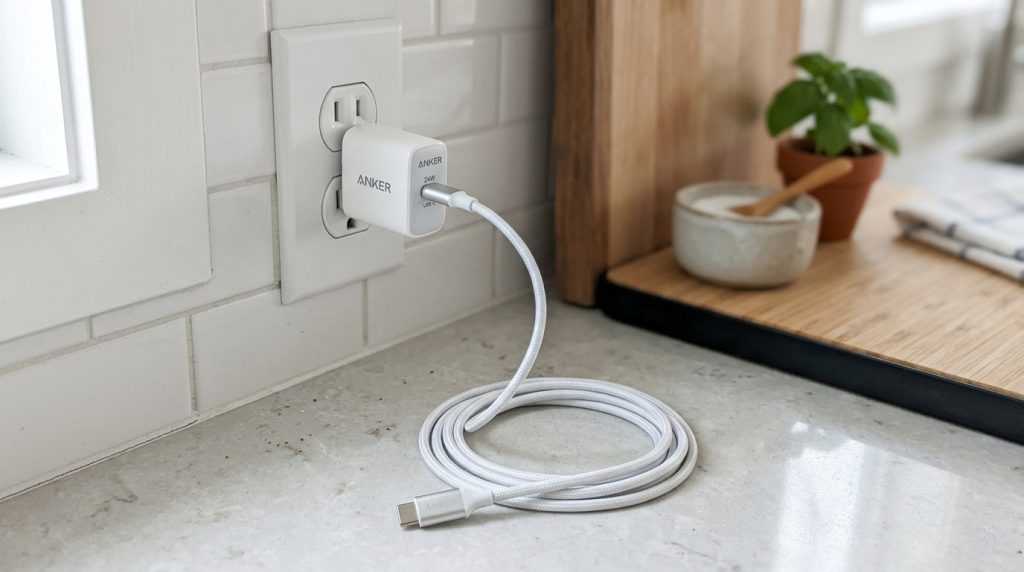
One charger can turn a counter corner into a tech pile.Chargers often sit on the kitchen counter because the outlet is convenient and everyone in the house knows where to find them. The problem is, the cord can attract phones, tablets, earbuds, battery packs, school devices and loose adapters. Charging corners are great for apartments or busy family kitchens, but they work best when they are contained. A small charging tray, cable clip or drawer station can make the area go from cluttered to intentional. A telltale sign that your kitchen is doubling as a desk, entryway and family command center is when the counter corner is always littered with cords.
Water Bottles by the Sink
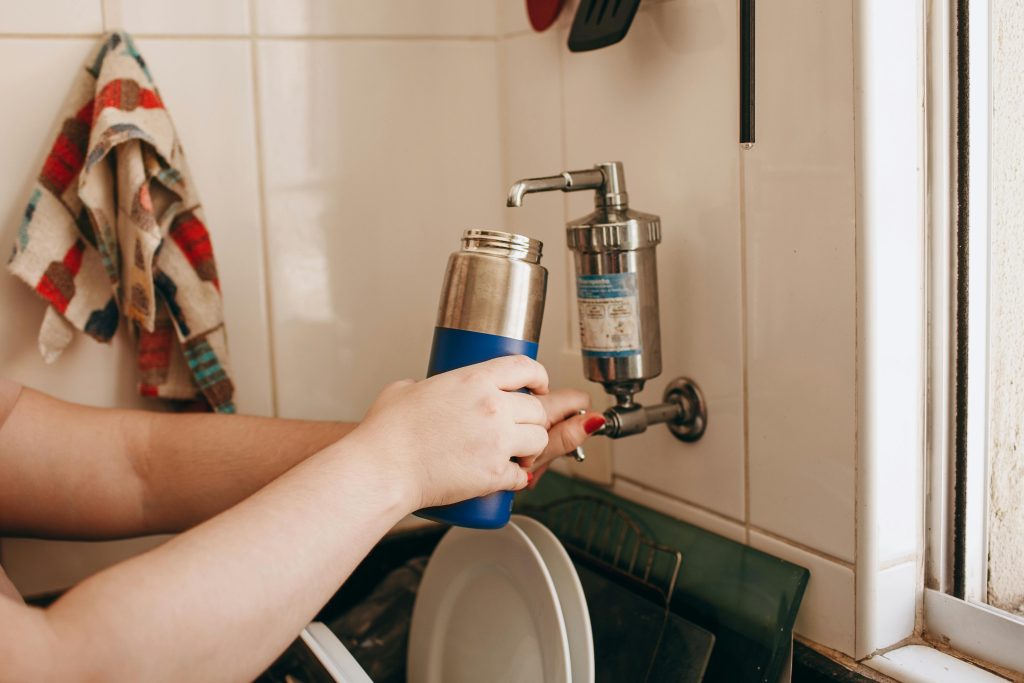
Clean bottles can still crowd the sink zone.Reusable bottles are handy, but they tend to hang around the sink after being rinsed out, dried out or filled for the next day. When the dishes are done, a washbasin can look crowded. In many American households, each family member may have a washbasin. A bottle drop zone is most effective when it answers two questions: Where do clean bottles dry? Where do ready-to-go bottles hang out? A narrow rack, a cabinet shelf, or a lunch-packing area will help keep them from taking over the counter. The small payoff is visual: when the bottles go off the sink edge, the kitchen can look cleaner without the extra scrubbing.
School Papers on Counter Stools
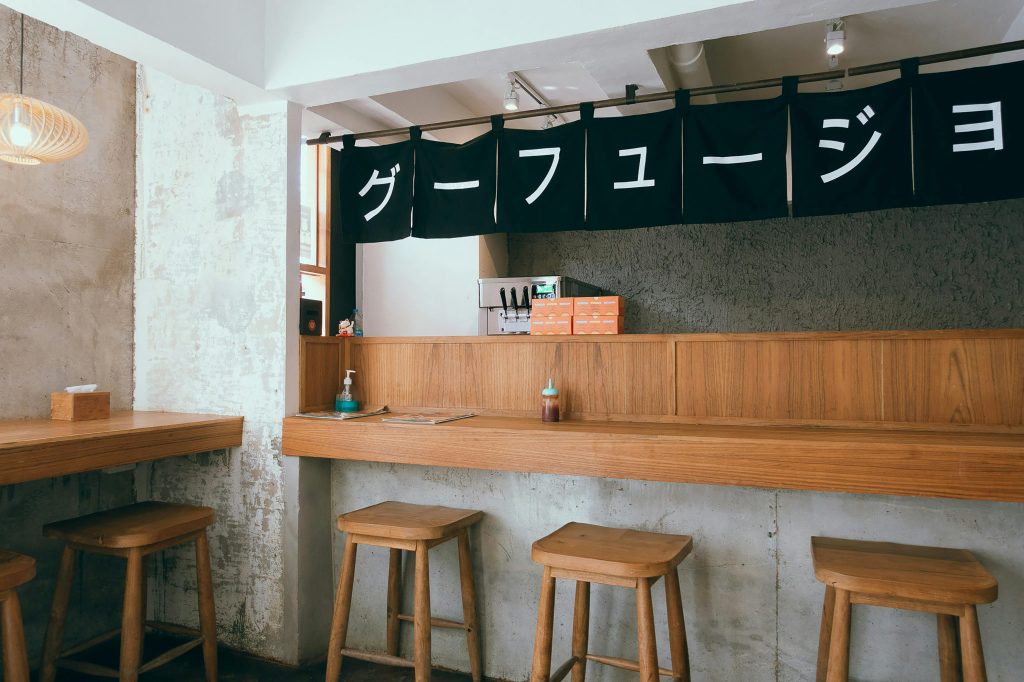
Counter stools can become paper shelves without anyone noticing.After school, counter stools and island seats tend to be covered with folders, worksheets, lunch notes, permission slips, and half-zipped backpacks. It makes sense because the kitchen is where snacks, homework and family schedules all come together. But when papers are on stools, the seating area can become a storage area. A small wall pocket, a fridge command center, or a labelled tray for “sign,” “return,” and “keep” can keep papers moving before they spread. We’re not looking for a perfect system, we’re looking for a visible next step that parents and kids can understand quickly on a normal school night.”
Snack Boxes Left Open
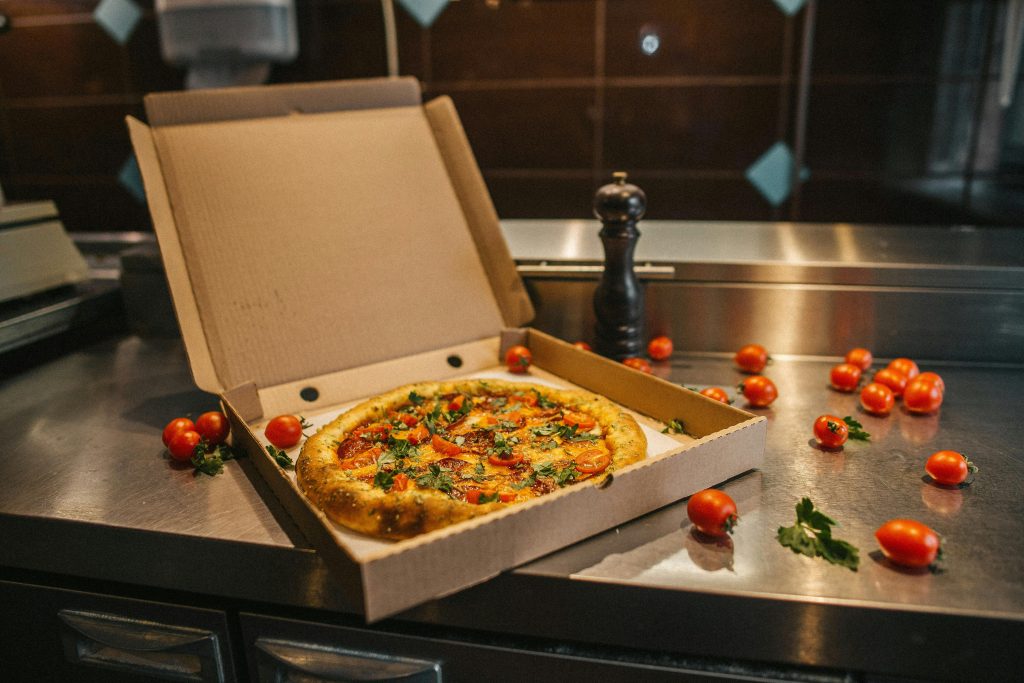
A snack box can make the counter act like extra pantry space.Heavy use, especially in homes with kids, after-school routines, lunch packing, or weekend sports bags, often means snack boxes land on counters. The box might look harmless but if it never returns to the pantry, it can make the kitchen feel unfinished. In many U.S. homes, the better fix is a reachable snack bin, a low pantry shelf, or a lunch-packing basket. If the box keeps coming back out, the storage spot might be too high, too crowded or difficult for kids to use. A visible snack zone can reduce counter clutter without making the routine seem more restrictive than real life permits.
Cleaning Spray Left on the Counter
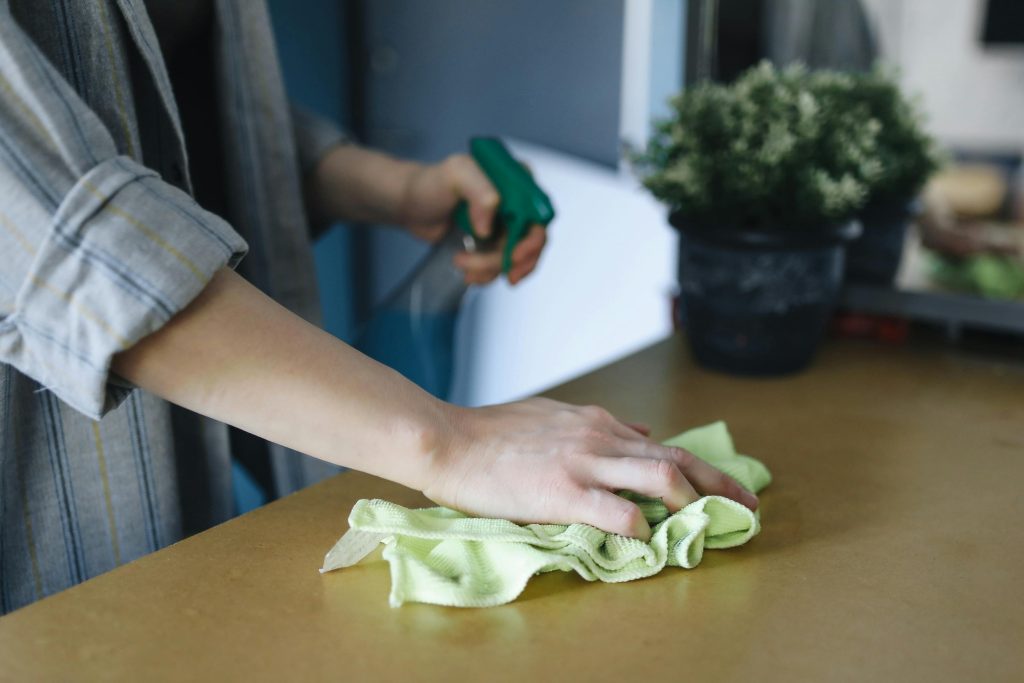
A clean counter can still look busy when the spray stays out.Cleaning spray and cloths are often left on the counter with the intention of wiping again soon. That habit may be practical—but it may also be preventing the kitchen from feeling finished. Many homes discover cleaning tools work better in a nearby caddy, under-sink tray or narrow cabinet spot that is still easy to reach. It’s not that the product is bad or unsafe, but that visible tools can contribute to the visual clutter once the job is done. The wording is important here. A quick put away after wipe habit can make the space feel fresher without adding another cleaning task
Random Drawer Items Not Returned
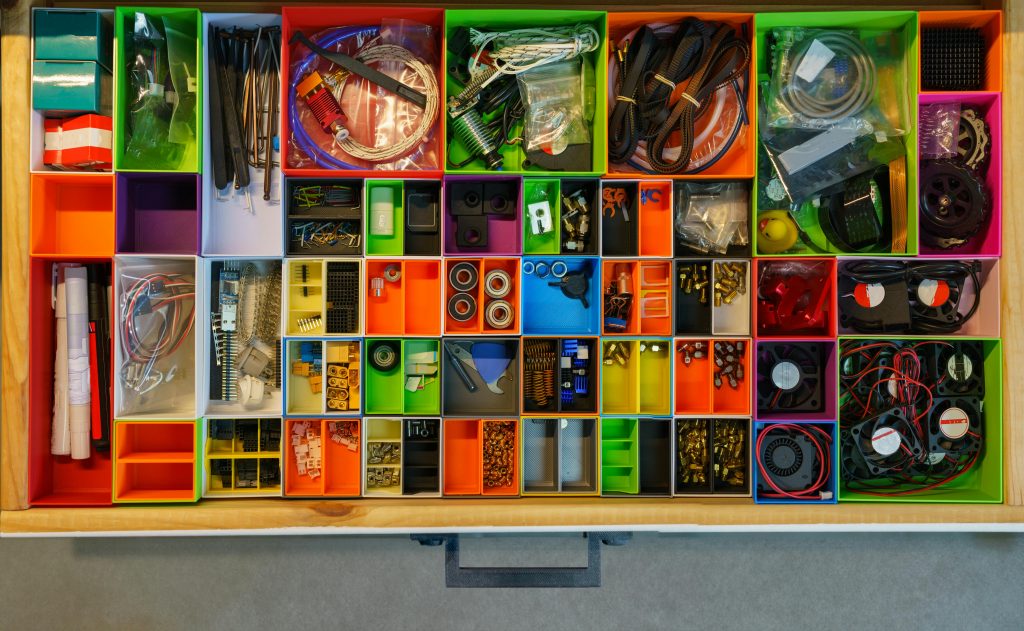
The junk drawer may be leaking back onto the counter.Little tools like pens, tape, batteries, scissors, twist ties and rubber bands often show up to do one quick job and are left on the counter because the drawer is too crowded to easily put them back in. That’s why clutter can come back even after a full reset. In many American kitchens, it’s not the counter that’s the problem, but the drawer that may need simple sectioning. A little divider, cup or mini-bin with a label can make putting things back feel automatic. The useful test is simple: if it takes more effort to put something away than it did to set it down, the counter will usually win. Addressing that minor friction point can keep the clutter from coming back.