You don’t always have to remodel to make a home feel roomier. The space issue in many U.S. homes begins with the pathways people take every day. Such as the entry, hallway, bedroom path, laundry path, and tight doorway around pet bowls or bags. A few shoes, baskets, side tables, backpacks or piles on the floor can quietly make rooms feel tighter than they really are. These simple clear-pathway habits focus on small, familiar spots that are easy to overlook, but often change how open a home feels immediately.
Start With the Entry Path Everyone Uses First
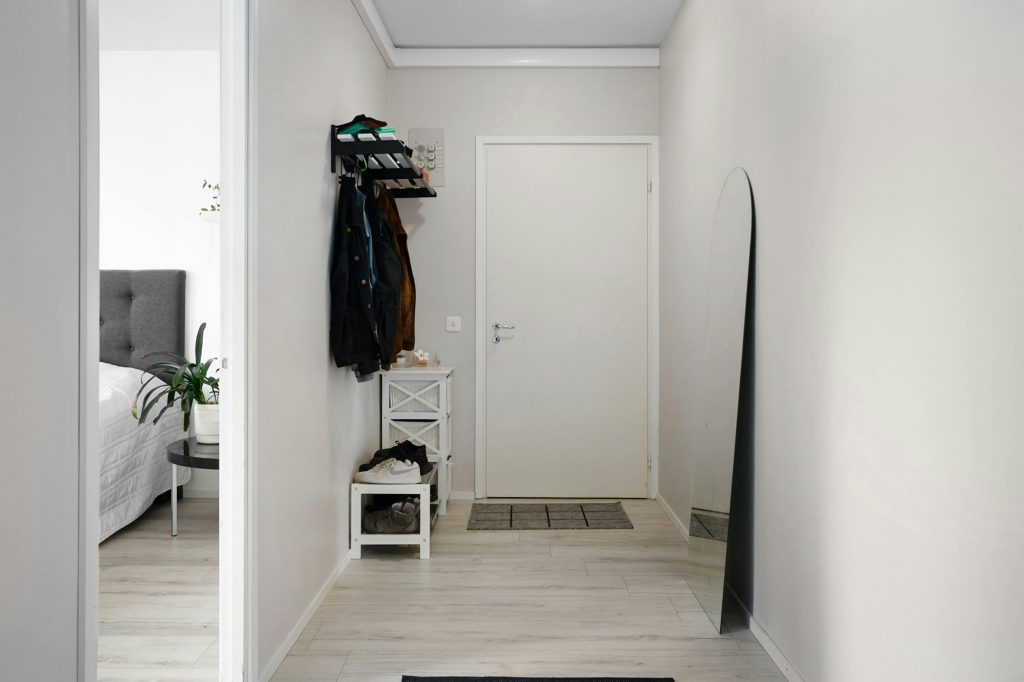
It could be the house feeling tighter, the first walking path.
Many U.S. homes have entry paths that become landing strips before anyone notices. Shoes, small packages, tote bags, dog leashes, loose mail, they all take up just a few inches but together they can make the first view feel busier and narrower. A clearer entryway gives the eye somewhere to travel, making the space feel more open without buying furniture or moving a wall. The useful test is simple. Open the door, step in, and look at the first three feet of floor. Anything that is sitting in that line may be worth moving to a tray, hook, cubby or nearby closet.
Move Shoes Away From the Walking Line
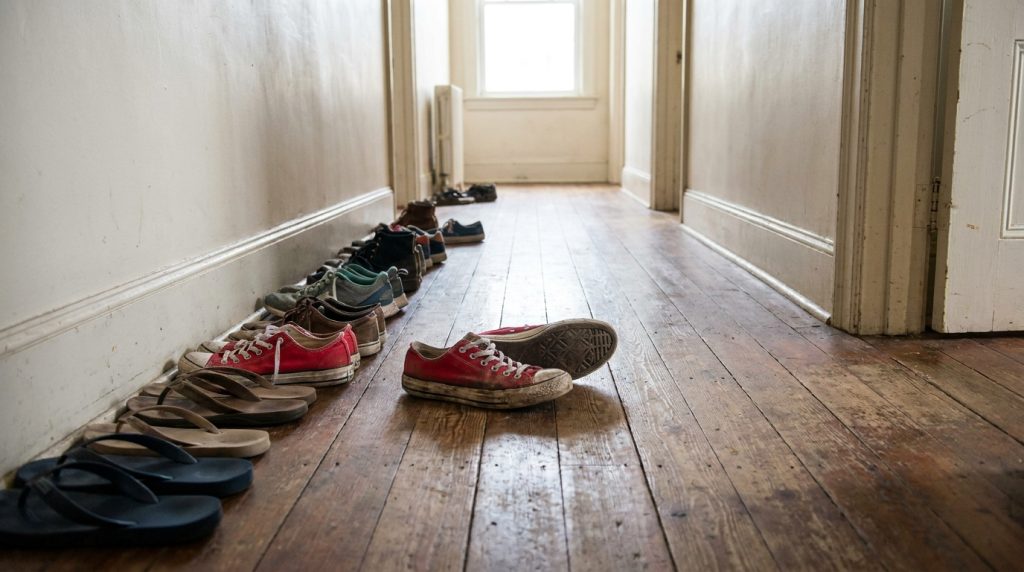
Those shoes might be taking up more room than you think.
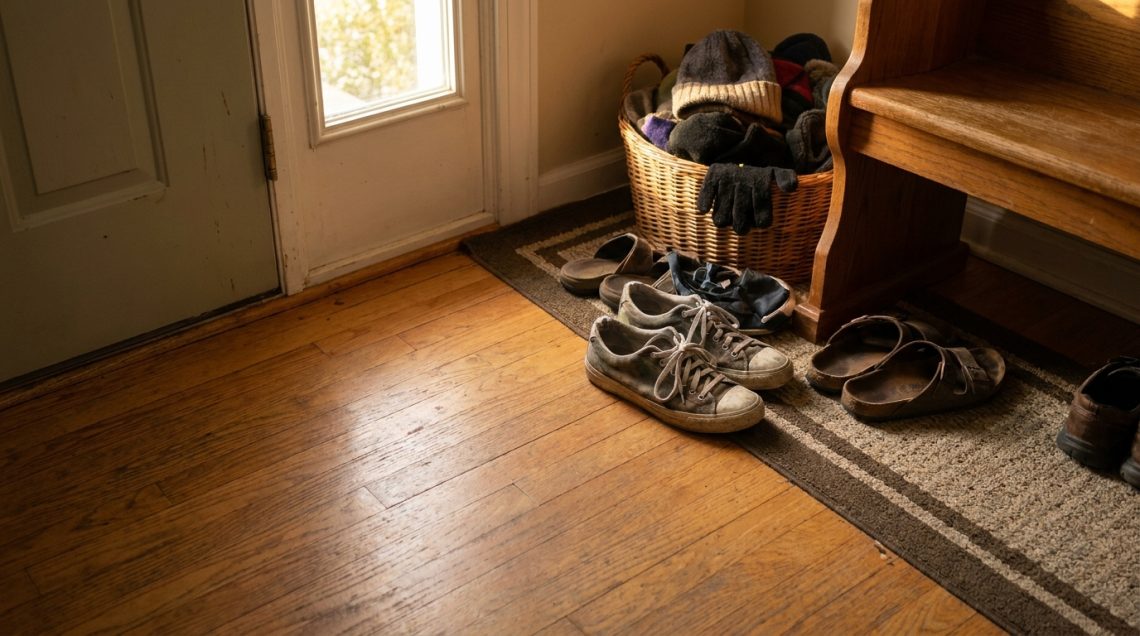
Shoes are the number one reason a clear path is no longer clear. In a typical American entry, one pair becomes several because the spot is handy, especially for families, renters and homes without a mudroom. The trick is not always to remove every shoe, but to move them out of the walking line. A slim rack, low tray, basket or closet shelf keeps everyday pairs within reach and frees up floor space in the room. If it’s feeling tight in the hall, turn shoes sideways, stack less-used pairs vertically, or have one pair by the door for daily use.
Clear the Hallway Corners That Catch Random Items
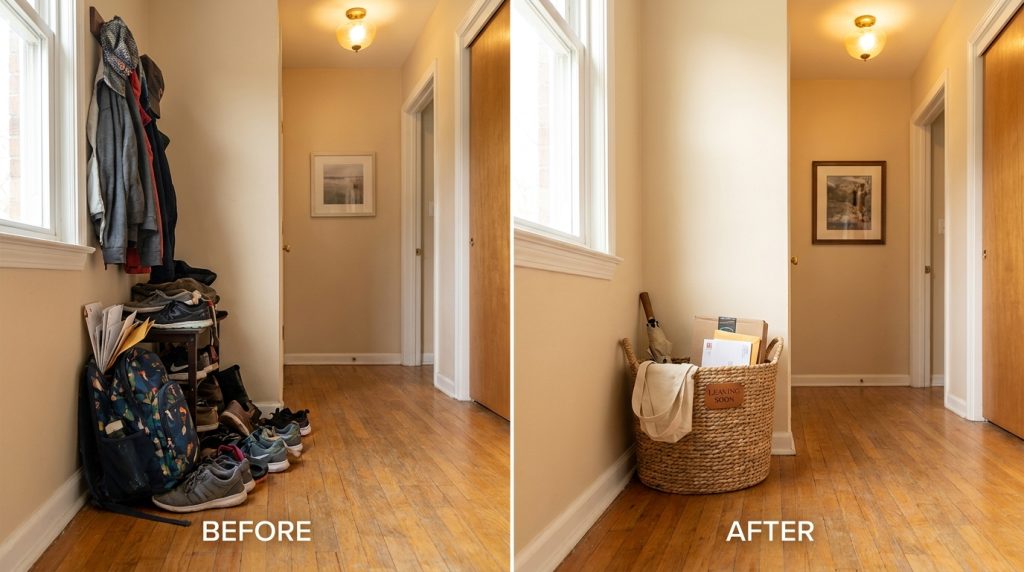
The corner pile may be taking down the entire hall.
Hallway corners are often ignored because the items usually seem temporary: a return box, a grocery tote, an umbrella, a sports bag, or a package waiting to be mailed out. But if those corners stay filled, the hallway can feel choppier and smaller. An open corner is a visual pause, extending the path and adding a note of peace. In many U.S. homes, the best fix is a single “leaving soon” basket placed outside the main lane, not several loose items on the floor. When the corner continues to be cluttered, it’s typically an indication that the home needs a more obvious drop zone nearby.
Shrink the Side Table That Blocks the Room
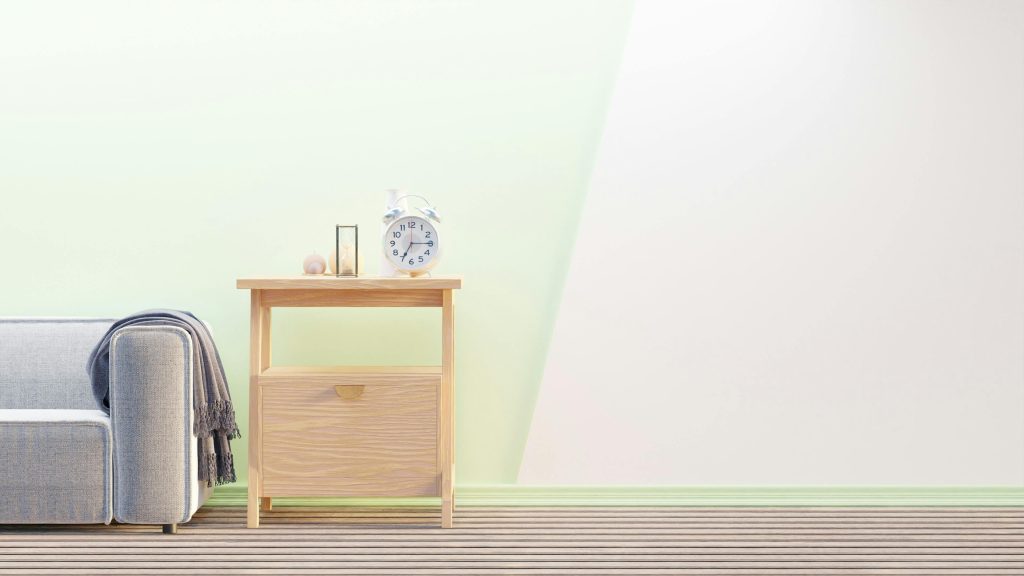
The furniture might be too big, just too deep.
Even if the room appears to be in order, a side table, console or small cabinet can subtly eat into a walking path. This is very common in apartments, older homes, and living rooms where furniture has been built up over time. If people have to turn their shoulders or step around a corner or move in a curve, the table may be making a more compact feel than anticipated. A thinner table, wall shelf, nesting table or basket under an existing surface can still be functional, but not take up the same footprint. Before you replace anything, try shifting the table a few inches, and see if the room suddenly feels easier to cross.
Keep Laundry Baskets Out of Main Walkways
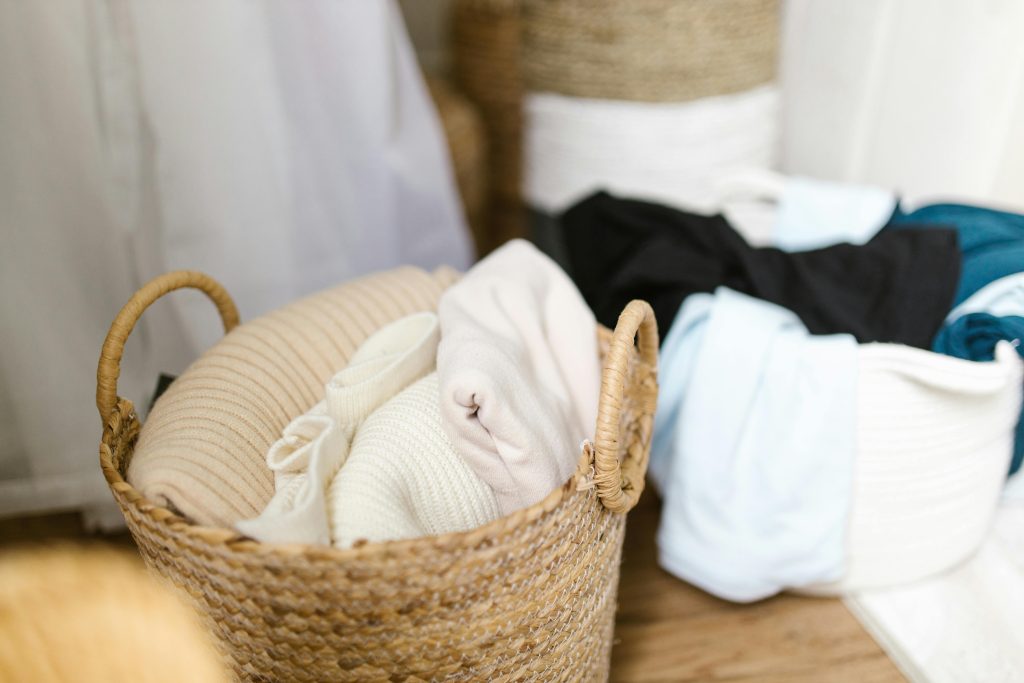
Everyone walks around the basket. It could be the object.
Laundry baskets are meant to move, but in many homes they end up living in the main path: next to the bed, outside the laundry room, near the bathroom, or in a hallway. A clean basket can make a room seem smaller if everyone has to walk around it. Better yet, try to find a basket “parking spot” close to the routine but out of the lane, such as inside a closet, beside the washer, under a shelf or at the foot of the bed (but only for folding). The payoff is simple: less obstacles, easier walking, and a bedroom or hallway that feels more open immediately.
Move Pet Items Away From Narrow Doorways
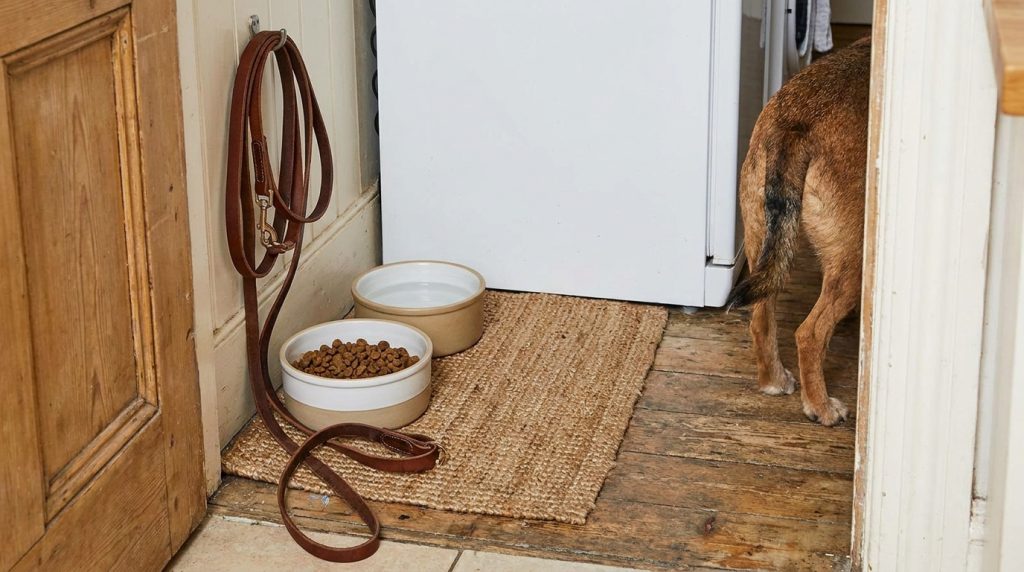
Pet bowls could be squeezing the busiest doorway.
Pet bowls, food mats, leashes, toys and treat bins tend to end up near kitchens, back doors, garages or mudrooms because they are convenient places. The problem is where. If the setup is in a narrow doorway, people may step around it all day and not even realize it’s making the house feel smaller. Slide the pet supplies over a foot or so. You can put the bowls on a low tray or hang the leashes on a hook on the wall. This maintains the routine but opens up the walkway. It’s easy to reach, but it’s not right in the lane that everyone uses to get in, cook or haul groceries in busy U.S. homes.
Give Backpacks and Work Bags a Real Drop Spot
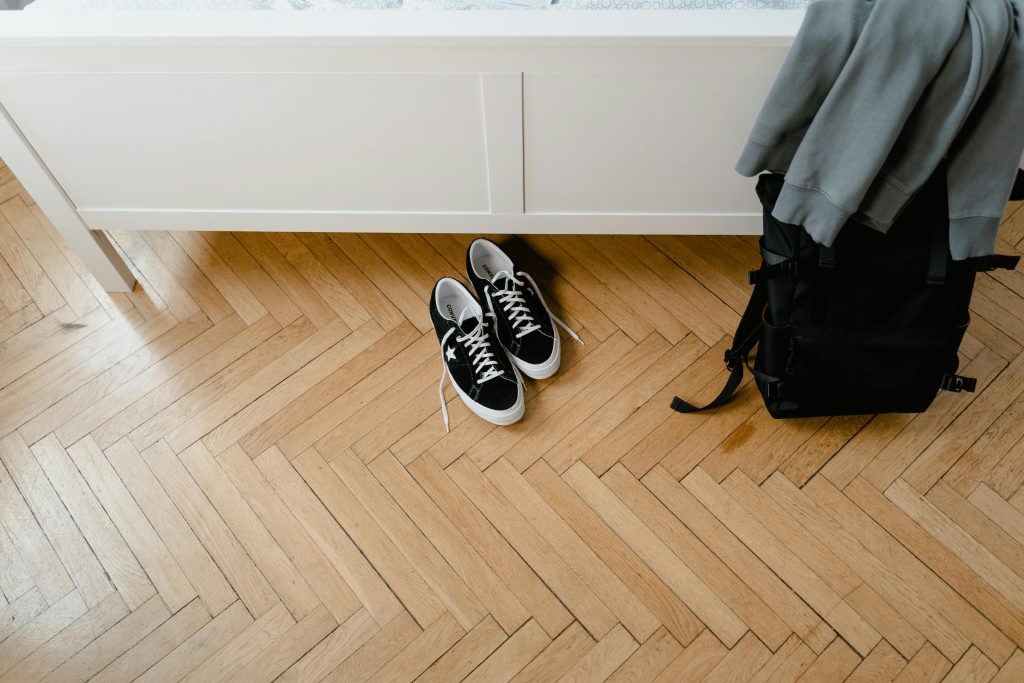
Bags on the floor can make the room feel smaller quickly.
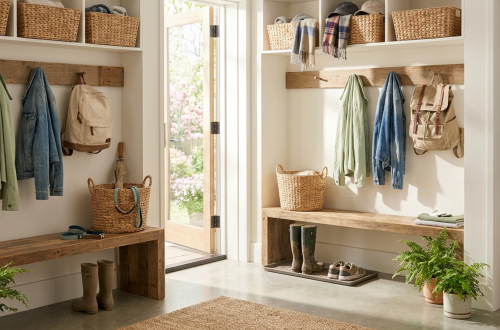
Backpacks, laptop bags, purses, lunch bags and sports totes are often left where people stop moving, by the entry, near the kitchen, at the garage door or at the bottom of the stairs. It works in real life, but it can turn a straight lane into an everyday obstacle course. A real drop spot doesn’t have to be fancy. Hooks, cubbies, a low bench or one labeled basket per person can keep the same habit going while lifting the clutter out of the way. The most useful place for families is often visible, accessible and close to the door you use most often.
Use Wall Hooks Instead of Floor Piles
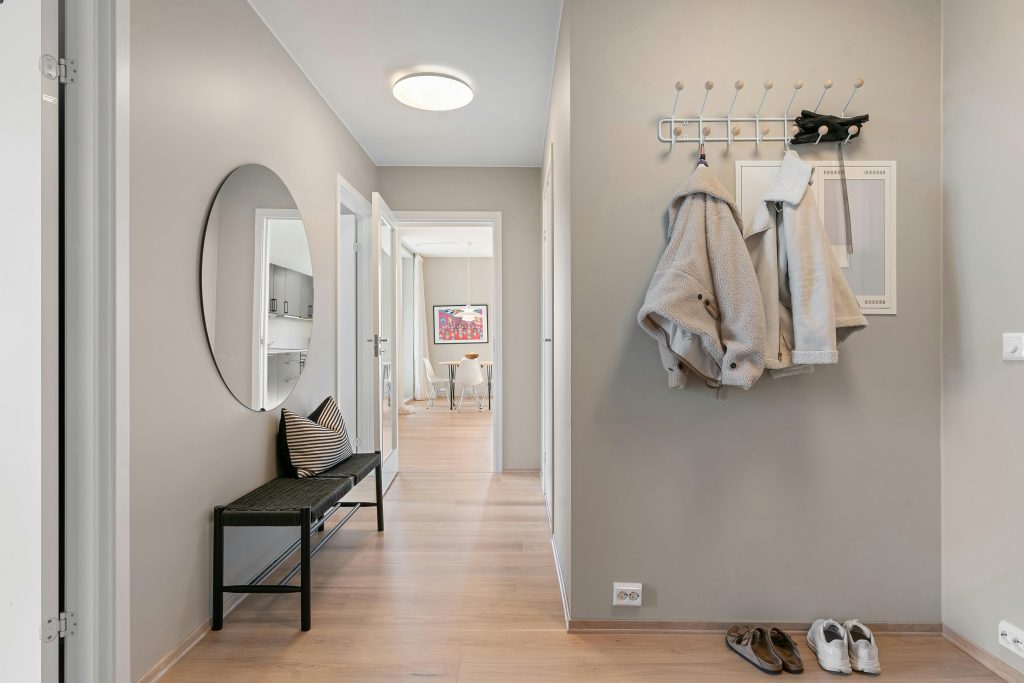
The wall needs storage, not the floor.
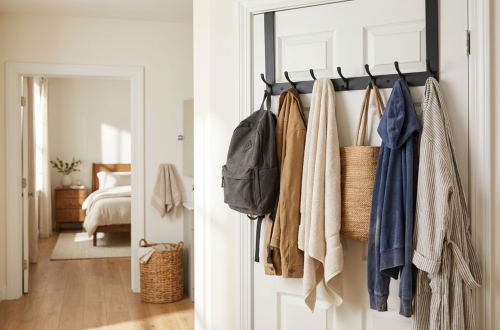
Wall hooks are one of the easiest ways to open up a pathway as they move everyday items up instead of out. Floor piles are a common sight in rental apartments, small townhomes and busy family entry ways, where there’s nowhere obvious to set down bags and coats. A row of hooks can hold coats, totes, umbrellas, dog leashes or kids’ gear while keeping the walking lane open. The trick is height and spacing. Hooks should be reachable and not so close together that everything falls back to the floor. A small section of wall can make a more usable and calmer entry.
Keep One Clear Lane Through the Bedroom
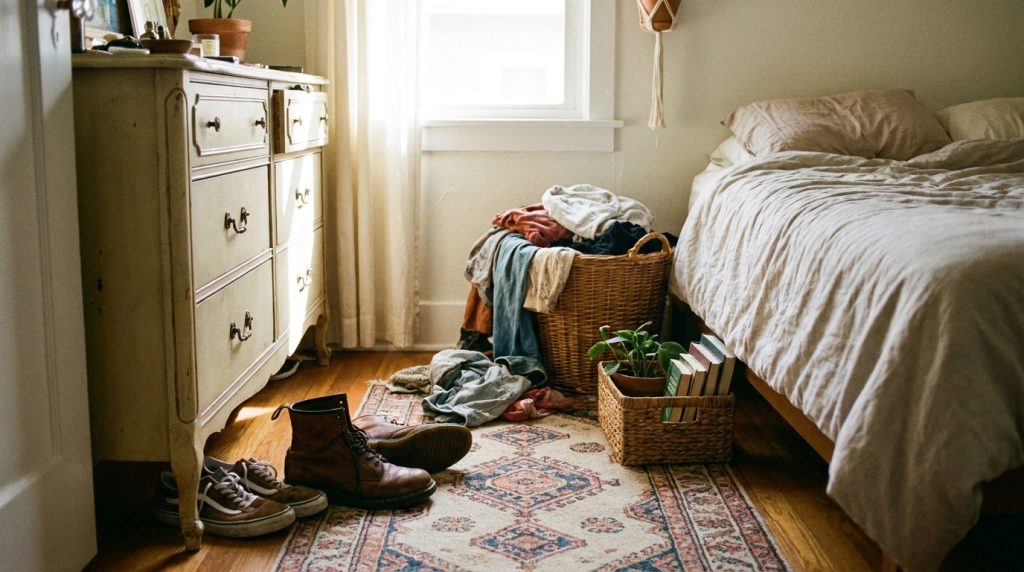
You might only need one clear lane in the bedroom.
Bedrooms can feel smaller when the walking lane from the bed to the dresser, closet, and door is interrupted. A laundry basket, shoes, storage tote, fan or pile of clothes might appear harmless, but it can make the room feel more difficult to move around in. Instead of trying to organize the whole bedroom all at once, start by creating a clear lane from the door to the bed or closet. That path gives the room structure, and makes the rest of the clutter easier to spot. In cramped bedrooms in small apartments or older homes, this one-lane habit can make a space feel bigger before you replace any furniture.
Step Back and Check What Your Eyes Hit First
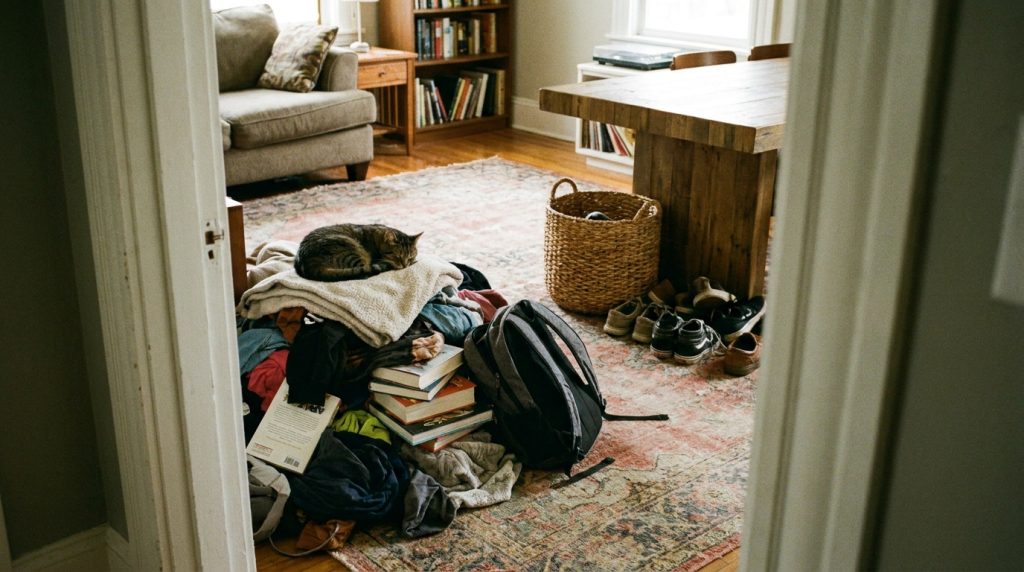
Seeing one object for the first time can make a room seem smaller.
The easiest clear-path check is to stand in the doorway and see what your eyes hit first. That object could be dictating the feel of the entire room whether it’s a laundry basket, a pile of shoes, an over-sized table, a pet’s setup or a bag on the floor. That doesn’t mean the house has to be empty. It simply means the object in the first view should appear intentional, or be outside the walking lane. Even just changing one item in a lot of U.S. homes can create a more peaceful room before any serious organizing is done. Repeat the same doorway test in the entry, bedroom, hallway, laundry room and living room.