For many U.S. homes, the kitchen counter is the landing zone for mail, snack boxes, water bottles, small appliances, grocery bags, spices and drying dishes. None of these things is unusual in itself, but together they can make a neat kitchen seem crowded before dinner is even started. These small counter resets begin with the visual clutter. Where your eye goes from the doorway. The things that wander out of their zone. The everyday habits that silently rob prep space. Start with the easiest surface wins and work your way room-by-room down the counter.
Start With the Mail Stack Near the Kitchen
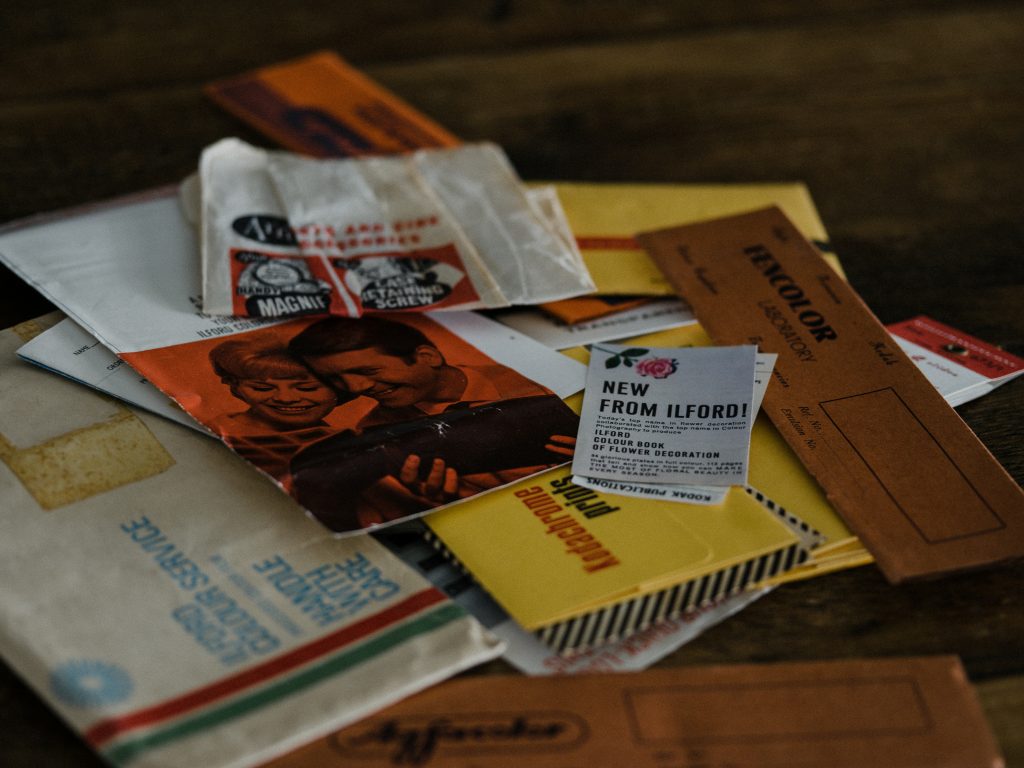
The mail stack is likely the first clutter spot to attack.
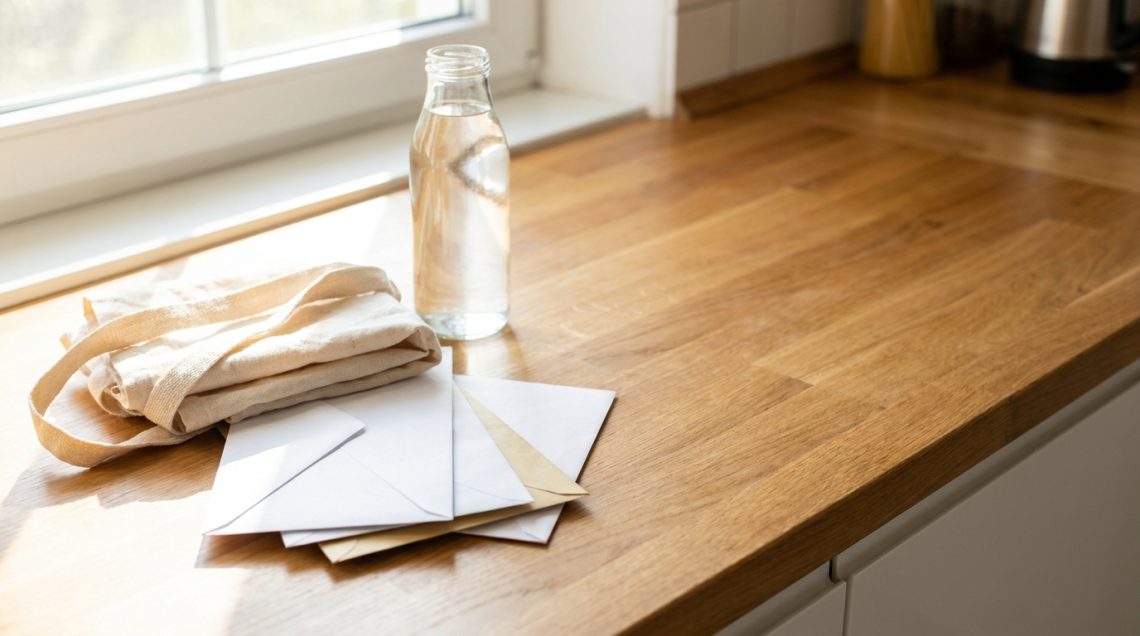
In many American kitchens, mail lands near the counter because it is near the garage door, the entryway, or the island. The problem is paper is visual. One envelope turns into coupons, receipts, school forms, and takeout menus. A small tray by the door, a recycling stop or a folder marked can help move paper out of the food-prep zone. This is a soft first step because it doesn’t require a complete kitchen reorganization. It just clears out of the doorway the thing most likely to make the counter look busy.
Move Snack Boxes Into One Zone
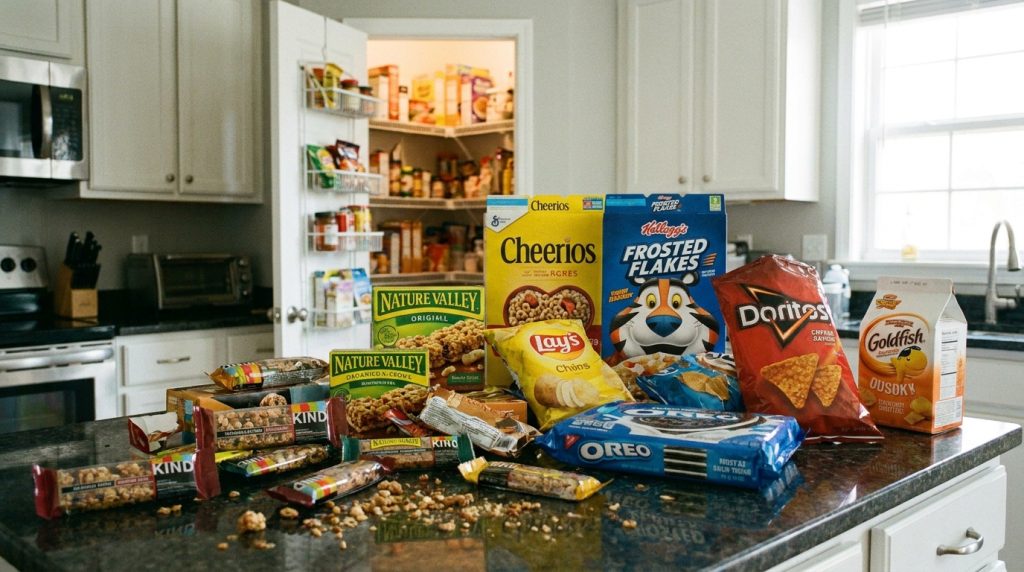
Snack boxes can take over the counter without a word.
Snack boxes are typically left out after a grocery trip, because they are utilized every day by kids, packed into lunches or taken on the way to work. But loose boxes can make a typical American kitchen feel crowded even when the counter is wiped. One snack bin, pantry shelf, basket or cabinet zone makes the eye read the area as organized. But the goal is not to hide every treat. It is to prevent five different packages being five different visual interruptions on the counter.
Clear Water Bottles Before They Crowd the Sink
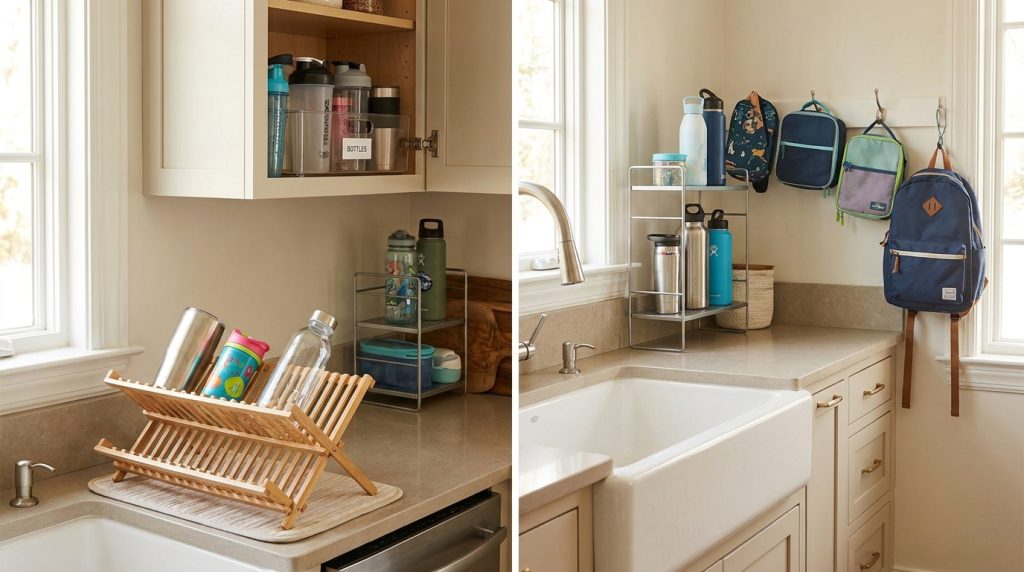
Water bottles could be taking up more space than you realize.
Water bottles, kids’ cups, shaker bottles, and travel mugs are handy, but they are tall, mismatched, and easy to leave by the sink. They are found in many U.S. households because they are rinsed, refilled or waiting for school and work bags. A bottle shelf, cabinet bin, drying spot or ‘one bottle per person on the counter’ habit can offer a calmer feeling to the sink area. This little reset also helps keep the drying rack from becoming a permanent bottle parking lot.
Put Away Small Appliances You Do Not Use Daily
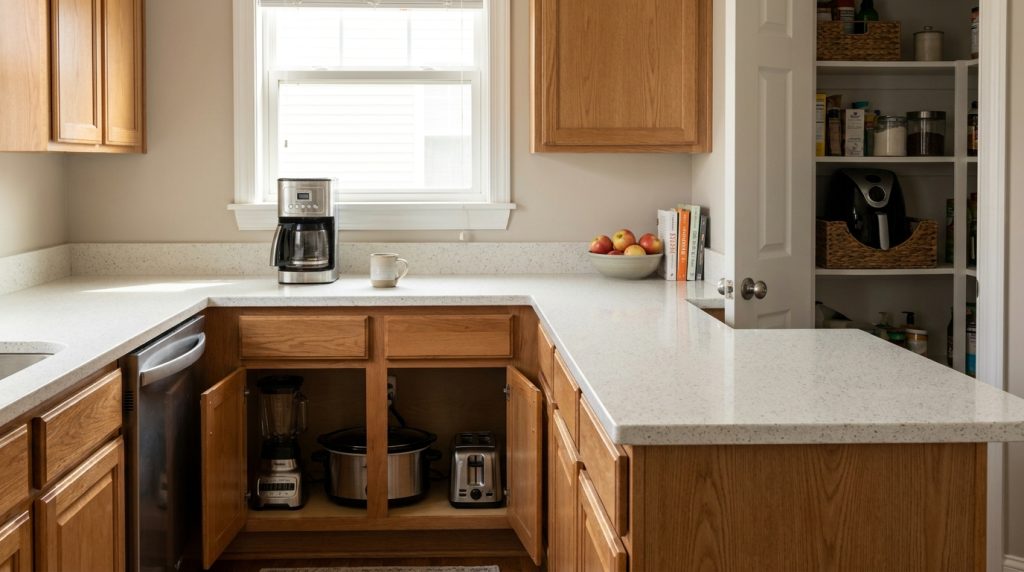
All those appliances can make a counter look crowded fast.
Small appliances are worth hanging onto, but if all stay out they can visually shrink a kitchen. The coffee maker may have earned some counter space, but the blender, slow cooker, toaster or air fryer may not need to be out every day in a typical American kitchen. Do a simple use test: If it is not used most mornings or most dinners, give it a cabinet, pantry shelf, garage shelf, or lower storage spot. Usually the counter feels more open before anything else gets cleaned.
Move Grocery Bags Before They Become Decor
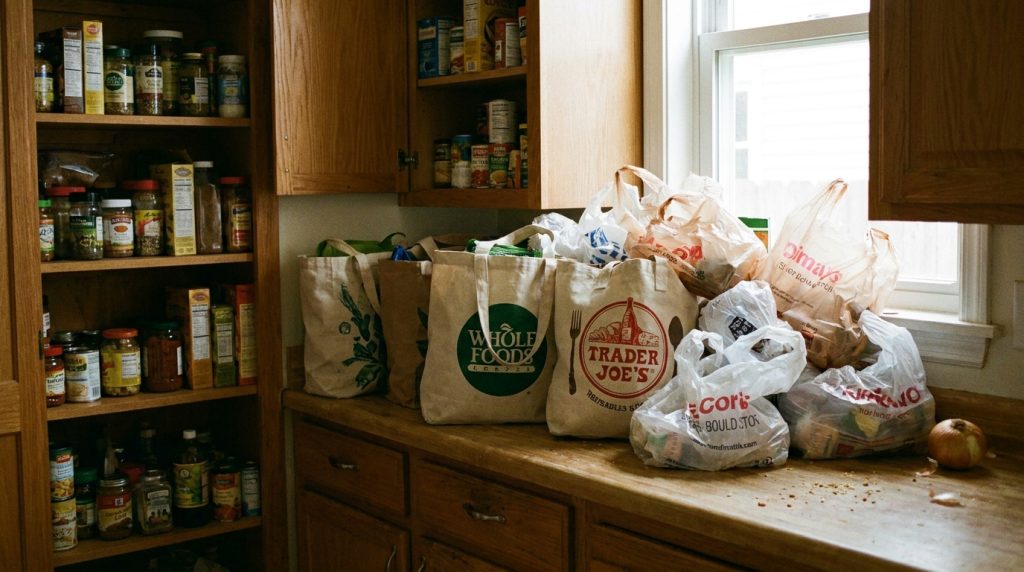
Grocery bags are part of the kitchen scenery.
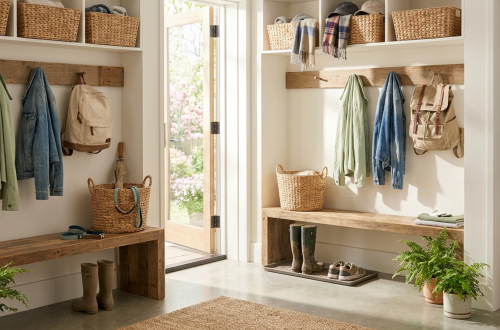
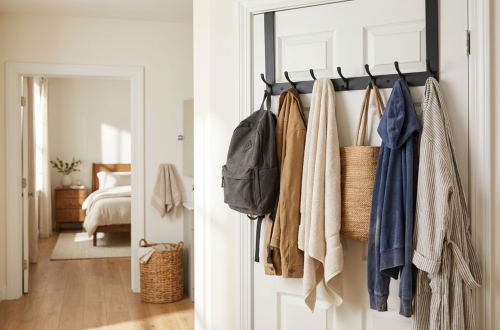
Reusable bags are handy, especially for going to the grocery store, but they tend to breed around the counter after trips to the store. You might find a few will be useful. A messy pile can make the kitchen feel incomplete. Pick a container, hook, drawer, or car spot and then assign a limit that works for it. Extra bags often go to donation, the car or a utility area or recycling. This prevents the counter from becoming the home of “I’ll put it away later” everyday visual clutter.
Shrink the Coffee Station to What You Actually Use
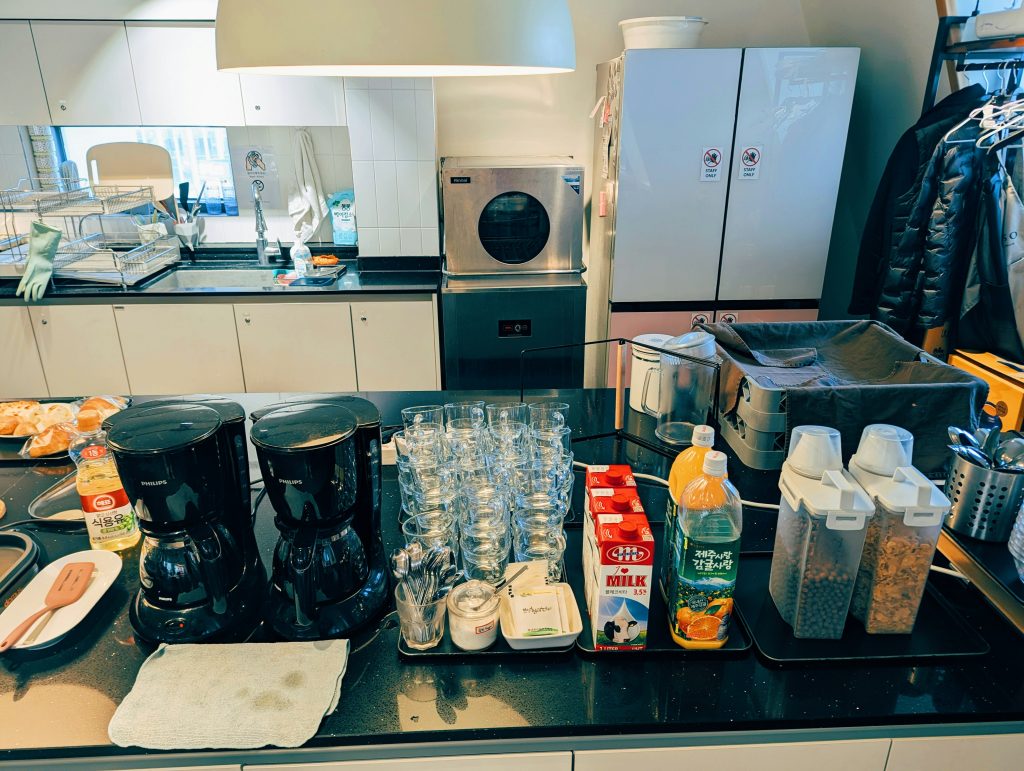
The coffee corner may be holding more than coffee
Coffee stations are easy to overbuild because every add-on feels convenient: mugs, pods, filters, sweeteners, syrups, spoons, napkins, and backup bags. In many U.S. kitchens, the station starts neat but slowly spreads sideways. Keep the machine and the few items used daily, then move extras to a drawer, cabinet, or pantry bin. A small tray can work well when it contains the station instead of expanding it. The payoff is a counter that still supports the morning routine without looking crowded all day.
Group Spices That Drift Toward the Stove
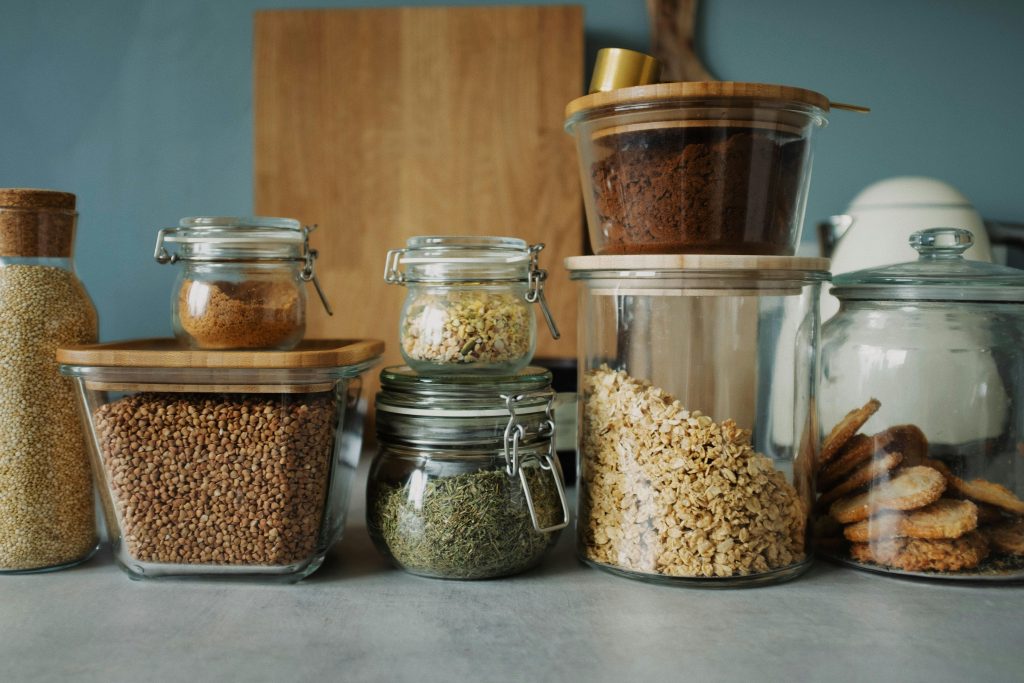
Spice jars can turn into tiny counter clutter.
A few seasonings by the stove can make cooking easier, but extra jars quickly create a busy line along the backsplash. In a typical American kitchen, spices may come out during weeknight meals and never fully return to the drawer or pantry. Group everyday seasonings on a small turntable, in a shallow bin, or in one drawer near the stove. Move duplicates and rarely used bottles away from the prep zone. The counter feels cleaner because the eye sees one category instead of scattered labels.
Reset the Drying Rack Before It Becomes Storage
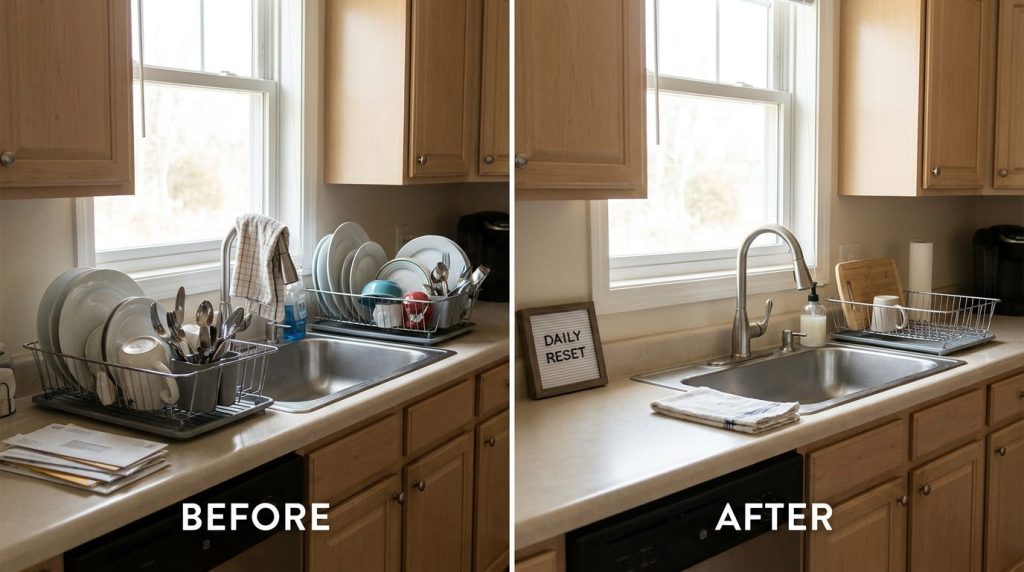
The drying rack may be acting like a second cabinet.
A drying rack is useful, especially in apartments, older homes, or busy family kitchens. But when dry dishes stay there all day, the rack starts working as open storage. That can make the sink area feel crowded even when everything is clean. Try a once-a-day reset: put away dry items, limit oversized pieces, and keep only the rack size that matches the household’s real routine. Over-sink racks or foldable mats may help in some kitchens, but the key is making the rack temporary again.
Keep One Prep Zone Completely Clear
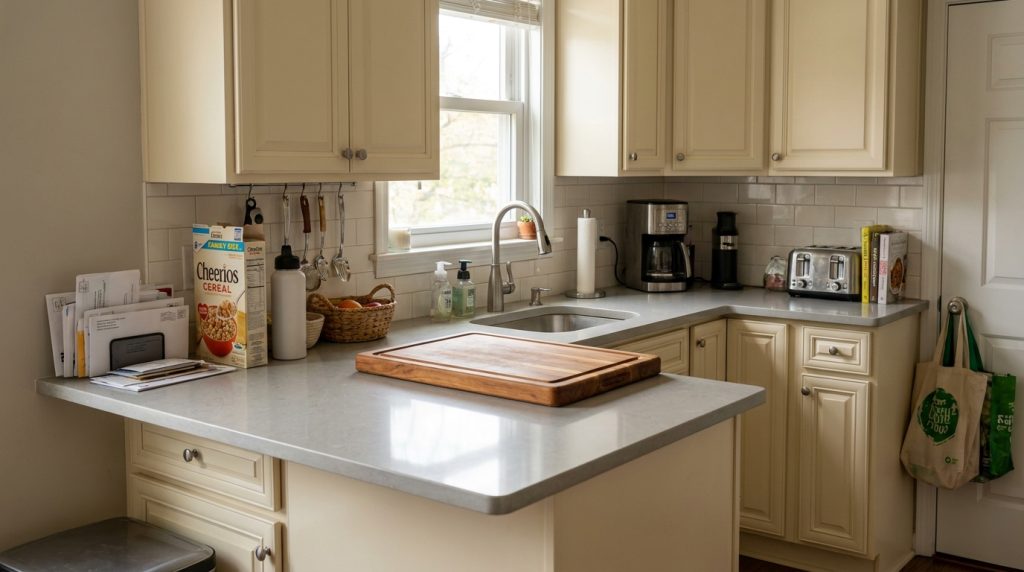
One empty zone can make cooking feel easier.
For renters, parents, and anyone with a smaller kitchen, clearing every counter may not be realistic. A more useful goal is one prep zone that stays empty: enough room for a cutting board, mixing bowl, lunch packing, or grocery sorting. This creates a working surface instead of a storage surface. It also helps the whole room feel less crowded because the eye has one calm place to land. Start with the section closest to the sink or stove, then protect it from mail, snacks, bottles, and bags.
Do a Final Counter Scan From the Doorway
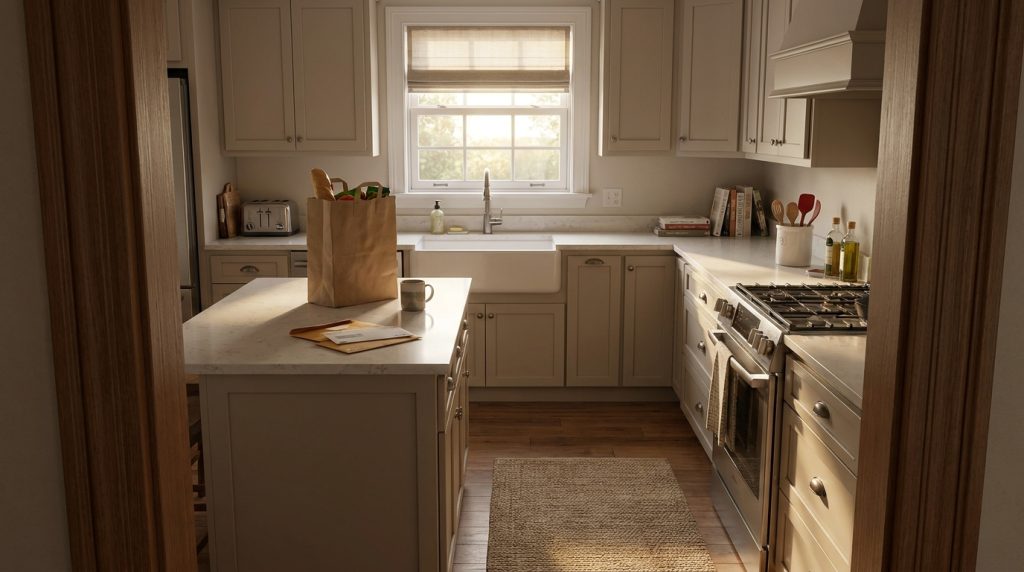
The doorway scan catches clutter your eyes may skip
After clearing the obvious items, step to the kitchen doorway and look back. This quick scan helps reveal what still reads as visual clutter: one stray bag, a bottle group, a spice row, or a stack of papers. In many U.S. homes, the kitchen is seen from the living room, hallway, or garage entrance, so the doorway view matters. The goal is not a magazine kitchen. It is a counter that feels ready for dinner, lunches, homework, or morning coffee without looking like every routine landed there at once.