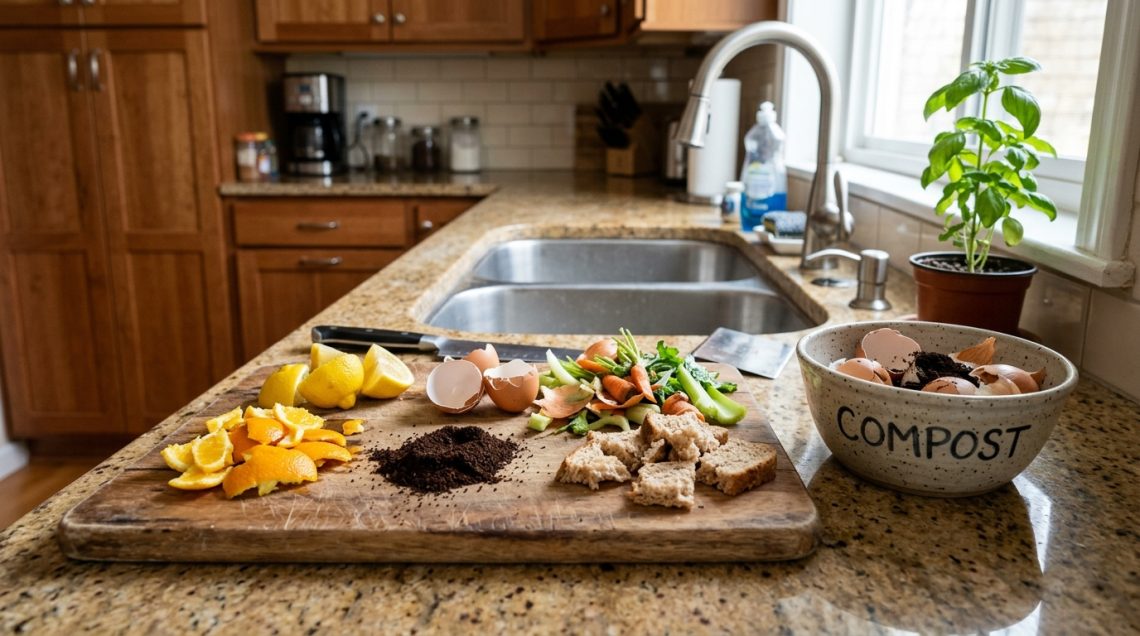
Most American kitchens produce small scraps every day that go right into the trash, but some of them can still be useful around the house before they are finally tossed. Citrus peels, coffee grounds, eggshells, stale bread, vegetable ends and leftover herb stems may seem useless after a meal but in many homes they can stretch a grocery budget, freshen a problem spot, help with cooking or reduce small household waste. It’s not about hoarding every peel or turning your kitchen into a project zone. It’s about discovering the everyday bits that still serve another practical purpose before they head off to the garbage disposal, trash can or compost bin. Most people throw out kitchen scraps before they get a second chance. In a typical American kitchen, the trash bowl fills up fast after breakfast, dinner prep, packing school lunches or a weekend grocery run. Orange peel, onion skins, coffee grounds, herb stems, stale bread and eggshells may seem like little more than clutter. But some bits still have safe, simple, useful jobs left before they are finally thrown away. The surprising thing is how everyday these scraps are. You don’t need a perfect homestead kitchen, a compost bin or a complicated DIY routine to get value from them. These are the little scraps that sit next to the sink, by the coffee maker or on the cutting board, in many U.S. households after dinner. The trick is to know which scraps are worth keeping for another use and which scraps still belong in the trash.
Citrus Peels Clean More Than Just The Trash Can
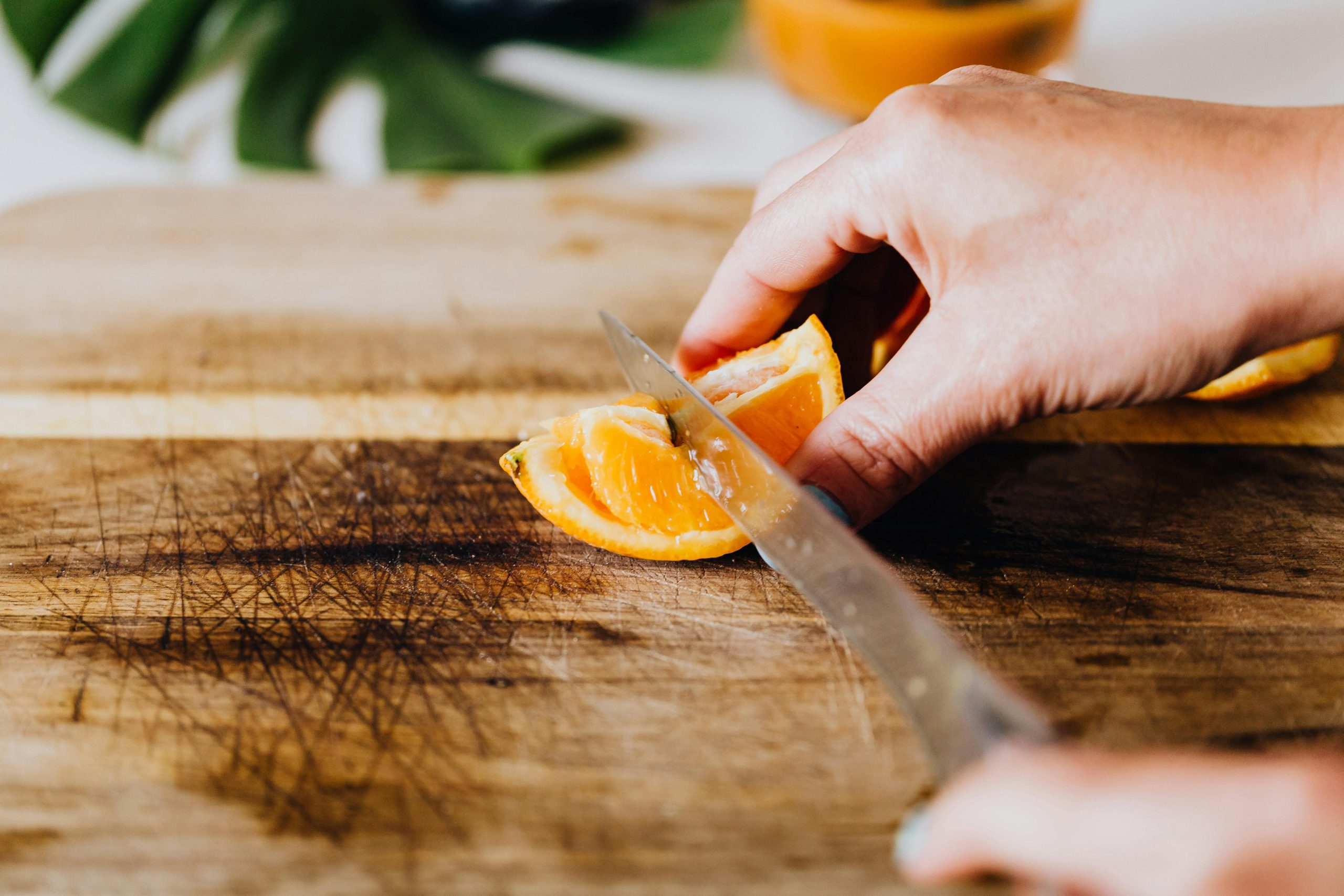
Most people toss their citrus peels in the trash after eating the fruit. Often, the peels of lemons, oranges, limes and grapefruits help to freshen small kitchen areas because the oils in the peel emit a strong clean scent. Many people are using small pieces of peel to deodorise trash cans, garbage disposals or cutting boards after food prep. It may seem like a small habit but can help make the kitchen feel cleaner in-between deeper cleanings. After chopping onions or garlic, rub a few citrus peels on the cutting board and rinse well. You can also put small pieces in a bin before the bag is full. If you are using peels near a garbage disposal, you may want to use small pieces and lots of running water, as large chunks can cause trouble in some sinks.
Coffee Grounds Still Work After Your Morning Cup
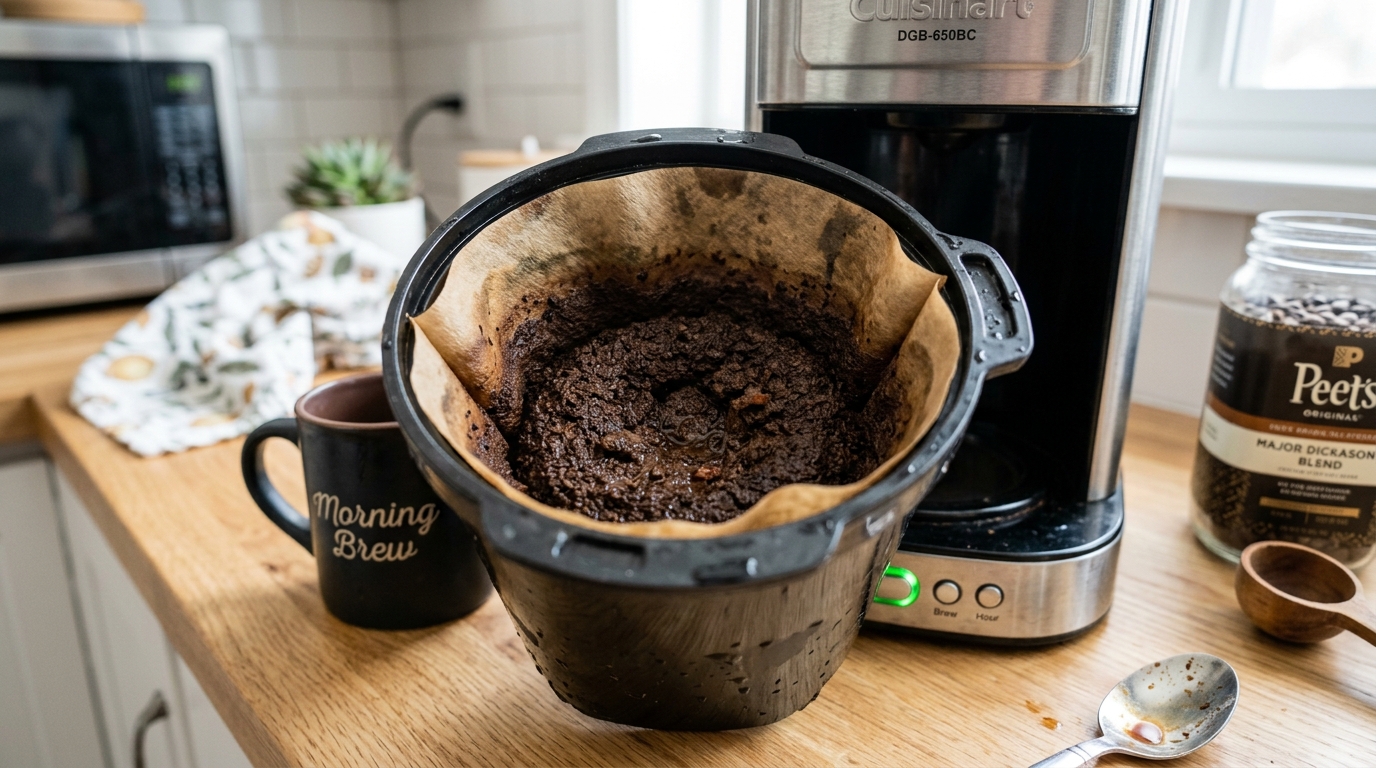
The wet coffee filter usually ends up in the garbage. But used coffee grounds can still help absorb some odours in small areas, especially around the fridge, trash area or under the sink. If you want to store them for a short time, dry them out first. Wet grounds can get messy or take on bad smells if they sit too long. This is one of those pieces that works best in small, limited ways. You can put a small open bowl of dried grounds in a smelly trash area for a little while, or they can help scrub away stubborn residue on some non-delicate surfaces. Avoid using coffee grounds in places where they can clog drains, scratch delicate finishes or stain light-colored materials. It’s not about saving every spoonful, it’s about reusing them when they can solve a little kitchen annoyance.
eggshells can be used for small kitchen chores.
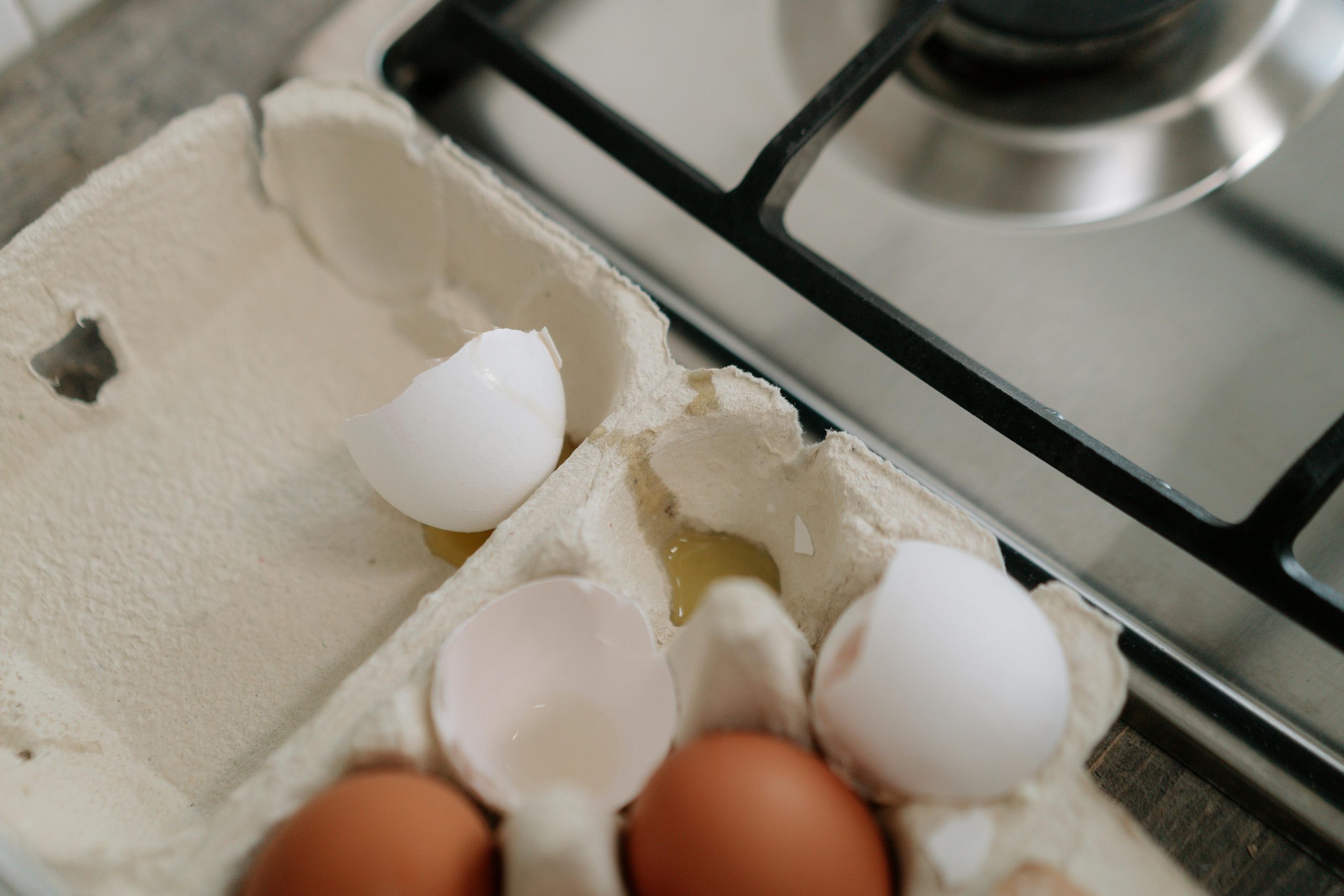
Most people just throw out eggshells without thinking. Clean crushed eggshells can sometimes be helpful for small household uses, especially for people who garden or keep potted plants. Some people add crushed shells to compost or garden soil, which will break down slowly and aren’t an instant fix for plants.The good thing is to know their limits. If you’re saving your eggshells, rinse and dry them out, especially in a busy kitchen where odours and bacteria are a concern. Small crushed pieces also work well for scrubbing narrow jars when shaken around with water, but should not be forced into drains or garbage disposals. Eggshells aren’t miracle scraps in many homes, just another thing that might not have to be tossed immediately.
Stale Bread Can Become a Grocery Saver
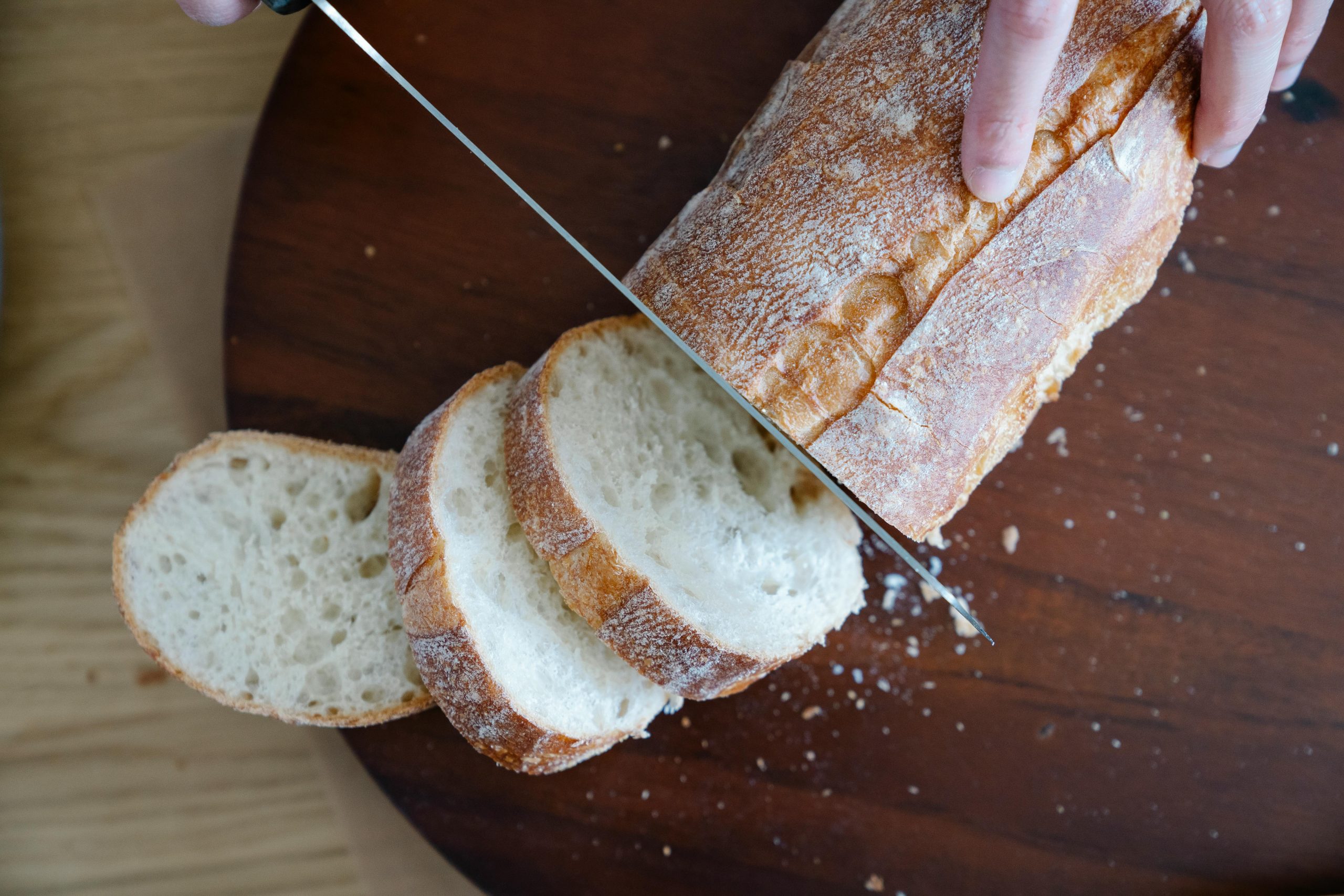
That dry heel of bread at the end of the loaf can still serve a purpose. Stale but not mouldy bread can be turned into breadcrumbs, croutons, stuffing pieces or a quick binder for meatballs and casseroles. With grocery prices taking a jump, using up the last bits of bread can help cut down on waste quietly. That’s where a lot of American kitchens lose some money, and don’t even know it. Bread gets pushed behind boxes of cereal, forgotten after a sandwich run, or left open on the counter. When dry it may not be great for toast but it can still be baked, crushed, seasoned and stored for cooking. If there is any mould, however, the entire thing should be safely discarded.
Vegetable Ends Can Flavor One More Pot
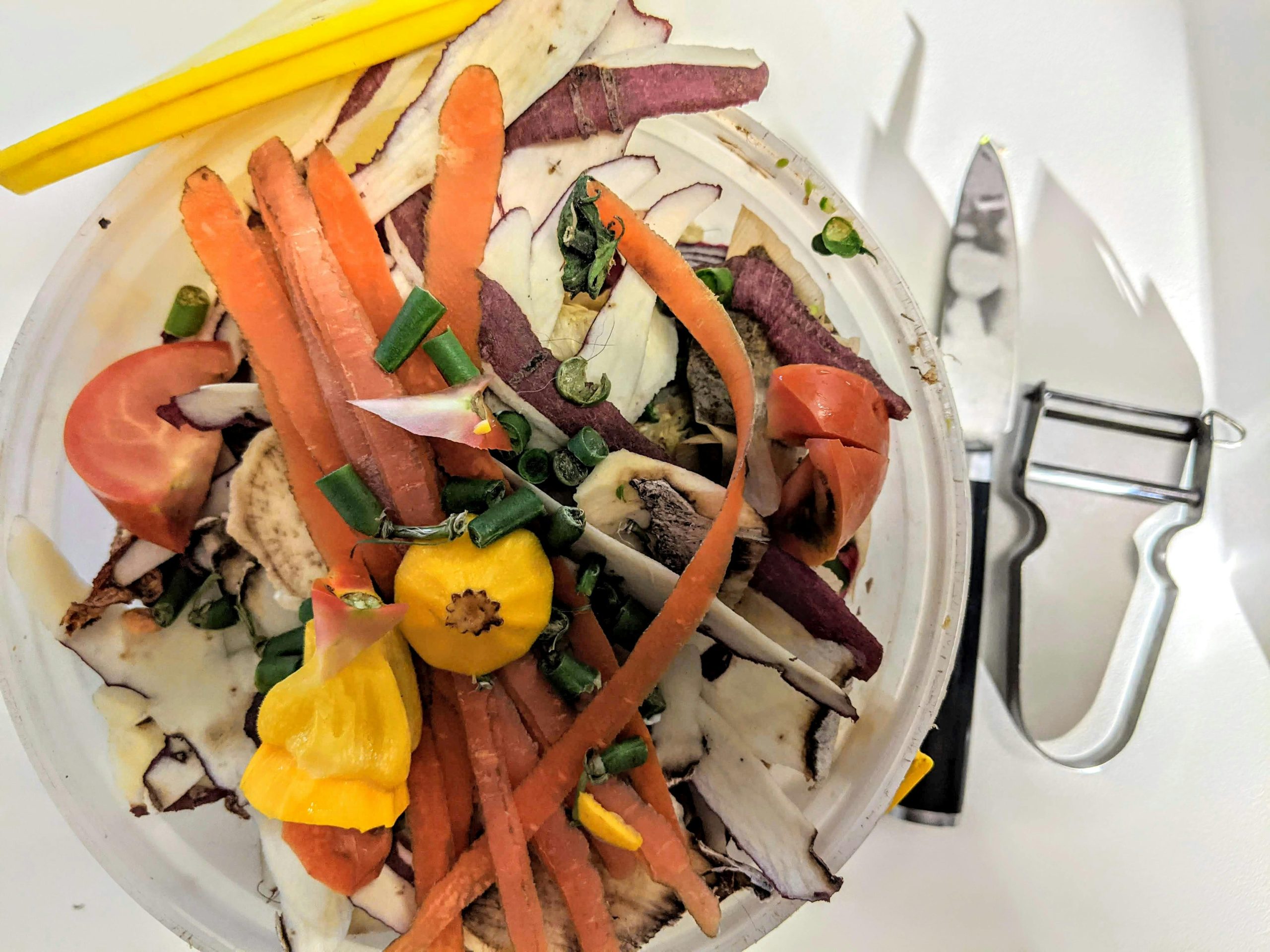
Most folks think vegetable ends prep is a mess. But clean carrot peels, celery tops, onion ends, garlic skins, mushroom stems, parsley stems and other fresh scraps can frequently help flavour homemade broth or soup. A bag of clean scraps can be a valuable base for a future pot of soup instead of another grocery item. Quality is the important thing. Use clean fresh scraps with no mould or slime for broth. Don’t use too many bitter or strong flavoured scraps like a lot of cabbage or skins with a heavy flavour. For many American homes, this practice is most effective if it remains simple. Keep clean scraps, freeze them, simmer later and strain.
Herb Stems Can Carry More Flavor Than People Expect
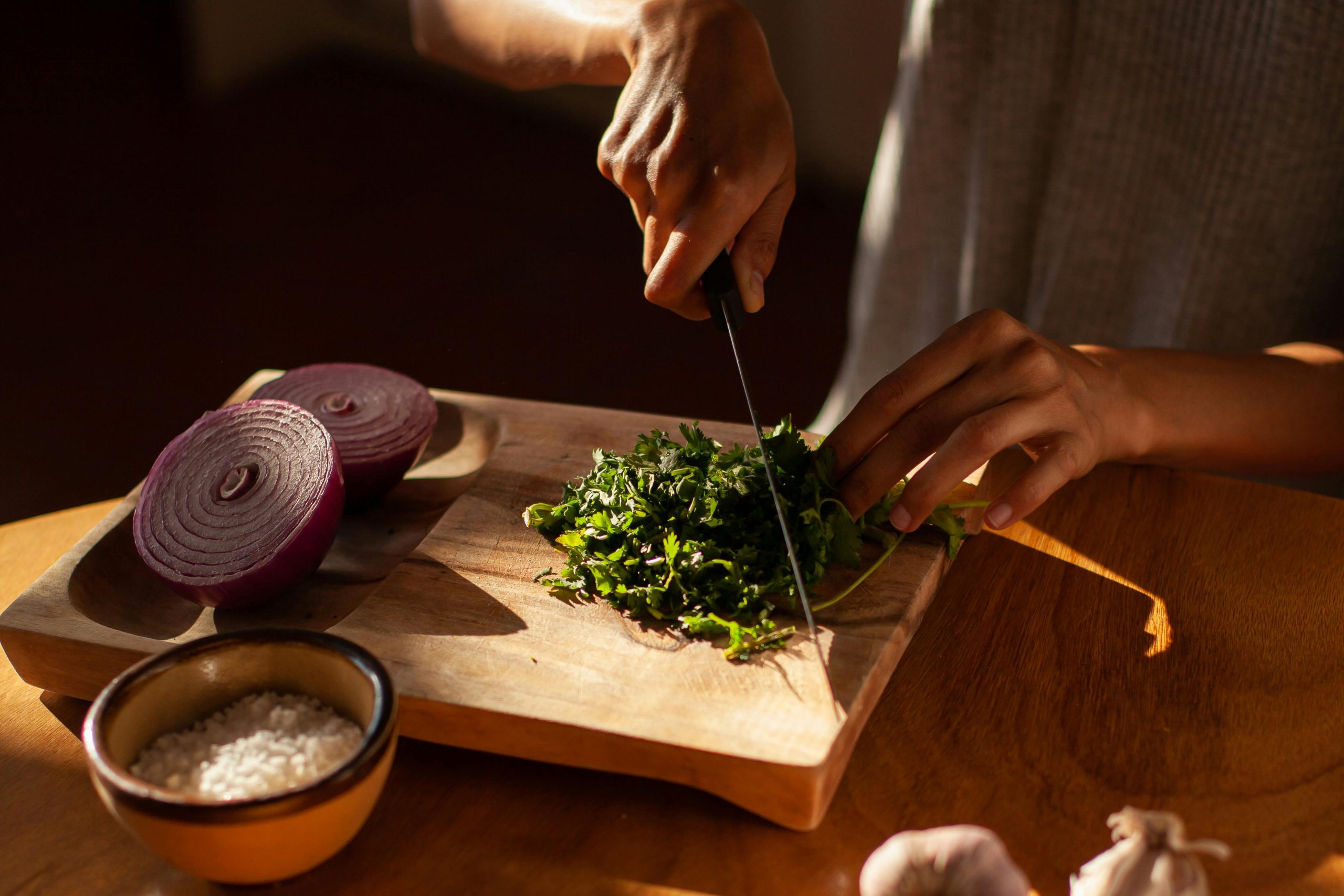
Those little herb stems may not seem worth saving. But stems of parsley, cilantro, dill and some basil can have surprising amounts of flavour. They can be chopped fine for sauces, thrown in the soup, pureed for dressings or tied into a little bundle to simmer. This is a small, restaurant-style habit that will work in a normal American kitchen. Don’t throw away half a bunch of herbs after taco night or pasta night—use stems to extend the flavour. Remove any woody stems, herbs that have gone bad, and stems that are hard and dry. But one more chance is often deserved by fresh tender stems before they end up in the trash bin.
Pickle Juice Can Rescue More Than Pickles
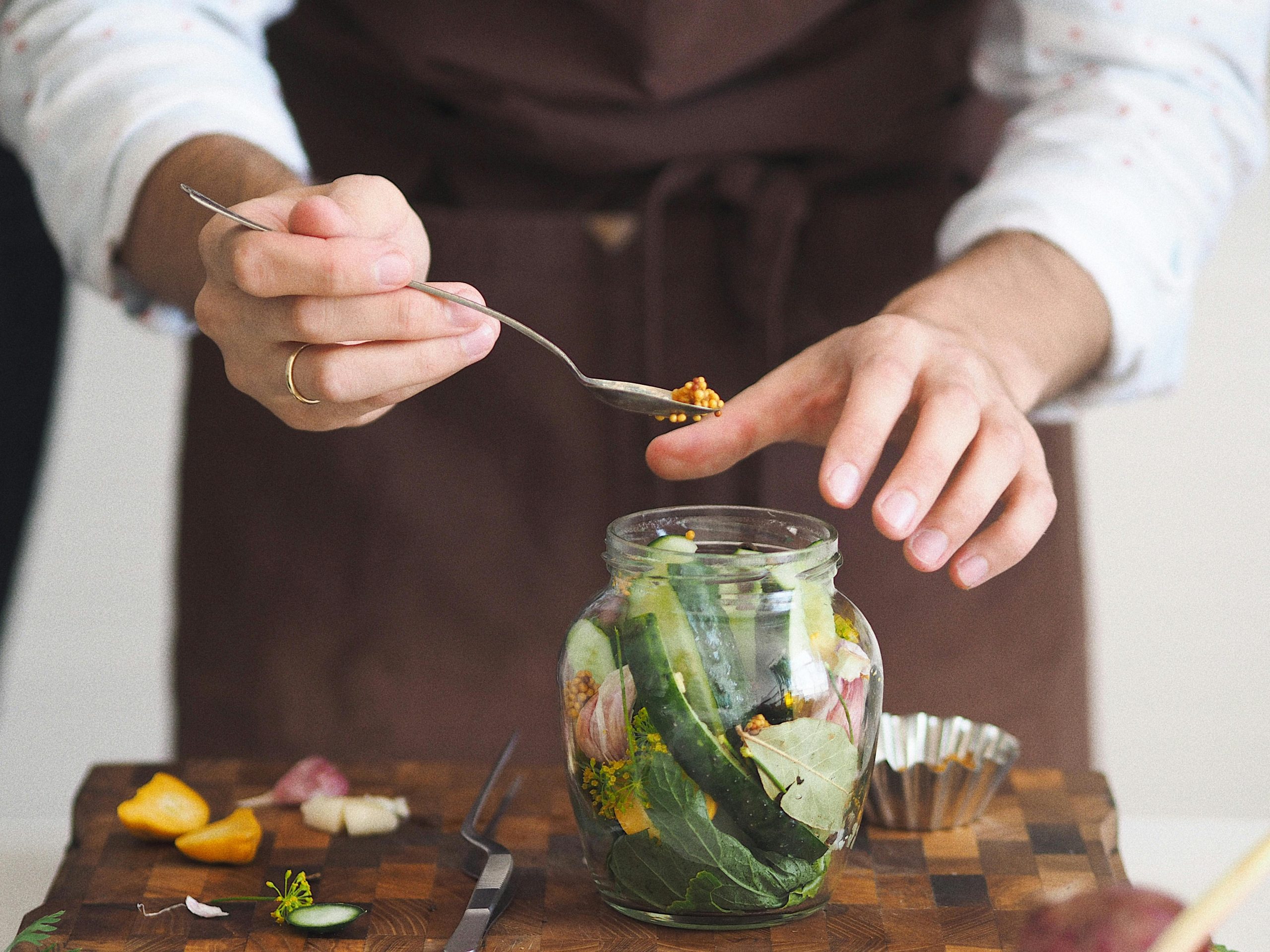
The sink often gets a pour of that cloudy-looking liquid from the pickle jar. But you can still use leftover pickle brine to flavour quick onions, cucumbers, potato salad, tuna salad, chicken salad or marinades. It’s one of the easiest scraps to reuse because it’s already seasoned. The wise thing is to keep it food safe. Never reuse brine that smells bad, has been sitting too long, or has had dirty utensils dipped into it again and again. Keep refrigerated and use within a reasonable time. In many households, a splash of pickle juice is not a fancy hack. It’s a quick way to add sharp flavour without opening another bottle of vinegar.
Apple Peels and Cores Can Add Scent or Flavor
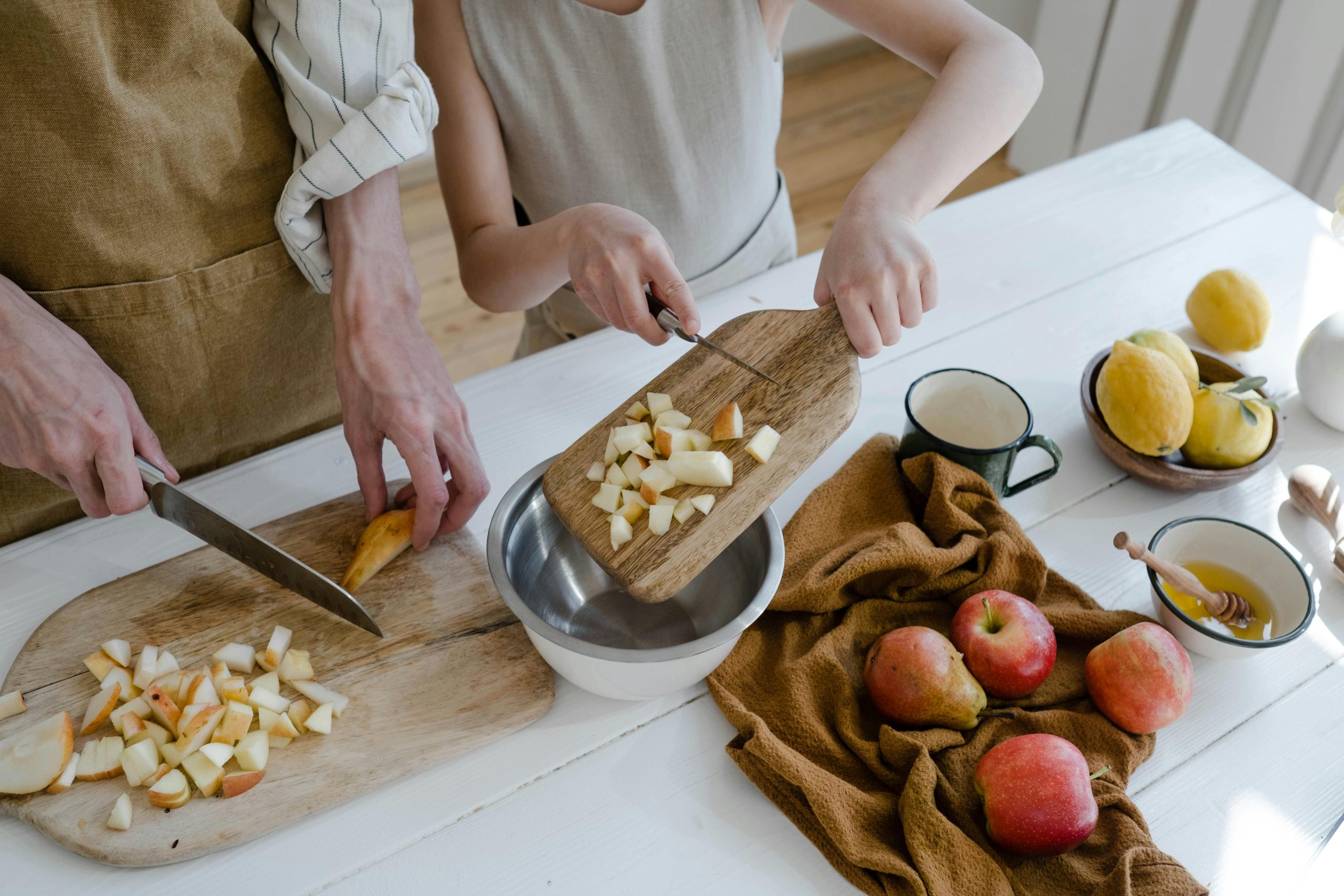
Apple peels from packing school lunches aren’t worthless. Simmer fresh apple peels and cores with some cinnamon and water for a warm kitchen scent. They are also used by kitchen experimenters in some homemade syrups, teas, or vinegar-style projects.
The key is freshness and simplicity. Apple scraps should be thrown away if they are bruised or mouldy or sitting out too long. On cold mornings, simmering a pot on the hob can help make a kitchen smell inviting, but the pot should be watched at all times and never left unattended. This is not about making every apple a project. It’s about knowing when fresh scraps are still worth something.
Parmesan Rinds Can Deepen Soup and Sauce
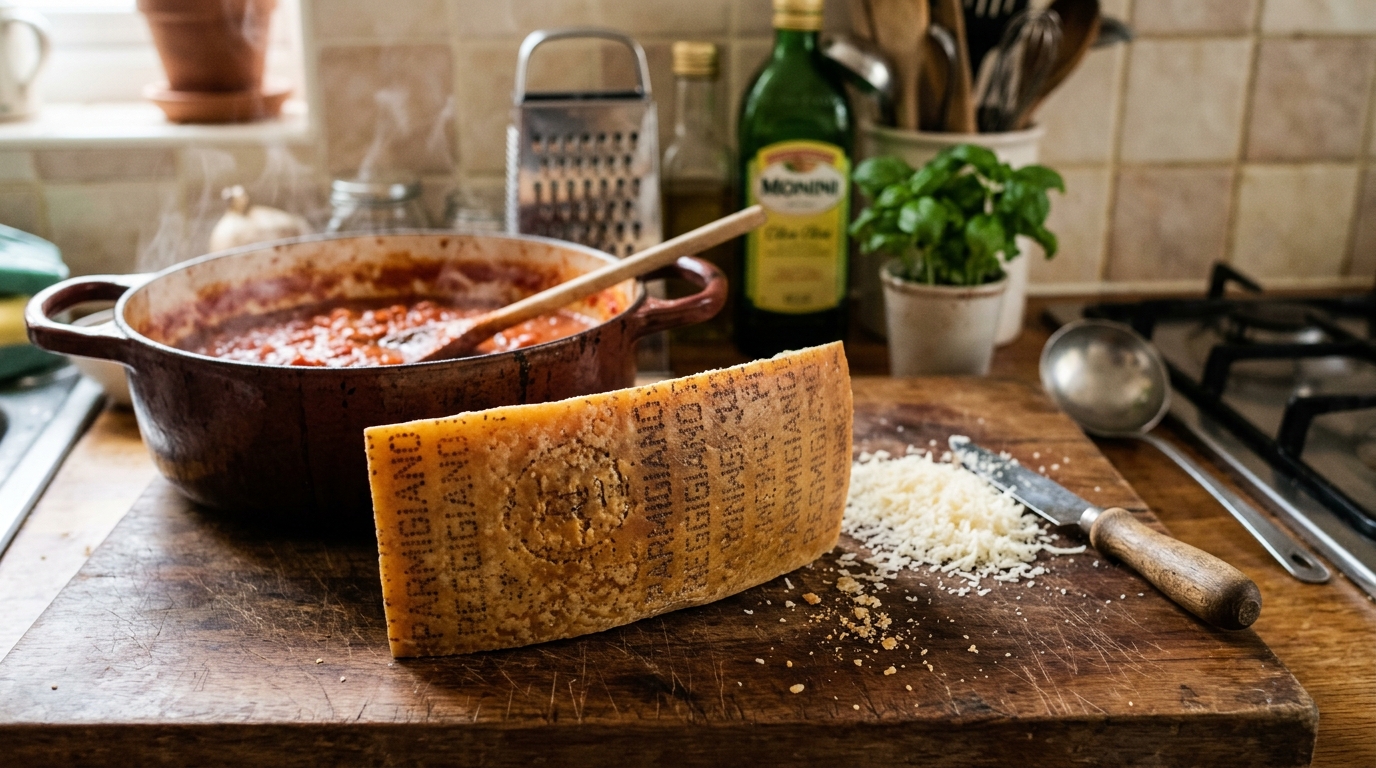
That hard cheese end feels like it’s not usable. But parmesan rinds can add a rich, savoury flavour to soups, beans, sauces and stews as they simmer. Home cooks often keep them in the freezer, and drop them into a pot of tomato sauce or minestrone-style soup. One of the best “don’t toss this” kitchen habits because it feels almost effortless. You do not have to eat the rind but you can take it away after cooking. Just make sure it is clean, not waxy in a way that is not for cooking, and stored correctly. It can take a simple pot in an everyday weeknight kitchen and make it taste like it had more ingredients than it did.
Onion Skins and Garlic Skins Can Help Broth
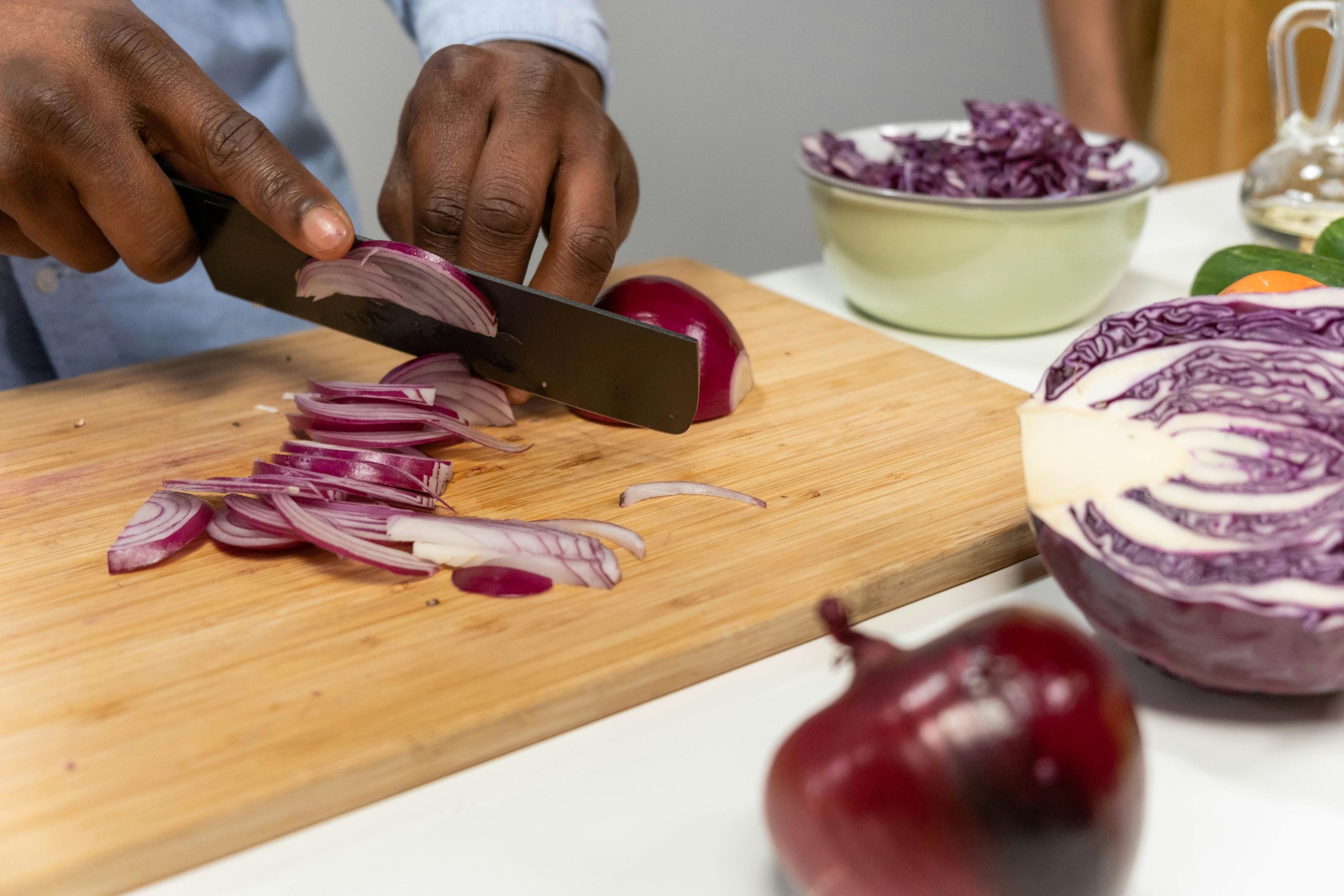
Those papery skins generally scatter over the counter and swept away. Broth can be flavoured and coloured with a touch of onion skin or garlic skin. They are really useful when used with other vegetable scraps, rather than on their own. The mistake is to save dirty or damaged scraps. Dirt, mould, or questionable spots on skins should go right to the trash or compost. Clean papery skins can be kept in a freezer bag with other broth scraps. It’s a small thing, but it can make homemade soup feel less wasteful and more flavourful.
Potato Peels Can Become a Snack Instead of Waste
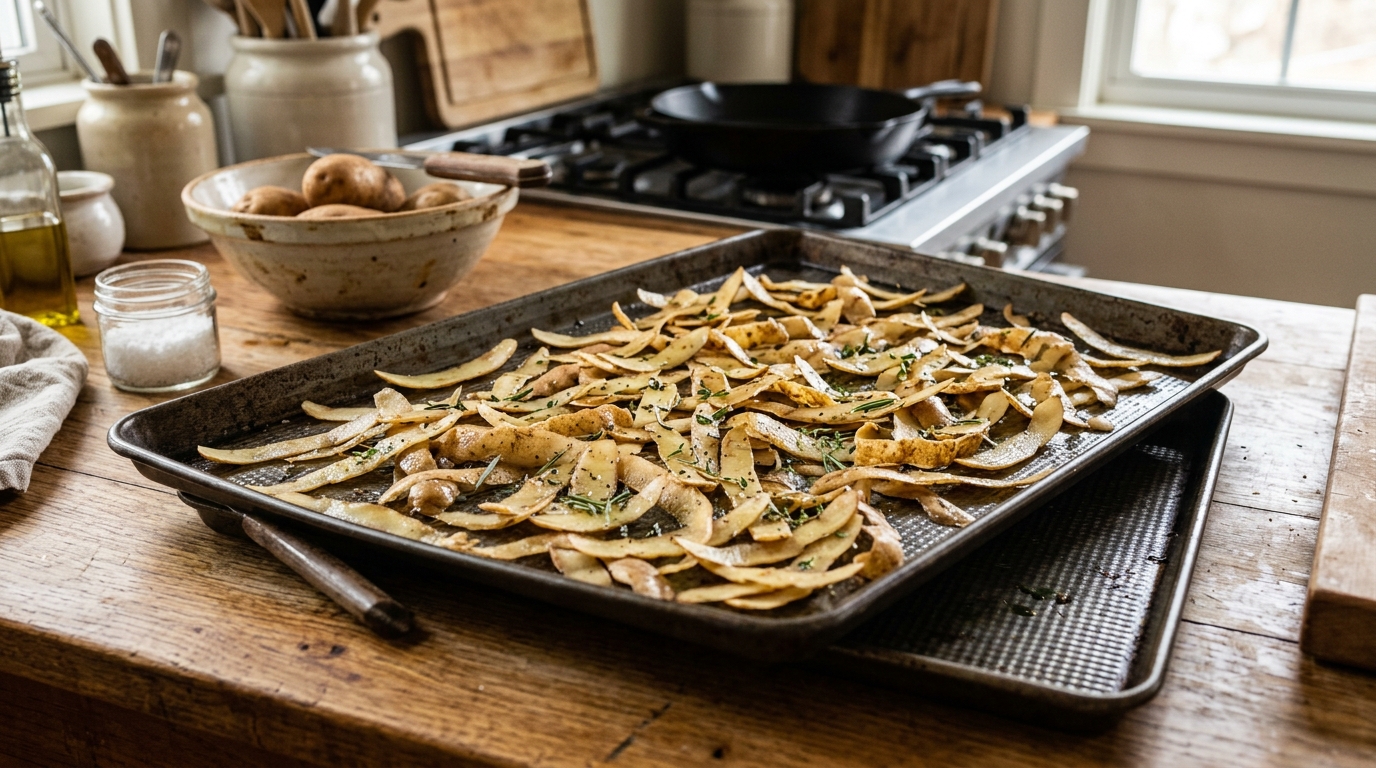
Those potato peels after dinner prep can still have a second life. If the skins are fresh and the potatoes are well scrubbed, they can be lightly oiled and seasoned and baked until crisp. This can turn a scrap into a small snack or topping for families trying to stretch groceries. Here the security detail matters. Do not use green potato skin, sprouted or rotten spots or anything that looks suspect. Use the peelings of clean potatoes, and cook them as soon as they are peeled. That’s not a reason to save every peel, but it can save a normal side dish from producing unnecessary waste.
Banana Peels May Help in the Garden, Not the Sink
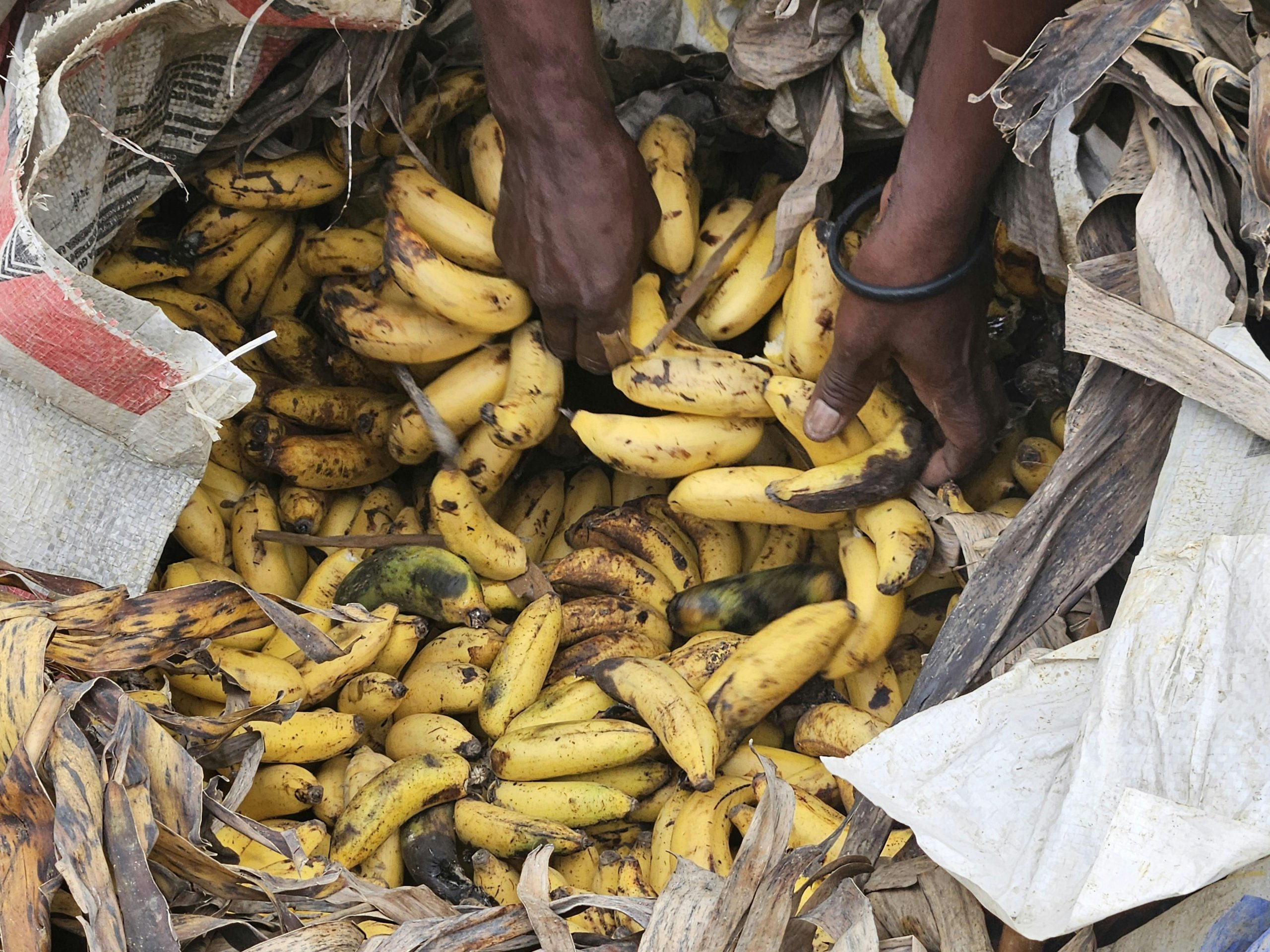
Don’t put that banana peel from breakfast down the drain. Some folks cut the banana peels up and add them to their compost or bury small pieces in the right soil. They do break down over time and add organic matter but they are not an instant plant cure. The pragmatic warning is significant. Scatter banana peels around the backyard, on the patio or on indoor plants and you are likely to attract pests. Use them in moderation, preferably composted or buried in soil, and do not leave them out in the open next to doors, trash cans or garages. Whether you are a gardener or not, in many homes this dictates the best use of the space. Otherwise the trash might be better still.
The Real Trick Is Saving Only the Useful Scraps
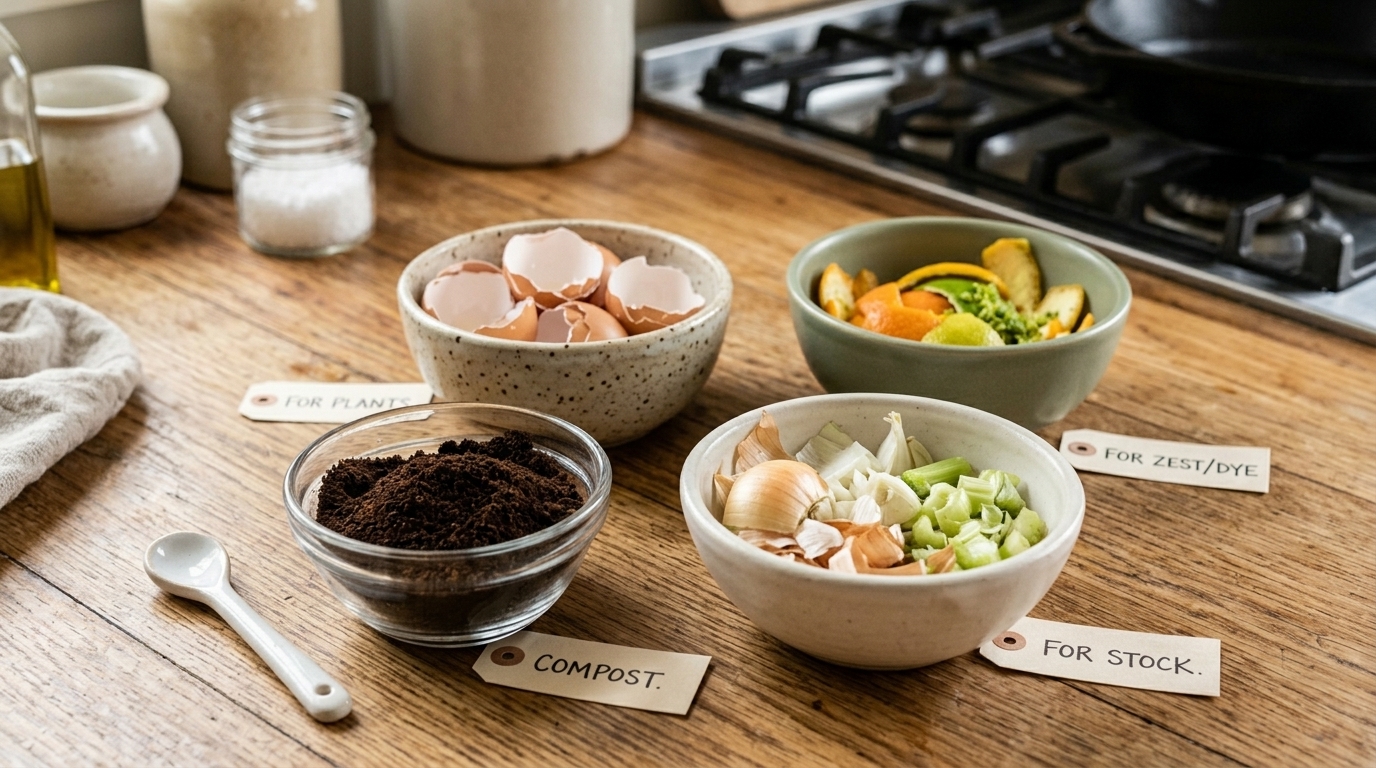
The largest mistake is trying to save all. A handy frugal kitchen habit should make life easier, not turn the counter into a science experiment. Mouldy, slimy, spoilt, unsafe or too much bother scraps should still be thrown away. The trick is to find the easy ones: citrus peels for smells, bread for crumbs, vegetable ends for broth, herb stems for flavour, and coffee grounds for small smelly jobs. A tiny system can reinforce this habit. Keep a freezer bag for clean broth scraps and a small bowl for same-day citrus peels. Have a clear rule for anything questionable: When in doubt, throw it out. That’s what makes the kitchen safe, clean and real for busy American homes. The silent upside is not just some leftover savings. It is learning to view the kitchen differently. Sometimes the orange peel in the sink, the bread heel in the bag, the herb stems after taco night, the parmesan rind at the back of the fridge aren’t always used up. Sometimes the most useful habit you can form in the home is a two-second pause before you throw something away.