Leftovers seem to just disappear before your very eyes. Especially after a big grocery run, a rushed weeknight dinner or a busy school morning. In many American homes, the problem isn’t that food is forgotten on purpose. That’s containers shoved back, missing labels, produce spread out half-used and lunch items fighting with sauces, snacks and takeaway boxes. These fridge shelf habits can make cooked food more visible, more accessible and less of a mystery container by the weekend.
Give Leftovers One Visible Shelf
The easiest leftover fix may be one shelf.In many U.S. homes, milk, condiments, snack packs and bags of produce live alongside leftovers and make them disappear. A shelf in sight can make cooked food a first choice rather than a back of fridge surprise. It’s not about having a pretty looking fridge. It’s a shelf where you can see last night’s pasta, rice bowls, soup or grilled chicken in one second. Putting an item at eye level also helps busy parents, roommates and lunch packers make quicker decisions before ordering takeaway or opening something new.
Use Clear Containers More Often Than Opaque Ones
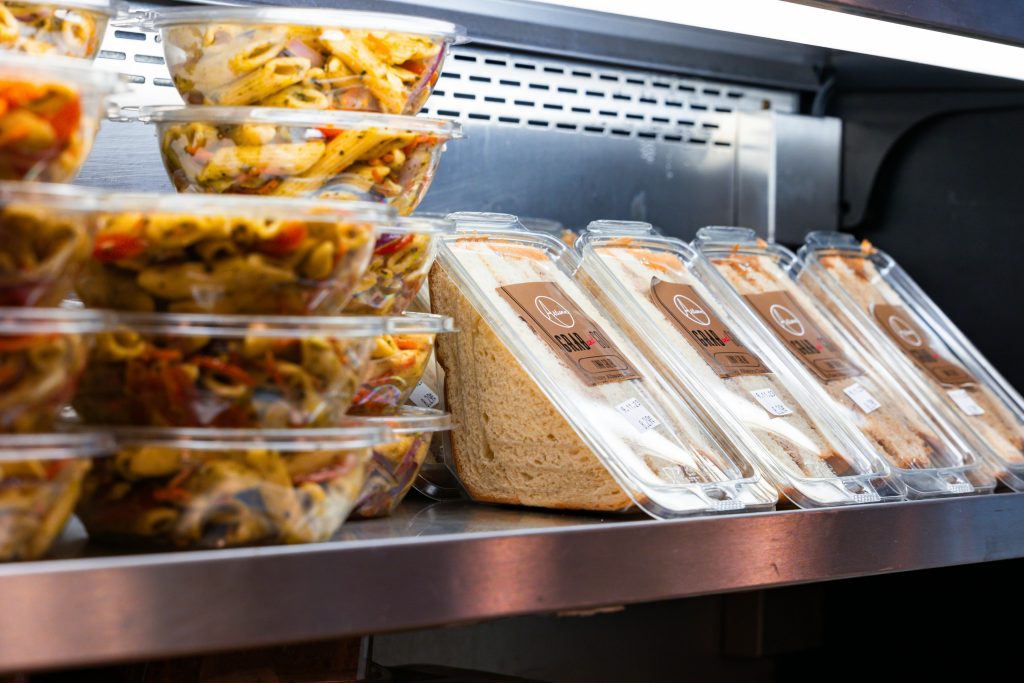
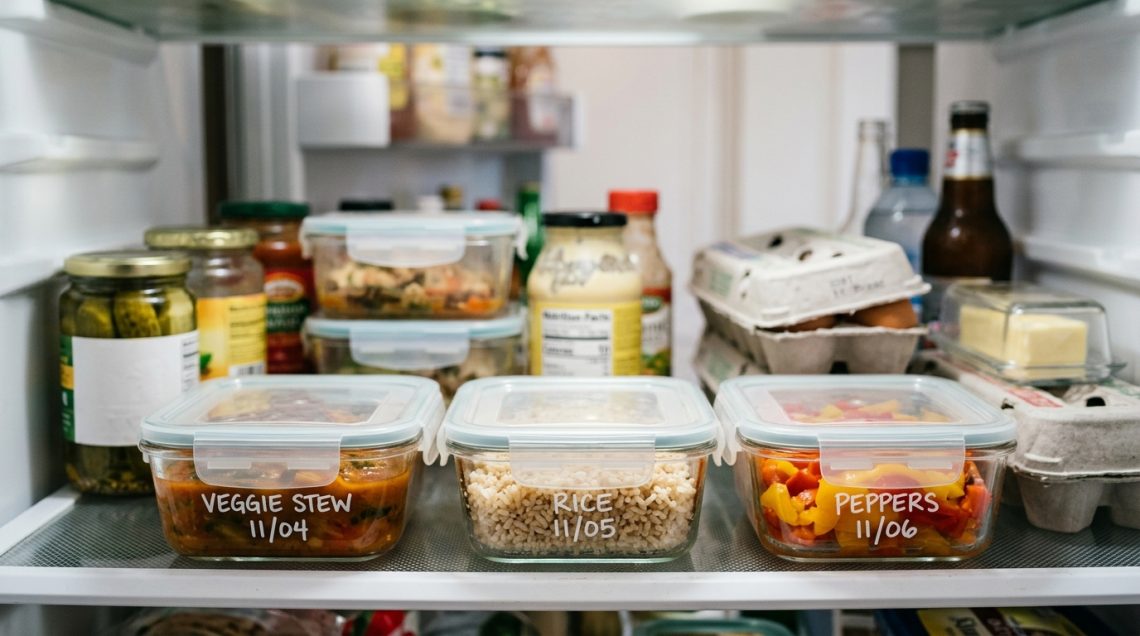
The container may decide whether leftovers get eaten.Opaque tubs can be useful, but they depend on everyone in the house remembering what went in them. Clear containers eliminate that little mental step. This can matter after pizza night, Sunday meal prep or a grocery run when the fridge fills quickly in a typical American kitchen. When you see roasted vegetables or cooked rice or taco meat, or soup, leftovers can seem usable again. It also saves the hassle of opening five containers to get one lunch. The payoff is simple: less guesswork, less shelf-shuffling, and a fridge that quietly reminds people of what is already paid for.
Date Labels Make Cooked Food Easier To Prioritize
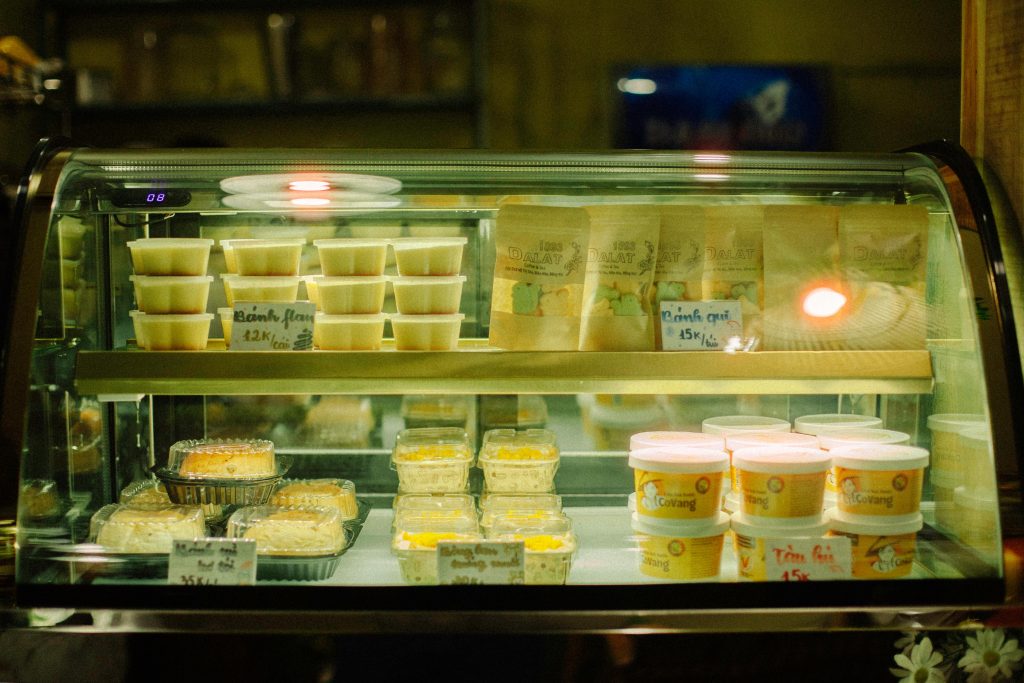
The tiny label may be the real fridge organizer.A date label doesn’t have to be fancy. A little painter’s tape, freezer tape or even a small removable sticker can make prioritising cooked food so much easier before it becomes a mystery. In busy U.S. households, a tub behind the yoghurt is less useful than “Tuesday chilli.” The date also helps roommates, teens or spouses know what to eat first without asking. Particularly handy after holidays, meal prep or takeaway nights. The softer goal is not pressure, it is a visual cue that turns leftovers into an easy lunch, quick dinner or freezer candidate.
Use Small Bins For Half-Used Produce
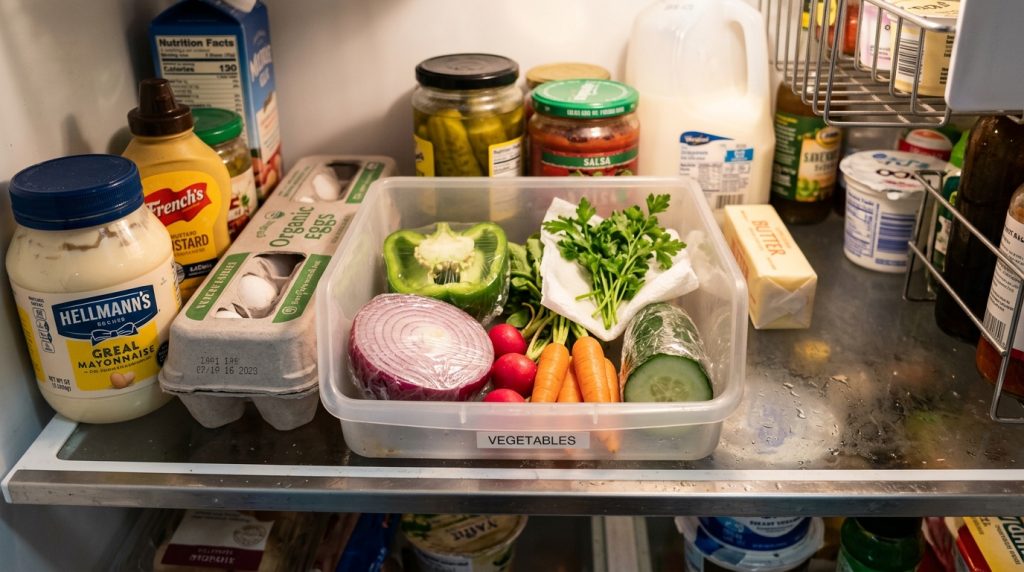
The smallest fridge bin may save the most forgotten bites.Half-used produce from a grocery run can be all over drawers, shelves and door compartments. Those pieces don’t disappear thanks to a small “use soon” bin. In a typical American kitchen this might be half a pepper, leftover salad toppings, lemon wedges, herbs or a handful of strawberries from a larger pack. The bin makes it simple to add odds and ends to eggs, wraps, rice bowls, tacos or snack plates.” Also, it gives you a quick visual cue for the fridge: check this little spot first before you open new produce.
Move Open Yogurt And Dairy Forward
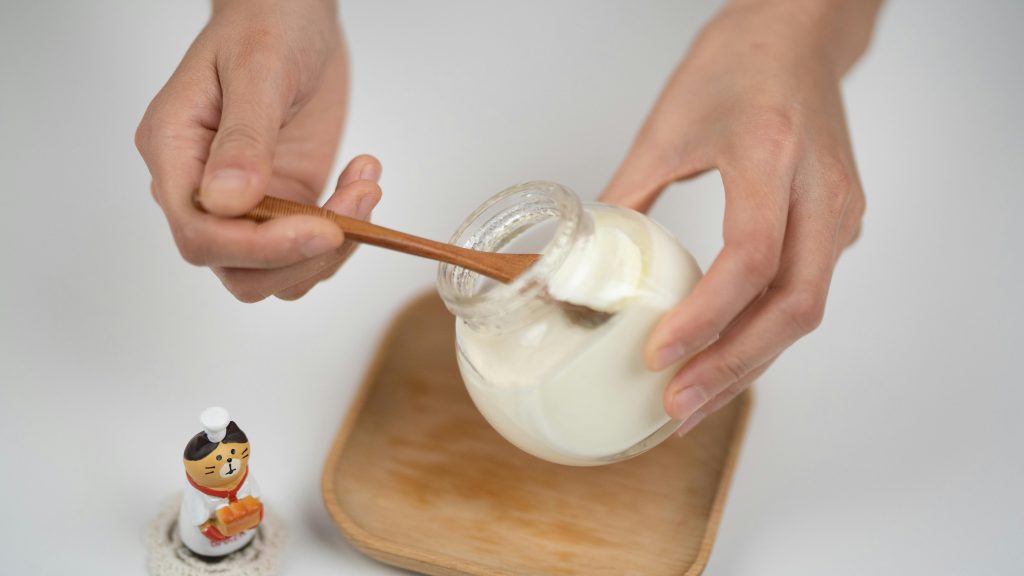
Open food should not have to compete with unopened food.Unopened packages can hide open yoghurt, sour cream, cream cheese, dips and cottage cheese. Moving open items forward creates a simple “first finish” row. This is perfect for American homes where breakfast, packed lunches, taco night and after-school snacks all share the same fridge shelf. That also keeps people from opening a second container because the first was hidden. It’s a small habit, but it can limit duplicate purchases and make the fridge feel more intentional without a full organiser overhaul.
Group Leftover Sauces In One Small Zone
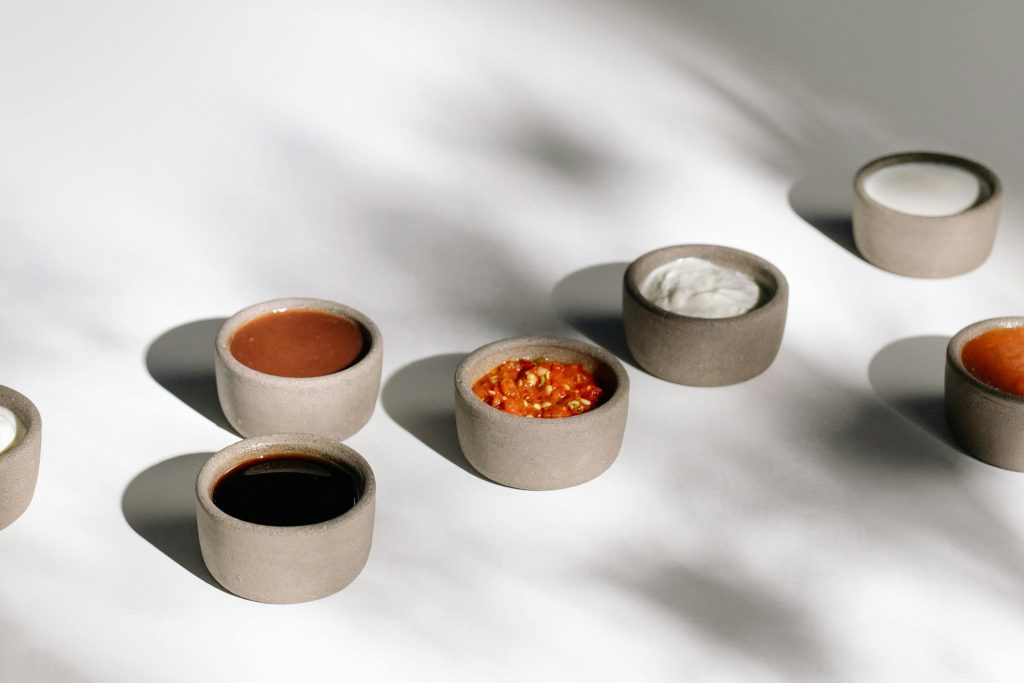
Tiny sauce containers can become a fridge blind spot.Leftover small sauces often seem too small to matter, but they can turn rice, chicken, vegetables, sandwiches or pasta into a whole new meal. The trouble is salsa cups, gravy, dressing, pesto and pasta sauce can splatter all over the fridge. A little sauce zone keeps them in sight and easier to pair with leftovers. This can also prevent the door shelves of many U.S. homes from turning into a maze of near-empty jars. The best way is easy. One bin, small containers and the oldest or most opened items are in the front.
Create A “Tonight First” Fridge Zone
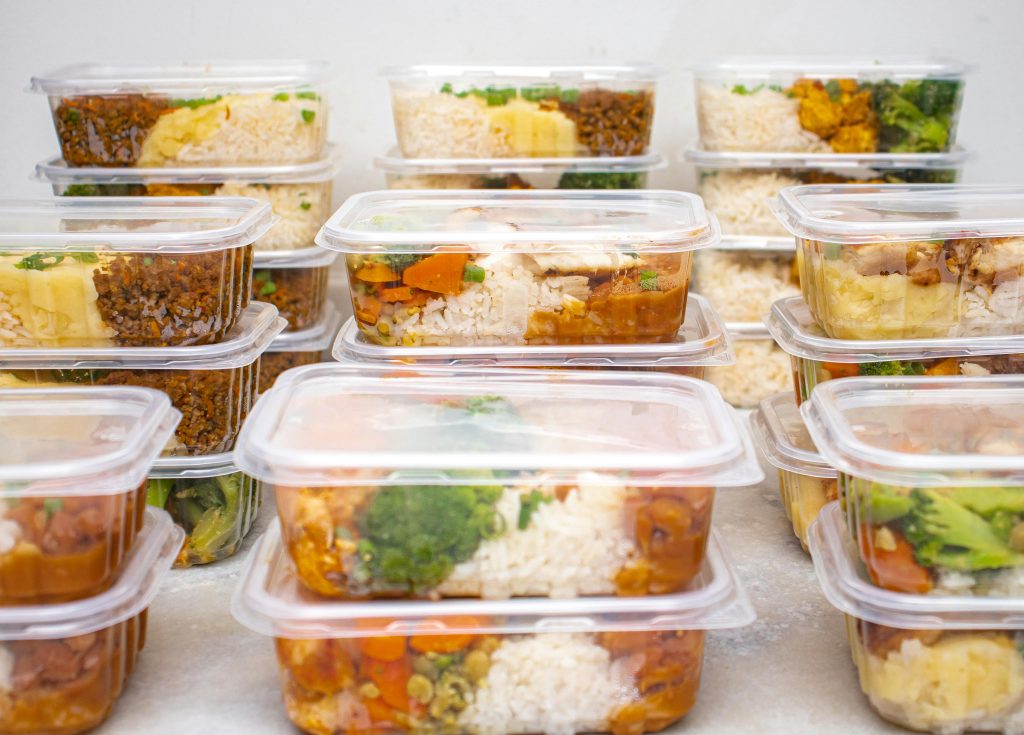
This little fridge zone can make leftovers feel urgent in a good way.A “Tonight First” zone is a tiny food place that must be used before opening something new. Maybe it’s cooked chicken, rice, taco fillings, chopped veggies, soup, or a sauce jar that’s nearly finished. This can be a help in a typical American home on nights when work, school, sports and errands make dinner feel like a rush. It doesn’t have to be a special product. A clear bin or even a corner of the front shelf will do. It keeps useful food from floating into the back and gives the household a low-effort place to check before spending more.
Keep Lunch Items At Eye Level
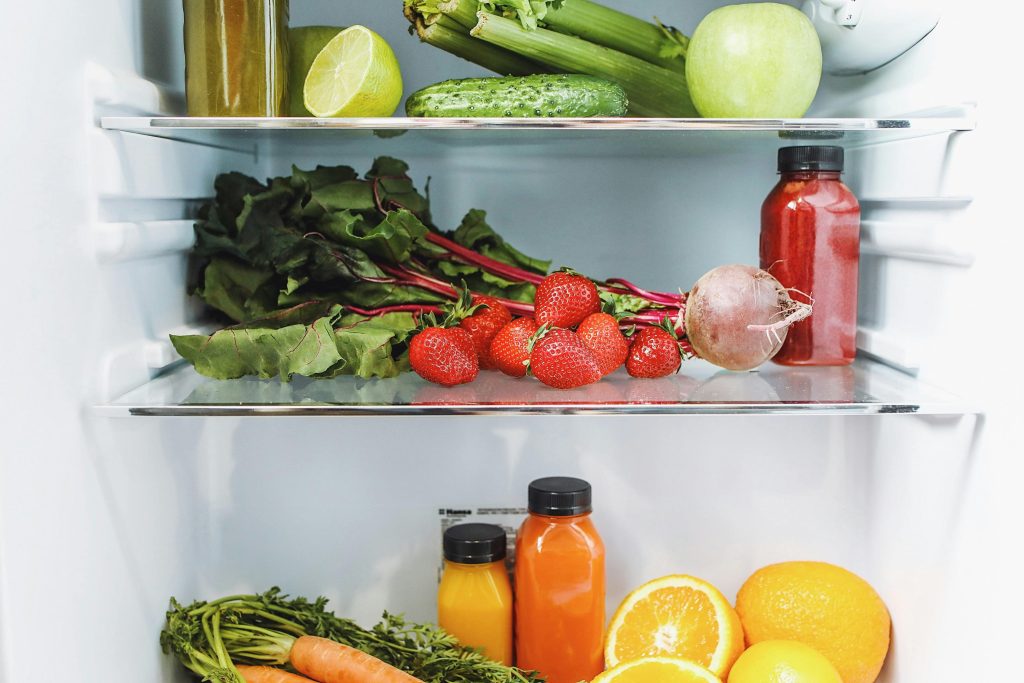
Lunch gets easier when the fridge points to it.Packed lunches are often rushed and hidden leftovers might be missed even when they would work perfectly. Cooked food, fruit, cheese, yoghurt and snack containers are easier to reach when kept at eye level. This is especially helpful for parents, people sharing a fridge while renting, or anyone trying to save money on weekday takeaway. The shelf can be flexible, with leftovers on one side, lunch add-ons on the other, oldest items up front. The fridge reveals the easy choice and increases the odds of food being eaten.
Put Half Lemons And Onions In One Box
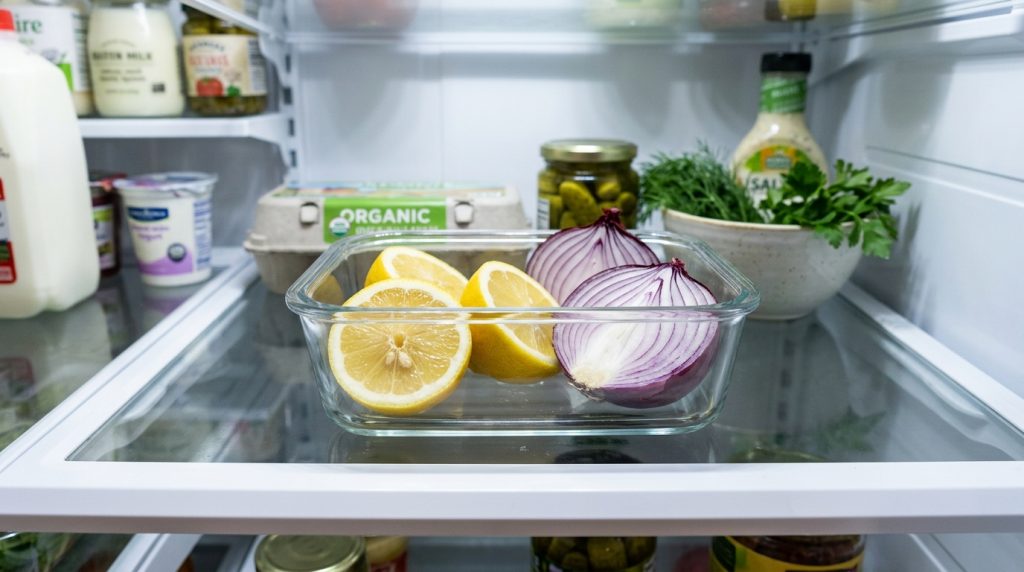
The smallest leftovers may be the easiest to lose.Half lemons, lime wedges, pieces of onion and little bundles of herbs are easy to overlook because they don’t look like a full “leftover.” A small lidded box will keep these pieces from rolling behind jars or drying out in random corners. And that box can also speed up weeknight cooking in a lot of American kitchens: lemon for fish, onion for eggs, lime for tacos or herbs for soup. The trick is not to save every little piece forever. It’s creating one visual spot for the cut ingredients most likely to finish off a meal.
Do A Weekly Quick Shelf Reset
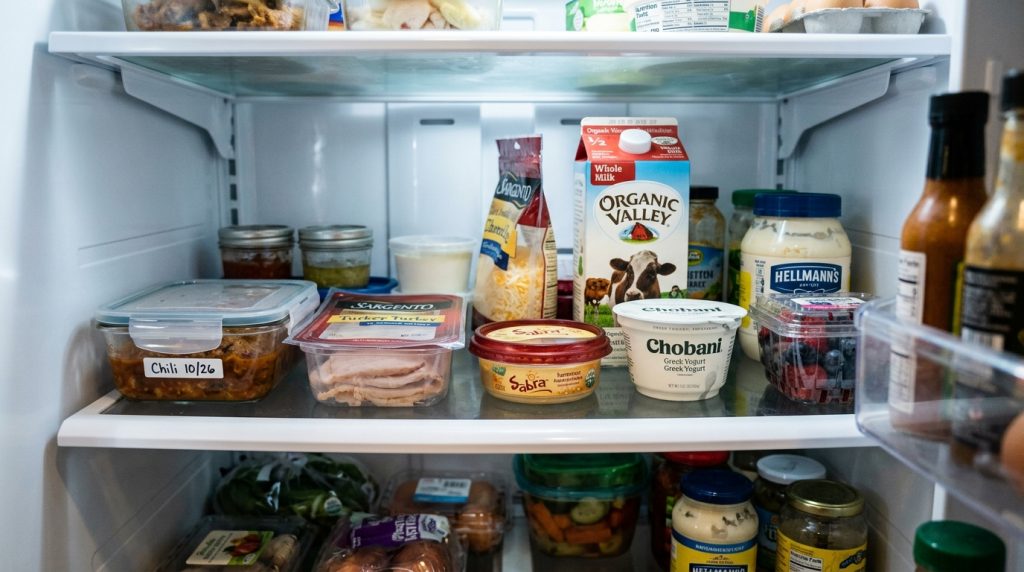
A five-minute shelf reset can change the whole fridge.A quick reset of the shelves before heading to the grocery store can make the leftovers visible again. Pull forward cooked foods, group small containers, check date labels, move open dairy to the front and return half-used produce to its small bin. This doesn’t need to be a total fridge clean out. It might be a short routine before Sunday shopping, trash night or meal prep in a typical American home. The payoff is practical: fewer duplicate buys, easier lunches and a better chance that food already in the fridge gets used before the next round arrives.