A pantry might look full but still make dinner difficult when half-used boxes, duplicate snacks, older cans and almost-empty sauces slide behind newer items. In many U.S. homes, the real problem isn’t always needing more storage – it’s making the food already paid for easier to see, reach and remember. These pantry visibility habits include easy front-row moves, “use first” zones, petite trays, clear snack bins, and grouped staples to help everyday food get used sooner. Each idea is practical for apartments, suburban kitchens, busy family pantries and anyone trying to waste less grocery without turning the cabinet into a full weekend project.
Clear Front-Row Snack Bins
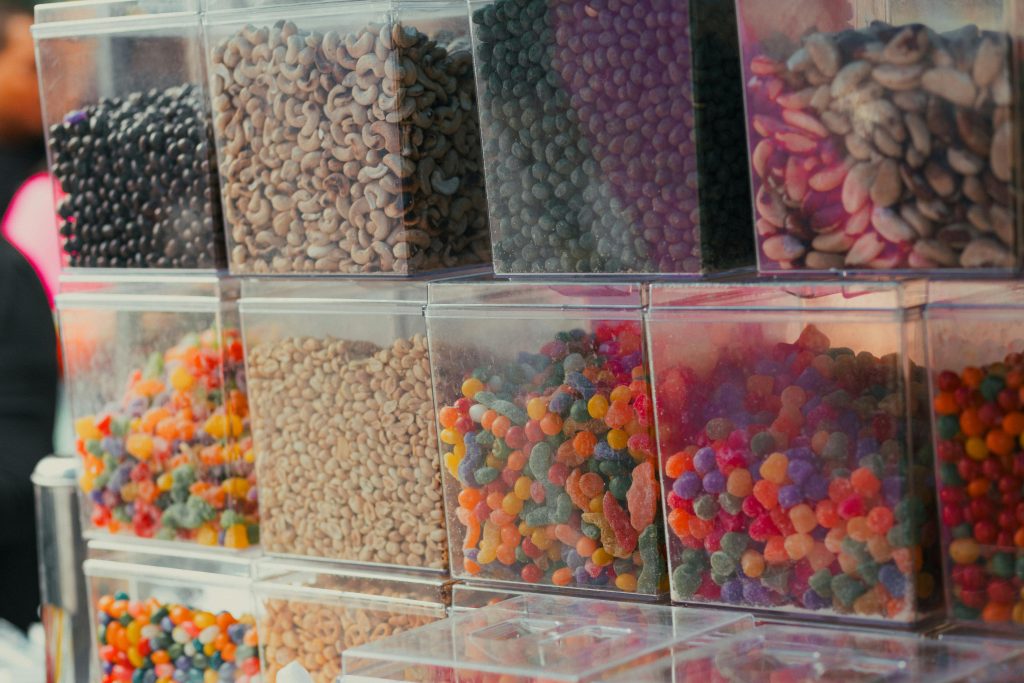
The snack shelf may not need more space—it may need a clearer front row.Maybe it just needs a clearer front row.Clear snack bins can make a busy pantry feel easier to shop from at home. Many U.S. kitchens are filled with bulky cardboard boxes of single-serve snacks, only to be replaced with new boxes on the next grocery run. A quick look inside a clear front bin shows the leftover bars, crackers and lunchbox snacks, which might help them get used before another duplicate box is opened. It also makes the shelf easier to understand for kids or rushed adults without digging through. The goal isn’t a picture perfect pantry. It is a simple visibility cue. Having the snacks upright and grouped and in front means the pantry can quietly remind the house what’s there.
A Small “Use First” Shelf
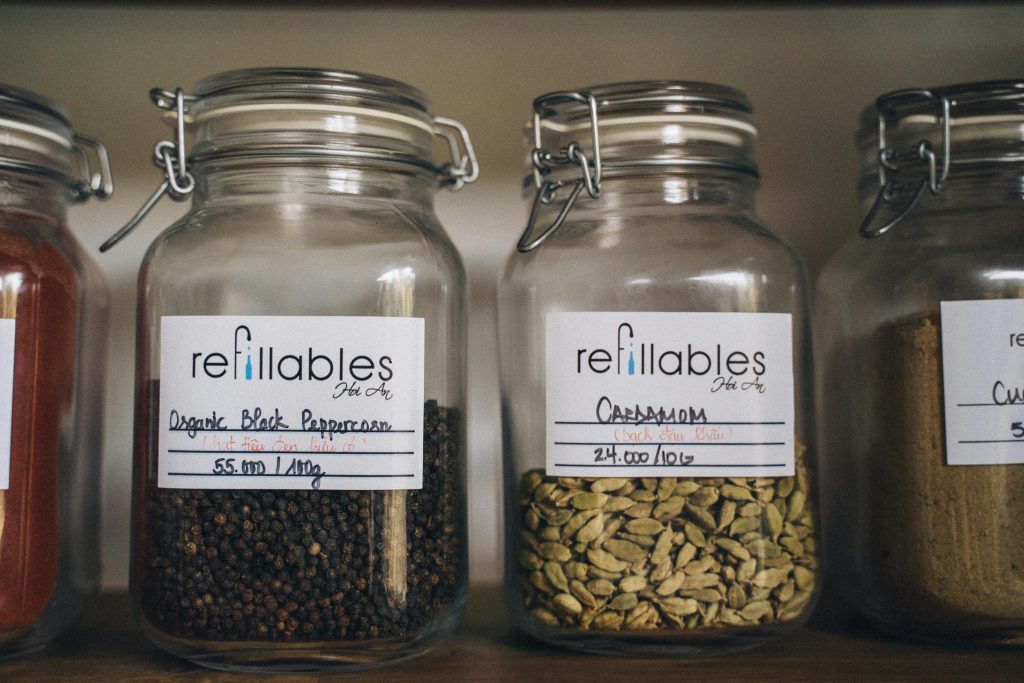
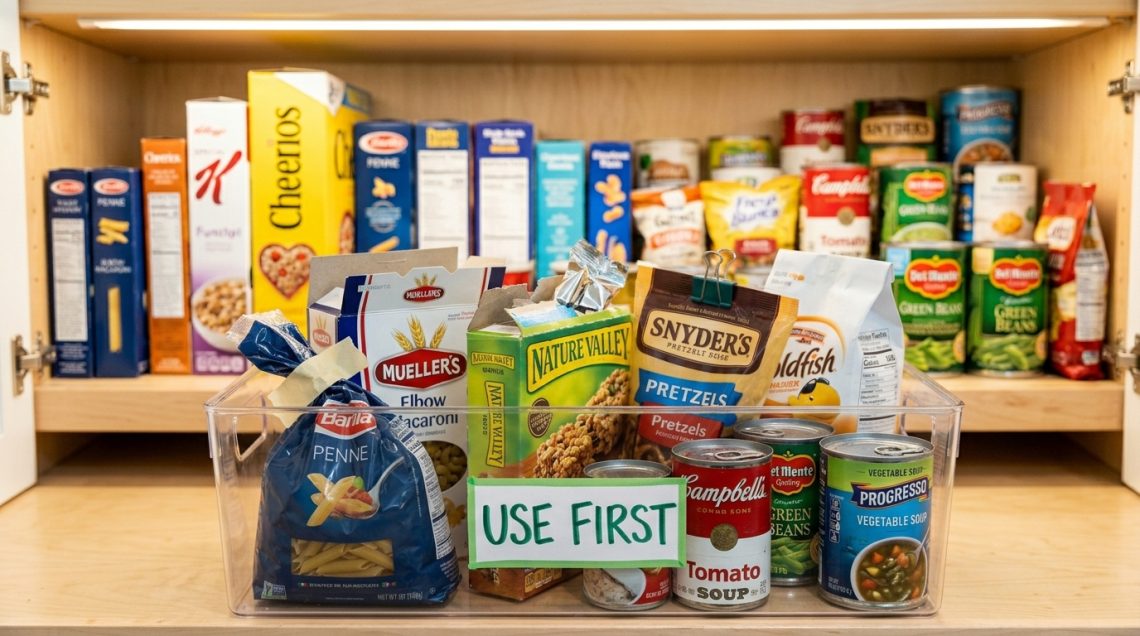
A tiny shelf label can change what gets eaten first.The advantage of a “use first” shelf is that it takes away the guesswork in a crowded pantry. Instead of cans and opened snacks and half-finished staples strewn across different shelves, one small zone becomes the household’s first stop before opening something new. In a typical American kitchen this can be anything from a sticky label, to a shallow bin, or one shelf at eye level near breakfast and dinner staples. It could help to avoid buying things twice because everybody knows what needs to be done. It also works well after Costco, Walmart, Target or grocery store runs, when newer items can easily push older items backwards. The shelf doesn’t need to be big; it only needs to be obvious.
Open Cereal Boxes Moved Forward
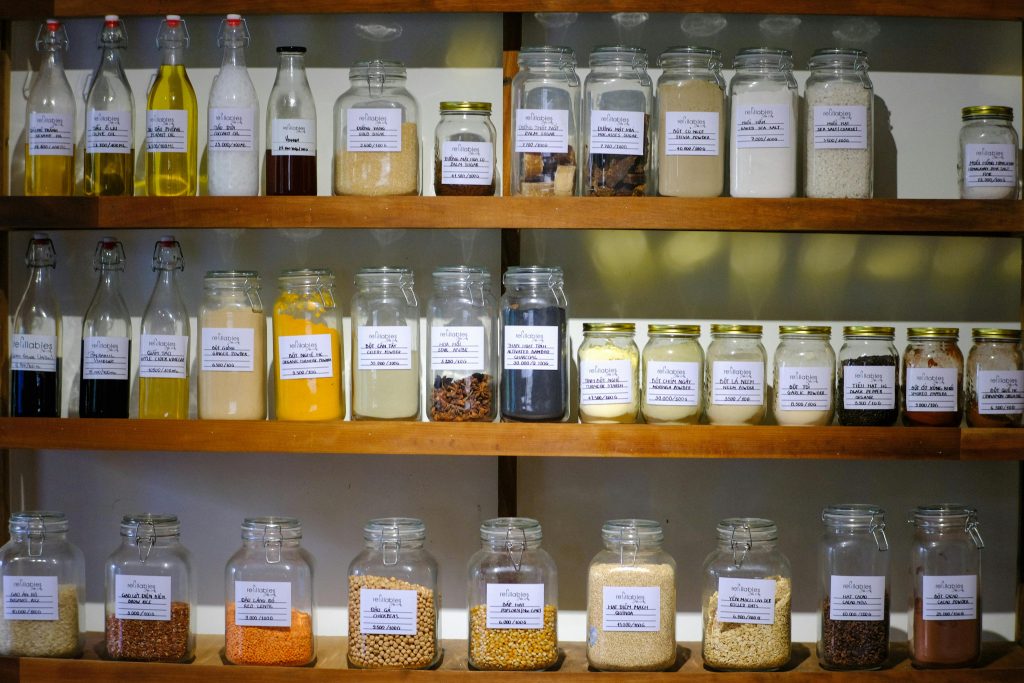
The open cereal box may be the easiest pantry item to lose track of. Cereal boxes that are open are easy to forget because they look just like an unopened box from the front. Putting them on the front of the shelf can speed up breakfast decisions and may help the household finish one box before opening a new one. It’s great for homes with kids, roommates, or different cereal preferences. A simple clip, folded liner, or clear cereal container can help the “already open” item stand out. It also leaves unopened boxes behind the active ones, so the pantry is more of a grocery shelf: older or opened items first, newer items behind. It’s a small change, but it can make the breakfast zone feel less cluttered by the end of the week.
Half-Used Pasta Grouped Together
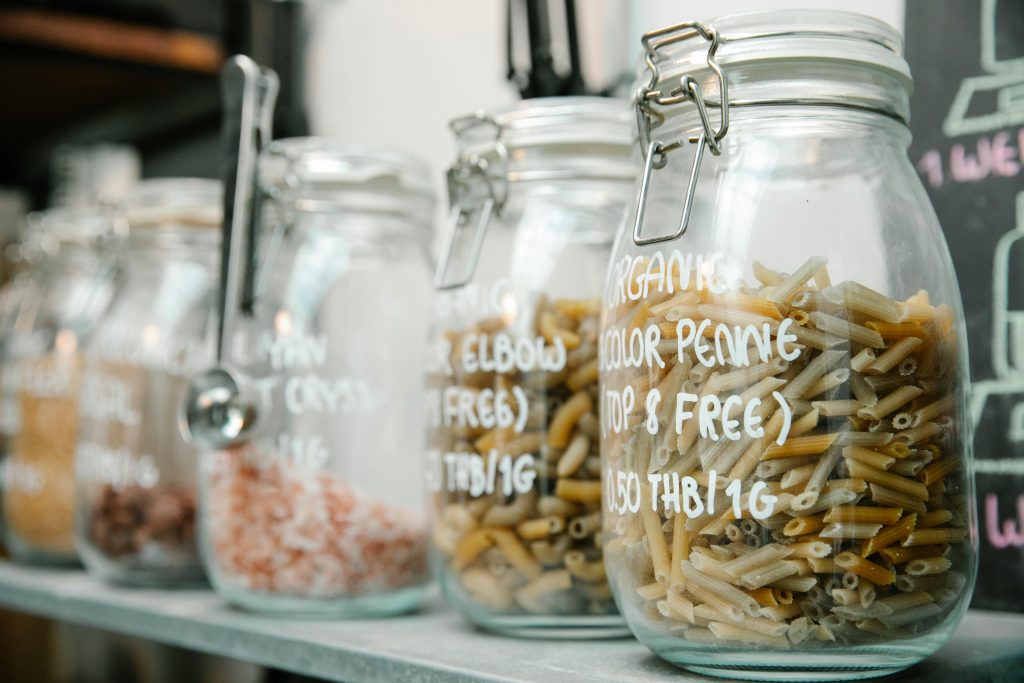
The pasta shelf can look full while dinner ingredients hide in plain sight.Half-used pasta is one of those pantry items that can multiply itself quietly. The elbows, the half-open bag of spaghetti, the nearly-empty penne box. These things may sit in different corners until someone pops for another package. Putting all the opened pasta in one shallow basket makes it easy to see what needs to be finished first before dinner. It also comes in handy when you’re planning fast meals with jarred sauce, canned tomatoes or pantry protein. This habit is more useful for many homes in the US than decanting everything into matching containers. The practical win is visibility: labels facing forward, opened items together and one obvious spot to check before adding pasta to the grocery list again.
Old Cans Placed at Eye Level
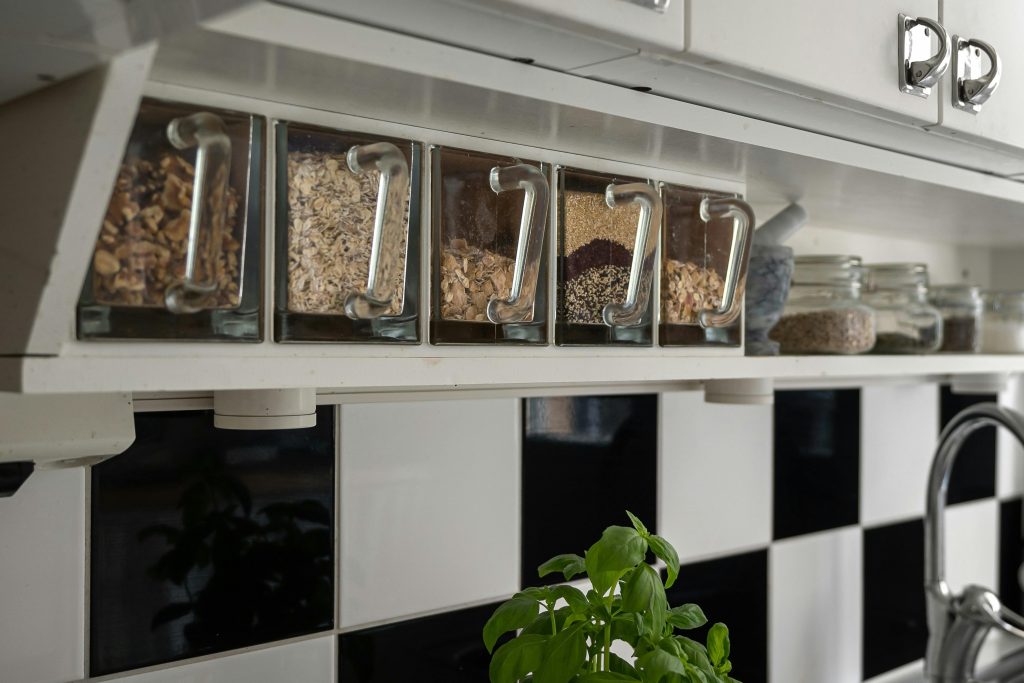
Older cans may get used sooner when they stop living on the bottom shelf.A simple trick to make building pantry meals easier is to place older cans at eye level. Canned beans, tomatoes, broth, soup, and vegetables generally last a long time, but can still get forgotten when newer groceries are in front. By rotating older cans forward and up, you give them a better chance of being used in chilli, pasta, casseroles or quick weeknight dinners. This works well with a simple FIFO practice: newer cans go in the back, older cans stay handy. It also avoids the “I thought we had that” moment when a can is hiding behind a row of new items in the pantry. Storage becomes a silent reminder at eye level.
Baking Items in One Zone
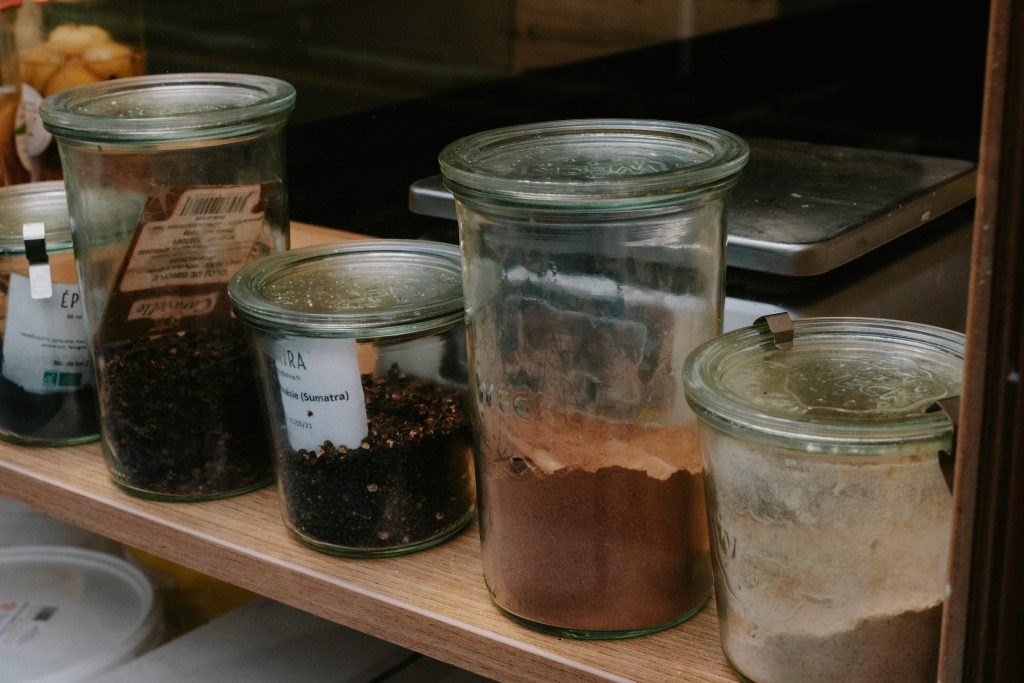
Baking clutter often starts with tiny ingredients scattered in three places.A baking zone helps, because a lot of baking items are small or seasonal or used in bursts. Flour can be in one spot, chocolate chips in another, cupcake liners in a drawer and baking powder behind the spices. Living together makes it easier to see what’s already open before you buy another bag of cookies, pancakes or holiday baking. In many American homes, this could be one bin, one shelf, or one cabinet corner—not a full pantry makeover. It also makes quick checks easier before a grocery trip. The tip that works: keep small items in plain sight, such as baking soda, yeast, sprinkles, extracts and mixes, unless the zone has a visible front row.
Snack Duplicates Combined
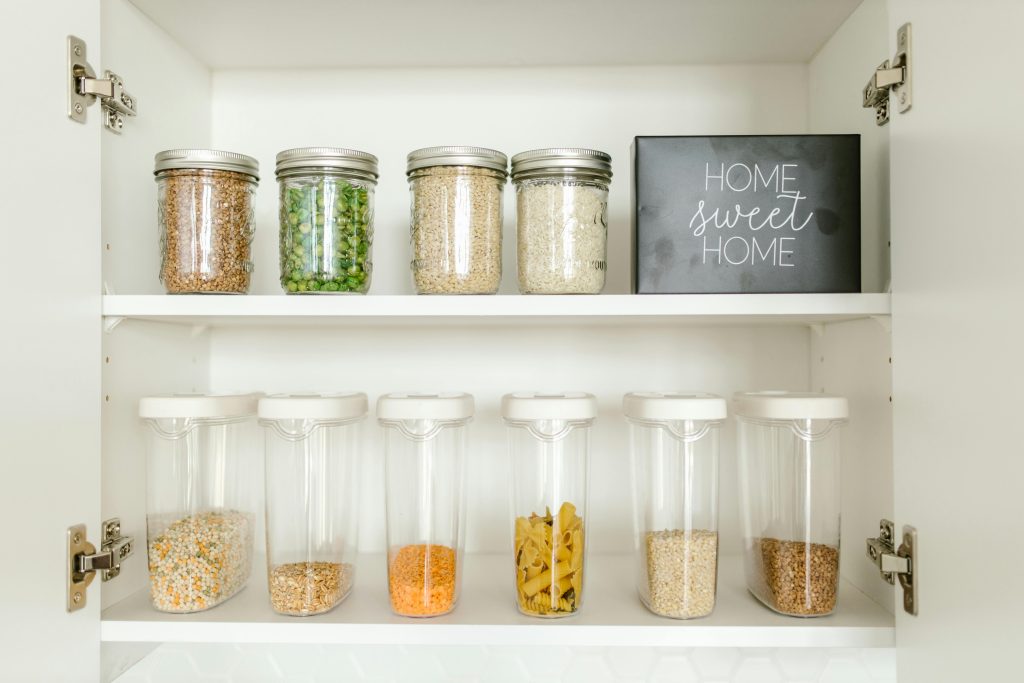
Duplicate snacks can make a pantry look full but still hard to use.So a quick way to make the pantry easier to read is to combine snack duplicates. Rather than three nearly empty cracker boxes or two half used granola bar cartons, the remaining packets can go into a clear bin. This helps the household see what is really left and may help avoid opening new boxes too early. Perfect for lunch packing, snacks after school, and car trips near the kitchen or garage entrance. The habit can also save shelf space without buying new furniture or turning the pantry into a showcase. The key is simple: eliminate bulky packaging only when it makes the food easier to identify, reach and finish.
Expiring Sauces on a Small Tray
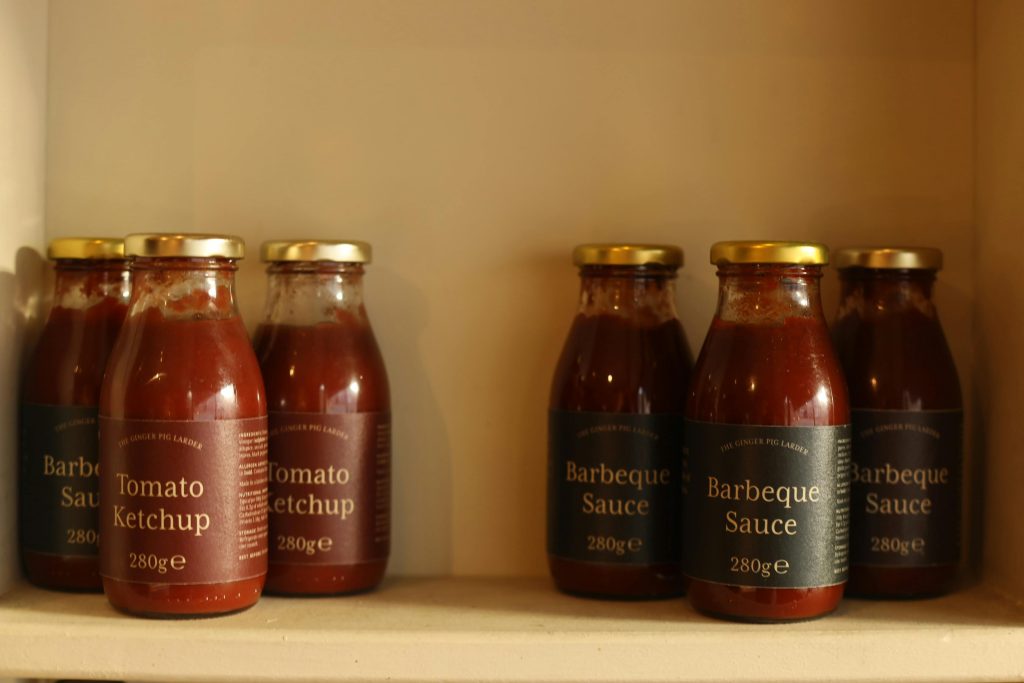
Sauce bottles may be the easiest pantry items to forget.Sauces, marinades and condiments can quietly crowd a pantry shelf, each bottle feeling too useful to toss and too specific to use every day. A small tray gives a home to them and helps to bring older bottles to the fore. It can be a help in a typical American kitchen when you’re looking for a quick dinner: slather the chicken with barbecue sauce, pour soy sauce over the stir-fry, spoon salsa onto the eggs or drizzle a nearly finished dressing onto the grain bowl. The tray also speeds up shelf checks before grocery shopping. This is not about the need to drink every bottle right away, it is about making the opened and older ones visible enough to inspire meals before another similar bottle comes home.
Breakfast Items Kept Together
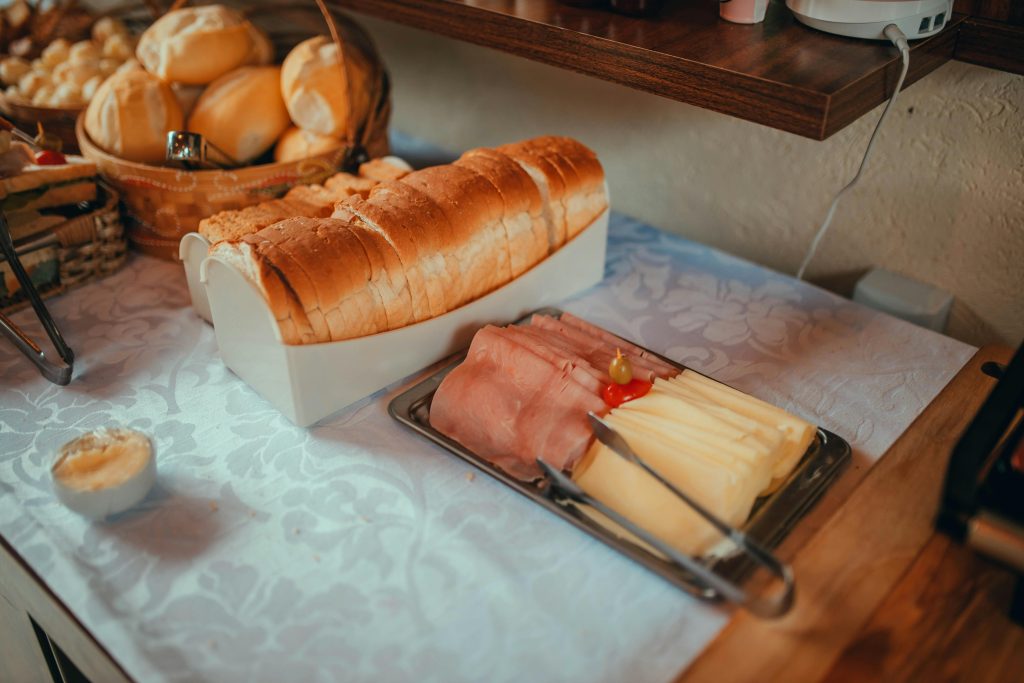
Breakfast gets easier when the pantry stops making people hunt.A breakfast area can increase the pantry’s functionality during the busiest part of the day. With shelves loaded with oatmeal, cereal, pancake mix, syrup, granola, coffee filters and breakfast bars, the open packages may be left to wait until newer boxes are opened. A fast morning checkpoint: pulling them into a group. It also helps renters and families with small kitchens since one shelf can be a simple breakfast station and not take over the counter. The visibility payoff is practical: opened cereal is near the bowls, oatmeal isn’t tucked behind dinner staples and pancake mix is easier to pair with syrup before buying another box. The next move is good for the far corners.
Back-Corner Items Pulled Into View
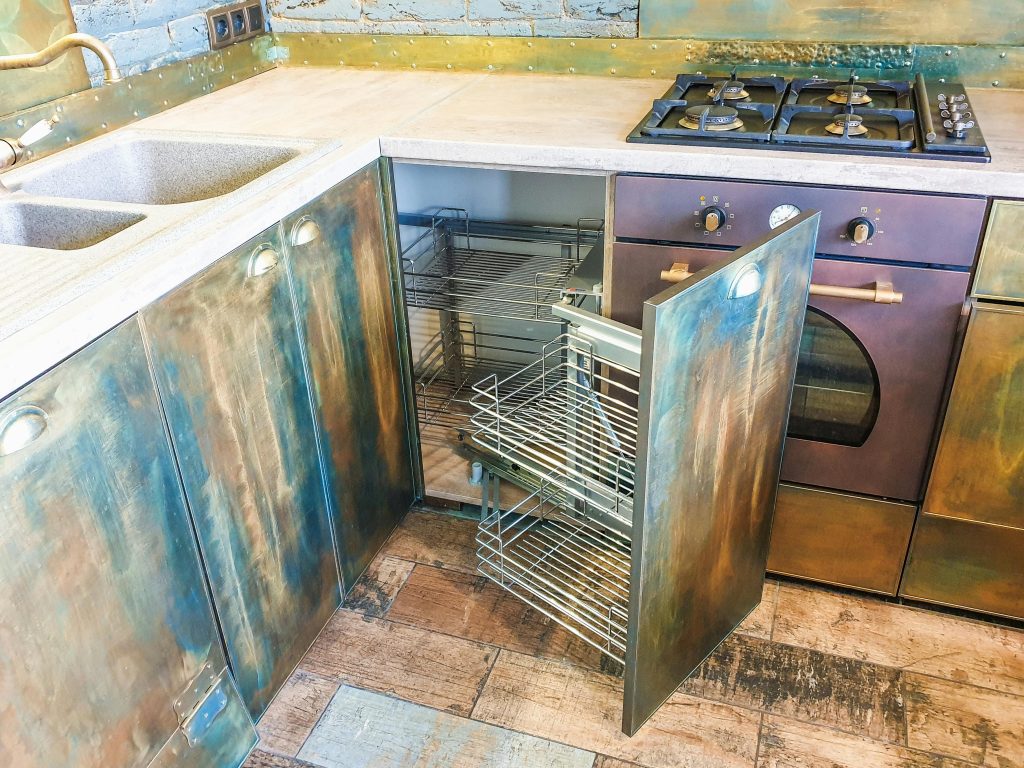
The back corner may be where pantry food goes to be forgotten.Deep pantry corners are useful, but they can also hide the very foods a household meant to use. A shallow bin, riser or small turntable that brings back-corner items into view makes jars, cans, packets and backup staples easier to reach. This is especially useful in older homes, rental apartments and narrow kitchen cabinets where shelves are deeper than they are convenient. The habit also prevents “emergency extras” from becoming part of the everyday diet. But you don’t have to clear out a back-corner entirely: just remove whatever’s hiding there, gather similar items, move older food forward, and use the corner space for things you can reach without unloading the entire shelf.