A fridge full of food may seem full of choices, but often the most likely food to go bad is buried behind newer provisions in many an American kitchen. These “use it first” habits create a simple money-saving system in the fridge: older dairy moves forward, leftovers stay visible, herbs stop disappearing, soft fruit is used before the next grocery run and freezer timing becomes a quiet rescue plan. The trick is not to buy more containers or create the perfect fridge. It’s making the food that needs attention unavoidable before it becomes trash.
A Front-and-Center “Eat This First” Zone
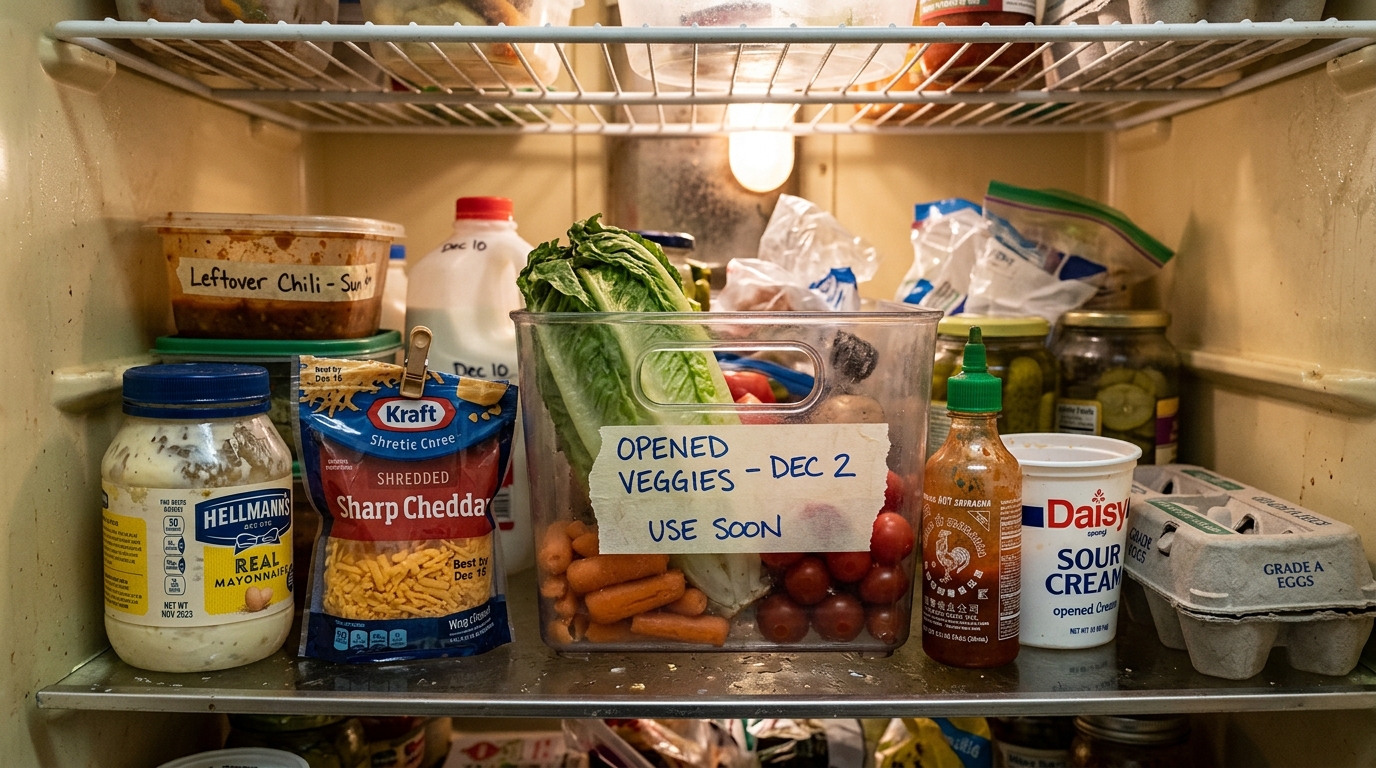
This little fridge zone can save good food from vanishing in the back.Food waste starts in many US homes when older stuff gets pushed back behind more recent groceries. That is fixed with a “eat this first” zone right in front with one shelf or clear bin as a visual reminder. Yoghurt cups, open dips, berries, deli meat, half-used produce all get sent there before they turn into mystery items. The USDA guidance also recommends eating older food first and keeping the fridge organised so people can see what needs eating. The best part? You don’t have to perfectly reset your fridge — just one obvious spot that tells the whole household what to grab first.
Leftovers on One Visible Shelf
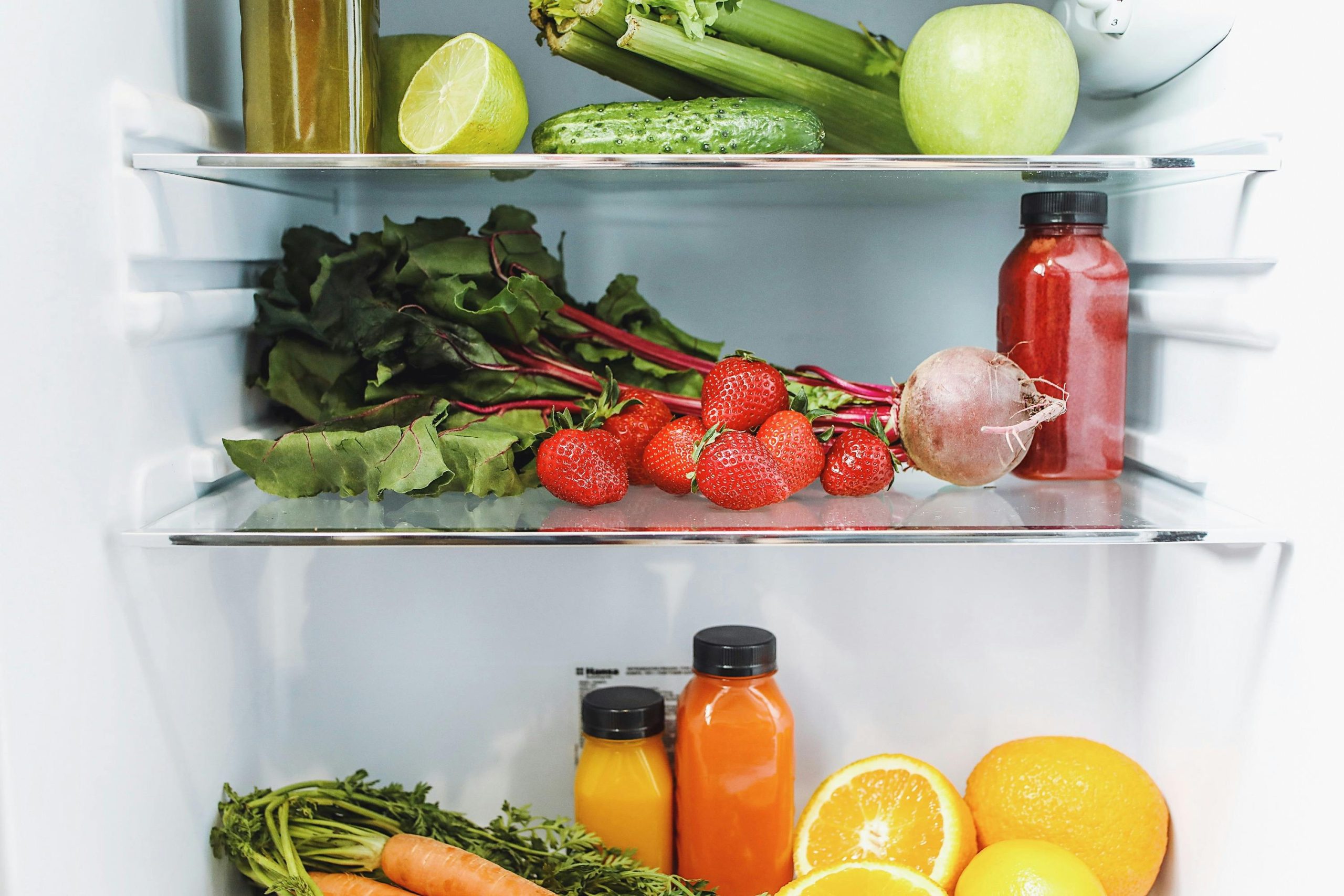
Leftover shelves are the answer to “I forgot this was here” for dinner.Leftovers often fail because they look like clutter, not a meal. In a regular American fridge, one shelf in plain sight can turn cooked pasta, rice bowls, soup, chicken or takeaway containers from last hope to first choice. According to FoodSafety.gov, most leftovers should be eaten or frozen within four days or so, so keeping an eye on them is important. The old clear container beats the foil-covered mystery dish because the food still looks usable. The best ‘use it first’ habit is simple: if you cooked it first, use it first.
Old Yogurt and Dairy Before Newer Buys
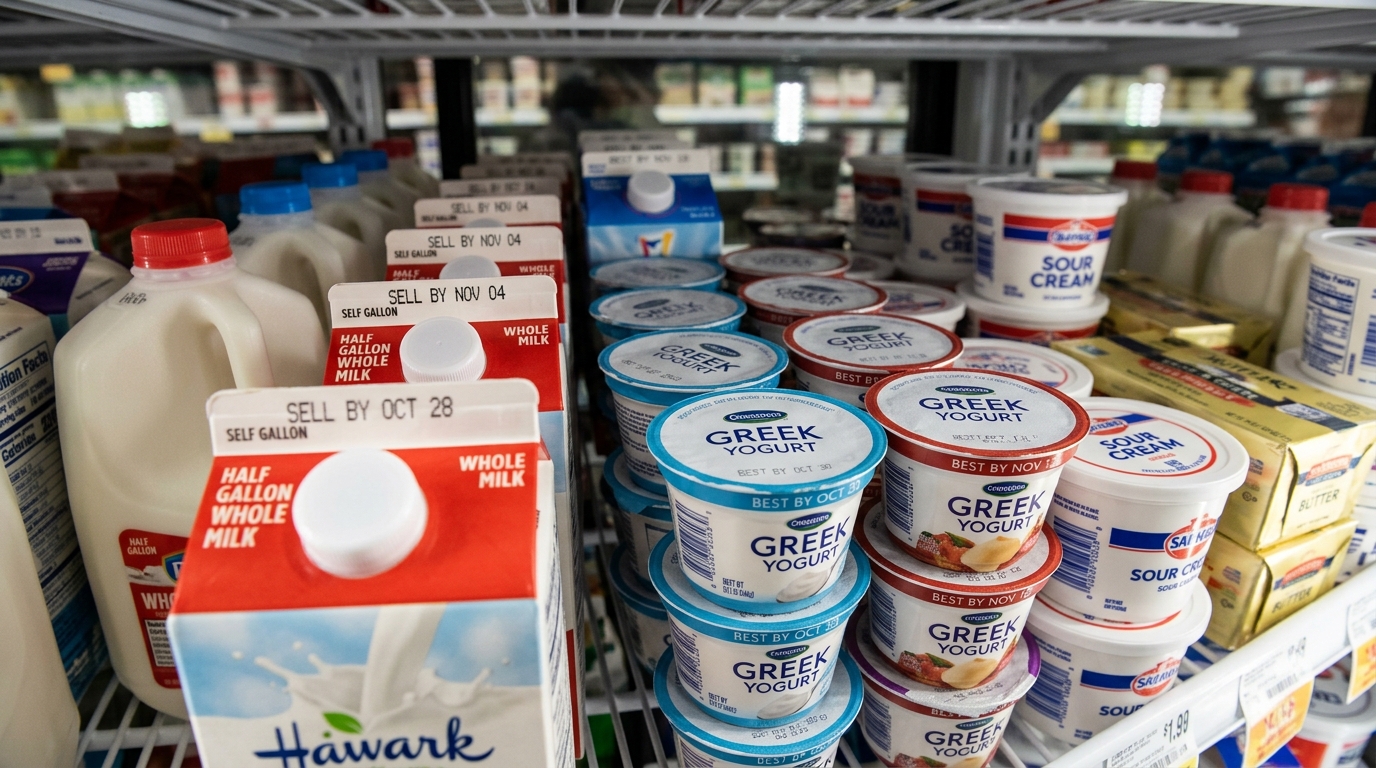
The newest yoghurt can sneakily waste money on the oldest yoghurt.Dairy waste is often right after a grocery run. In your hand is the fresh yoghurt, cheese, creamer or milk, and that goes in front, while the older one is pushed back. That changes with a simple first-in, first-out habit. Stack older dairy in front, new buys behind, check open containers before opening a new one. USDA notes that “Best if Used By” is generally about quality, not automatically safety, so this is not about panic tossing. It’s about the next sensible choice being obvious before the fridge turns into a duplicate-buy trap.
Herbs Moved Where They Are Easier to Notice
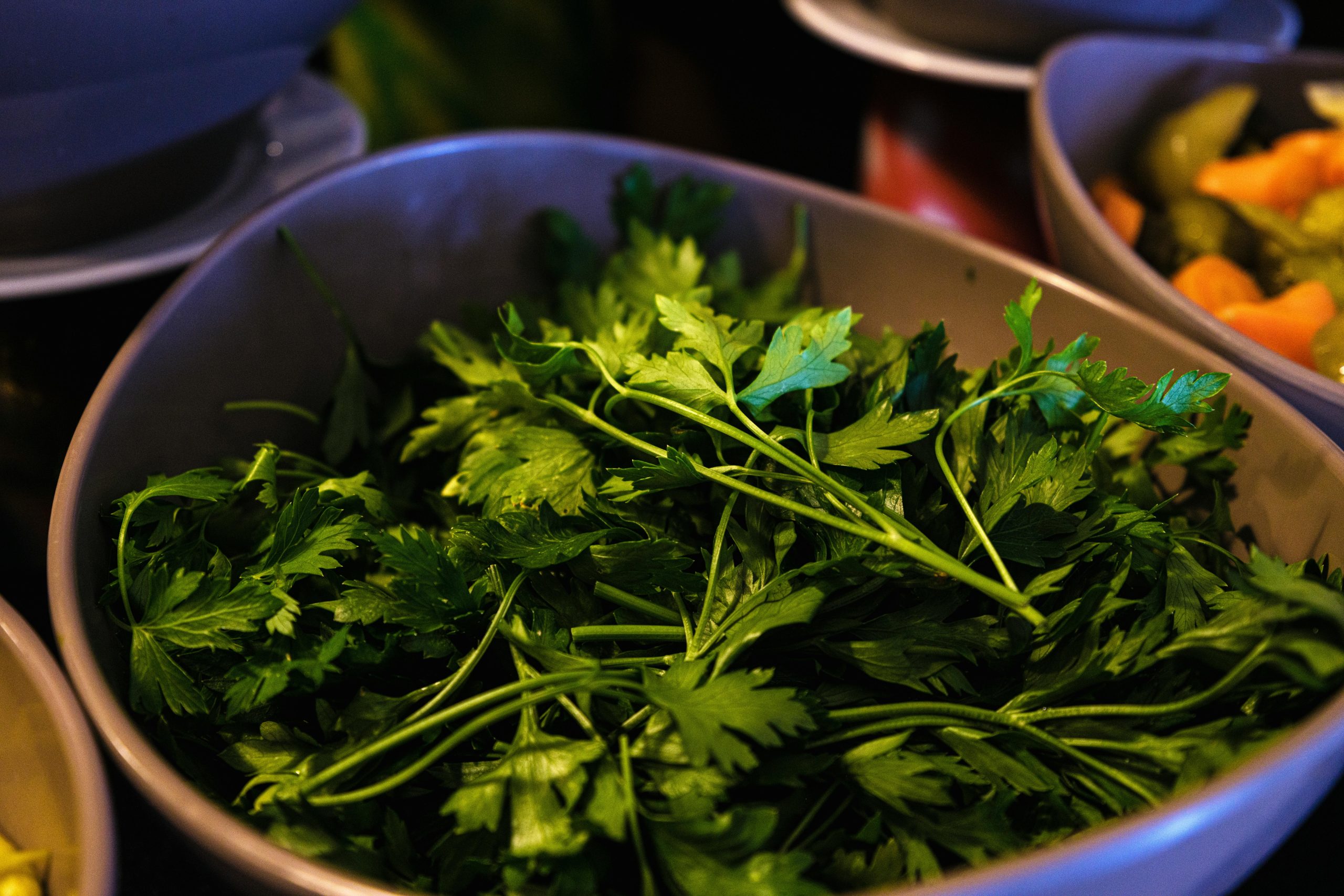
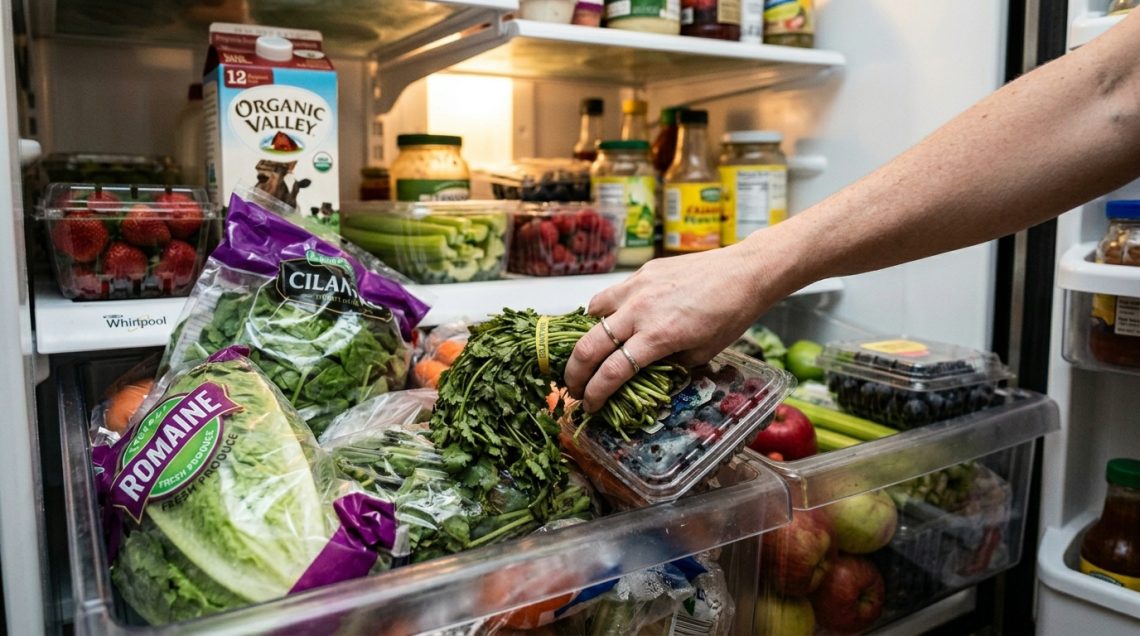
The smallest thing in the fridge can be the fastest money waste.Herbs are some of the most easily forgotten grocery items. They’re small and soft, and too often they’re shoved into a drawer or bag after one recipe. For many American kitchens, putting cilantro, parsley, basil, or green onions on a front shelf makes them feel usable again. Herbs can turn into taco toppings, scrambled egg add-ins, salad boosts or soup finishers before they wilt, in a jar, clear container or “use first” bin. EPA’s food-waste guidance encourages planning meals around what you expect to use, and herbs are perfect for that because a small handful can rescue multiple meals.
Half Onions and Lemons Not Forgotten
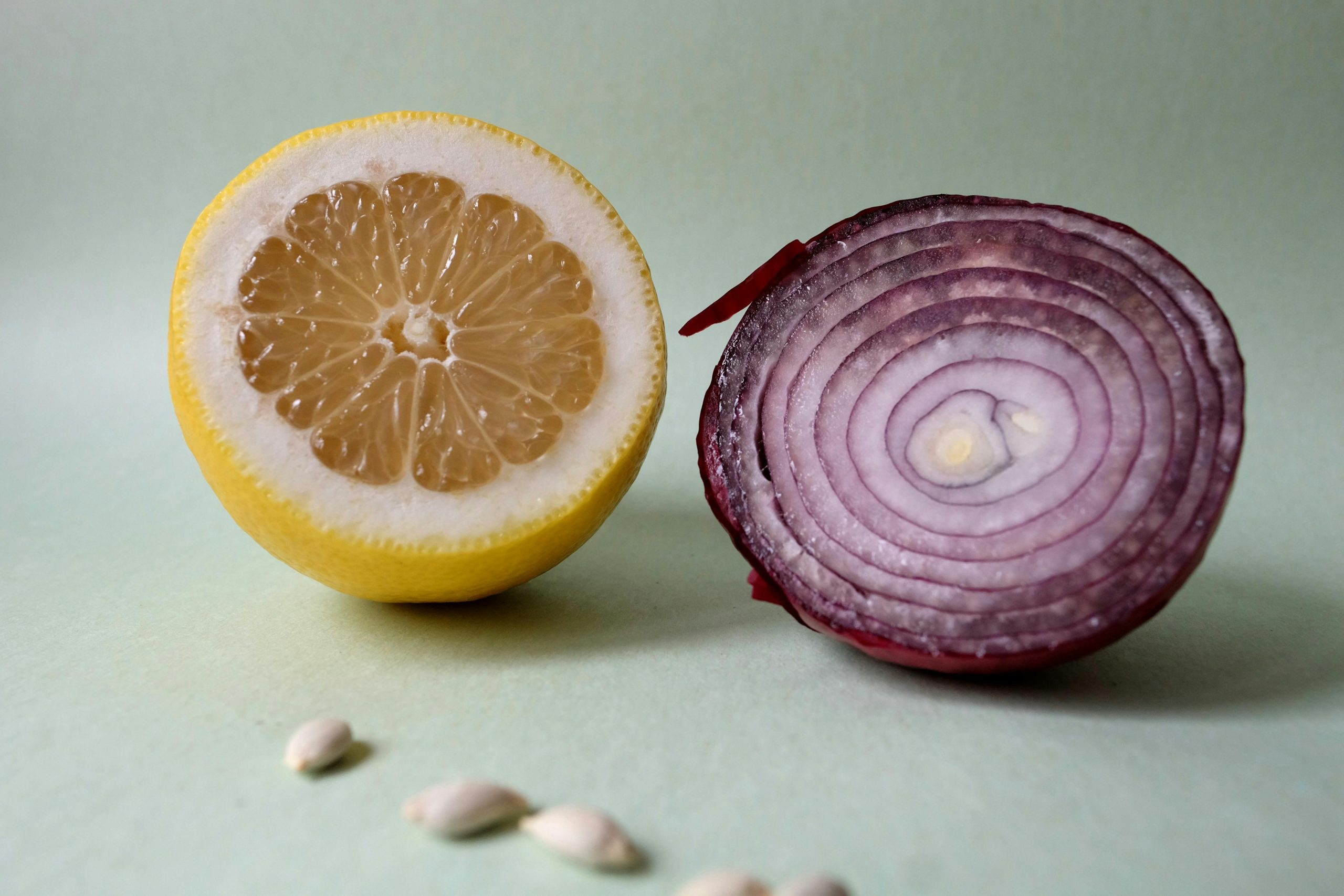
Half a lemon can be gone faster than a whole bag of groceries.Half an onion, lemon, lime, pepper, cucumber, or tomato chunk are classic “I’ll use this tomorrow” items. Then they are covered, moved, buried and finally thrown away. These pieces are purposeful, in a small clear “use first” container. The half onion turns into taco filling, the lemon goes in water or chicken and the pepper ends up in eggs or pasta. And this habit works because it narrows the decision in a typical American kitchen. Instead of checking each drawer, you check one container. The food with the broken edge is the food that gets used before any new food is opened.
Soft Fruit Used Before the Next Grocery Run
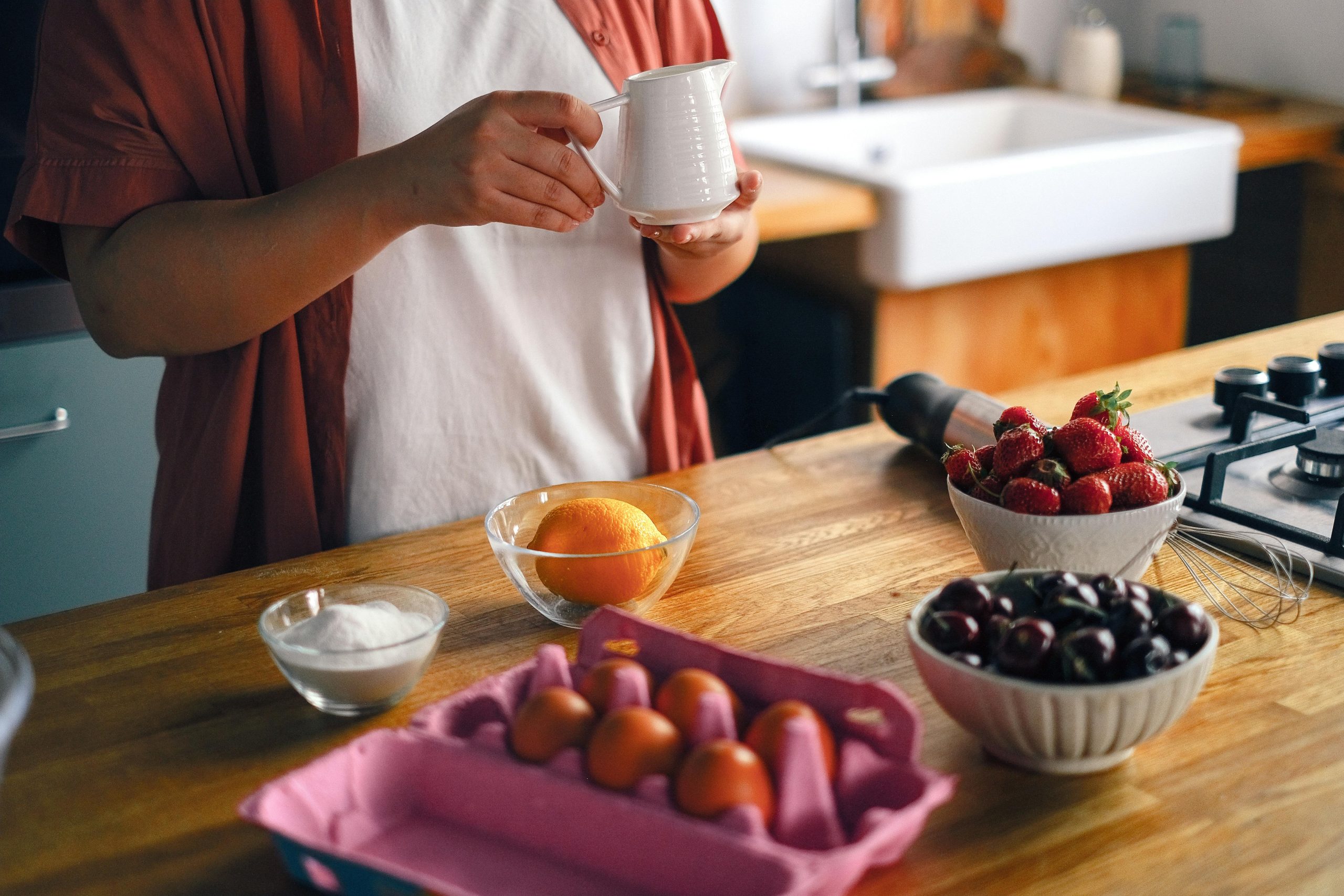
Soft fruit is not necessarily trash, it could be tomorrow’s breakfast.And after a grocery run, newer fruit can make older fruit look less appetising even if it is still okay to eat. A “use soon” fruit spot helps berries, peaches, grapes, melon and apples get noticed before the next shopping trip resets the fridge. In many US homes, soft fruit can still work in smoothies, oatmeal, pancakes, sauces or freezer bags if the fruit is still safe and not spoilt. The habit is visual: keep the fruit that needs attention in front, not buried under the new packaging. This turns “too soft” into a cooking cue and not an automatic throwaway moment.
A Weekly Quick-Fridge Scan Habit
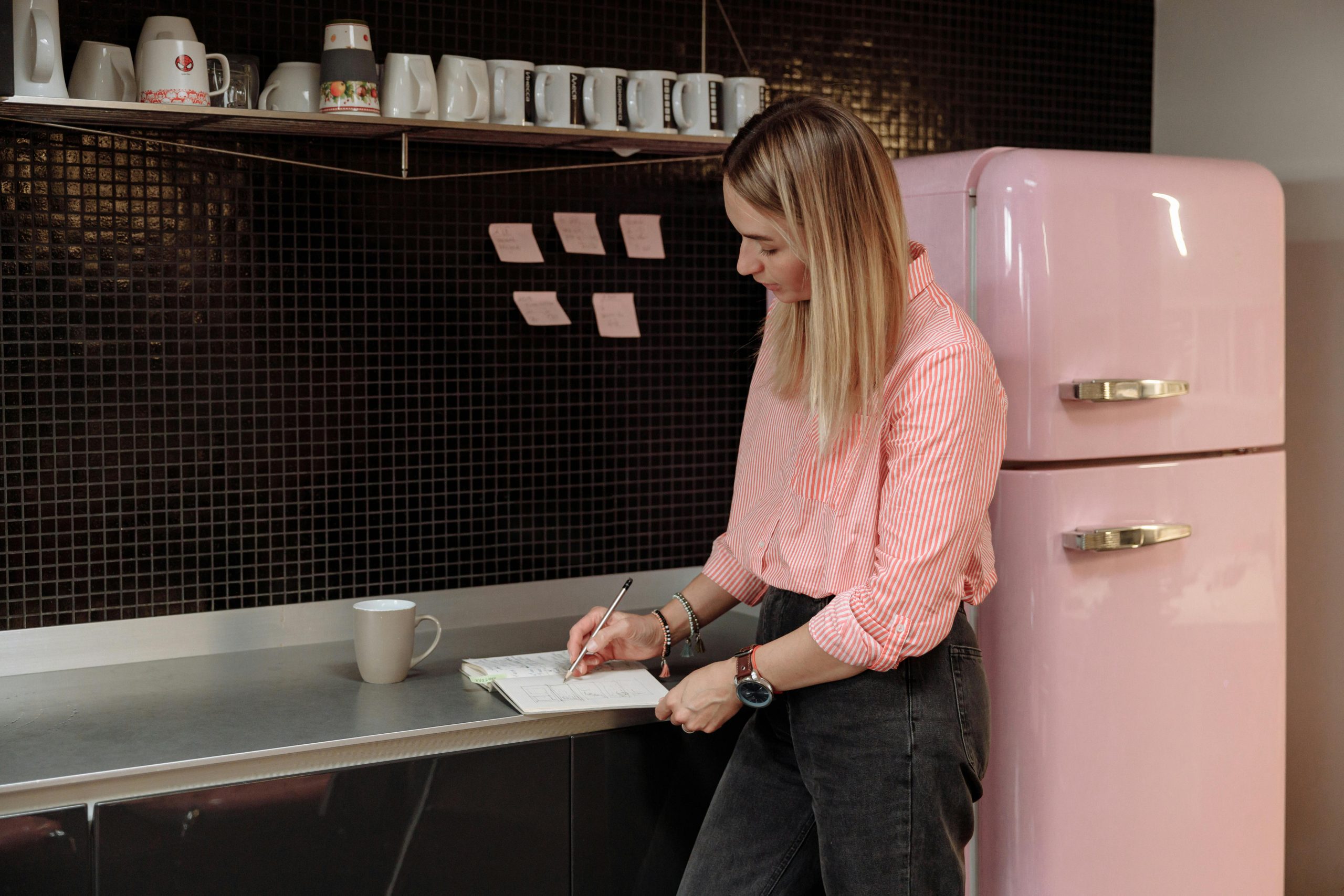
The cheapest grocery habit may be happening before you even leave the kitchen.A quick-fridge scan once a week works because it catches food before it’s invisible. Before you head to the grocery store, check for three things: leftovers that need a plan, produce that needs to be used, and duplicates you don’t need to buy again. EPA says planning your meals and shopping lists based on what you think you will use can save money and time. In a typical American household, this can be as simple as opening the fridge on a Sunday night and moving the older items to the front so you can build one or two meals around them. The aim is not perfection. The aim is to prevent buying the same forgotten food item twice.
Freezing Food Before It Becomes Waste
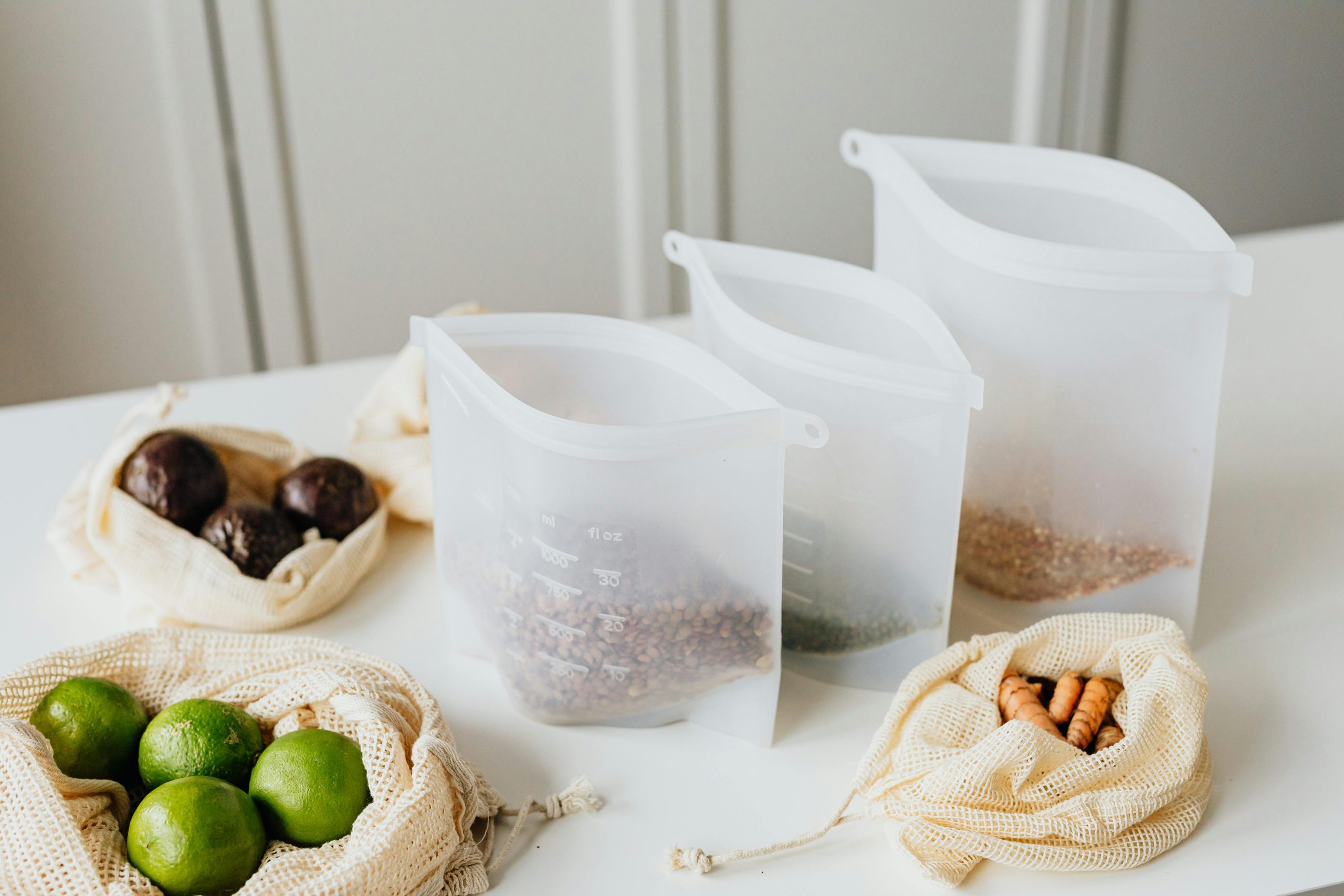
The freezer will keep dinner fresh until the fridge fails.The best time to freeze is early, not when the food is questionable. FoodSafety.gov says frozen leftovers will remain safe indefinitely, but quality can deteriorate over time, so you can freeze leftovers within the time frame they say is the safe window for leftovers. In many American kitchens, this means freezing soup, cooked chicken, bread, berries, chopped vegetables or extra rice for “maybe tomorrow” items. If you put the date on the bag, it makes it more trustworthy later on. Food does not need to go into the freezer to disappear. Your freezer should be your contingency plan for food you know you cannot use in time.
Meal Planning Around the Most Perishable Items
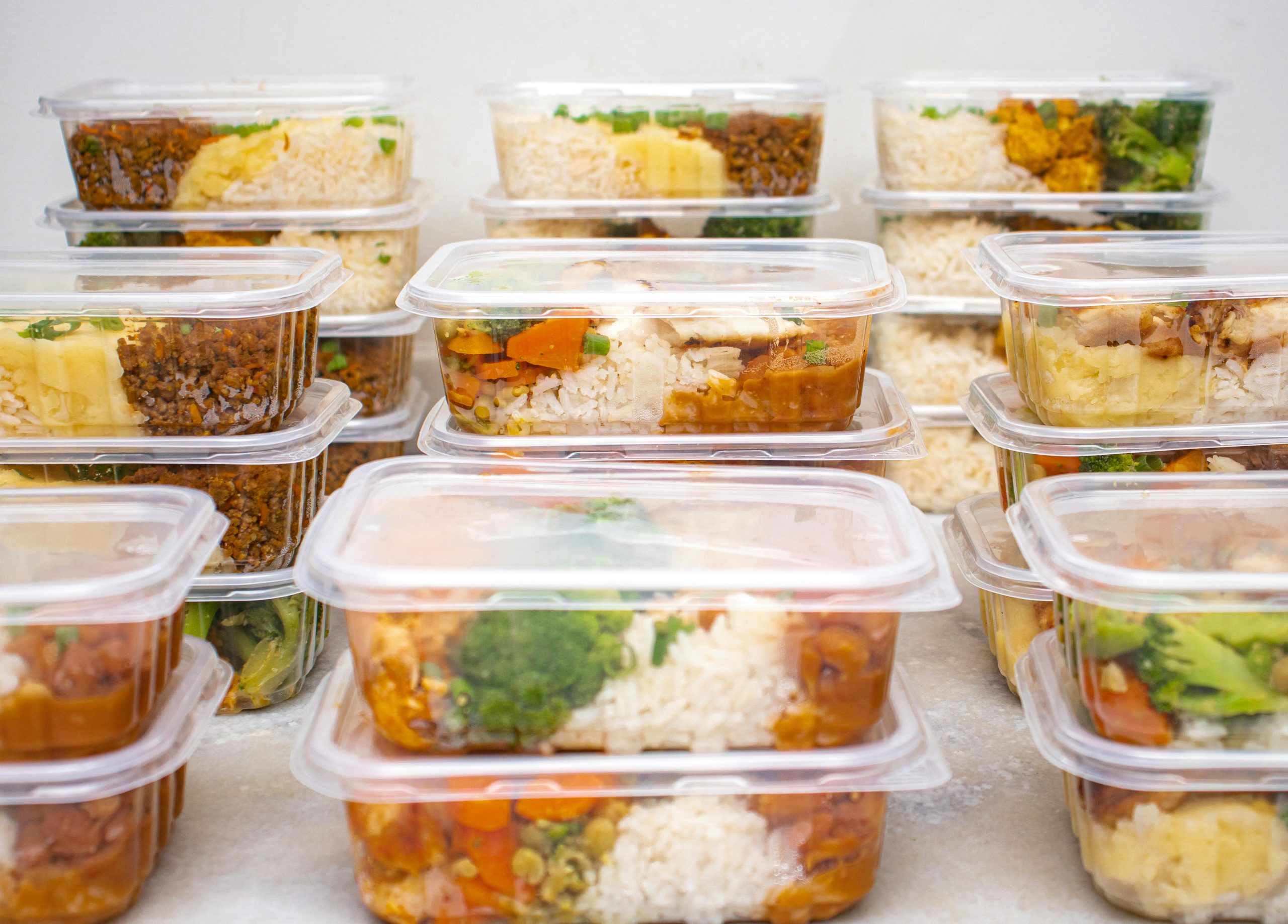
Meal planning can be a waste of money when it ignores what’s already dying in the fridge.Instead of “What do I want this week?” a more powerful question for saving food is “What needs using first?The next meal should be dictated by spinach, berries, herbs, cooked meat, open dairy, cut vegetables before shelf-stable pantry items do. University extension recommendations suggest first-in, first-out food management to reduce waste. For many American homes this practice makes a random refrigerator a useful menu: spinach is eggs, berries are breakfast, herbs are tacos and leftover chicken is soup. The reward is quiet but real: fewer emergency tosses before trash day.
Why “Out of Sight” Becomes “Thrown Out”
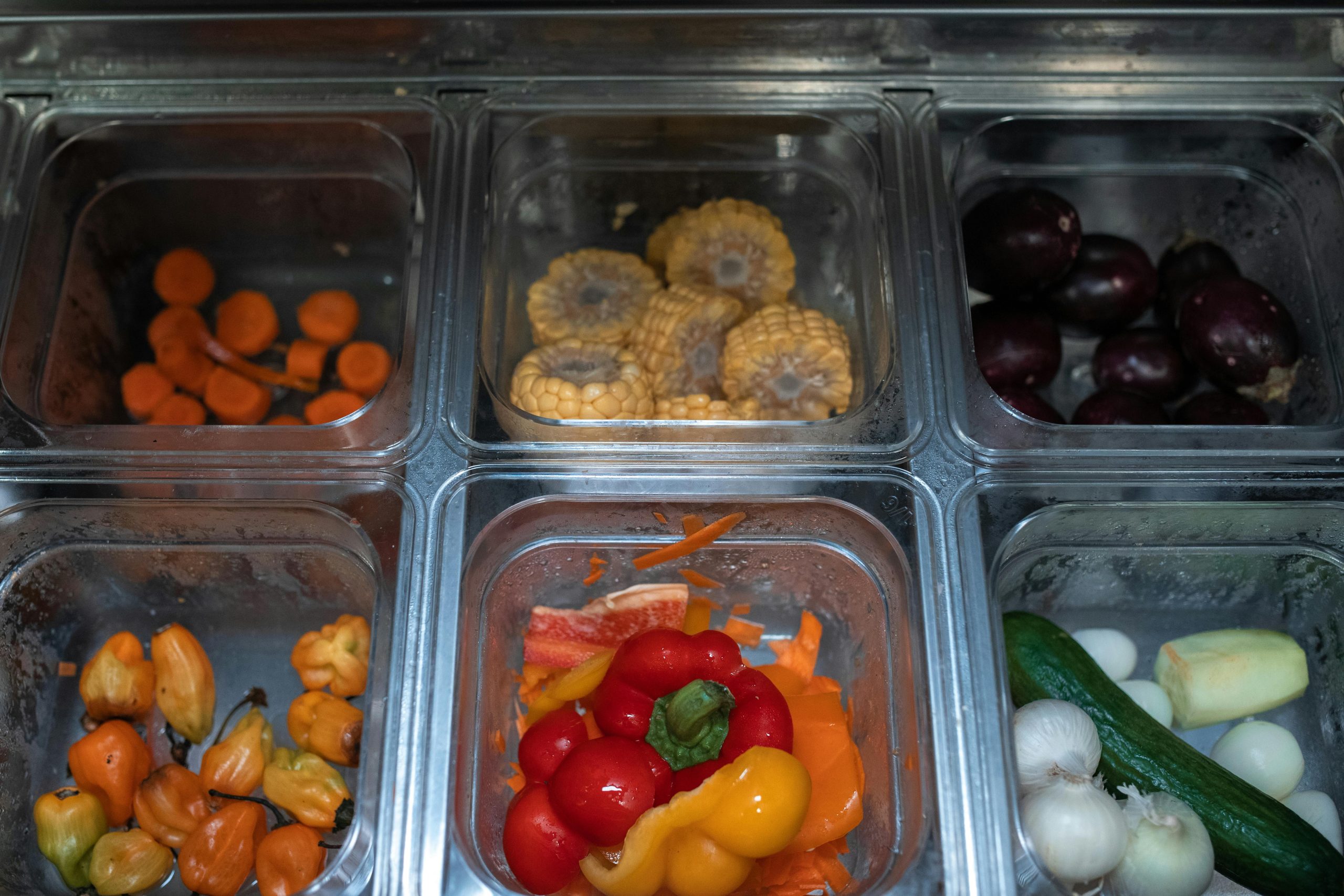
The back of the refrigerator is probably the most expensive hiding place in the kitchen.What we really struggle with is not laziness, but visibility. Food behind taller containers. Newer groceries. Crowded drawers. They stop feeling like an option. The USDA specifically recommends organising the refrigerator so people can see what needs to be eaten first. The “use it first” system is all about pulling older food forward, grouping fragile items, keeping leftovers in sight, and freezing what you can’t use soon. In many American homes, the fridge doesn’t need to be prettier. It needs to clear the next smart choice before good food becomes garbage.