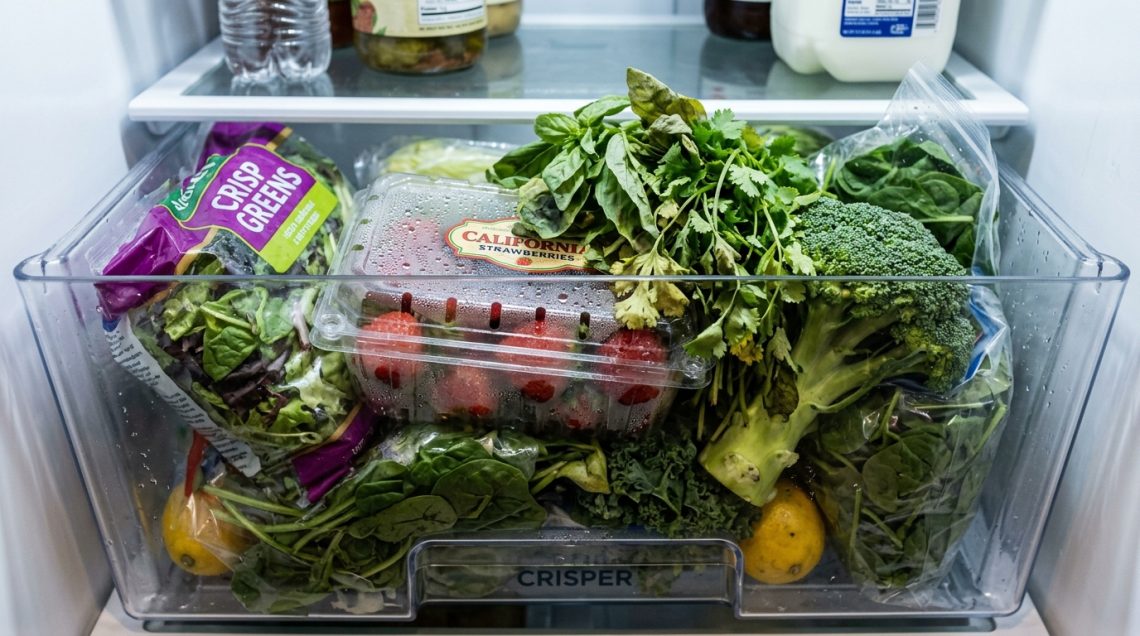
Groceries can look fresh and perfect on Sunday, but by mid-week they’re limp, fuzzy or forgotten. Berries, herbs, broccoli and leafy greens are the first to go bad in many American kitchens. They are delicate, moisture sensitive and easy to hide behind larger groceries. Here’s a look at the small grocery habits that can quietly waste money: washing too soon, cramming drawers too tight, skipping paper-towel moisture control, storing produce in the wrong drawer and forgetting to build a “use first” order. Each slide gives a visual hint shoppers can quickly spot before the next grocery run ends in another trash-can rescue.
Washing Berries Too Early
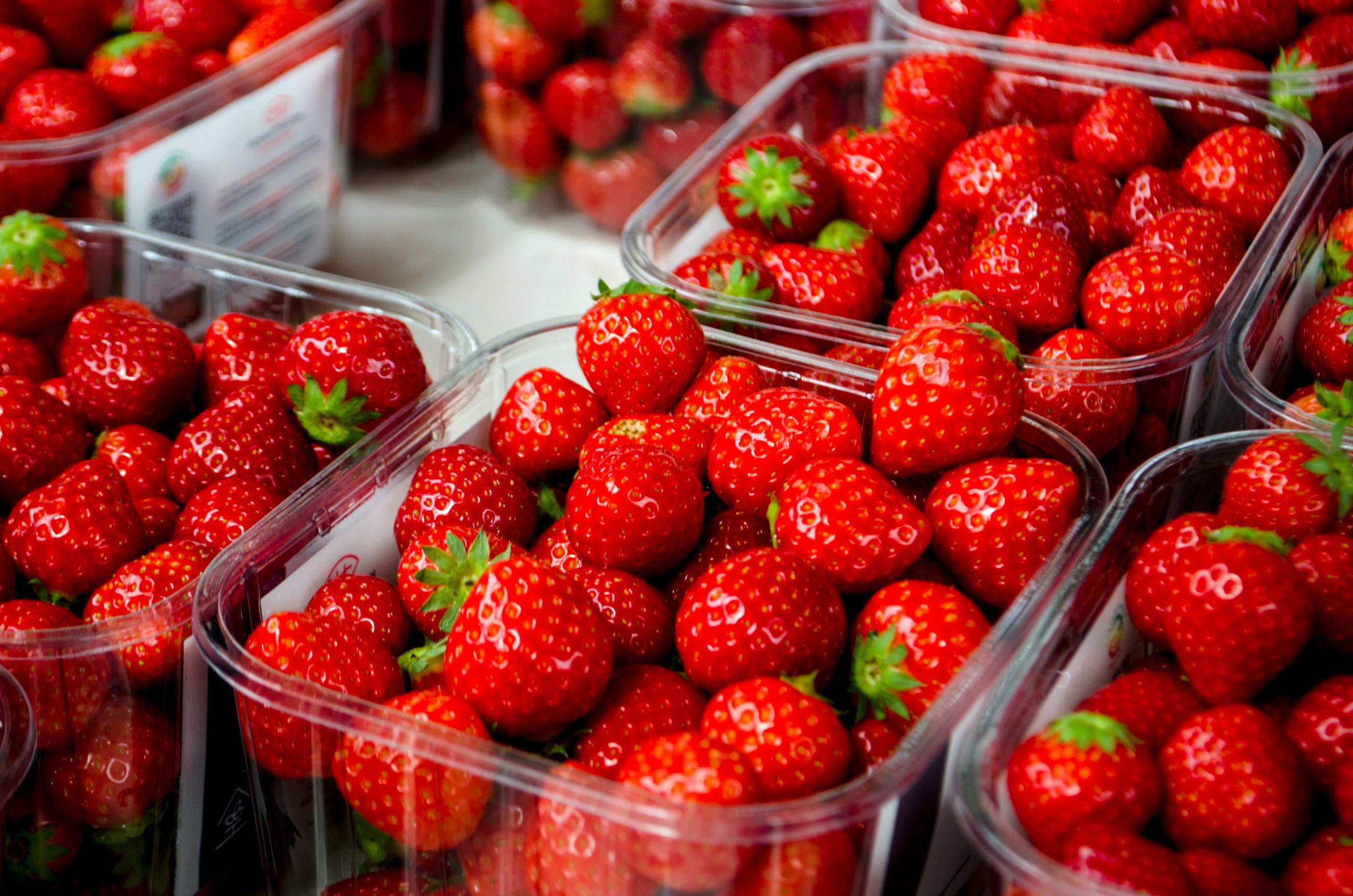
Washing berries too early can make a fresh box a fridge regret.Berries are one of the easiest grocery items to mess up with good intentions. In many American kitchens, strawberries, blueberries or raspberries are rinsed straight after unpacking, so they look ready to eat. But additional moisture can speed up soft spots and mould, especially if berries are returned to a closed container while still wet. Food-safety guidance often says to wash produce just before you eat it and Maine Extension specifically notes berries should be stored unwashed and washed gently before eating. Better practice: get rid of damaged berries, keep them dry, rinse only what you’re going to eat soon.
Packing Produce Drawers Too Tightly
A full crisper drawer may cause fresh groceries to give up early.It’s not just clutter when you pack berries, herbs, broccoli and greens into a single drawer. Fragile produce can be squashed, moist bags can rub up against leaves and older items can get lost underneath newer groceries. Recent produce-storage guidance also mentions that overcrowding can restrict air circulation, which can compound spoilage issues. The better move for a typical U.S. grocery haul is simple: Make room to breathe, keep fragile produce on top and check the drawer before buying more. Sometimes a half-full crisper saves more money than a sale-cart full.
Letting Herbs Sit Loose and Dry Out
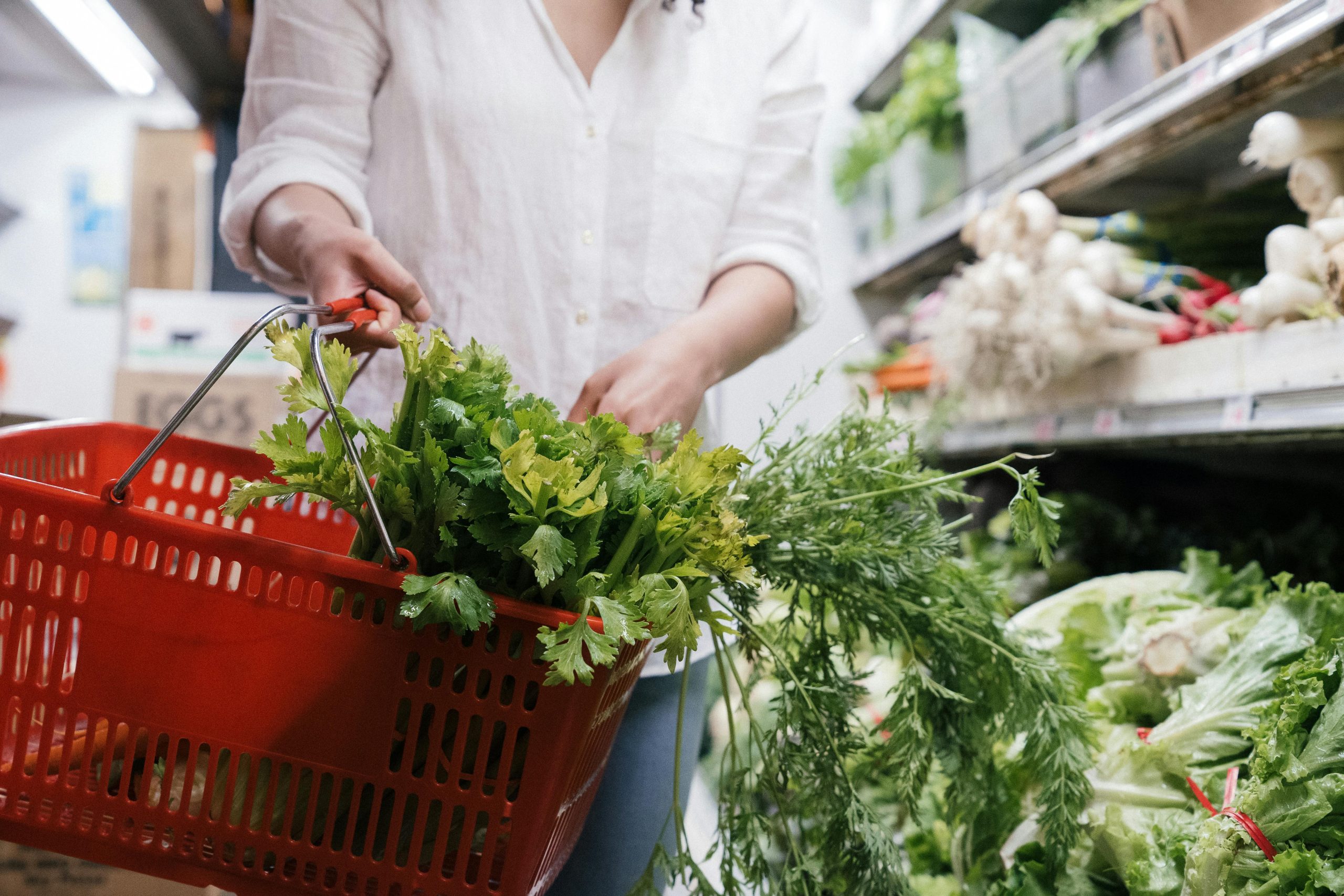
Loose herbs are the first grocery item you may kill in your fridge.Fresh herbs are small, costly, and easily forgotten. In the typical American kitchen, parsley, cilantro, dill, or mint might be thrown loose into the fridge after a grocery run. By midweek the leaves look tired, the stems dry and half the bunch goes to the trash. Extension guidance suggests storing herbs in plastic bags or in a glass of water with the stems down and a loose plastic cover. That doesn’t mean every herb needs the same treatment, but it does mean loose-and-dry storage is often the weakest option. Treat herbs as delicate produce, not pantry items.
Forgetting Paper-Towel Moisture Control
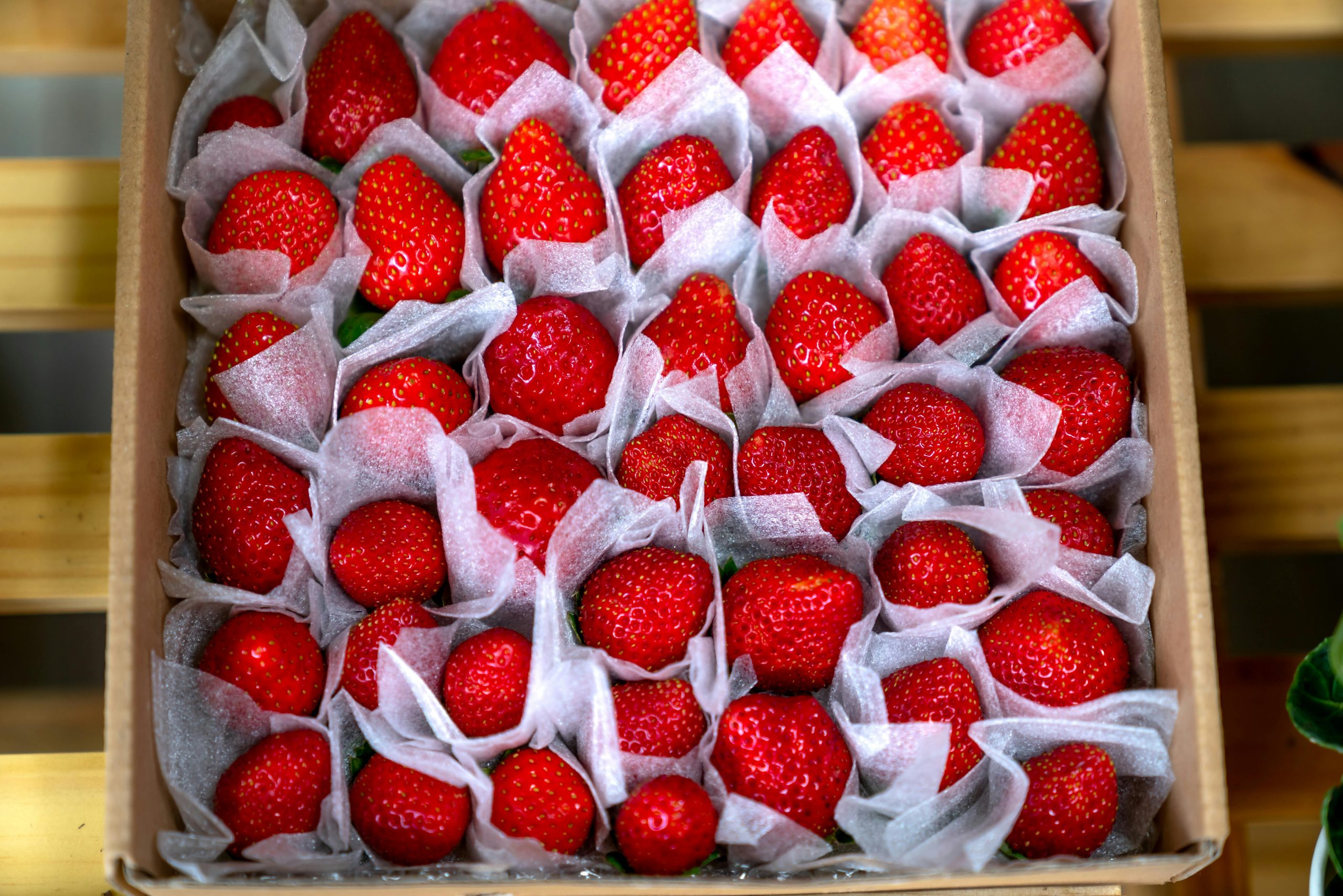
For delicate produce, skip one paper towel and allow it to sit in its own moisture.Paper towels come up over and over again in community discussions about produce storage solutions, because they solve a simple problem: extra moisture has to go somewhere. A container lined with towels can help absorb condensation around berries, spinach, herbs or broccoli, especially after the produce has been sorted and dried. Duke Today describes a paper towel trick for removing excess moisture from spinach and strawberries, and Redditors share similar tricks for berries and broccoli . The point is to not create a sealed wet box. Change wet towels, keep produce dry and clean, don’t trap water.
Putting Delicate Produce in the Wrong Drawer
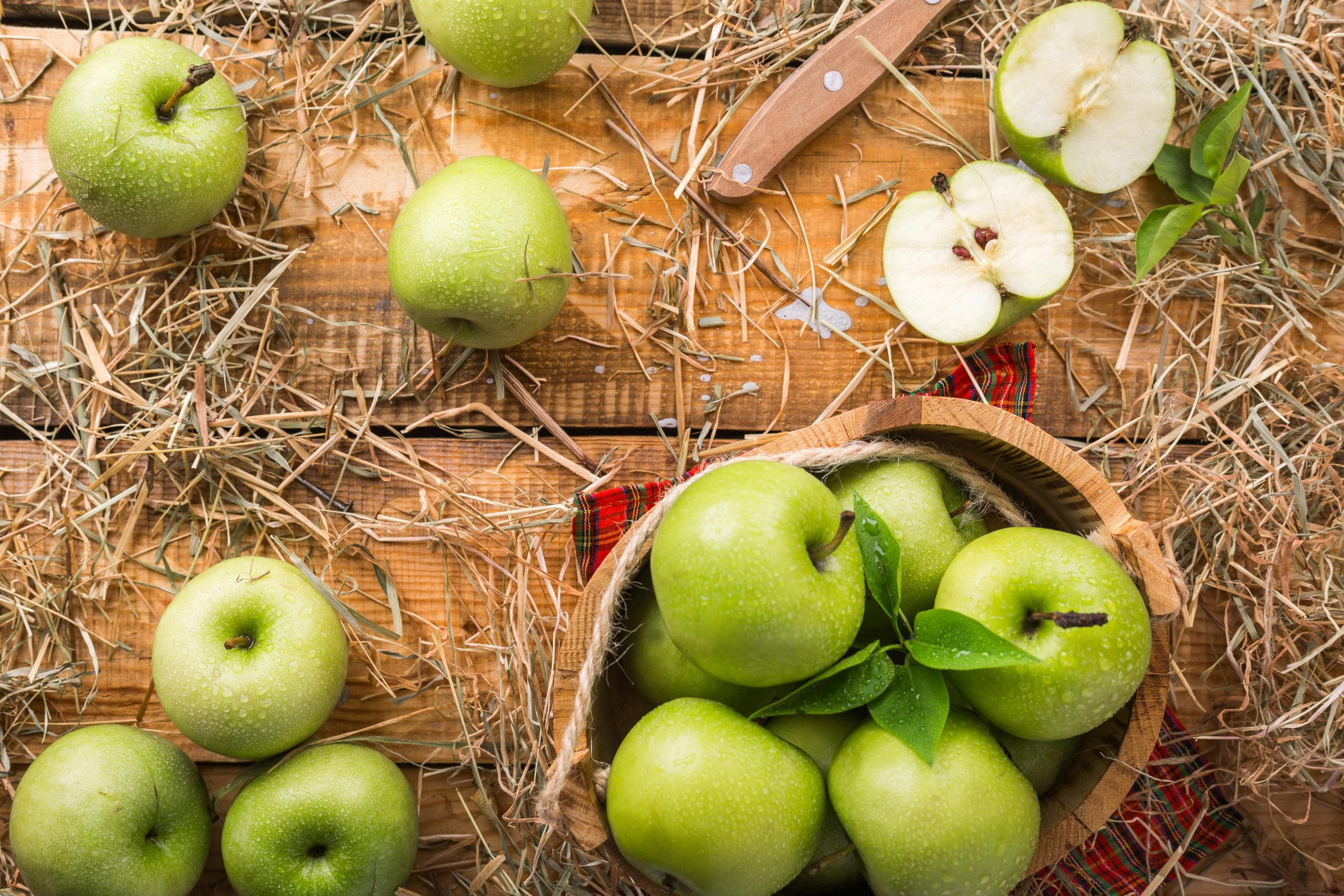
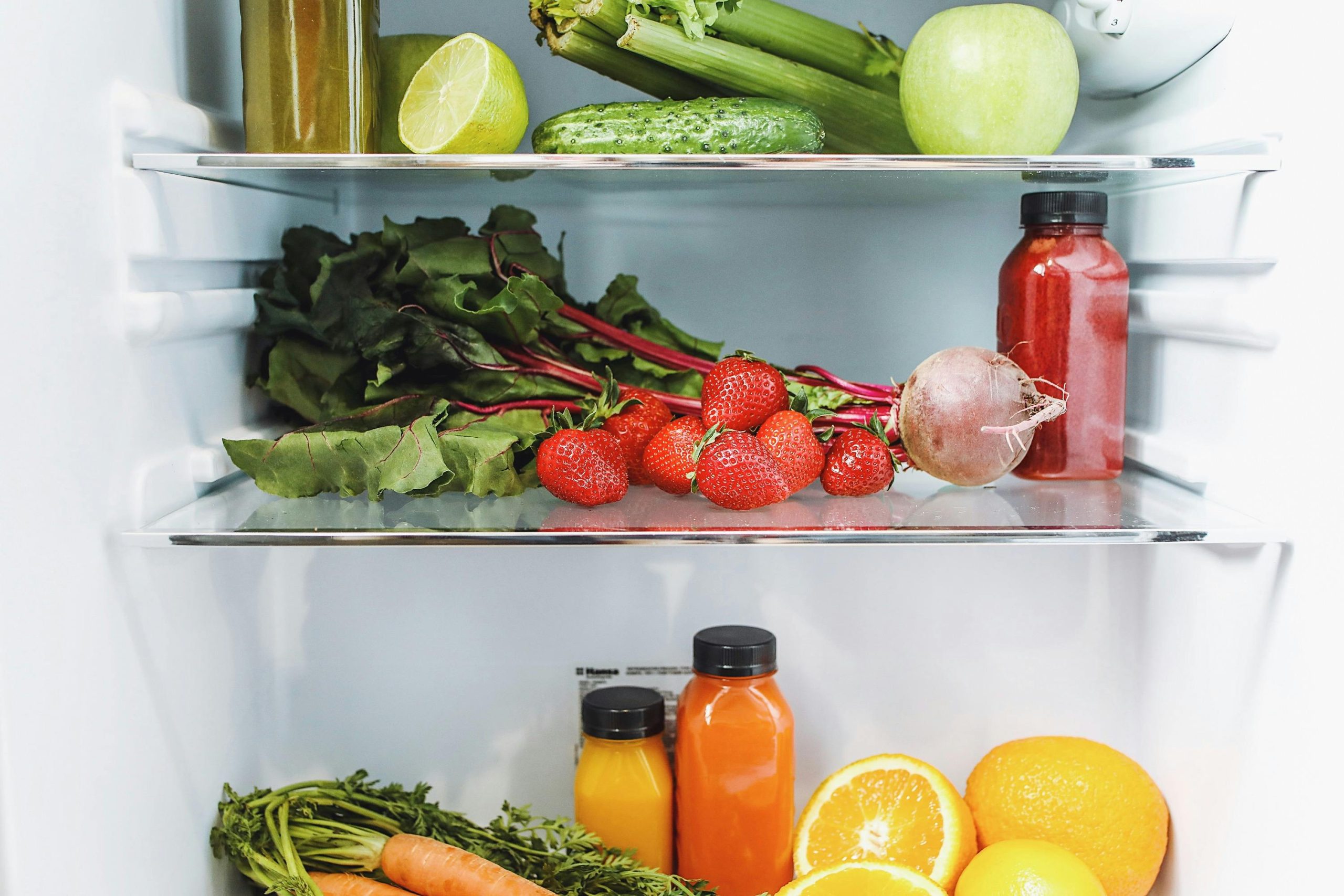
The wrong crisper drawer can silently kill a grocery run.Many people treat both fridge drawers the same, but delicate produce doesn’t always need the same environment as fruit. Ethylene-producing fruits should be stored separately from ethylene-sensitive fruits and vegetables because ethylene can accelerate deterioration, USDA/FNS advises. The crisper drawer often separates the rot from the wilt. That matters to a U.S. household that purchases berries, herbs, broccoli, apples and salad greens in a single trip. If possible, keep ethylene producers away from sensitive greens and broccoli, and use the drawer settings instead of guessing.
Buying Too Many Perishables Without a Plan
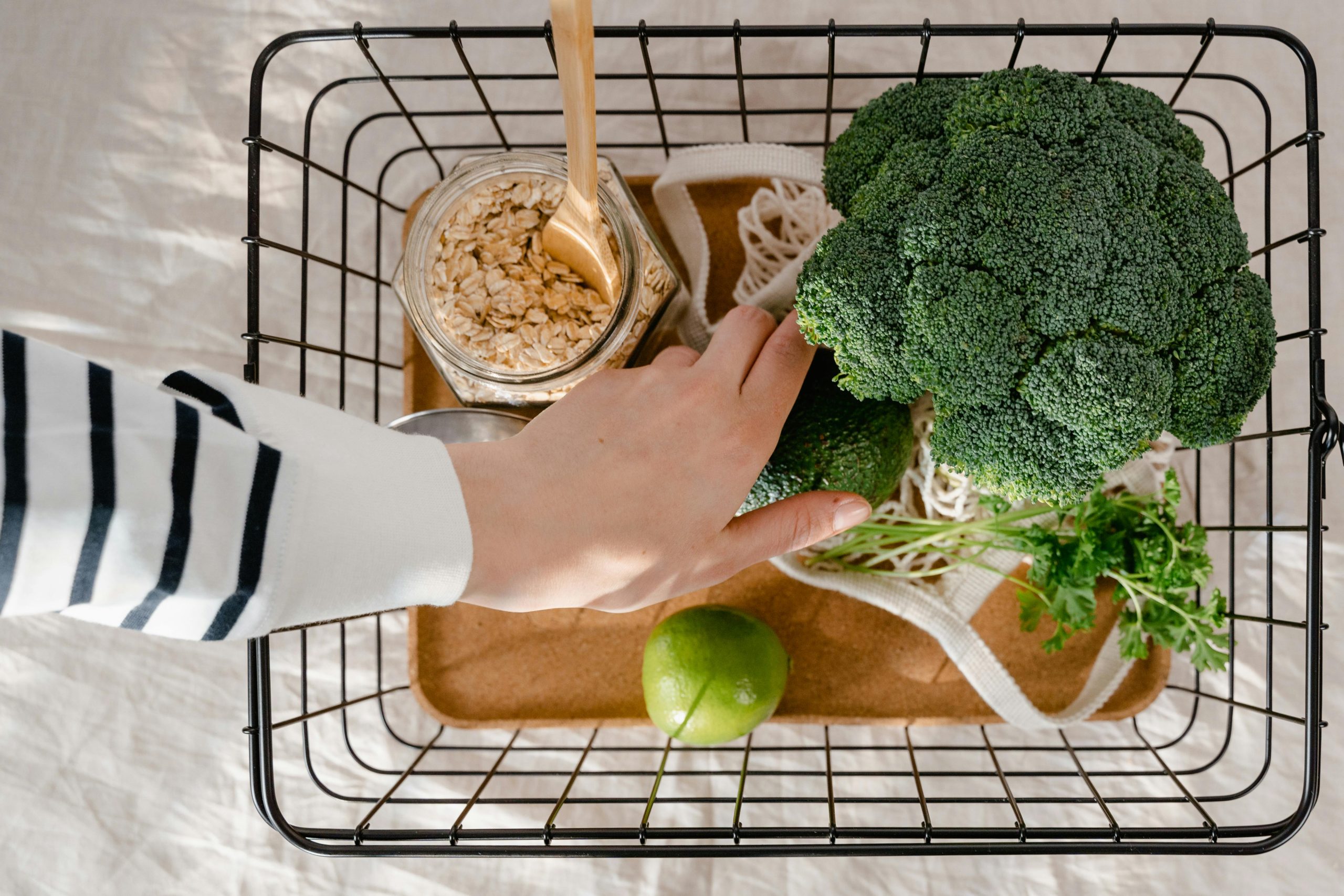
The most expensive waste pile can be the healthiest looking grocery haul.One of the easiest ways to blow grocery cash: buying produce without a plan. In many U.S. homes, shoppers will pick up berries for breakfast, herbs for one recipe, broccoli for dinner and greens “just in case.” Then the week gets busy, takeaway happens and the most delicate items go first. Community meal-prep discussions keep coming back to the “use the fastest-spoiling items first” strategy. Berries early in the week, herbs before they wilt, broccoli before it yellows, and heartier vegetables later in the week. A grocery list should not only say what to buy, it should say what has to be eaten first.
Back-of-Fridge Produce Getting Forgotten
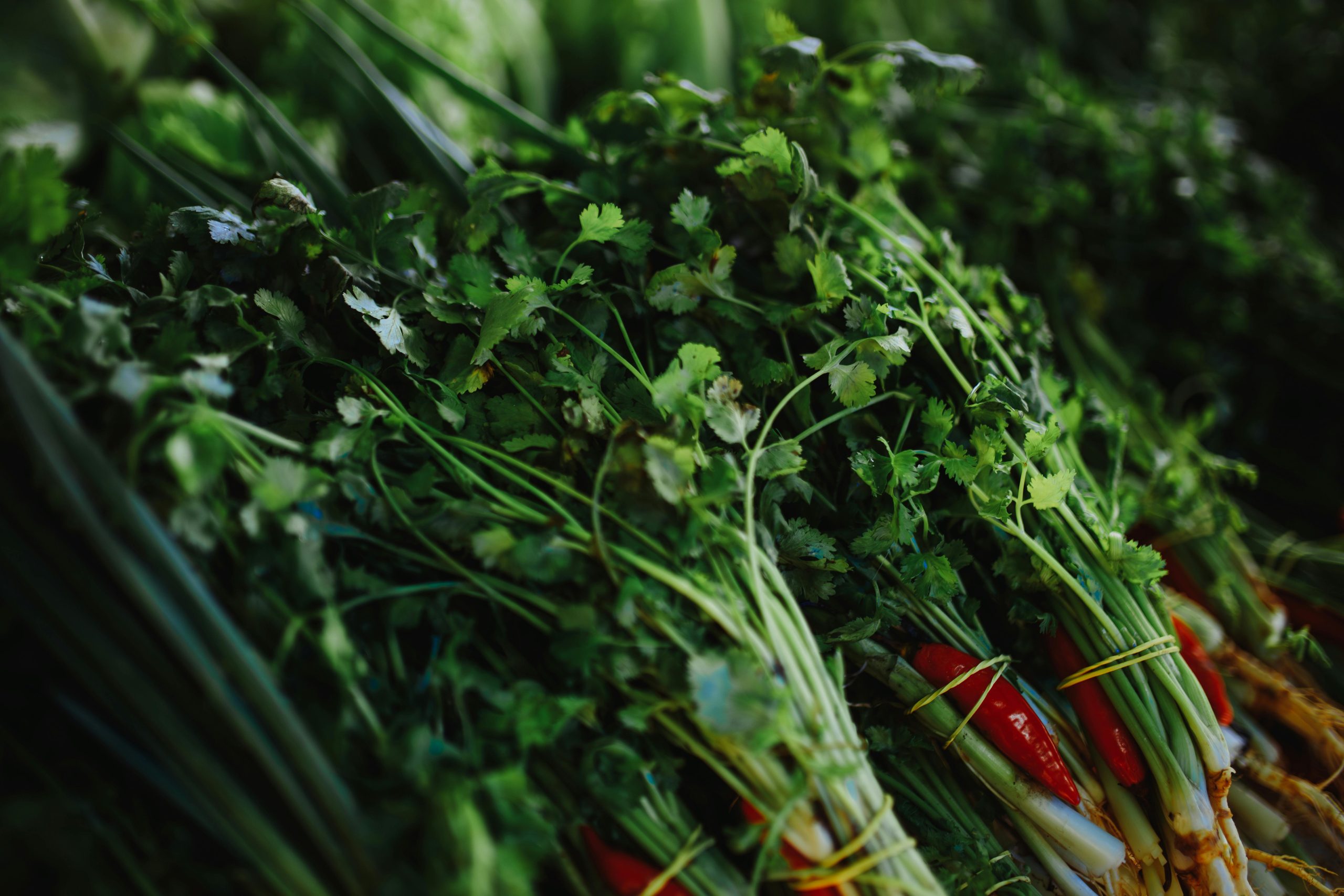
Fresh produce doesn’t always rot because it’s old – it rots because it’s gone.The produce is pushed to the back of the fridge to die because it doesn’t look like a mistake at first. Leftovers pushed behind a berry box Behind a pitcher slide herbs. Broccoli is a takeaway box. By the time someone sees it, it’s limp, slimy or speckled. A simple habit, like keeping “front-row produce,” can help: Put fragile items at eye level, use a small “eat first” bin, and don’t bury greens in drawers where they might be forgotten by your household. Visibility is not organization, it’s a food-waste plan.
Soft Fruits Crushed Under Heavier Groceries
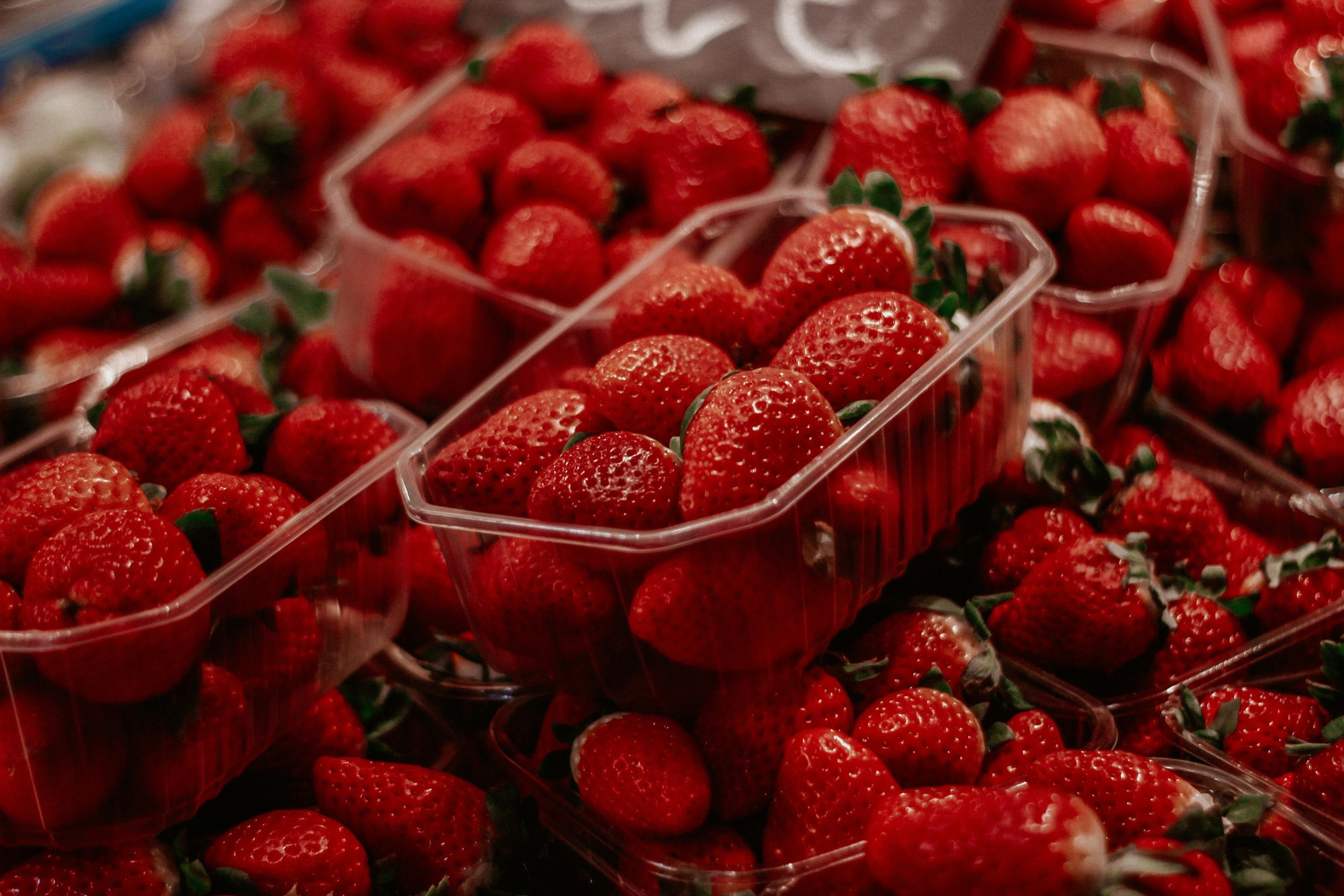
First the softest fruit. One heavy grocery bag can ruin.Soft fruit need protecting from shop to fridge. In many U.S. grocery runs, berries are buried beneath apples, canned goods, milk or even a broccoli crown. When you get to the checkout, the fruit may look mostly fine, but crushed berries release moisture and can spoil faster. Maine Extension recommends removing any berries that are rotten or crushed before storing and leaving berries unwashed until ready to use. A smarter habit is before storage: put delicate fruit on top of the cart, bag separately, check the container at home, remove damaged pieces before they spread the problem.
Grocery Hauls Without a “Use First” Order
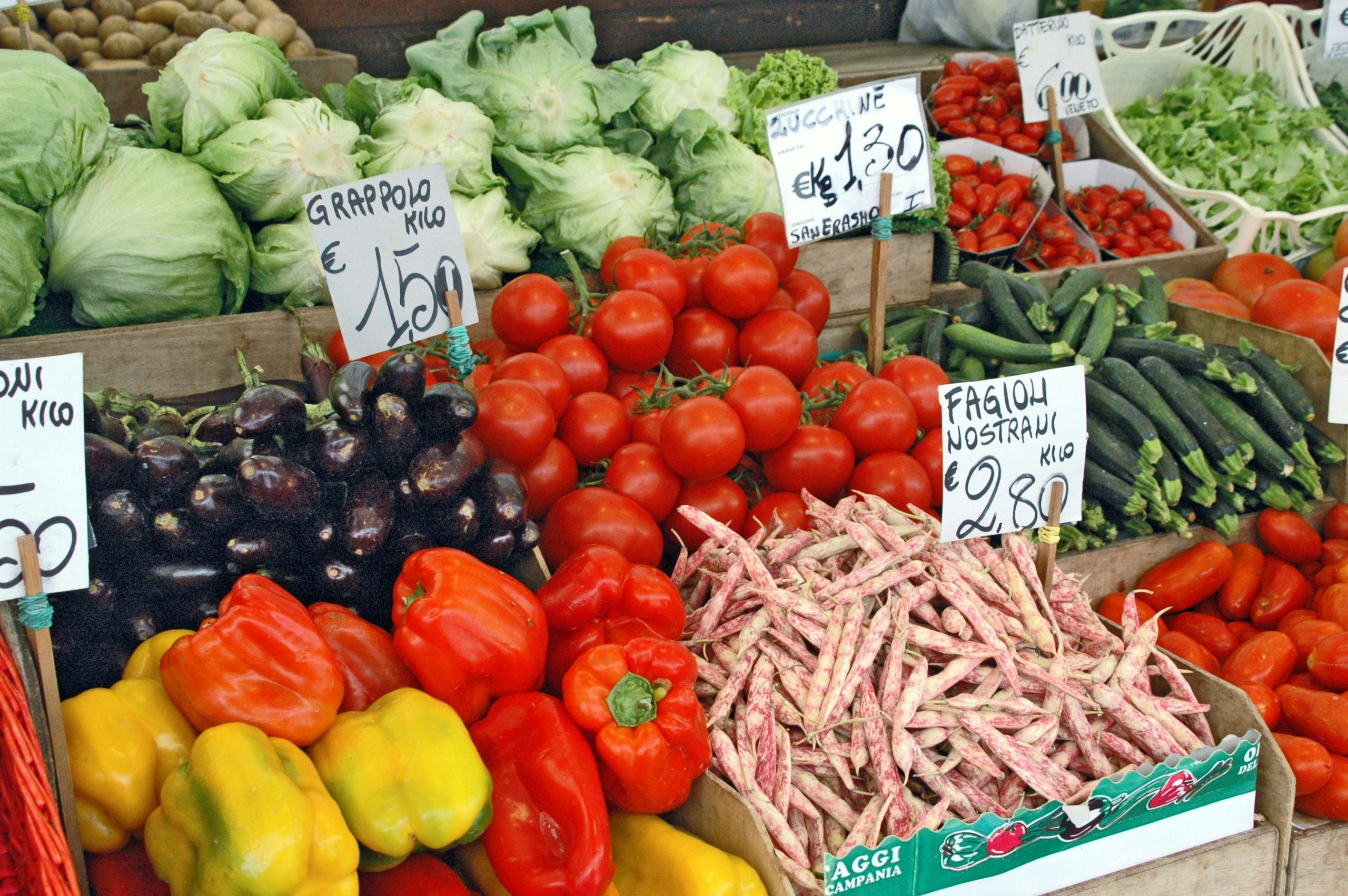
A fridge that doesn’t use a use-first order can make good groceries into guesses.A “use first” system is easy enough, but it alters the way a grocery haul works. Rather than just dumping it in wherever it fits, the delicate stuff gets a front row seat – berries, herbs, broccoli, chopped greens and anything that’s already been opened. Heavier things go behind them. It helps families, renters and busy households know what needs to be addressed before it becomes waste. Community users often talk about scheduling vegetables so that the ones that spoil the fastest are used early. One habit can make meal planning feel less rigid while still protecting the most expensive delicate produce.
Broccoli and Greens Fading Before the Week Ends
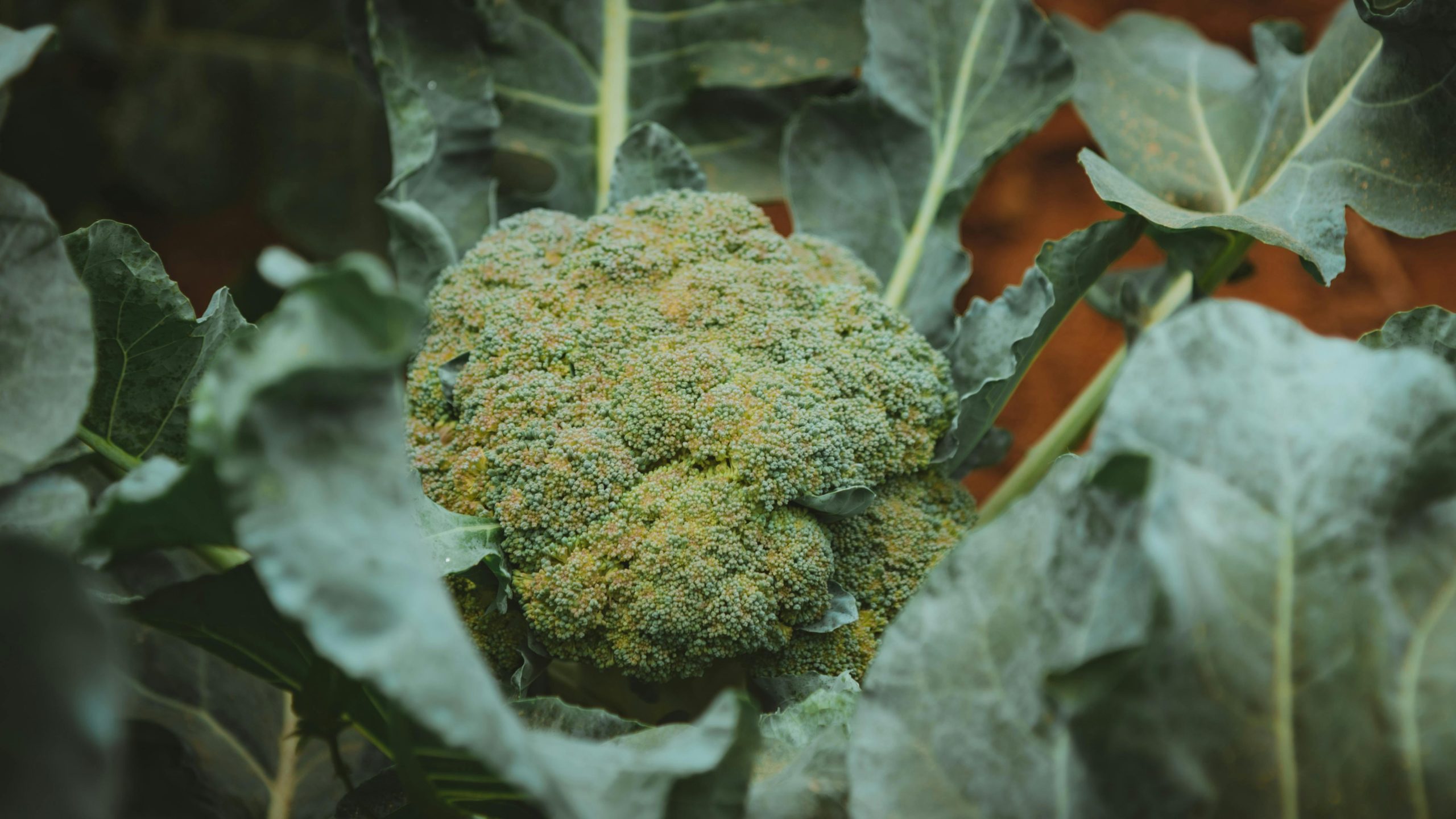
When the week’s menu hits broccoli and greens, they’ve quit.It’s easy to overestimate broccoli and greens because they look so sturdy on grocery day. But by Thursday, broccoli tips may yellow, greens may wilt and the planned “healthy dinner” becomes another wasted purchase. USDA/FNS says temperature, humidity and ethylene separation matter for produce storage Reddit users also talk about paper-towel and bag techniques for broccoli and greens. Practical tip: use broccoli before carrots or cabbage, keep greens in sight, control excess moisture, and avoid trapping with fruit that could accelerate deterioration. The fragile stuff should be protected by the fridge first.