The most difficult clutter to clear out is usually not the bulky stuff in the garage or the overstuffed kitchen drawer. It’s the quiet sentimental pile that grows one birthday card, childhood keepsake, vacation souvenir or family box at a time. These things are often hidden away in closets, piled up in spare rooms, and moved from shelf to shelf in American homes because they still seem important, just not easy to organise. The good news is decluttering sentimental things doesn’t necessarily have to be cold or dramatic. A little bit of sorting, a little better storage and a few visual refreshes can make it easier to decide what still matters without turning the process into an emotional weekend marathon.
Why the First Memory Box Usually Fills Up Faster Than Expected.
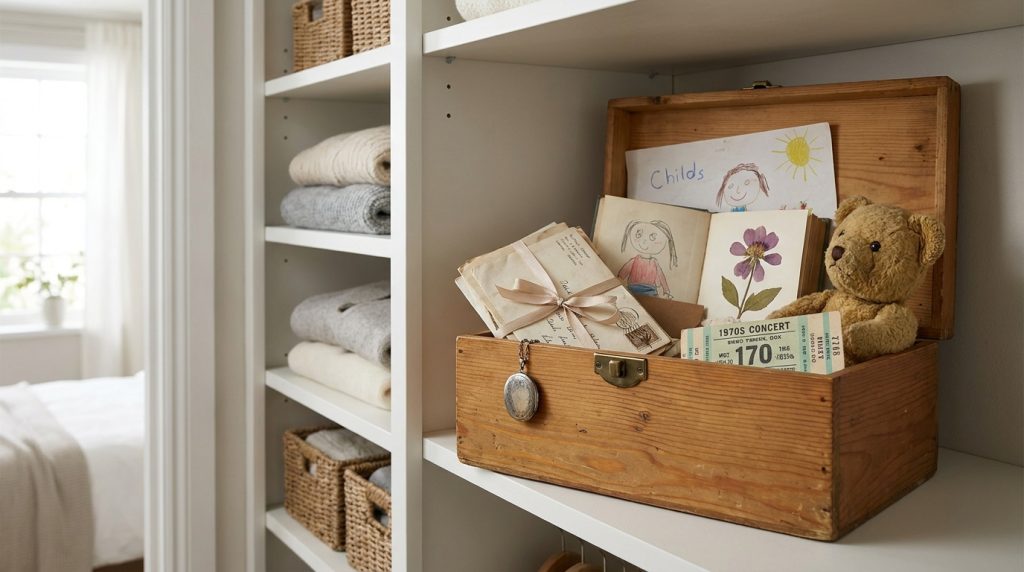
What people often forget, the small detail, is how quickly sentimental storage grows when there is no real limit. One tote becomes two and then there are bins on the closet shelf in the hallway that no one has looked at for years. Sentimental clutter is tougher than normal clutter because every object feels emotionally “alive.” A concert ticket might remind someone of college years . An old coffee mug can feel like a family member. Paper is surprising, even in small items. When you have a lot of paper, it is hard to sort through. A softer approach is to give sentimental items a home before making any major decisions. In many U.S. apartments and family homes, one medium-size keepsake bin per person provides enough structure to contain the overflow from spreading room to room. The good news is that limits often make decisions easier, naturally. As the container fills, people often begin to realise what items still feel meaningful and what items simply remained because they were never revisited.
The “Maybe Later” Pile Is Often What Creates the Most Stress.
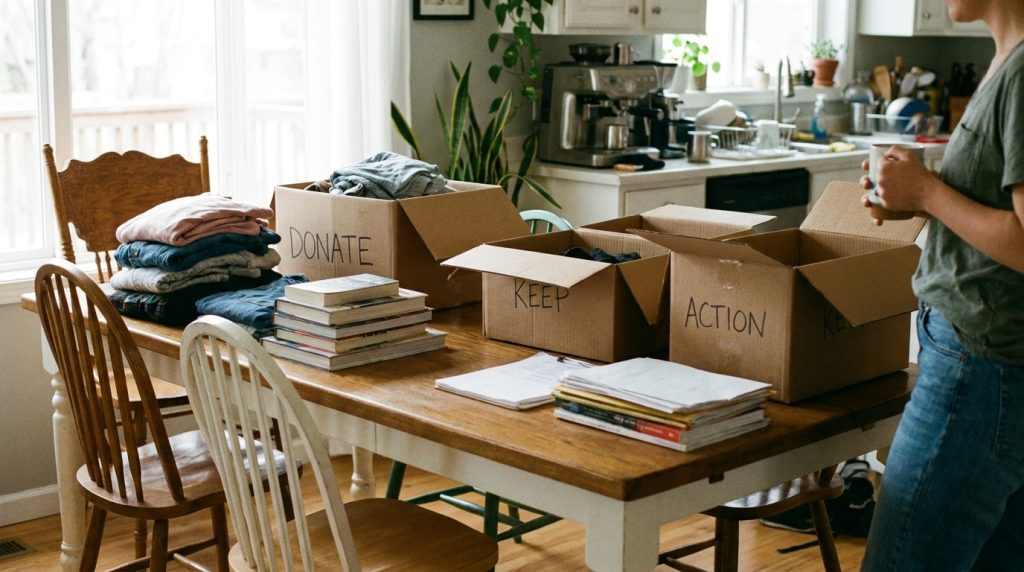
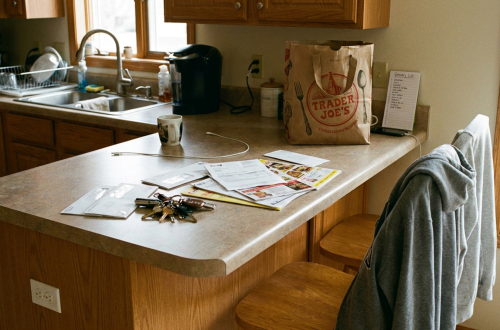
The hard part is that a lot of people don’t have problems with what to keep. They wrestle with what to decide on the spot. That hesitancy often yields the ever-growing pile of “maybe later” that quietly moves from room to room. Unfinished sentimental sorting becomes visual clutter in many American homes, because there’s no stopping point. There’s a stack of old photos sitting on the dining table for weeks. Childhood art moves from the bedroom to the office and back again. The decision fatigue is worse than the organising. A more subtle trick is to build a temporary holding basket with a deadline attached to it. It becomes a smaller review space for things that need more thought later, rather than forcing decisions right away. The good part is that emotional distance can help to provide clarity on what matters. After a few weeks some objects still feel deeply meaningful, while others suddenly feel easier to let go of, guilt-free.
Why Displaying a Few Meaningful Items Can Work Better Than Storing Hundreds.
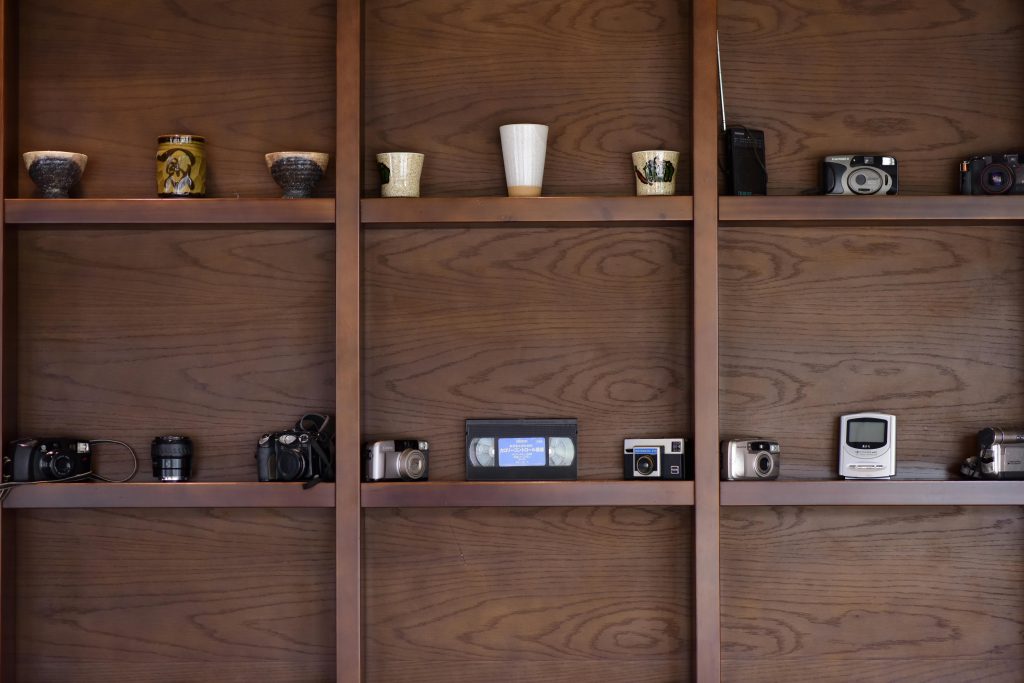
What surprises many people is that stored memories often turn into invisible memories. Boxes stashed away in garages, attic corners, or guest room closets may contain meaningful things, but they are not usually revisited enough to feel like they are part of daily life. Sometimes a smaller display can have more emotional value than big hidden storage bins. In many American homes, rotating a few favourite keepsakes onto shelves, dressers or entryway tables makes those objects feel intentional rather than forgotten. The visual payoff is more important than people realise. A framed handwritten recipe, a small travel souvenir, or a favourite childhood picture can carry more emotional weight than a whole pile crammed into storage. The helpful change is less the amount and more the visibility. When meaningful objects become part of the room instead of overflow being hidden, sentimental storage often starts to naturally get smaller.
The Smallest Paper Items Usually Create the Biggest Clutter Drift.
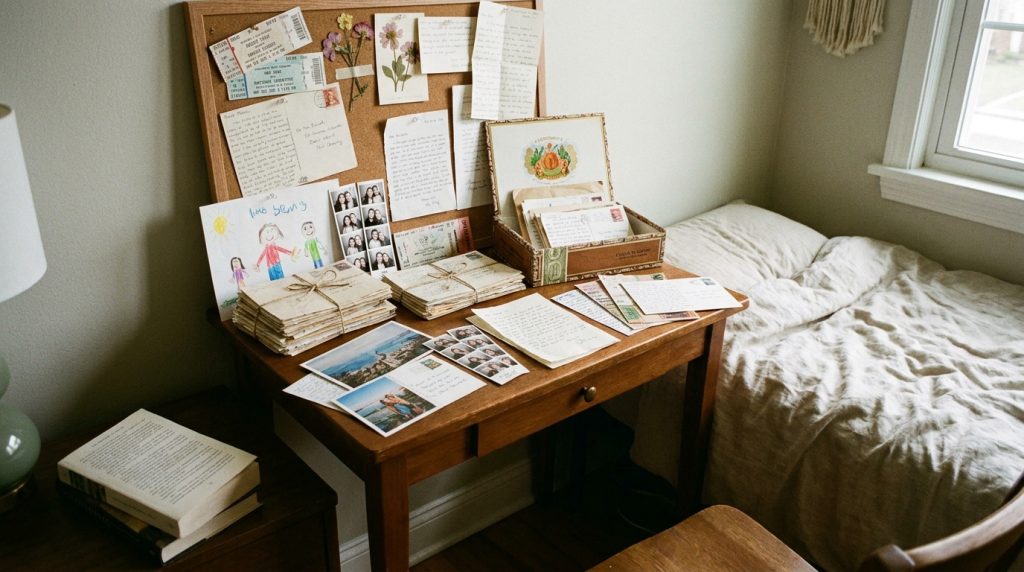
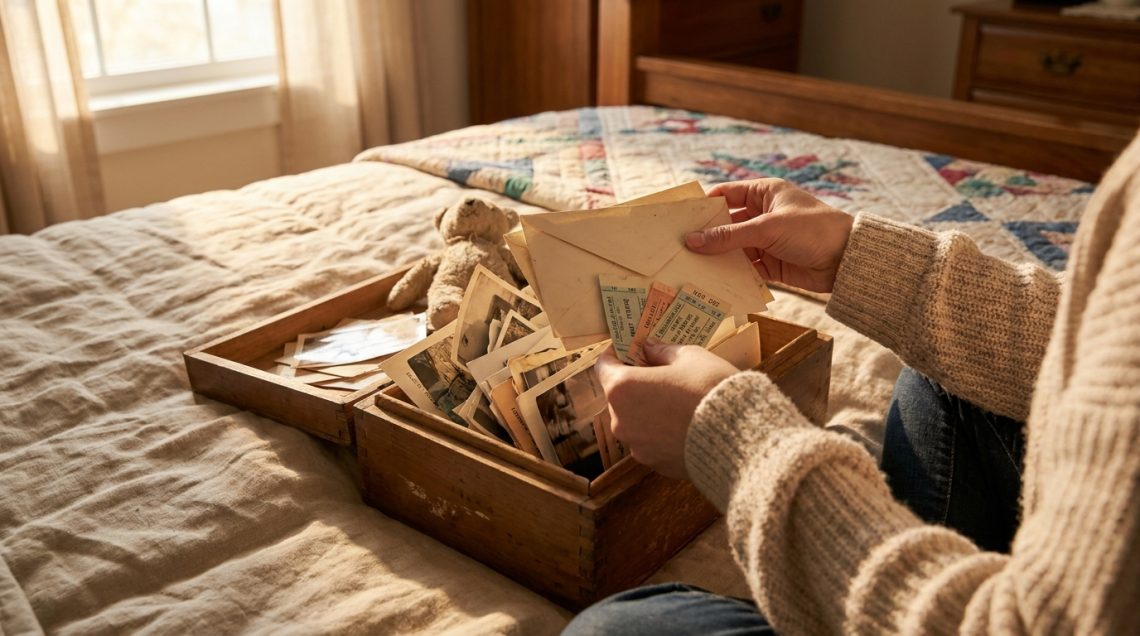
What’s sneaky about sentimental clutter is that paper spreads the fastest. Cards, postcards, handwritten notes, event programs, printed photos, don’t take up much room individually, so you can keep them without realising how much the volume is growing. Many US homes have paper keepsakes mixed into kitchen drawers, office shelves, linen closets or random baskets because there was never a designated place for them. A gentler solution is to categorise paper memories by type instead of year or life stage. Greeting cards can fit in one skinny photo box. Travel memories can stay in one labelled envelope. School papers can be pared down to just a few highlight folders rather than multiple hefty binders. The good news is, smaller categories help with overwhelm. People don’t try to open up twenty years of memories all at once, but instead sift through one type of keepsake at a time.
What Usually Helps Most Is Making the Process Smaller, Not Faster.
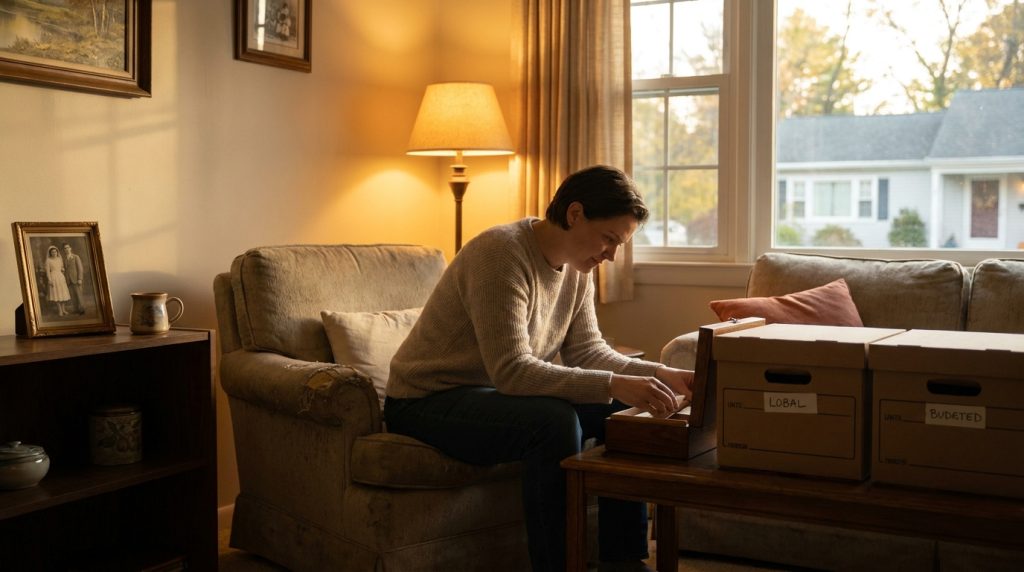
Many people make the mistake of thinking of sentimental decluttering as a full-house cleaning job. When it feels too big emotionally it often gets postponed for months or years. A kinder way is to shrink the task until it feels doable. Many people find it easier to organise an entire attic in one weekend by going through one shoebox, one shelf or one category at a time instead of all at once. Equally important is the physical work, emotional energy. A shorter session will leave people feeling thoughtful rather than drained, making it easier to continue later without completely avoiding the task. The surprising part is how useful sentimental organising is to helping make everyday storage better. Wardrobes are more user-friendly. Shelves don’t appear so full. Empty rooms are open space. The home starts to feel calmer without losing the memories that matter most. The good takeaway is not that all sentimental objects need to go away. It is that the things that matter seem to feel more special when they are more visible, more storable and more revisitable. As the storage pressure begins to ease, many people find the emotional weight easing a little too – and the room itself can begin to feel lighter, calmer and more usable once again.