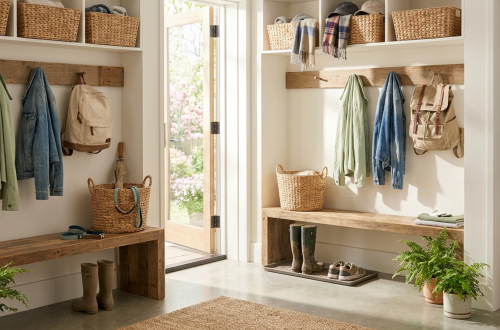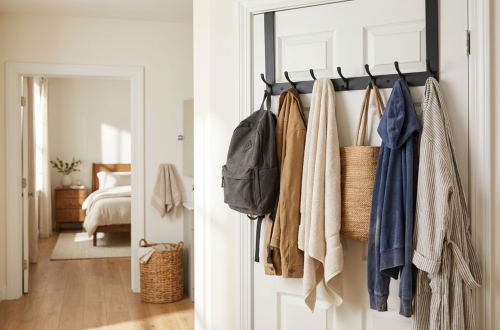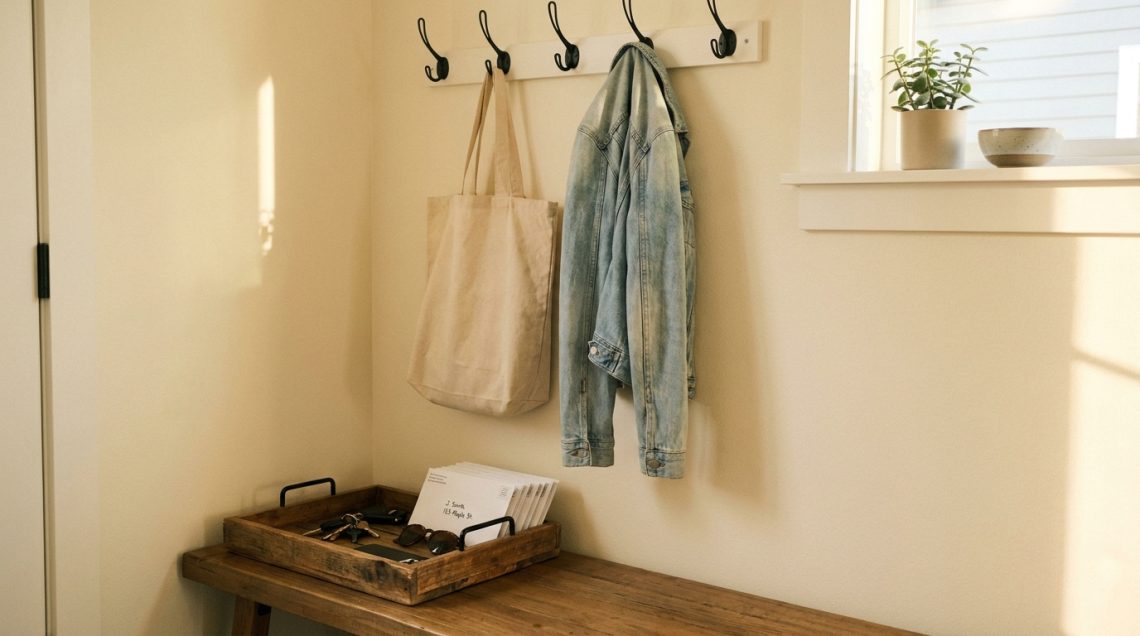
It begins small. A receipt on the counter, a hoodie draped over the back of a chair, unopened mail near the door, keys dropped wherever there was space first. Then, before you know it, the “temporary” spot morphs into three or four clutter zones throughout the house. The problem is not that most American homes have too many things. It is not a clear resting place for the everyday items people are touching all the time. Frequently a helpful fix is more simple than a complete organising project. Having a defined drop zone can help keep decision piles from making the journey from the entryway to the kitchen counter, bedroom chair, laundry room shelf or car console. The trick works because it eliminates those little moments of friction that add clutter to your week without you even noticing it.
Why the First Landing Spot Usually Controls the Whole House.
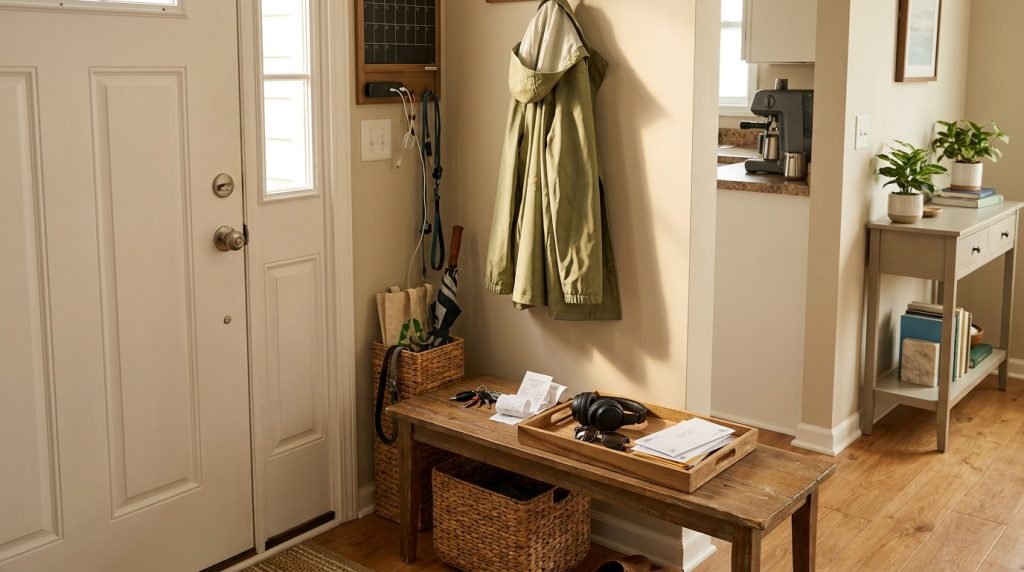
It is the tiny detail that can be missed until the routine begins to collapse. Most people don’t intentionally move clutter around the house. The spread often begins with the very first place you look, bag, receipt, headphones, jacket or mail land when you walk in the door. In many U.S. homes, the rest of the clutter pattern is quietly governed by the entryway. When there’s no obvious landing place, everyday items drift toward the kitchen counter, couch arm, dining table or bedroom dresser instead. The easy trick is to make the first surface nearby easier than any other surface. Smaller storage bins hidden away inside closets often work better than shallow trays, slim baskets, narrow shelves, or wall hooks by the door. The goal is not to store everything forever. It is stopping the growth of “temporary” piles. A small looking setup can quietly reduce decision fatigue over the course of the week. You know exactly where keys, wallets, sunglasses, and receipts go, so there are fewer random surfaces that become accidental storage zones.
The One-Basket Rule That Helps Counters Stay Clear Longer.
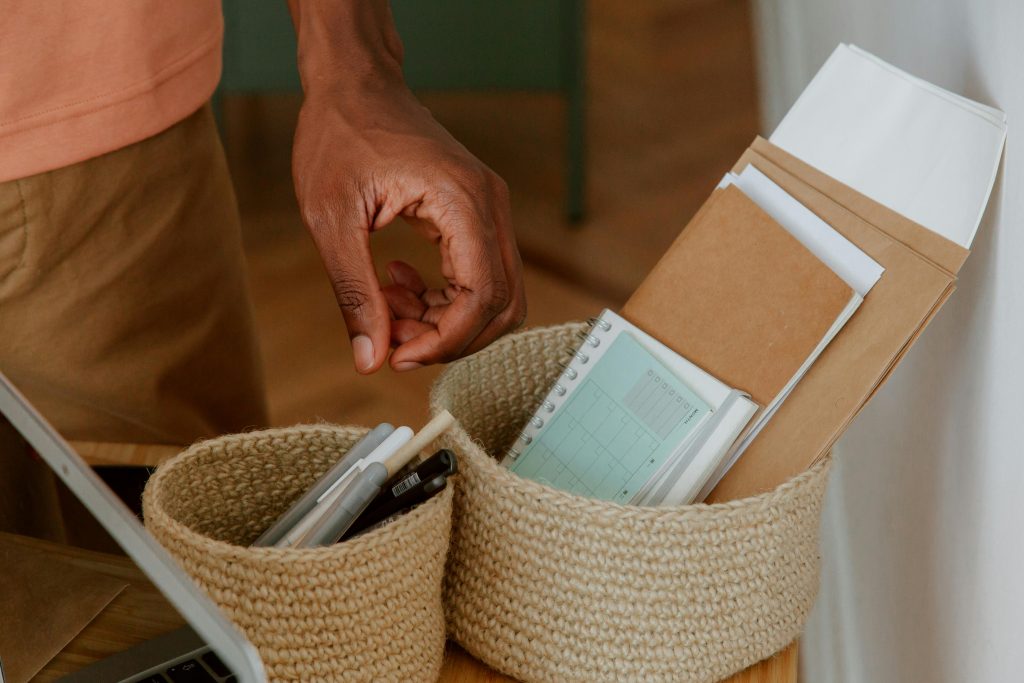
Often the clue is at the place where the people spend most of their time. In many kitchens, counters become “decision zones” for unopened mail, coupons, charging cables, receipts and other random things in the course of a week. The helpful part is not making more storage. This restricts the number of surfaces that can become holding spots. One basket provides a visual barrier so people can see when clutter is starting to grow before it spreads any further. Most people don’t see the problem until the counters don’t feel usable. When the piles get to be several corners, the room can start to feel more crowded even when the basic clean is done. And a small basket near the counter edge often works better than deep storage bins tucked away in cabinets. When things are visible but contained, it is simpler to deal with them quickly rather than deferring the decision to another day. The trick also helps to reduce “surface creep” – the gradual spread of clutter outward onto dining tables, islands and nearby shelves without anyone noticing.
Why Open Storage Usually Works Better Than Hidden Storage for Everyday Items
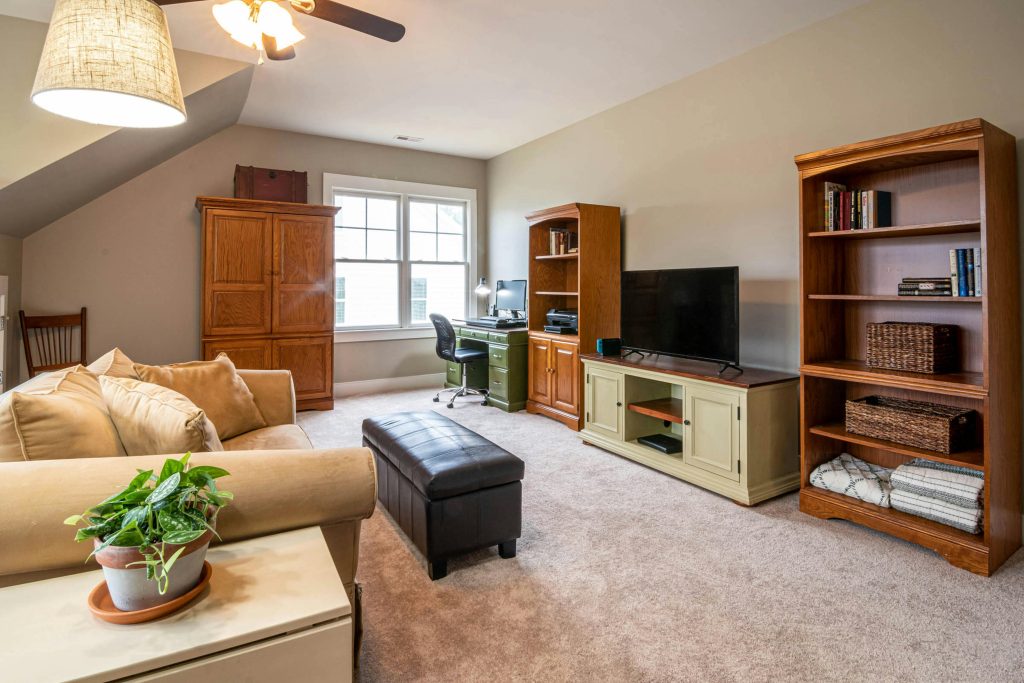
The part that is useful is not the house looking perfect. It makes the routine easier to repeat on busy mornings, grocery runs, school pick-ups or late evenings. Hidden storage often sounds good in theory, but many everyday items never make it back to drawers or closets because the extra step causes friction. Open hooks, trays and shelves eliminate that pause. Most US homes have surprisingly small best drop zones. A small wall shelf near the garage door, a hook near the laundry room, or a tray near the pet supplies area can quietly keep clutter from spreading to many rooms. A little convenience can save more time than big weekend organising projects. The more visible the landing site, the more likely people are to naturally reset it during the day. The sweet spot is to keep the area controlled, not overcrowded. If the drop zone gets large enough it can turn into a long term storage space over time rather than a quick reset space.
The Small Evening Reset That Makes the Morning Feel Easier
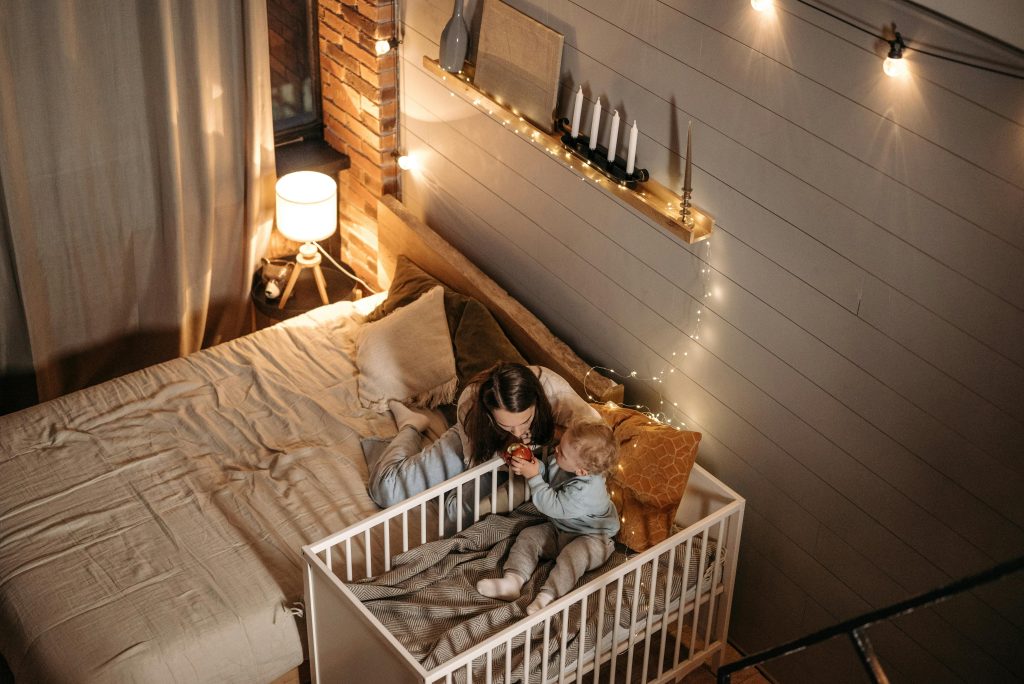
The trick is not doing a full clean up every evening. Resetting the first landing zone before the next day starts. A bit of evening tidying up can do wonders to keep clutter from building up over the week. Five minutes of putting things back in one clear drop zone can make mornings feel less hectic without adding another big chore, and it can be done in many homes. What is useful is how visually simple it is. Shoes, bags, keys and loose papers all have a designated place so that less energy is spent in the hunt for missing objects before stepping out of the house. Laziness is not usually the thing that gets in the way. Friction. Temporary piles have a way of popping back up when you need to open several drawers, move a stack of stuff or walk across the house to put something away. If the system feels almost automatic, it’s usually best to reset with a quickie. The more convenient the landing spot is to use, the more likely it will become a part of the normal routine.
What to Clear Before the “Chair Pile” Starts Growing Again.
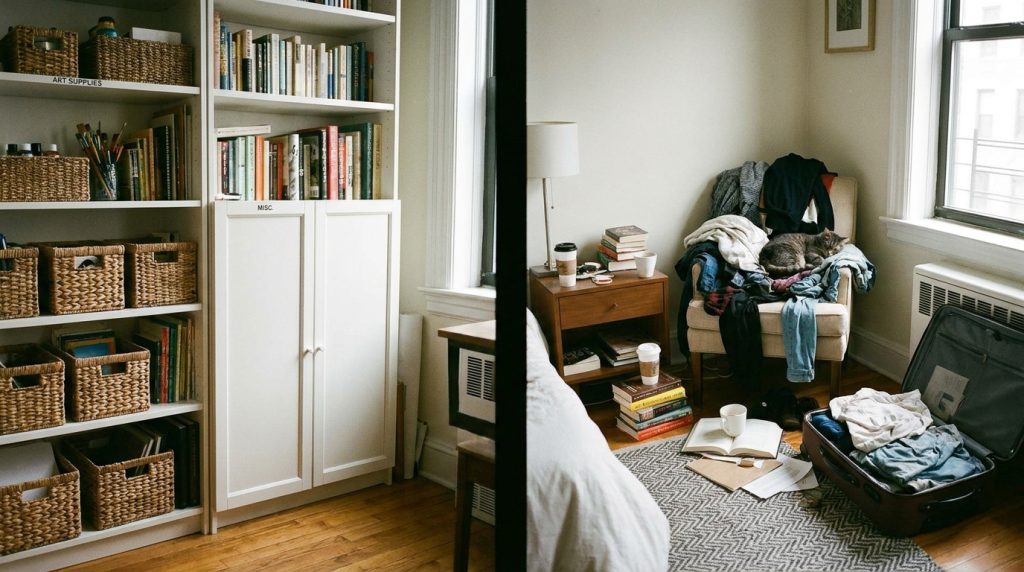
The little pile often begins with clothes not really dirty yet, but not really put away yet either. Bags, jackets, blankets, miscellaneous items fill the same chair or corner little by little until the whole space starts to feel crammed. In many American homes, the pile of chairs is less about clutter, and more about convenience. If there is no alternative people will always take the path of least resistance . A small basket, a simple hook or a narrow shelf by the bedroom door can break the pattern before it grows. It is not about doing more work. It’s reducing the number of small decisions being made during busy parts of the day. A good clue is watching where things already land naturally. Instead of fighting the habit altogether, the better solution is to find a cleaner, more intentional landing spot nearby. Little change can change the feel of the whole room. Quietly. Bedrooms, kitchens and entryways often feel calmer without constant deep cleaning when the visual clutter doesn’t radiate outward. The trick of the clear drop zone isn’t so much to turn the house into a perfectly organised showroom. It’s recognising that small moment where clutter tends to get started, and making that moment easier to manage. Once you create one easy place to land everyday items, the rest of the home feels easier to reset without adding bigger chores, more storage bins or long weekend clean-up sessions.