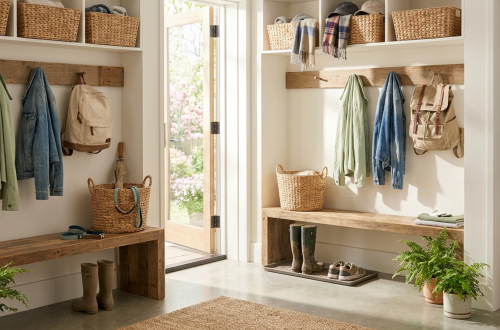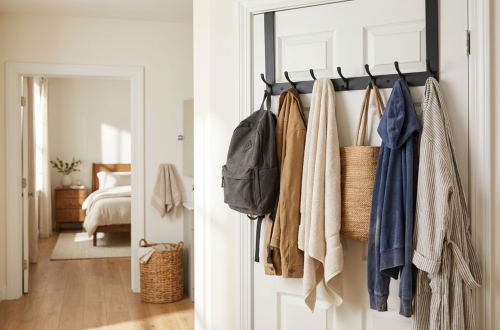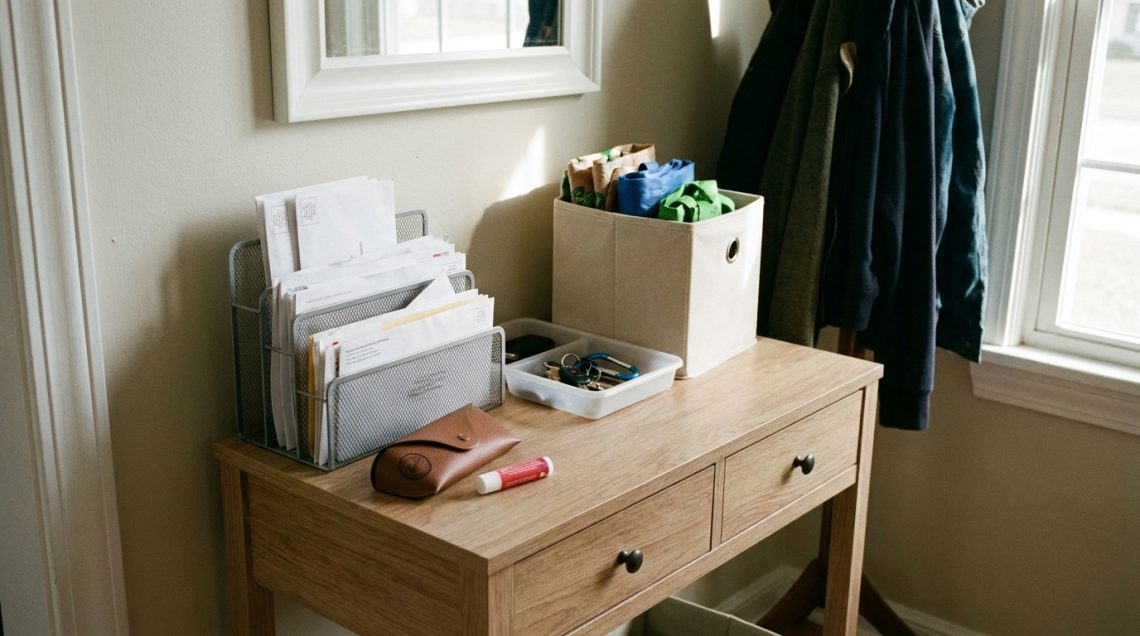
The thing about clutter that’s so frustrating is that it rarely begins as a huge mess. It’s growing quietly in many homes across the U.S. around the places people use every day: the kitchen counter where grocery bags land, the bathroom drawer stuffed with backup items, the laundry room shelf holding things ‘for later’ or the entryway that slowly turns into a drop zone. The good news is that often calming those areas has less to do with buying expensive storage systems, and more to do with making small routines easier to maintain: With about $18 and a few smart organising basics (and no full weekend cleanout), many small clutter zones can feel lighter, easier to reset and less visually crowded. These are the kinds of affordable organising buys that most pros pick up first because they help reduce friction before clutter takes hold again.
The Small Catchall Tray That Stops Counter Clutter From Spreading.
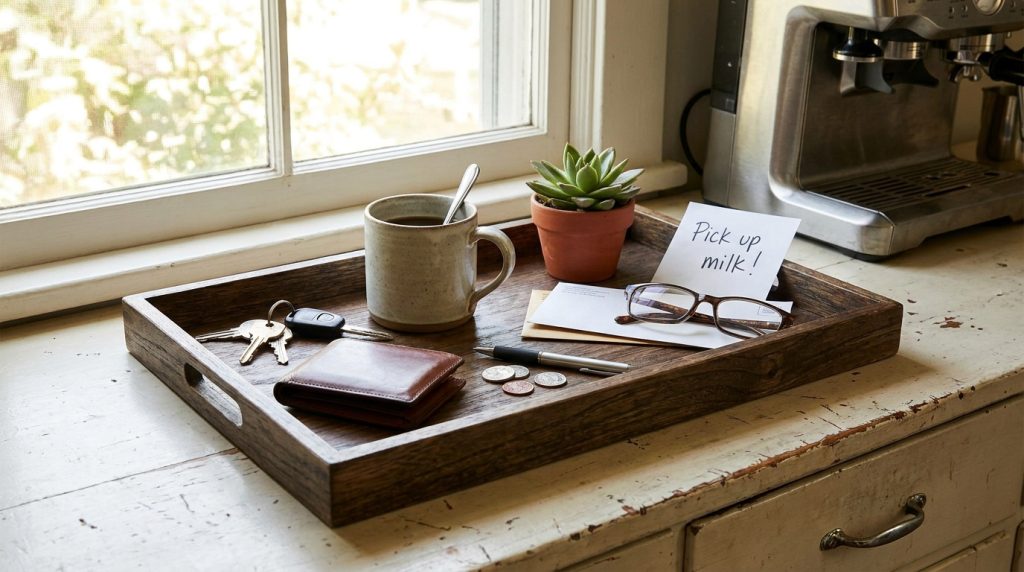
The easy-to-miss detail is how quickly loose items multiply when a flat surface becomes the default drop spot. In many homes in the U.S., clutter grows when people put one little thing down “for now” and the pile grows slowly around it. A simple catchall tray is often one of the first things many organisers purchase. It makes an obvious boundary without the extra work. The tray doesn’t seek to eliminate keys, earbuds, receipts or sunglasses entirely, but rather provides a contained landing zone for those things. The good thing is that a tray also makes it easier to clean. It’s much easier to wipe a kitchen counter or entry table when small items are grouped together instead of scattered across the surface.Small trays from discount stores, dollar stores or big box retailers are often just a few dollars, but can instantly make a clutter-prone space feel more intentional.
Why Clear Bins Often Work Better Than Deep Storage Basket.
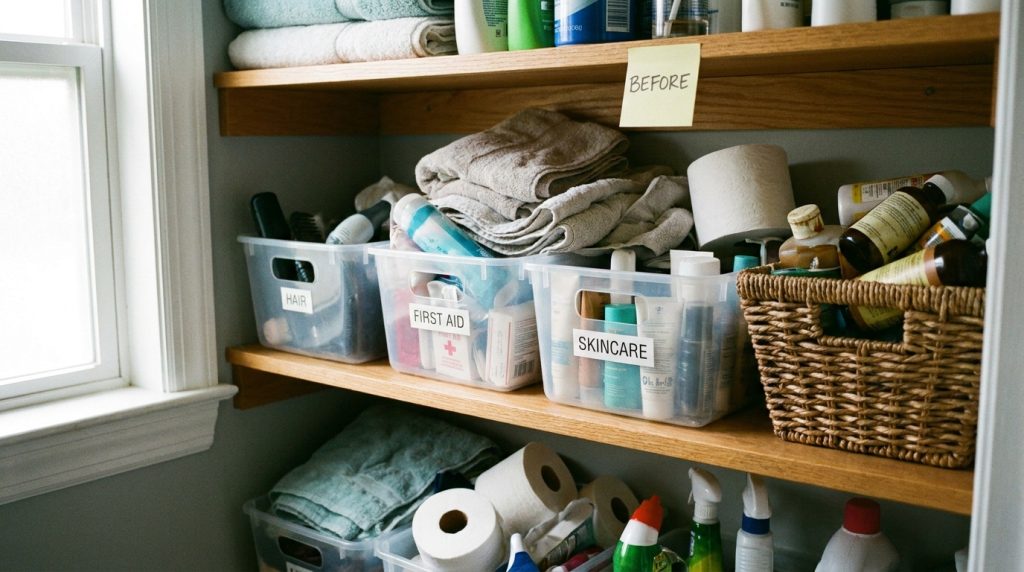
What’s interesting about deep baskets is that sometimes they can hide clutter instead of reducing it. Once small items are out of sight, many forget what they already have and keep adding duplicates on grocery or pharmacy runs. Clear bins work differently because they minimise the visual guesswork. With a quick glance you can tell whether the shelf already holds spare soap, batteries, cleaning cloths or travel-size toiletries. Many professional organisers love the small clear bins for tight spaces, as they make it easier to keep things up later. Instead of buying a big basket of mixed items, the customer can simply pick the category they need. The money-saving benefit is subtle, but genuine. In numerous American homes, double buys occur merely because spares get hidden behind other items. A few small bins can help cut down on that “I thought we were out” problem before cabinets feel overwhelmed again.
The One-Basket Trick That Helps Clutter Move Back Faster
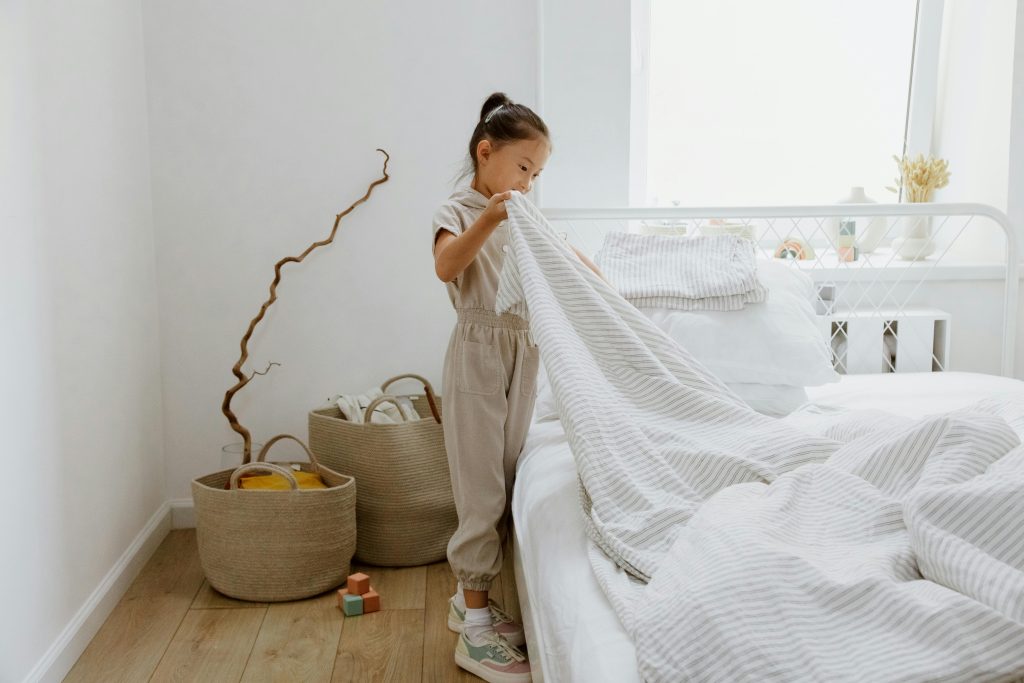
The thing that is useful is not the basket, but the fact that you need fewer separate trips. Clutter breeds in many houses because things go in more than one room but nobody wants to carry them back one by one. Professional organisers often have one “put-back basket” that temporarily holds items that float around the house during the week. Rather than leaving things scattered on counters and tables, people can easily gather them together in one portable container. This works particularly well in crowded family rooms, apartment bedrooms, laundry areas or around stairways where small items tend to gather first. The reason the method sticks is because it feels doable. Once the clutter has already accumulated, a five-minute reset of your baskets is easier than deep-cleaning every single room.
Why Tiny Drawer Dividers Can Make Small Spaces Feel Bigger.
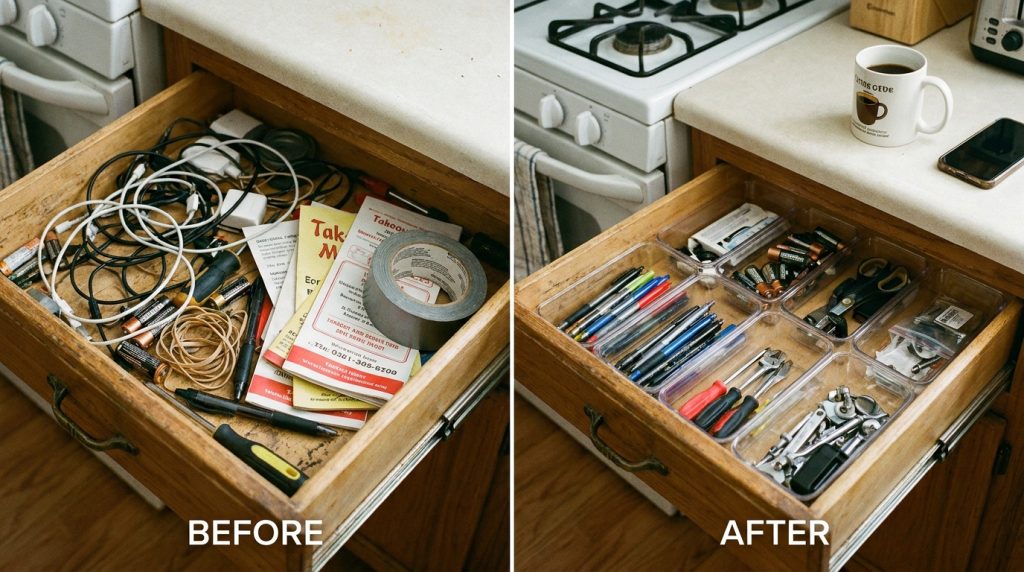
The trouble with cluttered drawers is that people don’t take notice of them until they’re unable to find something quickly. It starts with a few loose batteries or spare pens and can gradually become a crowded catchall space that feels harder to use every week. Tiny drawer dividers are helpful. They reduce the visual overlap. Even basic dividers can provide enough structure so cords, coupons, scissors, batteries and takeaway menus don’t keep sliding into one big pile. Professional organisers will tell you most of the time a flexible, off-the-shelf divider is a better choice than some complicated system – flexibility trumps perfection. And the setup can move as the routines move. Bonus: Well-organised drawers tend to mean less mess on the countertop, too. When smaller items finally have a convenient place to go, they’re less likely to linger on kitchen counters, desks or bathroom sinks.
The Low-Cost Labeling Habit That Makes Organizing Easier to Keep Up.
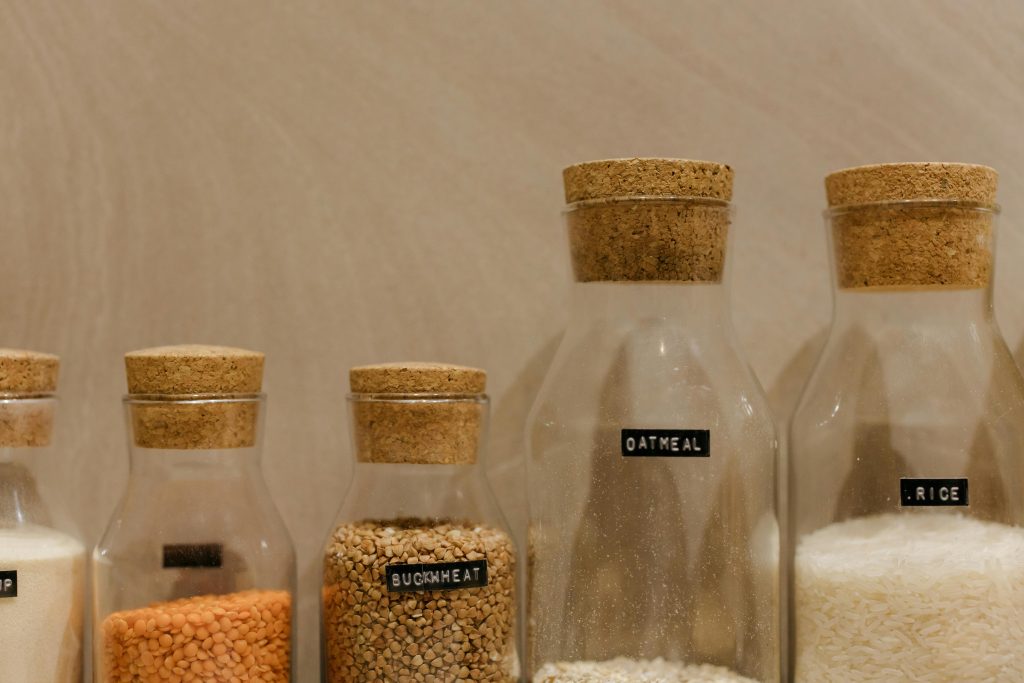
The surprising thing about labels is that they often work better for adults than kids. In a lot of shared homes, people quit putting things away properly when the “correct spot” becomes less obvious over time. Even hand-written labels can help ease decision-fatigue during rushed mornings or grocery unloads. Snacks go back in the snackbox. Tea is kept near tea supplies. No more floating between random cabinets for extra napkins. A common suggestion from professional organisers is to use labels because it reduces friction once the initial clean-up is done. It’s not about a perfect pantry, it’s about making everyday resets that little bit quicker and easier to repeat. Calm is usually created by consistency, not perfection. Small clutter zones often stop growing as quickly in the first place when people know exactly where something belongs . The good news? Calming clutter doesn’t have to involve a huge budget or a full-on house overhaul. A little easier to keep up with everyday routines before the mess starts spreading again makes the biggest difference in many U.S. homes. A tray to corral loose items, a small basket to make put-backs easier, or a few drawer dividers to cut down on visual chaos can subtly change the day-to-day feel of a room. The good part is not having a perfectly tidy home. It’s about finding those little friction points that bring back the clutter and making those friction points easier to reset when life gets busy again.