In many U.S. homes, the biggest savings do not always start with dramatic lifestyle changes. They often begin with the small repeat buys hiding in kitchen drawers, laundry rooms, cleaning cabinets, grocery carts, and under-sink storage. Frugal households are quietly questioning paper towels, fabric softener, disposable wipes, duplicate cleaners, plastic wrap, air fresheners, mop refills, and the tiny “little treats” that slip into carts every week. This gallery breaks down 10 ordinary purchases people stopped buying first, why the swap often worked, and what the visual clue looks like inside a real American home.
Paper Towels Replaced by Rags
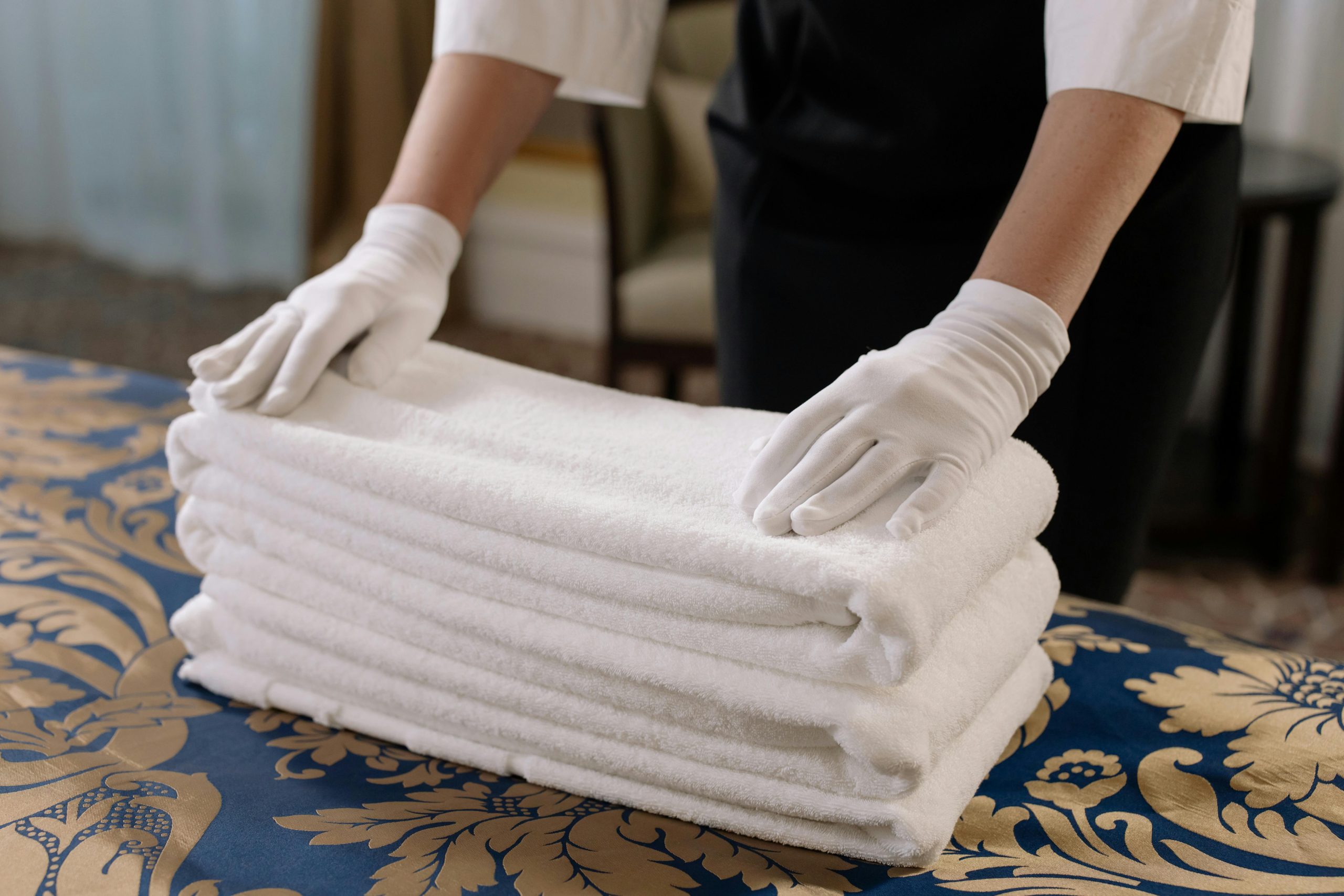
The first thing many frugal kitchens stop buying is sitting right on the counter.In a typical American kitchen, paper towels can become the automatic answer for spills, counters, kid messes, and quick hand wipes. Frugal households often keep a smaller roll for truly gross jobs, then use washable rags for everyday crumbs, water spills, and counter wipe-downs. The trick is visual and simple: a rag basket near the sink makes the cheaper choice easier than reaching for the roll. It is not about never using paper towels; it is about stopping the habit of tearing one off for every tiny mess.
Fabric Softener People Stopped Missing
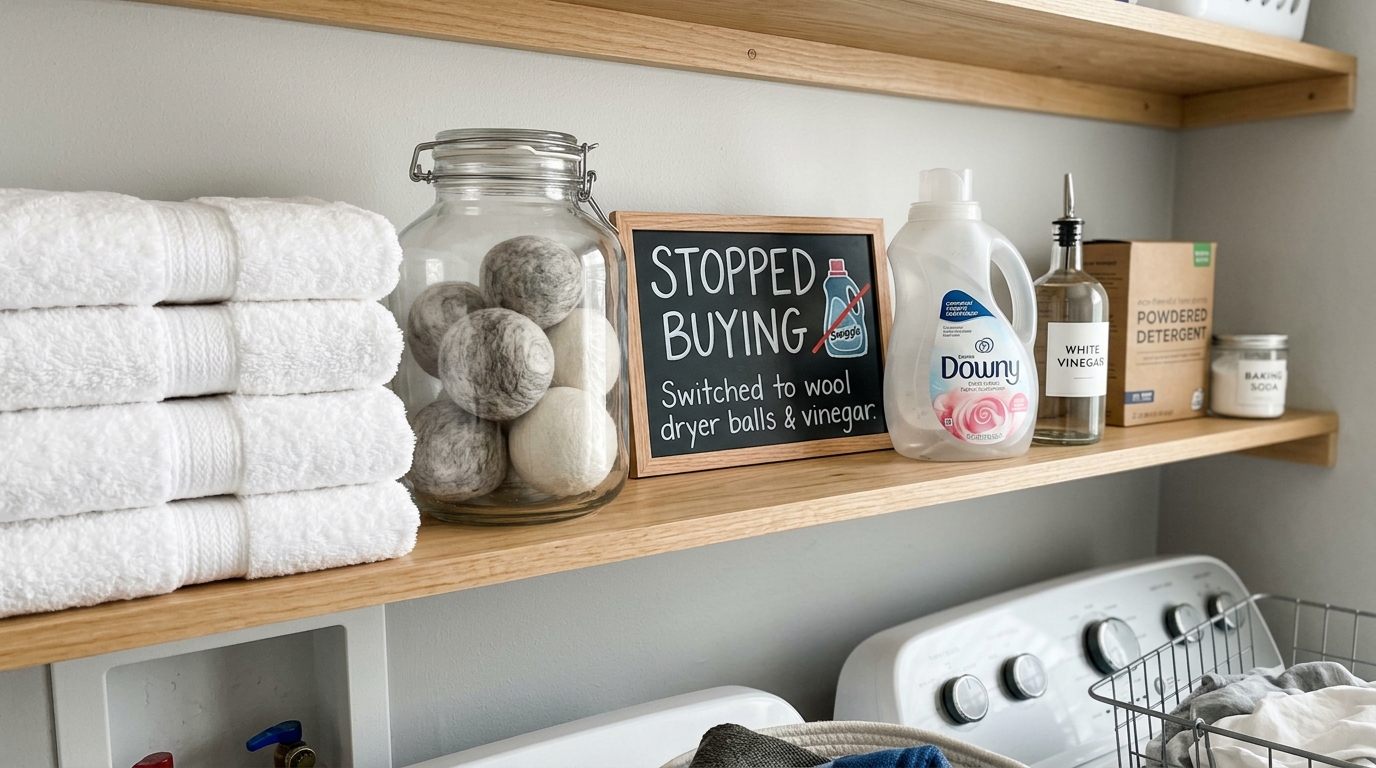
That “fresh laundry” bottle may be less necessary than people think.Around many U.S. laundry rooms, fabric softener feels like part of the routine because it promises softness and scent. But frugal households often test what happens when they simply stop buying it. Towels are the big clue: softener can coat fibers and may reduce absorbency over time, which makes the “soft” feeling less useful after a shower. Some families switch to careful detergent measuring, full drying, and dryer balls instead. The savings feel small at first, but the bottle stops returning to the shopping list.
Disposable Wipes Swapped for Reusable Cloths
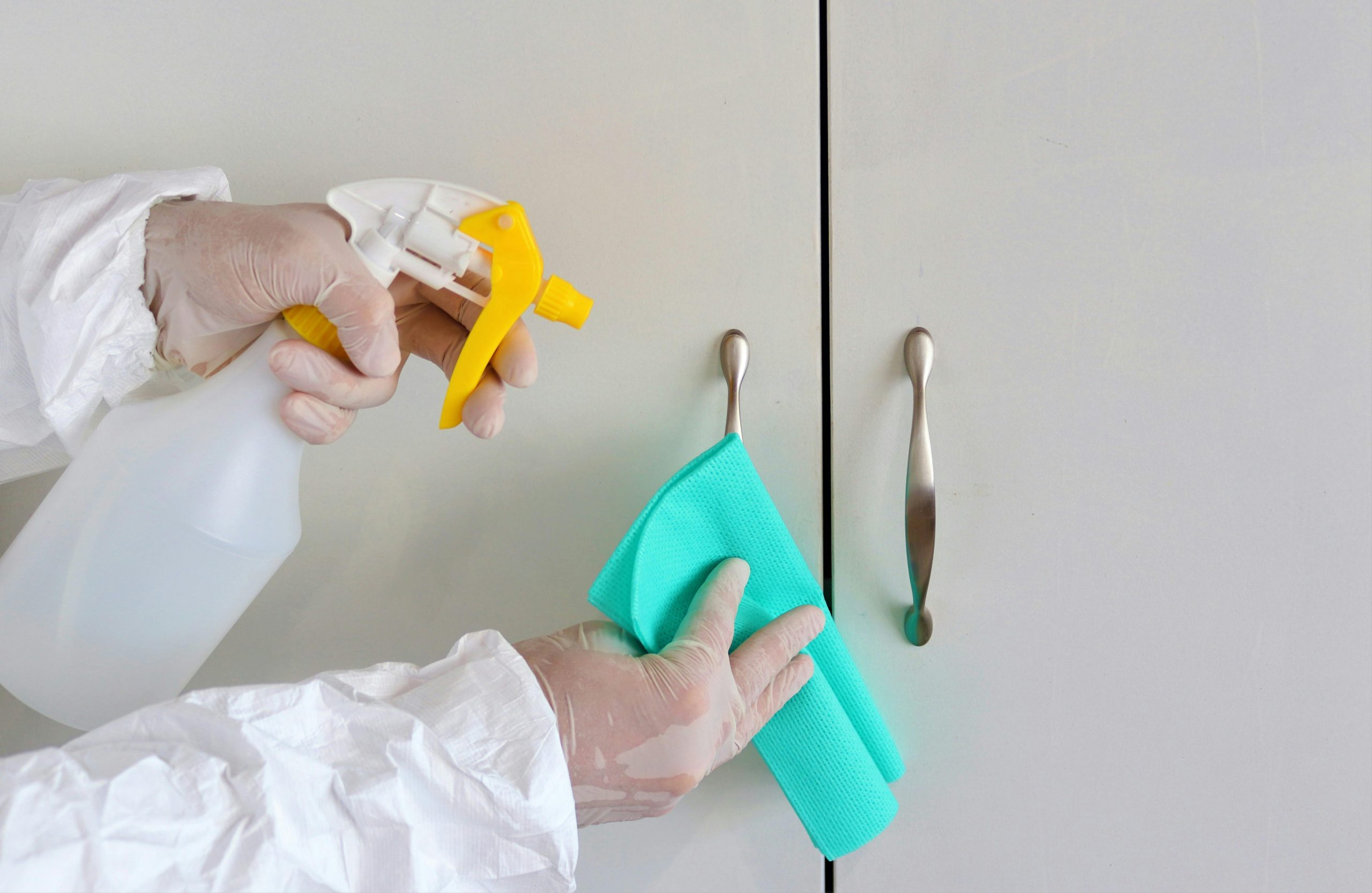
The most convenient cleaning habit may be the one frugal homes cut first.Disposable wipes are easy to love in American kitchens, bathrooms, cars, and kid-heavy homes because they make cleanup feel instant. The problem is that convenience trains the hand to grab one for every counter mark, sticky spot, and bathroom touch-up. Frugal households often keep washable cloths in the same easy-to-reach place so the habit changes without extra effort. The key is separation: one color for counters, another for bathroom jobs, and another for floor-level messes. That keeps the swap practical instead of gross.
Extra Cleaner Duplicates People Quit Buying
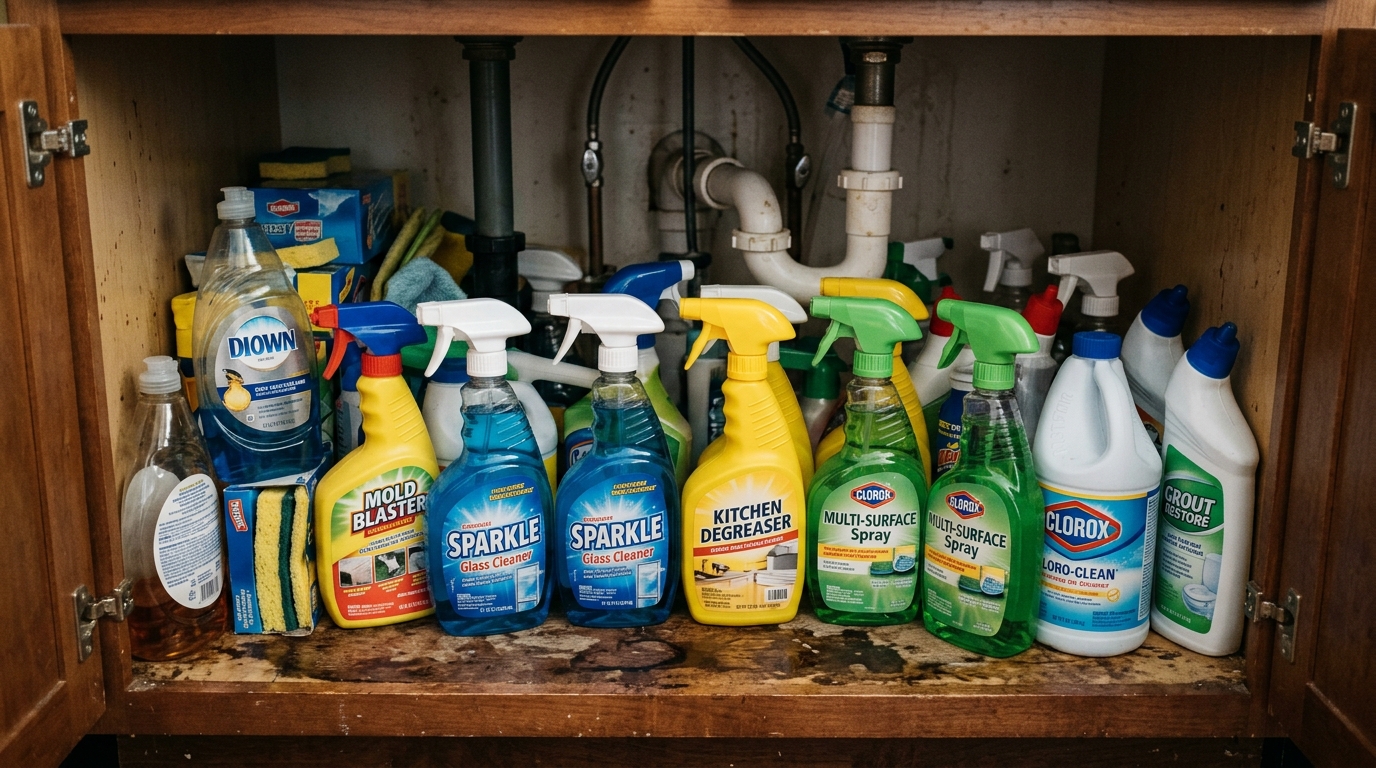
The cleaning cabinet may be buying the same job five different ways.In many U.S. homes, under-sink cabinets fill up because every surface seems to need its own bottle: glass, counters, bathroom, stainless steel, floor, and “fresh scent” versions. Frugal households often stop buying duplicates first, not because all cleaners are identical, but because many daily messes do not need a specialty product. The useful move is a cabinet audit: group bottles by job, finish what is already there, and only replace the few that truly earn their space. The visual clue is simple—too many half-used sprays doing nearly the same thing.
Disposable Napkins Used Less Often
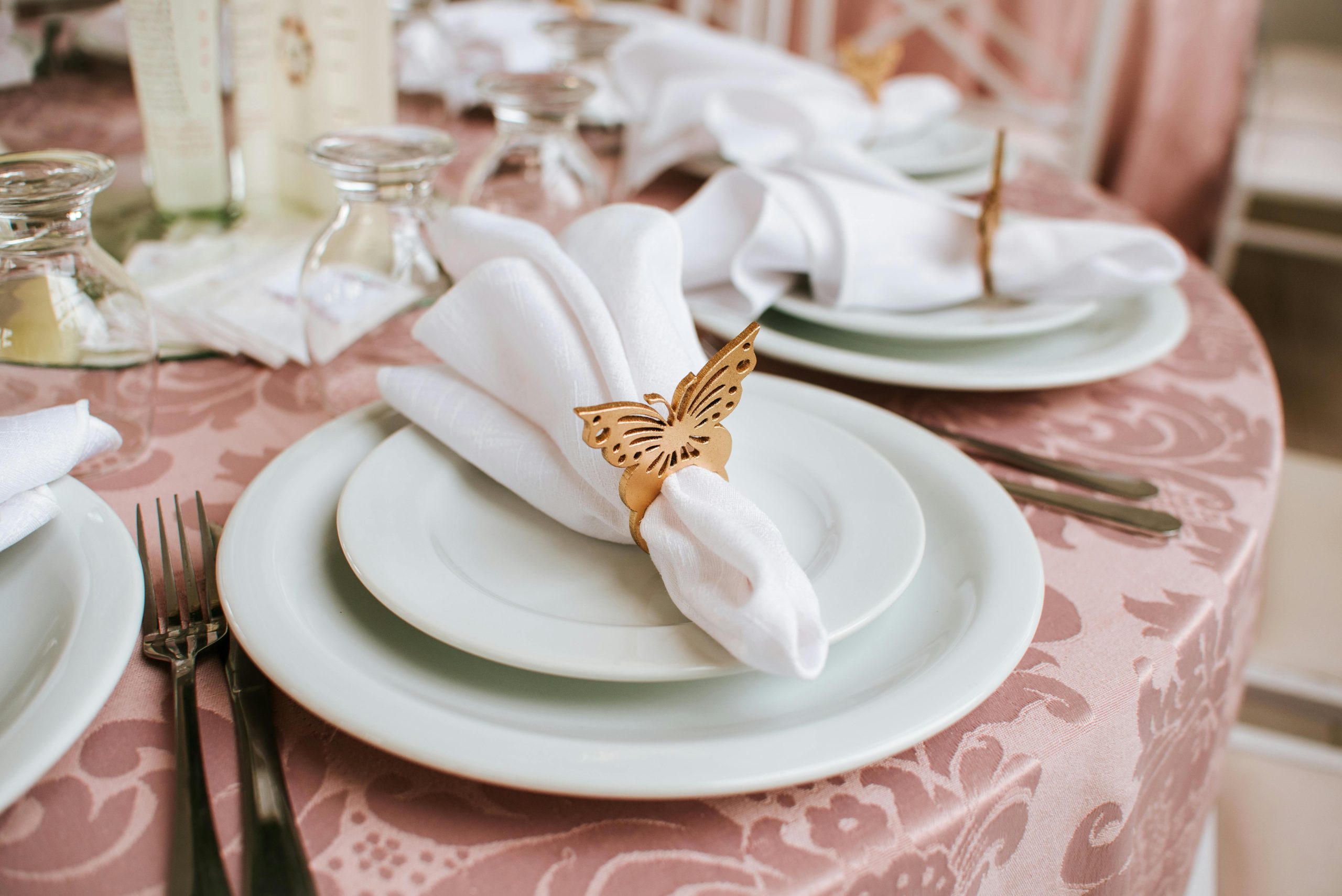
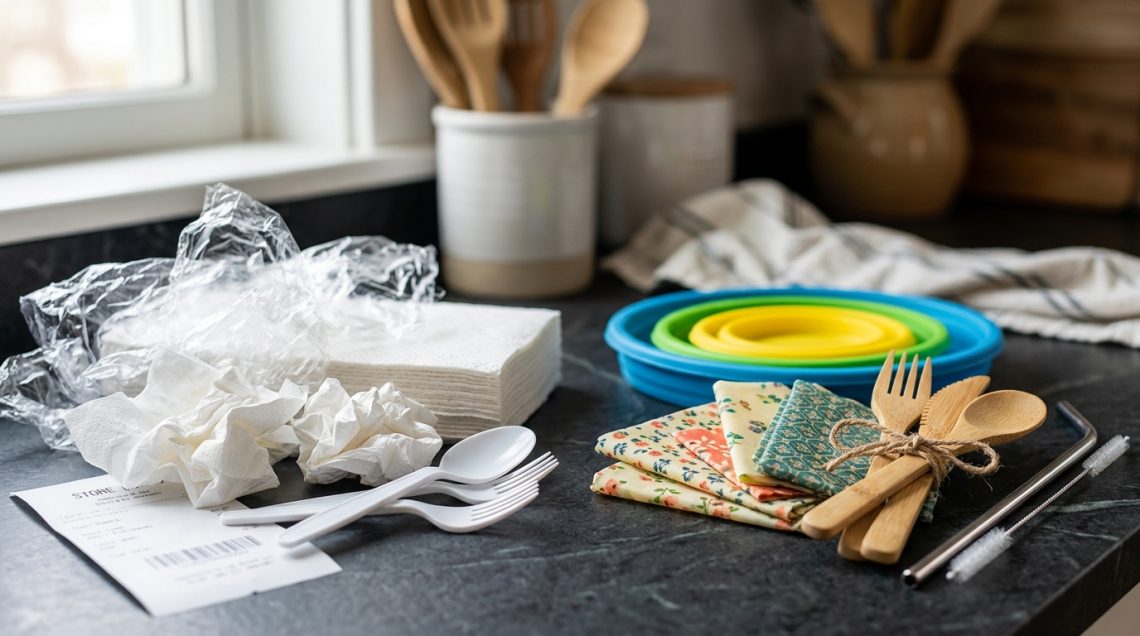
One small table item quietly vanishes from frugal grocery carts.Disposable napkins are one of those American household buys that rarely feel expensive in the moment. They sit near paper plates, lunch supplies, and grocery-store basics, so they blend into the cart. Frugal households often reduce them by using cloth napkins for everyday meals and saving paper napkins for parties, packed lunches, or messy takeout nights. The change works best when cloth napkins are visible and casual, not fancy. A basket on the table turns the swap from a “special occasion” idea into a normal weeknight habit.
Mop Refill Systems People Simplified
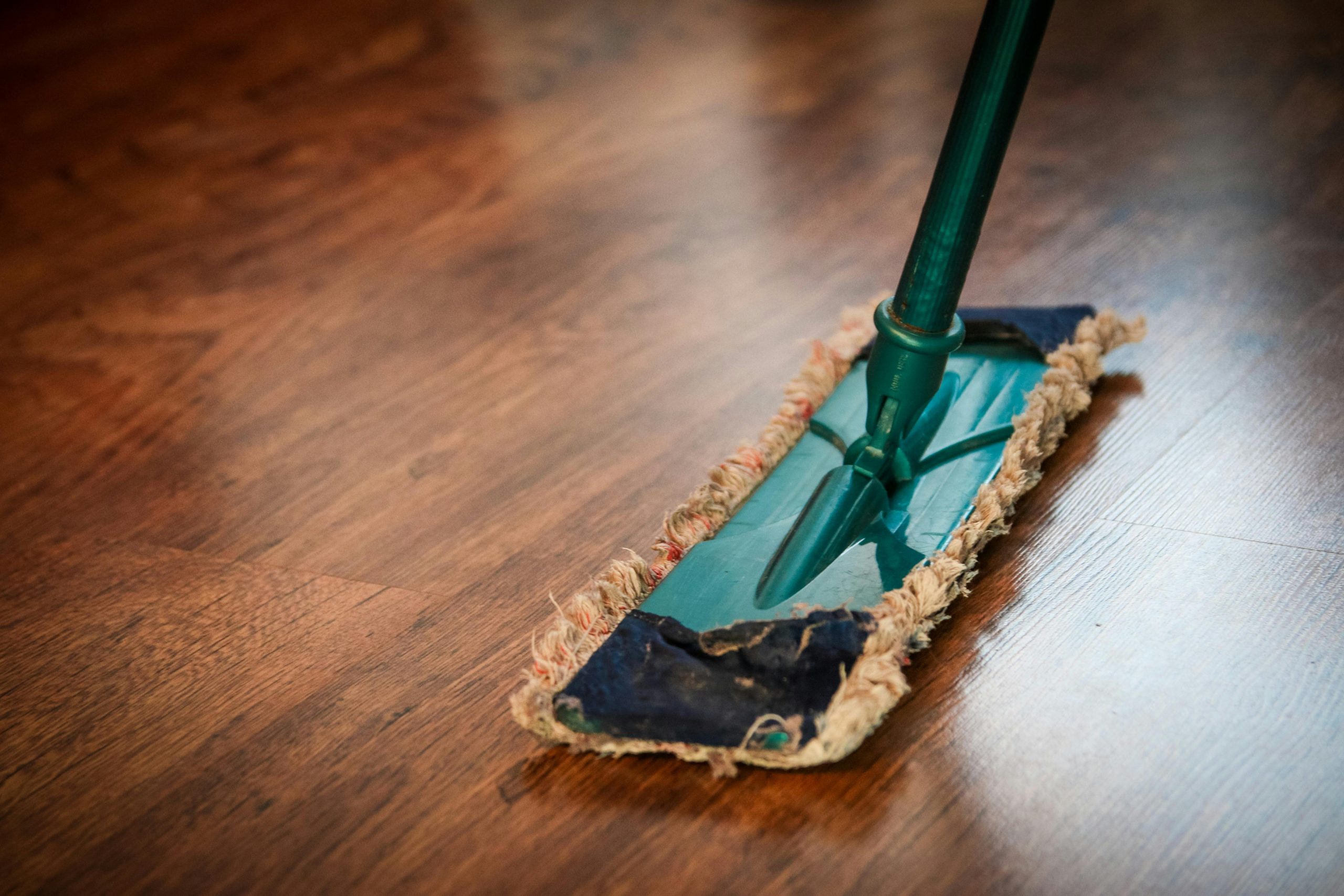
Some cleaning tools are designed to make the refill the real purchase.In suburban kitchens, rental apartments, and busy family homes, disposable mop pads feel perfect because they make floor cleanup fast. But frugal households often notice the pattern: the handle stays, the pads disappear, and the refill pack becomes the real cost. Many simplify with a washable mop head, reusable pad system, or old towel method for quick kitchen spills. The point is not that every disposable pad is bad; it is that the refill habit should be visible. If the floor tool needs a new pack every few weeks, the “cheap” system may not be cheap.
Plastic Wrap Overuse People Cut Back On
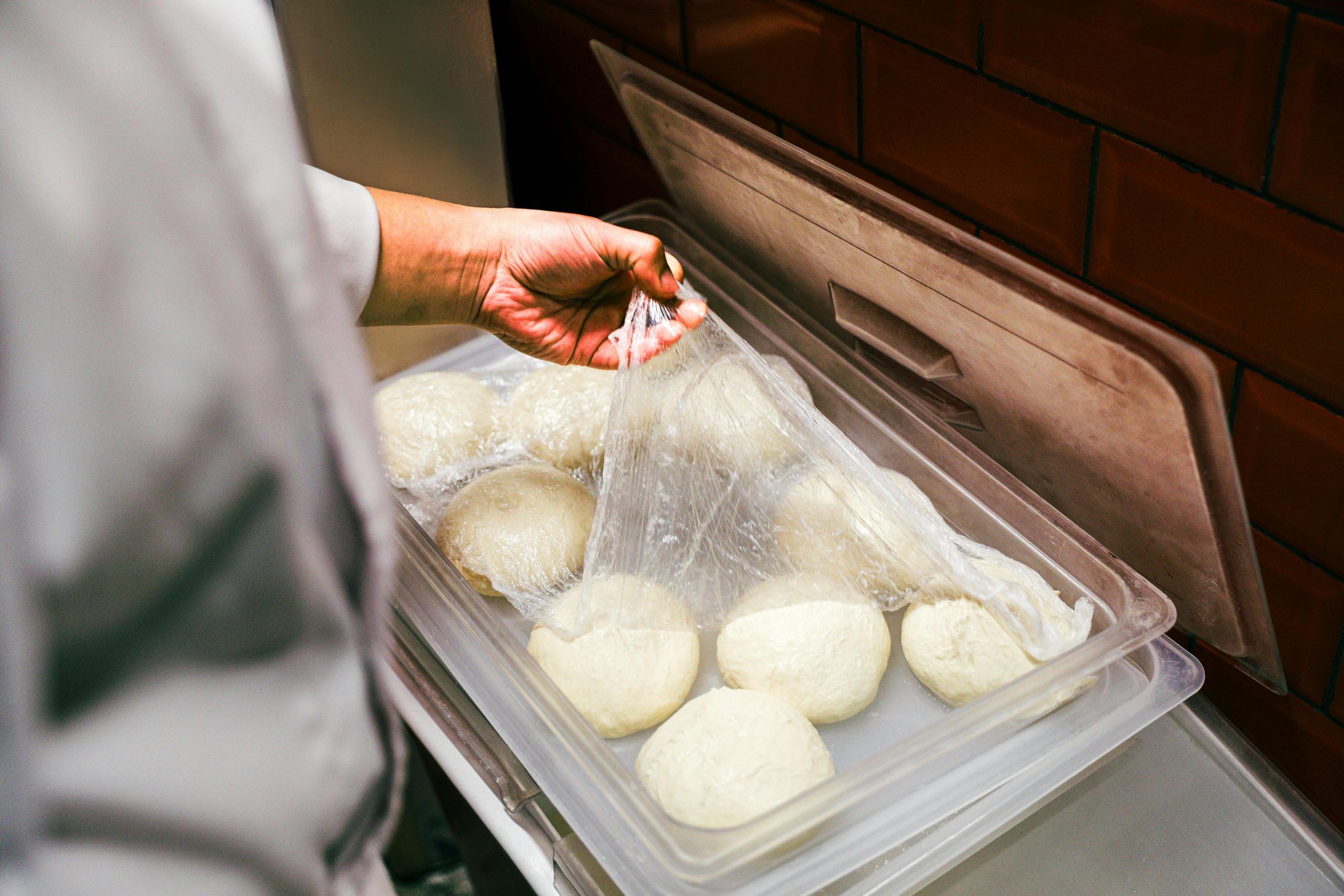
That plastic wrap roll may be doing jobs a container could handle better.Plastic wrap has a real place in many American kitchens, especially for certain foods and freezer protection. But frugal households often cut back on casual overuse: half bowls, dinner plates, fruit pieces, and leftovers that could go into a lidded container. Food safety still matters, so the goal is not leaving food exposed. The practical swap is keeping clean containers where they are easy to grab. When the fridge is full of sealed containers instead of loosely wrapped plates, the household may save plastic, reduce mess, and make leftovers easier to see.
Air Fresheners Some Households Gave Up
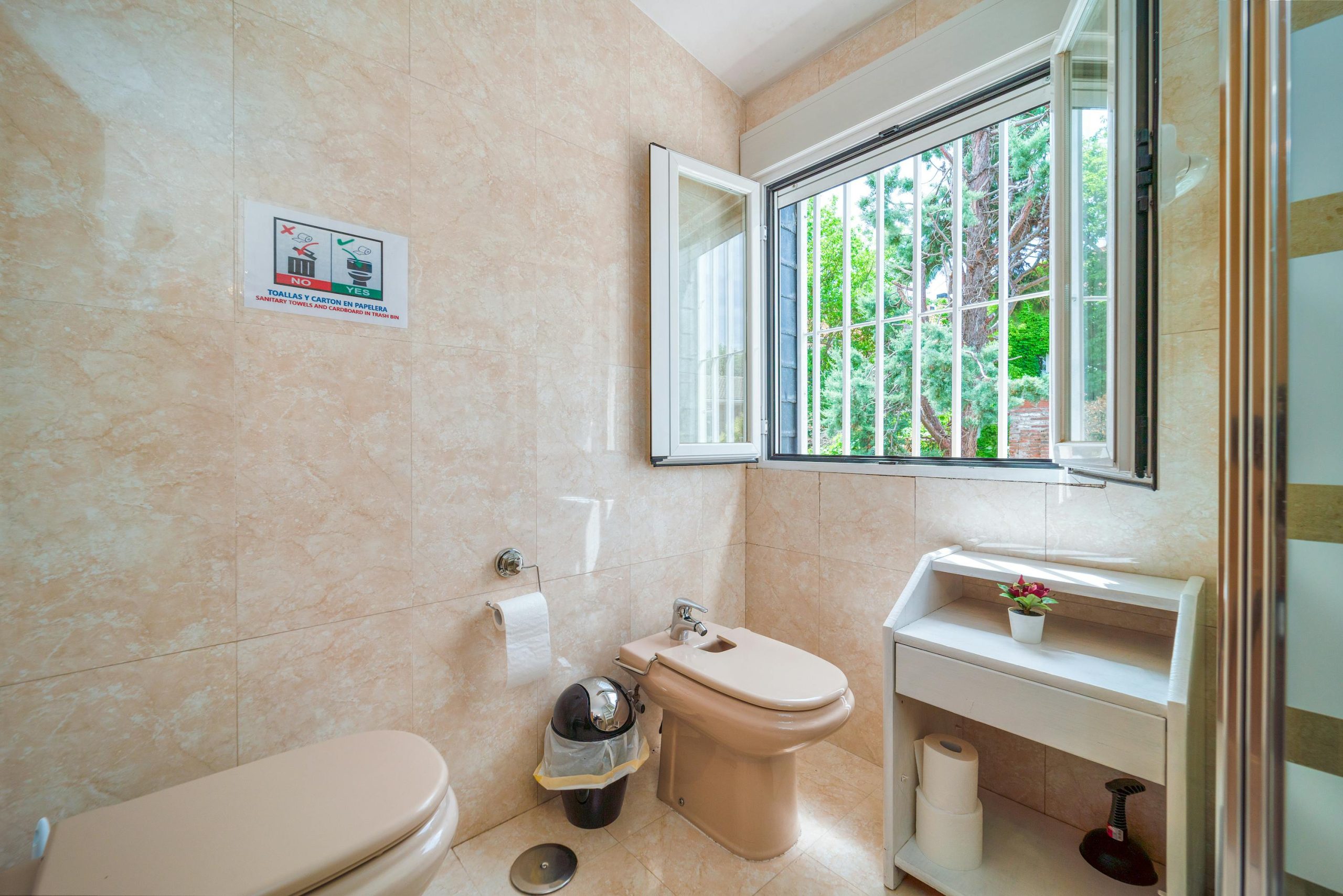
The “fresh smell” product may be hiding the real household clue.In many U.S. bathrooms, kitchens, entryways, and laundry rooms, air fresheners become a default answer to trash smells, damp towels, pet areas, cooking odors, and stale rooms. Frugal households often stop buying them first because the scent fades but the cause remains. The better visual checklist is simple: empty trash, wash fabrics, dry towels fully, clean the drain area, and ventilate when practical. Some households still enjoy scent products, but the frugal shift is from “spray more” to “find the source before buying another refill.”
Impulse “Little Treat” Purchases at the Store
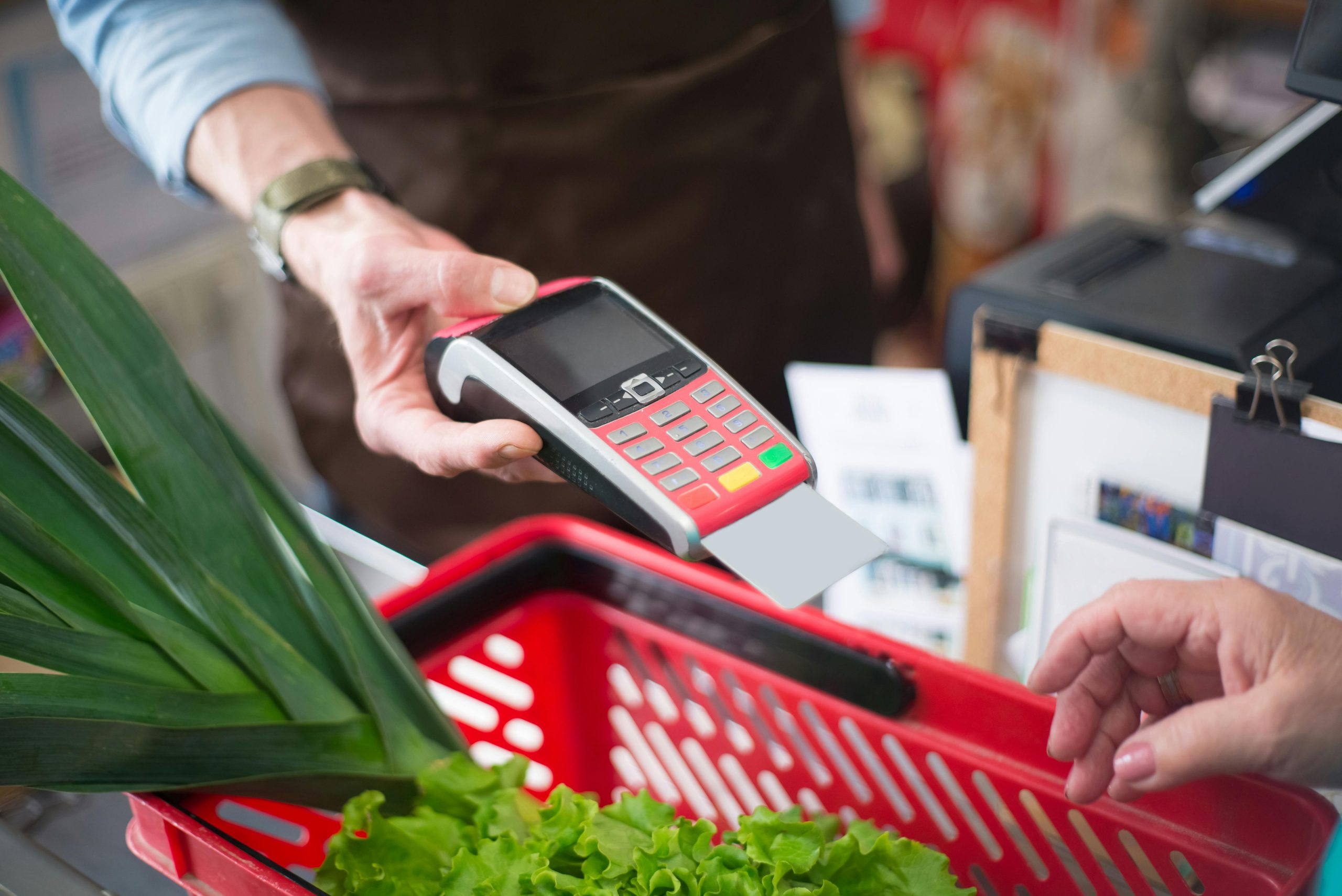
The budget leak may be sitting by the checkout lane.After a grocery run in the U.S., the receipt often tells a different story than the shopping list. Frugal households may not ban treats completely, but they stop letting checkout snacks, coffee drinks, seasonal displays, and convenience-store extras decide for them. The useful habit is planned treats instead of surprise treats: one chosen item, a set day, or a cheaper repeatable option kept at home. That keeps the emotional payoff without letting every errand become a mini spending event. The savings often show up only after several trips.
Household Habits That Saved More Than Expected

Frugal homes often save money before anything dramatic changes.The quiet lesson from frugal households is that savings often start with boring objects: rolls, refills, sprays, wipes, wraps, bottles, and checkout extras. None of them looks huge alone. Together, they can create a constant drip on the grocery and household budget. A practical American-home reset is to walk one room at a time and ask: “Do we use this because it solves a real problem, or because we keep replacing it automatically?” The strongest swaps are the ones that fit the family’s routine, stay easy to reach, and do not create a bigger mess.